

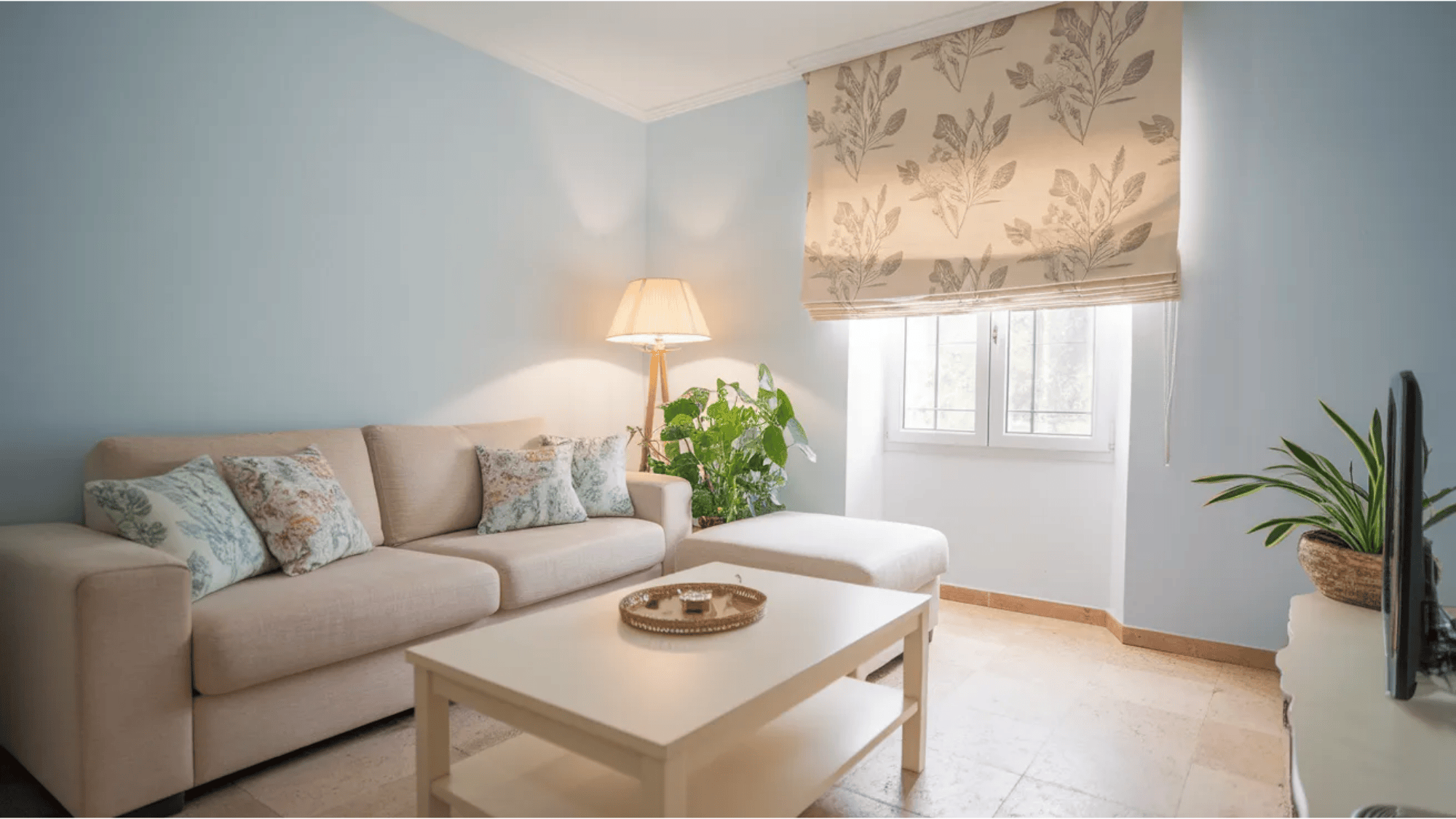
Most window treatments make you choose between style and function. Roman shades are one of the few options that give you both without compromise.
They fit most rooms, match many decor styles, and offer more options than people expect.
Their flexibility makes other coverings seem less practical, while their simple design suits both modern and classic interiors.
Many homeowners choose them because they feel clean, soft, and classic.
I learned that firsthand when I was redecorating my living room and kept coming back to Roman shades, no matter which style direction I tried. So, what is a Roman shade?
It’s a fabric window covering that folds when raised and lies flat when lowered, giving a soft, clean look.
This article explains how they work, the types, materials, and how to choose the best one for your space.
What Is a Roman Shade?
A Roman shade is a type of window covering that folds neatly when raised. It’s made from fabric, giving it a soft look compared to hard blinds or shutters.
Roman shades come in different styles, such as flat or pleated, to match your home’s design.
They are popular because they provide a clean and elegant look while offering light control and privacy.
You can easily adjust them to let in more light or block it out completely. Roman shades are versatile, working well in living rooms, bedrooms, or kitchens.
They are also available in various materials, from light fabrics to heavier ones for better insulation.
Choosing the right Roman shade depends on your room’s style and light needs.
Different Types of Roman Shades
Roman shades come in several styles, each offering a different look and feel for your windows. The type you choose can influence how formal, soft, or structured a room appears.
1. Flat Roman Shades
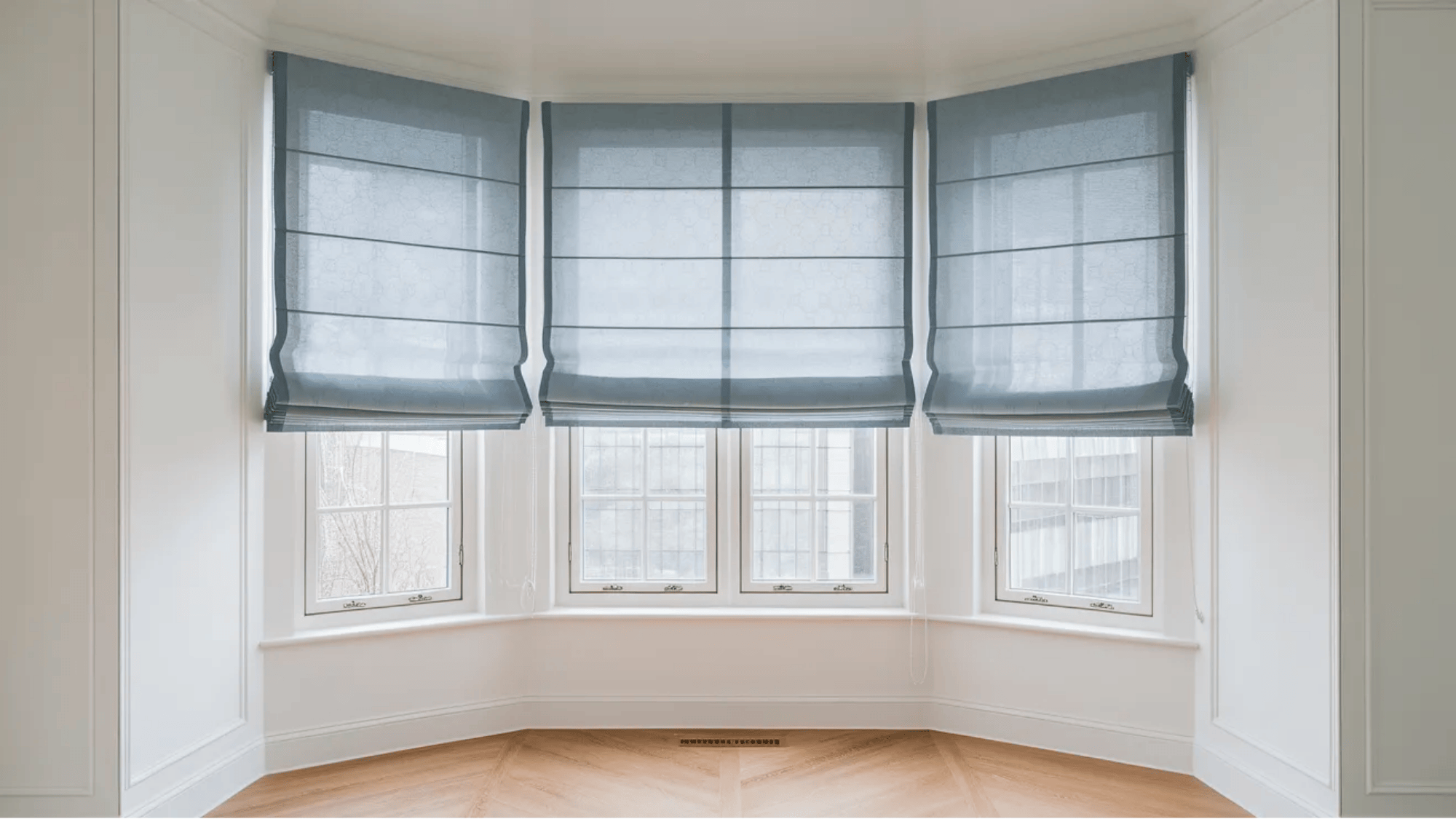
Flat Roman shades are exactly what they sound like. When fully lowered, the fabric lies completely smooth with no folds or curves in sight.
This gives your window a clean, neat look that works well in modern spaces.
Because the fabric lies flat, patterns and prints show up clearly without any distortion.
If you want a simple, polished window treatment that doesn’t compete with the rest of your room, flat Roman shades are a solid choice.
2. Relaxed Roman Shades
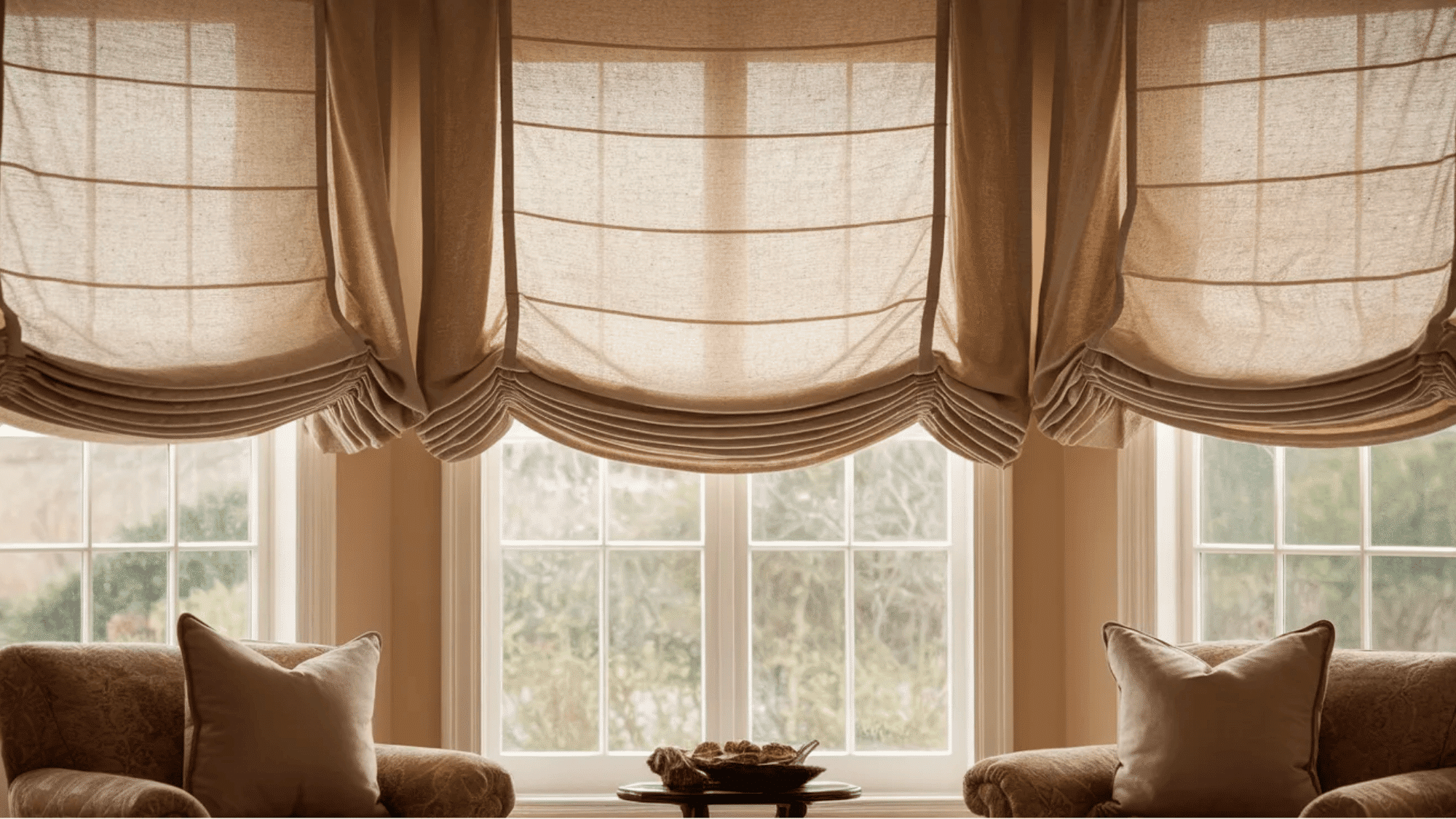
Relaxed Roman shades have a gentle curve at the bottom, giving them a soft, casual feel. Unlike flat styles, they don’t hang in a perfectly straight line.
That slight sag is intentional, and it adds warmth to a space.
They work especially well in traditional or cozy interiors where you want the room to feel lived-in and comfortable.
If your space leans more relaxed than formal, this style fits right in and helps the room feel soft, casual, and comfortable every single day.
3. Hobbled Roman Shades
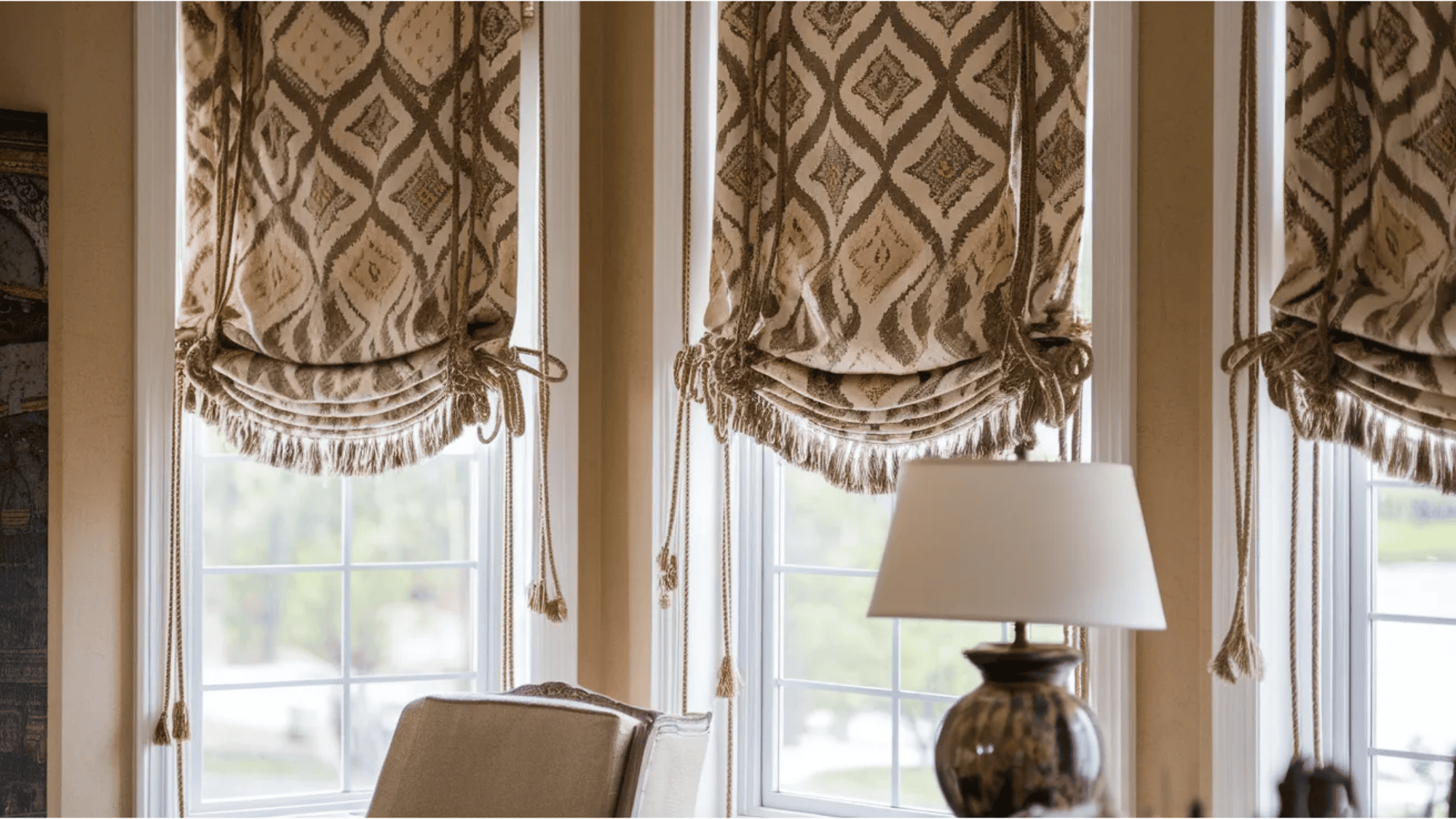
Hobbled Roman shades, sometimes called looped shades, have folds that stay visible even when the shade is fully lowered. The fabric cascades in soft, overlapping layers from top to bottom.
This creates a rich, layered look that adds depth to any window.
They work well in formal living rooms or bedrooms where you want the window treatment to stand out.
The folds give the shade a fuller, more structured appearance compared to flat styles. This adds depth and texture, making the window look more styled and balanced.
4. Balloon Roman Shades
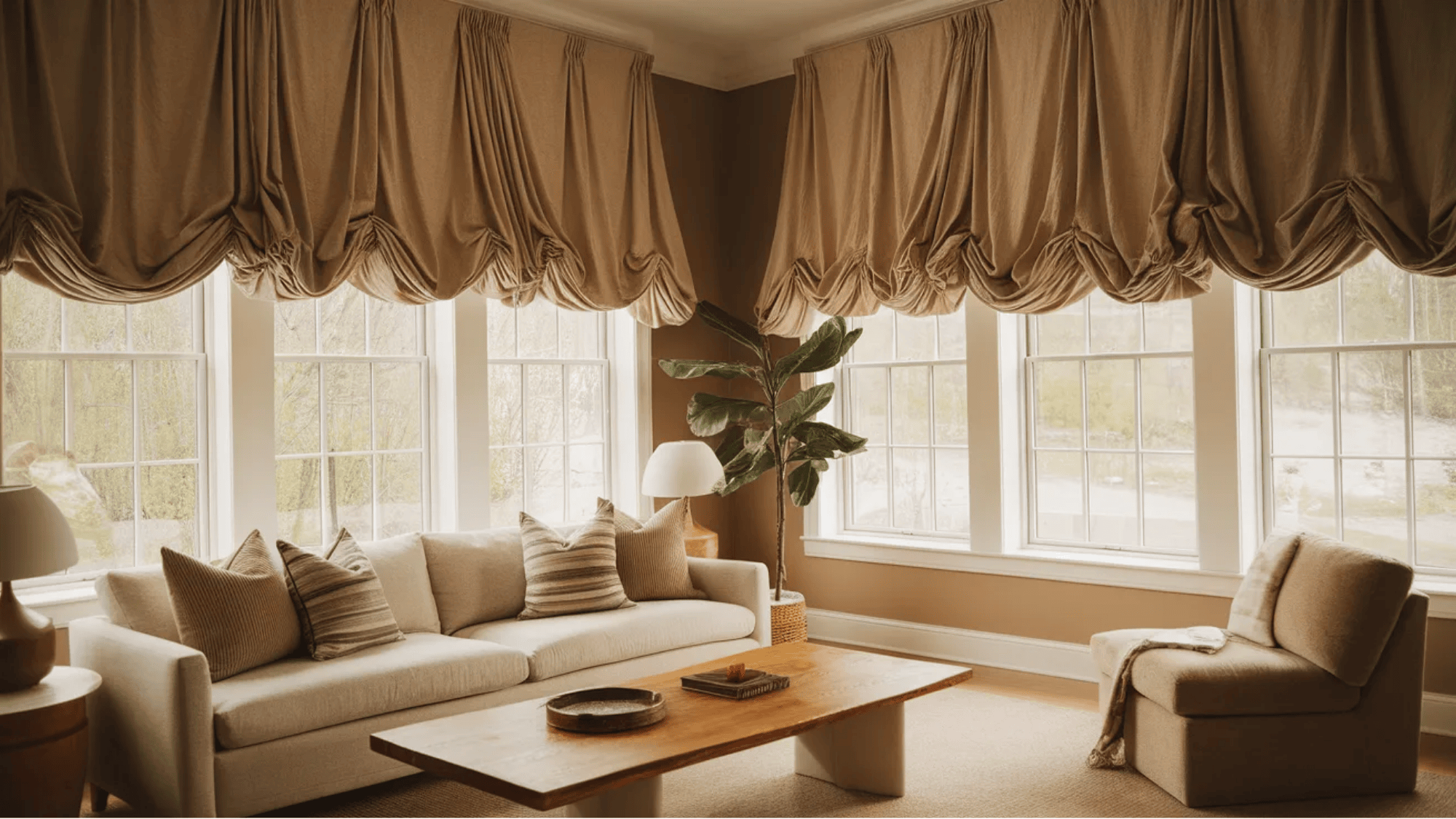
Balloon Roman shades have gathered, puffed sections of fabric along the bottom that billow outward when the shade is raised.
The look is soft, full, and a little dressy. They add a decorative touch that works well in spaces where you want the window to feel like a design feature rather than just a functional covering.
Bedrooms and dining rooms tend to suit this style well.
If you like a more expressive window treatment, balloon shades deliver that.
5. Pleated Roman Shades
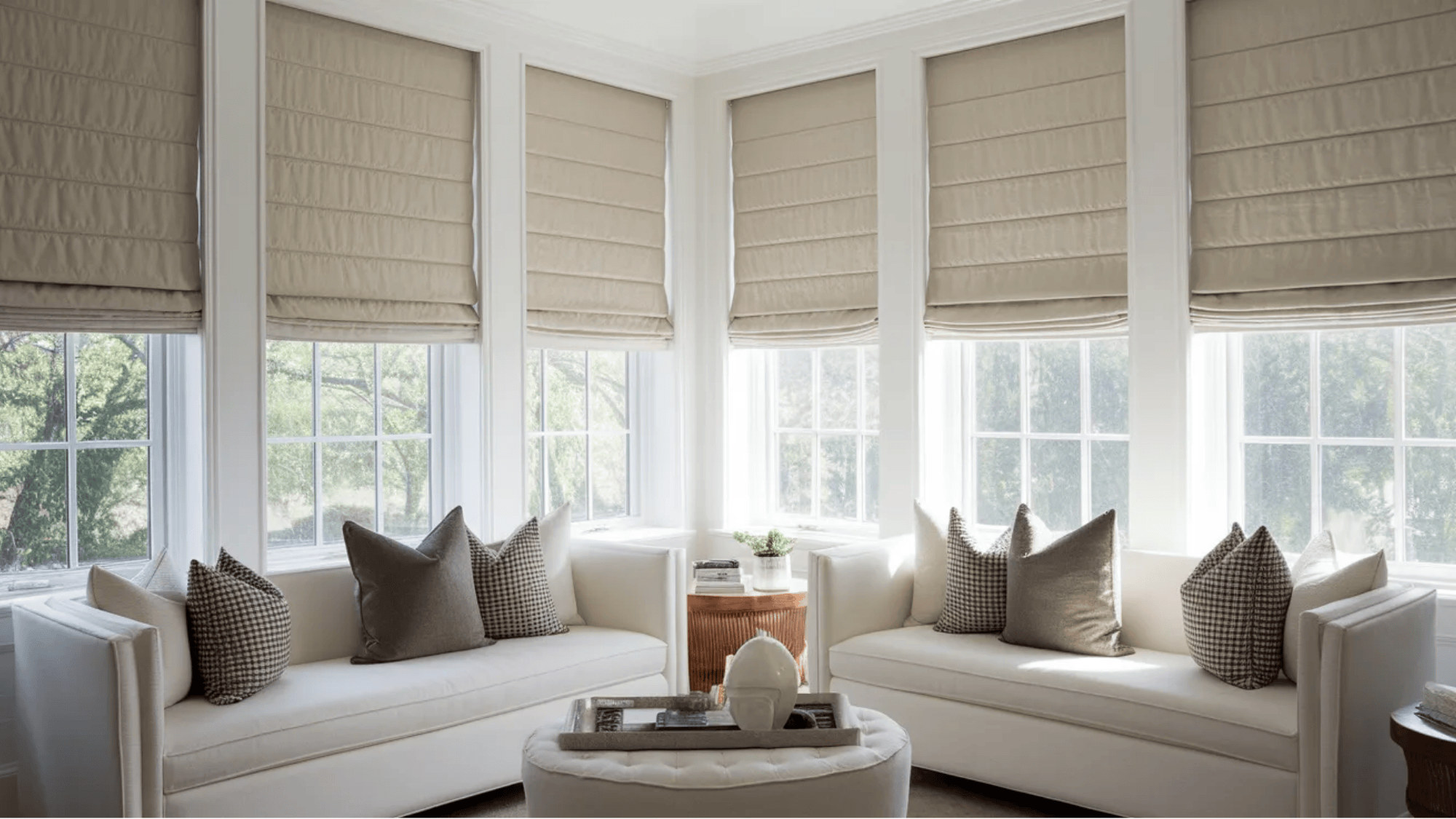
Pleated Roman shades have sharp, structured folds that stay crisp whether raised or lowered.
The defined folds give them a formal, tailored look that feels clean and well put together.
They work well in home offices, dining rooms, or any space where you want things to look neat, intentional, and well-organized while still feeling warm and welcoming.
The clean lines make them a good fit for rooms with a more polished or put-together look. If structure matters to you, this style delivers it.
How Roman Shades Work?
Roman shades use a simple lifting system that raises the fabric, forming neat horizontal folds. This design makes it easy to control light and privacy while keeping windows looking clean and organized.
1. Basic Lifting Mechanism
Roman shades use a simple system of cords or rods attached to the back of the fabric. When lifted, the fabric rises evenly from the bottom.
As it rises, it folds into neat horizontal layers along the window.
When you lower it, the fabric unfolds smoothly and lies flat across the window again.
The mechanism is straightforward, easy to use, and doesn’t require any special tools or complicated setup to operate daily at home.
2. Corded vs Cordless Systems
Corded Roman shades use a visible cord to raise and lower the fabric. They’re easy to control but may not be the safest option in homes with young children or pets.
Cordless systems work by simply pushing the fabric up or pulling it down by hand.
They look cleaner and are much safer for kids.
Many homeowners are switching to cordless systems for both the tidy appearance and the added peace of mind they bring to everyday use.
3. Fabric Folding Mechanism
The folding in Roman shades happens because of horizontal rods or dowels sewn into the back of the fabric at evenly spaced intervals.
When the shade is raised, these rods stack on top of each other, creating those signature neat folds.
When lowered, the rods spread out, keeping the fabric smooth and flat.
The spacing between the rods determines how deep or shallow the folds appear, which also affects how the shade looks when fully raised.
4. Mounting Styles
Inside mount means the shade is installed inside the window frame. This gives a clean, built-in look and works best when your window frame is deep enough to fit the hardware.
Outside mount means the shade is installed above and outside the window frame.
It works well for larger windows or for covering the frame completely.
Both styles work well, depending on your window size, room layout, and the overall look you want for the space in your home and daily use.
Key Characteristics of Roman Shades
Roman shades are popular because they combine style and practicality in one window treatment. Their design offers a balance of comfort, light control, and visual appeal for different rooms.
- Soft Fabric Folds: Roman shades fold into clean, horizontal layers when raised, giving your window a neat and finished look without any bulk.
- Light Control Options: Depending on the fabric you choose, Roman shades can block out light completely or filter it softly into the room.
- Space-Saving Design: Because they sit close to the window frame, Roman shades take up far less space than traditional curtains or drapes.
- Decorative and Functional: Roman shades look good and serve a purpose. They add style to a room while still giving you full control over privacy and light.
- Variety of Options: Roman shades come in a wide range of colors, patterns, and textures, making it easy to find one that fits your room perfectly.
- Works in Any Room: Roman shades suit almost every space in a home, from bedrooms and living rooms to kitchens and home offices.
- Easy to Customize: You can choose from cordless, corded, or motorized options, making it simple to match the shade to your specific needs and preferences.
Unique Benefits of Roman Shades
Roman shades combine style and function, making them a popular window treatment. They help control light, save space, and keep windows looking clean and neat.
1. Stylish Window Treatment
Roman shades bring a polished look to any window without trying too hard. They come in dozens of fabrics, colors, and patterns, so finding one that matches your room is never a problem.
Unlike blinds, they add softness and warmth to a space.
Unlike heavy curtains, they don’t overwhelm a room or block the natural flow of light.
Whether your home leans modern, traditional, or somewhere in between, there’s a Roman shade style that fits naturally without looking out of place.
2. Light Control Options
One reason people choose Roman shades is the light control.
Sheer fabrics let soft light in, while blackout fabrics block sunlight completely.
There are also light-filtering options that sit somewhere in between, allowing soft natural light in while still giving you a good level of privacy.
This flexibility makes Roman shades a practical choice for any room, from a bedroom where you need full darkness to a living room where soft, diffused light works best.
3. Energy Efficiency and Insulation
Roman shades can help keep your home comfortable year-round.
Thicker or thermal fabrics reduce heat loss in winter and block heat during summer.
This means your heating and cooling systems don’t have to work as hard, which can help maintain a more stable indoor temperature throughout the year.
Over time, that can make a small but noticeable difference in your energy bills, especially on windows that get a lot of direct sunlight.
4. Works in Many Room Styles
Roman shades are one of the most flexible window treatments available.
They fit just as well in a cozy bedroom as they do in a formal dining room or a bright kitchen. The wide range of fabrics and styles means you can go casual with a relaxed linen shade or more formal with a structured pleated one.
You don’t need to redecorate around them. Instead, you pick the fabric and style that already matches what you have in your room.
Materials Commonly Used for Roman Shades
Roman shades come in many fabric options, each offering a different look and level of light control. The material you choose also affects durability and privacy.
- Cotton and Linen: Both cotton and linen are popular choices for Roman shades because they are lightweight, breathable, and easy to work with in almost any room.
- Polyester Blends: Durable, wrinkle-resistant, and affordable, making them a practical choice for low-maintenance window coverings in busy homes and everyday use.
- Silk or Luxury Fabrics: Silk and other luxury fabrics give Roman shades a rich, dressy look that works well in formal spaces like dining rooms or master bedrooms.
- Blackout Fabrics: Blackout fabrics are lined with a special coating that blocks all sunlight, making them ideal for bedrooms, nurseries, or any room where complete darkness is needed.
- Light-Filtering Fabrics: Light-filtering fabrics soften incoming sunlight without blocking it entirely, creating a warm, comfortable glow that works well in living rooms and kitchens.
- Thermal or Insulated Materials: Thermal fabrics have an extra lining that helps regulate indoor temperature by keeping cold air out in winter and blocking heat in summer
Roman Shades vs Other Window Treatments
Different window treatments serve different needs in a home. This table shows how Roman shades compare with curtains, roller shades, and blinds.
| Feature | Roman Shades | Curtains | Roller Shades | Blinds |
| Basic Structure | Fabric panel that folds into horizontal pleats when raised | Loose fabric panels that hang from a rod | Single sheet of fabric that rolls around a tube | Multiple slats made of wood, vinyl, or metal |
| Operation Style | Fabric folds upward in soft layers | Fabric is pulled sideways or parted | Fabric rolls up around a cylinder | Slats tilt or stack upward |
| Mounting Method | Installed inside or outside the window frame | Mounted on rods above the window | Mounted inside or outside the window frame | Mounted inside or outside the window frame |
| Appearance | Structured fabric folds with a tailored look | Soft and flowing decorative panels | Smooth, flat surface when lowered | Horizontal or vertical slat pattern |
| Material Type | Fabric (linen, cotton, polyester, blends) | Fabric (light to heavy textiles) | Fabric or vinyl | Hard materials like wood, aluminum, or PVC |
| Light Control | Light filtering or blackout, depending on the fabric | Light control depends on curtain thickness | Light filtering or blackout options | Adjustable by tilting slats |
Roman shades combine style and practicality for many types of rooms. They offer a range of fabrics and designs while providing good light control and privacy.
How to Choose the Right Roman Shade?
Roman shades can change the look and feel of a room while still being practical for everyday use. Choosing the right one depends on your room style, light needs, fabric type, and window size.
- Consider Room Style: Think about your room’s style before choosing a shade. Modern spaces suit flat styles, while traditional rooms work better with relaxed or hobbled designs.
- Light Control Needs: Decide how much light you want to let in or block out. Sheer fabrics work for soft light, while blackout linings are better for bedrooms or media rooms.
- Fabric Thickness: Thicker fabrics offer more privacy and insulation, while lighter fabrics keep the room feeling open and airy. Pick based on how much warmth and coverage you actually need.
- Window Size and Mounting Style: Measure your window before buying. Inside mounts suit standard windows, while outside mounts work better for larger or unusual shapes.
- Safety Options Like Cordless Systems: If you have young children or pets, choose a cordless system. It’s easy to use and removes the risk of cord accidents.
Conclusion
Roman shades are a practical and stylish window treatment that fits various home styles. Now that you know what they are, it’s easy to see why many homeowners prefer them.
Their soft fabric folds, simple lifting system, and wide range of materials make them both functional and visually appealing.
With various types available, you can choose a Roman shade that suits your room, whether modern or traditional.
They also provide flexible light control, privacy, and a space-saving design that suits almost any window in your home.
If you want a window covering that looks polished yet easy to use every day, Roman shades remain one of the most dependable and versatile choices.
Ready to upgrade your windows? Pick the Roman shade style that fits your space and change your room today.