

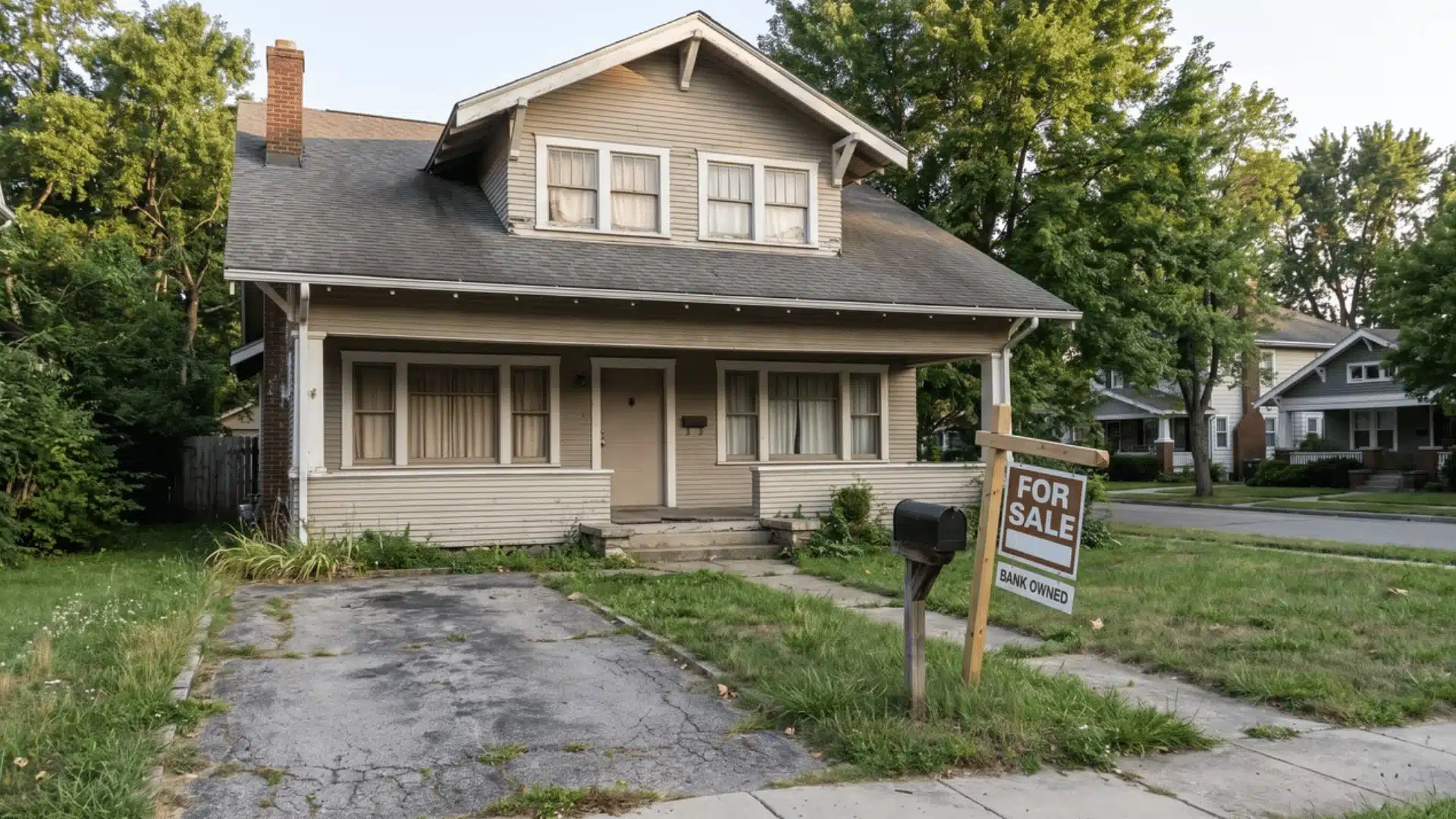
A lower price tag can make buying a foreclosed home look like an easy win, but the process is rarely that simple.
I have seen people focus on the savings first and only later realize that inspections, financing, and legal checks matter just as much.
Some homes are ready to move into, while others need repairs or come with extra risks. Knowing how foreclosure sales work before making an offer can save time, money, and frustration.
Buying a foreclosed home can be a smart choice when you understand your options and prepare for the steps that come with the purchase.
What Is a Foreclosure Home and How Does Buying Work?
Foreclosure is the legal process a lender uses to reclaim a property after the owner stops paying. You can step into it in three different ways.
Those routes are auction, a bank-owned (REO) listing, or a short sale. They differ in who you deal with, what you can see, and what risk you inherit.
Here’s the logic: when a borrower defaults, the lender just wants its money back. Banks don’t want houses, and that urge to exit creates below-market pricing, but that’s also where risk lives.
A bank rushing to sell won’t fix the roof, clear the liens, or tell you what went wrong with the plumbing.
The urgency that makes foreclosures cheap is what makes them complicated. And your chosen path shapes everything: financing, inspection access, and what you legally take on at closing.
Buying a Foreclosed Home: Auction, REO, or Short Sale
These aren’t three flavors of one deal. Each changes who you negotiate with, how much you can inspect beforehand, and the risk that comes attached to the property.
| Feature | Auction | REO (Bank-Owned) | Short Sale |
|---|---|---|---|
| Who You’re Buying From | Trustee or county | Bank or lender | Homeowner + lender approval |
| Payment Required | Cash only, usually at sale | Cash or mortgage | Cash or mortgage |
| Can You Inspect First? | Rarely | Yes | Yes |
| Listed on MLS? | No, auction sites only | Yes | Yes |
| Negotiation Possible? | No | Limited | Yes, but the lender has the final say |
| Typical Timeline to Close | Usually within a few days | 30–60 days | 60–120+ days |
| Biggest Risk | Can’t inspect; no contingencies | Property condition affects financing | Lender approval delays or falls through |
| Best Suited For | Cash buyers are comfortable with risk | Most financed buyers | Buyers with flexible timelines |
If you’re using a mortgage and want room to inspect, REO is almost always your spot. Auctions reward cash; short sales reward patience above everything else.
Pros and Cons of Buying a Foreclosed Home
Buying a foreclosed home can save money, but it also comes with added risks. Looking at both sides before making an offer can help you decide if this type of property matches your budget, timeline, and comfort level.
Pros
Buying a foreclosed home can offer real advantages, especially if you are prepared for the process. Here are some of the biggest benefits buyers can expect.
- Lower Purchase Price: Many foreclosed homes sell below market value, giving buyers a chance to spend less on the purchase.
- Equity Potential: Repairs and updates can increase the home’s value over time if you buy at the right price.
- More Property Choices: Foreclosures are available in different locations and price ranges, giving buyers more options.
- Investment Opportunity: Buyers willing to handle repairs may benefit from higher resale value or rental income.
These benefits can make foreclosed homes appealing, especially when the property is priced fairly and repair costs are carefully planned.
Cons
A lower purchase price does not always mean a lower overall cost. These are some of the common drawbacks buyers should keep in mind.
- Sold As-Is: Most foreclosed homes are sold without repairs, so you are responsible for fixing any problems after closing.
- Repair Costs: Vacant homes may have hidden damage, leading to higher maintenance and renovation expenses.
- Financing Challenges: Some homes may not qualify for standard mortgage loans until repairs are completed.
- Title or Lien Issues: Certain unpaid debts or ownership claims may need to be resolved before or after closing.
Understanding these drawbacks helps you plan ahead and avoid unexpected costs during the buying process.
Financing a Foreclosure: Loan Type Controls What You Can Buy
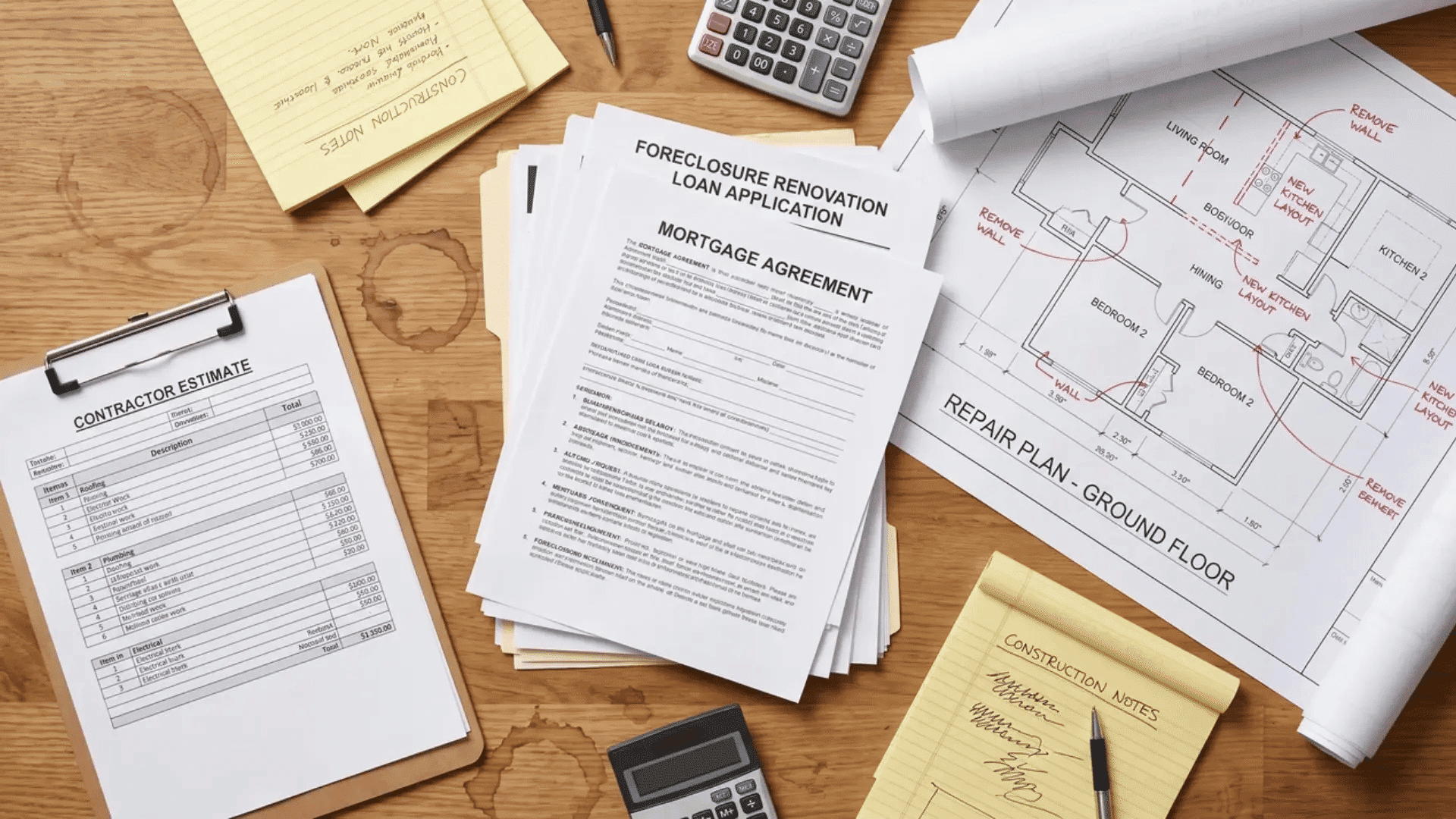
There are three financing paths. Which one applies to you depends on the property’s condition and the purchase path you’re using.
1. Cash Purchases
Cash removes almost every barrier in the foreclosure process. Without a lender involved, there’s no appraisal requirement, no habitability standard to meet, and no waiting on underwriting.
That opens doors a financed buyer can’t access:
- Auction properties that require full payment at the gavel
- Deeply distressed REOs that would fail a standard appraisal
- Short sales, where sellers want certainty over a higher financed offer
Cash also gives you negotiating leverage with banks that want to close fast. Your main protection isn’t financing, it’s inspection and title work.
2. Conventional and FHA Loans on REOs
These loans are available on REO properties, but only if the home passes appraisal. Both require the property to meet minimum habitability standards before the loan is approved. That means:
- Functioning heating system
- No major structural damage
- No significant health hazards, such as mold or exposed wiring
If the property fails those standards, the loan is denied on the house, not on you. Your credit and income are fine. The property doesn’t qualify.
This catches buyers off guard. They’ve been pre-approved, found a property, and then the appraisal kills the deal.
Knowing the condition threshold before you make an offer saves you that discovery at the worst moment.
3. FHA 203(k) and HomeStyle Renovation Loans
When a property is too damaged for a conventional or FHA loan, renovation loans are often the only mortgage path left.
The FHA 203(k) and Fannie Mae HomeStyle loans bundle the purchase price and repair costs into a single mortgage, one loan, one closing.
The process is more involved than a standard mortgage:
- A licensed contractor must provide a cost estimate before closing
- Standard 203(k) loans require a HUD-approved consultant to oversee the renovation scope
- The added coordination typically extends your timeline by several weeks
These loans make otherwise unmortgageable properties accessible. But they suit buyers who have a clear renovation plan before they close, not buyers hoping to figure it out after.
Where to Find Foreclosed Properties, and What the Listings Tell You
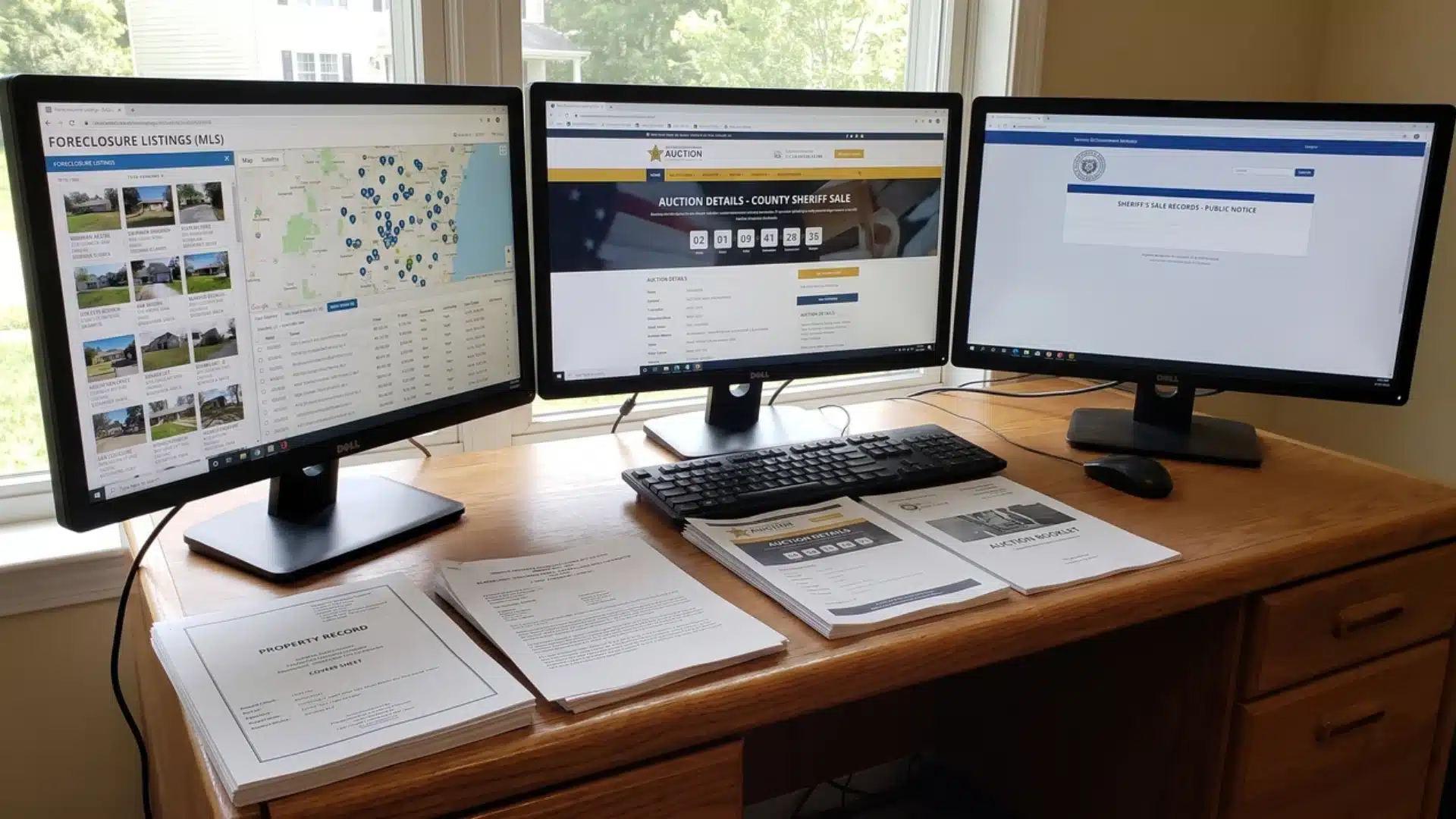
Not every foreclosure is available to every buyer, and the listing source often reveals how the property is being sold. MLS websites, along with platforms like Zillow and Redfin, commonly feature bank-owned (REO) homes beside regular listings.
Many lenders also list REO properties on their own websites, while the HUD Home Store offers HUD-owned homes acquired after FHA-insured loan foreclosures.
Foreclosure auction websites list properties scheduled for public sale, but low starting bids rarely reflect the final purchase price or total ownership costs.
County sheriff and trustee websites also list homes scheduled for auction, often requiring cash or certified funds. Always read listing terms to understand financing, inspection access, and sale conditions before making an offer.
Due Diligence for Foreclosures Before Closing
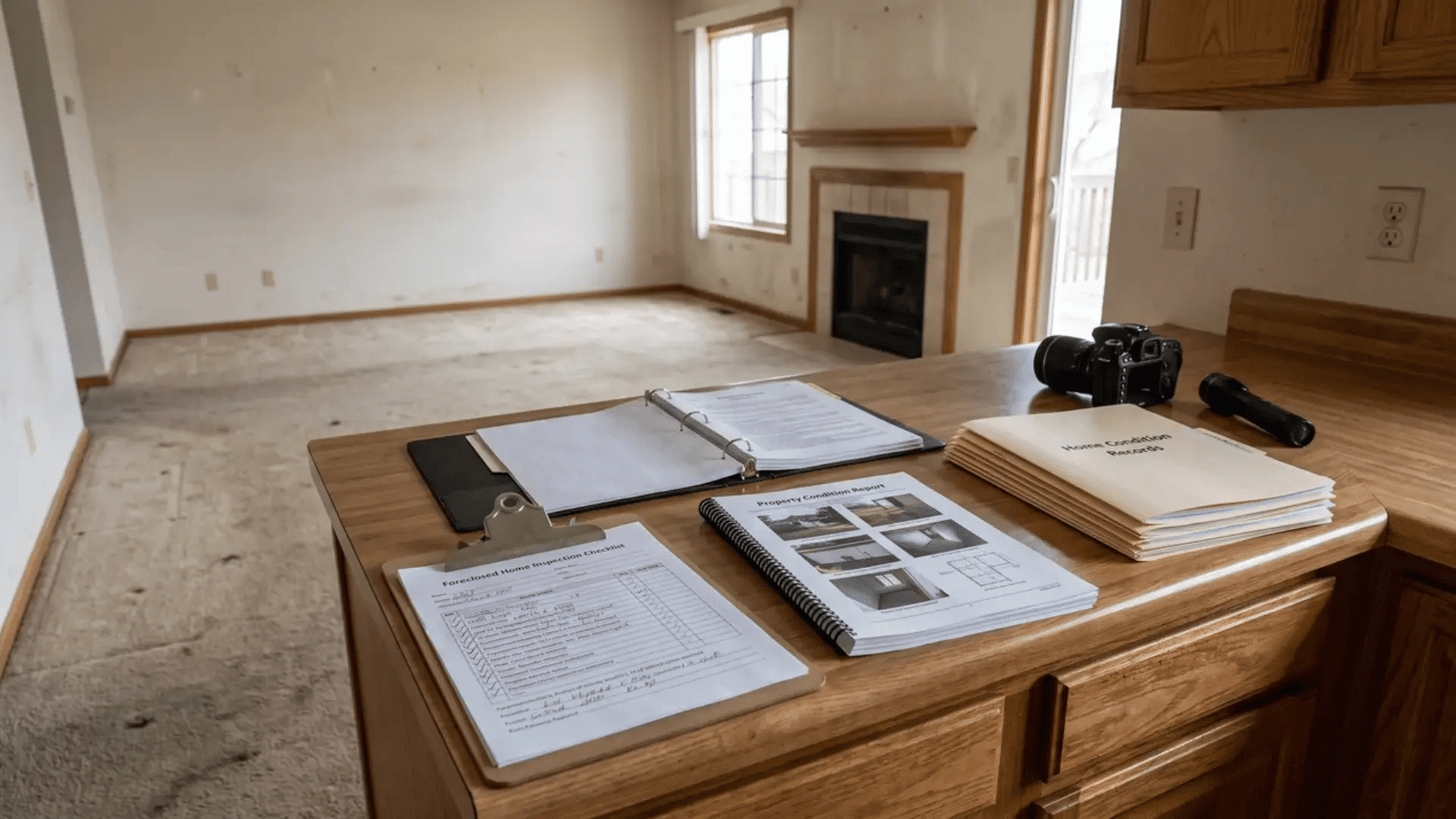
Buying a foreclosed home means doing more research before you commit.
Many foreclosure properties are sold as-is, and the seller may have limited knowledge of the home’s condition or history.
Taking time to verify the property’s condition and ownership records before closing can help you avoid unexpected repair costs, legal issues, and delays later in the buying process.
Home Inspection
A professional home inspection helps you understand the property’s condition before you buy. Pay close attention to the foundation, roof, plumbing, electrical system, and heating.
Many foreclosed homes sit vacant for long periods, which can lead to leaks, mold, pests, or damaged systems. If possible, make your offer contingent on the inspection.
For auction properties, inspect the home before bidding if access is available.
Title Search and Insurance
A title search checks public records for unpaid taxes, liens, ownership disputes, or other claims that could affect the property. Some claims may remain after foreclosure, depending on state law, so this step is important before closing.
Title insurance protects you if an undiscovered title problem appears later. If you’re using a mortgage, your lender will usually require a lender’s title insurance policy, while an owner’s policy provides extra protection.
Making an Offer and Closing: How the Process Differs by Path
The buying process is different for auctions, REO properties, and short sales. Knowing how each one works can help you understand what to expect before making an offer.
| Feature | Auction | REO (Bank-Owned) | Short Sale |
|---|---|---|---|
| Who Approves the Sale? | Highest bid wins (subject to auction terms) | Bank asset management team | Homeowner, then lender |
| Can You Negotiate? | No | Limited | Yes, but the lender has the final say |
| Offer Contingencies Allowed? | No | Yes, typically | Yes, typically |
| Funding Timeline | Usually within a few days (varies by auction) | 30–60 days | 60–120+ days |
| Can You Back Out? | No, deposit may be forfeited | Yes, during the contingency period | Yes, during the contingency period |
| Biggest Closing Risk | Hidden property issues | Appraisal or financing issues | Lender delays or rejects approval |
| Buyer Leverage | Very low | Low | Low |
Knowing how each path works can help you avoid delays and choose the option that best matches your budget, financing, and timeline.
Reading the sale terms carefully before you submit an offer can help you avoid costly mistakes later.
Conclusion
Buying a foreclosed home can offer good value, but every opportunity comes with responsibilities. Taking time to compare auction sales, REO properties, and short sales can help you choose the option that fits your budget and buying goals.
I believe careful planning, a professional inspection, and a clear title search are just as important as finding a lower purchase price.
Going into the process with realistic expectations can help you avoid costly surprises after closing. Have you bought a foreclosed home or are you thinking about it?
Share your experience or questions in the comments. Your story could help other buyers make better decisions.
Frequently Asked Questions
Is it a good idea to buy a foreclosed home?
It depends on your financing, risk tolerance, and timeline. Foreclosures can offer below-market pricing, but the as-is condition, limited inspection access, and potential title complications mean savings can be offset by repair costs or legal fees. For buyers with flexible financing and patience, REOs are the most accessible path with manageable risk.
How much money down do you need to buy a foreclosed home?
It depends on the purchase path. Auctions typically require full cash payment at the sale. REO purchases allow conventional financing with standard down payment requirements, as low as 3–5% with conventional loans or 3.5% with FHA, provided the property meets habitability standards. Renovation loans like the FHA 203(k) follow similar down payment rules but bundle repair costs into the mortgage.
Can you get a mortgage on a foreclosed home?
Yes, on REO properties, provided the home meets minimum habitability standards at appraisal. If the property is in poor condition, conventional and FHA loans may be denied on the property itself. In that case, FHA 203(k) or Fannie Mae HomeStyle renovation loans, which bundle purchase and renovation costs, are the primary mortgage options available.
What happens to unpaid liens when you buy a foreclosed home?
Some liens transfer to the buyer at closing. Tax liens are typically senior to mortgage liens and may survive the foreclosure sale, becoming the new owner’s responsibility. Mechanics’ liens and HOA arrears may also remain. A title search before closing identifies these, and title insurance protects against any that the search fails to surface.