

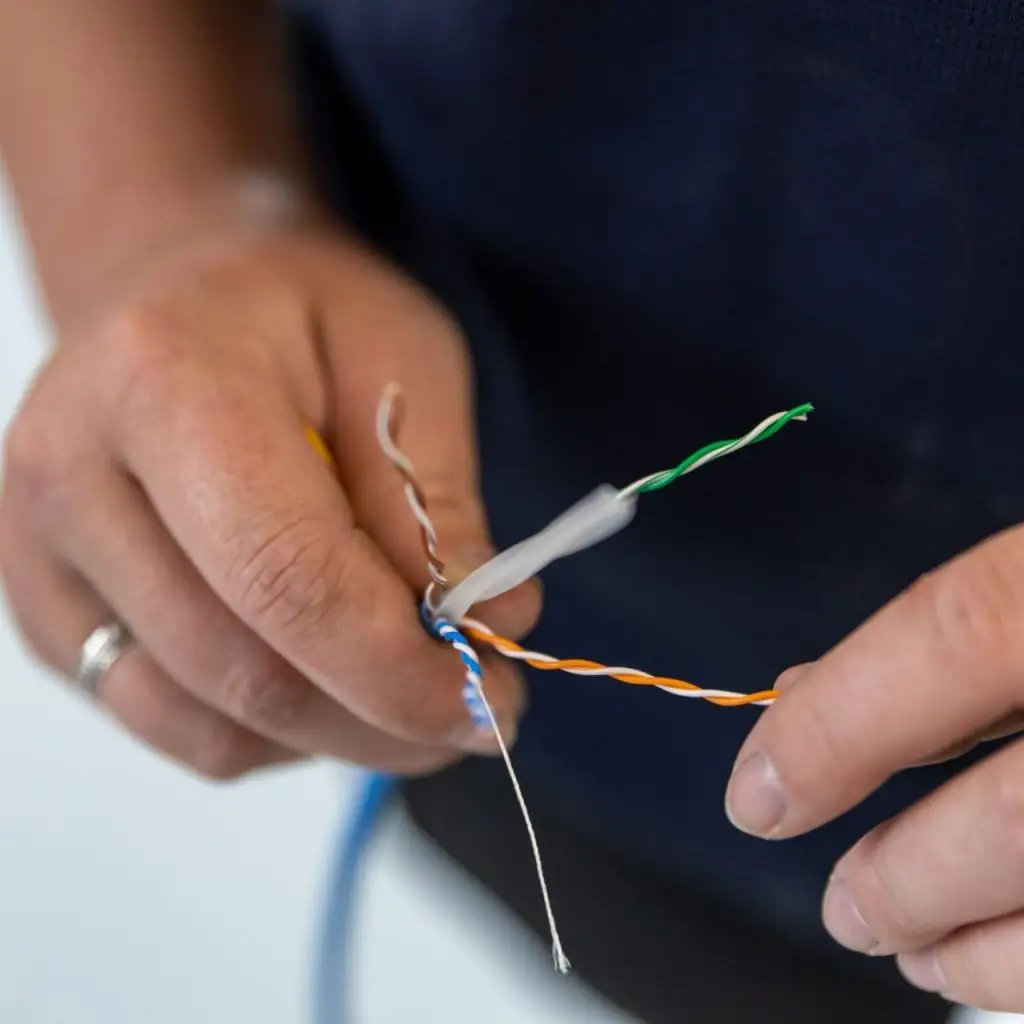
Electrical problems don’t always announce themselves with a dramatic spark or a tripped switchboard. More often than not, the warning signs are subtle, a flickering light here, a slightly warm power point there, easy to dismiss as minor quirks rather than genuine hazards.
Recognising these early warning signs and knowing when to call an experienced electrician canberra homeowners rely on can prevent a minor issue from developing into a serious safety risk. This article highlights five signs that deserve immediate attention.
Learning to Spot the Early Warning Signs
Your home’s electrical system often gives subtle clues long before a serious fault develops. Knowing what to watch for is the first step toward keeping your household safe.
Flickering or Dimming Lights
Occasional flickering during a storm is one thing, but persistent flickering or dimming, particularly when other appliances are running, often points to a loose connection, an overloaded circuit, or a failing component within your switchboard. This is worth investigating promptly rather than simply replacing globes repeatedly.
Warm or Discoloured Power Points
Power points and switches should never feel warm to the touch or show signs of discolouration or scorch marks. These are clear indicators of overheating, often caused by loose wiring or an overloaded circuit, and represent a genuine fire risk if left unaddressed.
Frequently Tripping Circuit Breakers
A circuit breaker or safety switch tripping occasionally, particularly when you know a specific appliance is faulty, isn’t necessarily cause for alarm. However, breakers that trip repeatedly and without an obvious cause often indicate a more serious underlying fault that requires professional diagnosis.
A Persistent Burning Smell
Any burning smell with no obvious source, particularly near power points, switches, or the switchboard itself, should always be treated as an emergency. This smell often indicates overheating insulation or wiring and requires immediate attention from a licensed electrician.
Buzzing or Crackling Sounds From Outlets or the Switchboard
Electrical systems should operate silently. Buzzing, crackling, or humming sounds coming from outlets, switches, or your switchboard are a clear sign that something isn’t right, often related to loose connections or failing components.
A few other signs worth monitoring include:
- Outdated switchboards: Older ceramic fuse boxes lack modern safety switch protection and are worth upgrading.
- Frequent light bulb failures: Can indicate voltage irregularities within your electrical system.
- Rusted or damaged outdoor power points: A common issue in older Canberra homes exposed to the elements.
Why Some Electrical Faults Are Intermittent
Intermittent faults, those that seem to come and go without an obvious pattern, are often the most frustrating to diagnose, and the most tempting to simply ignore. These faults are frequently caused by loose connections that only cause an issue under certain conditions, such as when a particular appliance is running or during periods of temperature fluctuation, making professional fault-finding equipment essential to accurately track down the true cause.
The Risks of Ignoring Minor Electrical Issues
It’s easy to dismiss a flickering light or an occasionally tripping circuit as a minor annoyance rather than a genuine concern. However, electrical faults rarely resolve themselves and often worsen gradually over time. What begins as a minor inconvenience can eventually develop into a genuine fire risk, making early professional assessment a far safer and more cost-effective approach than waiting to see if the problem goes away on its own.
How Weather Can Affect Electrical Systems
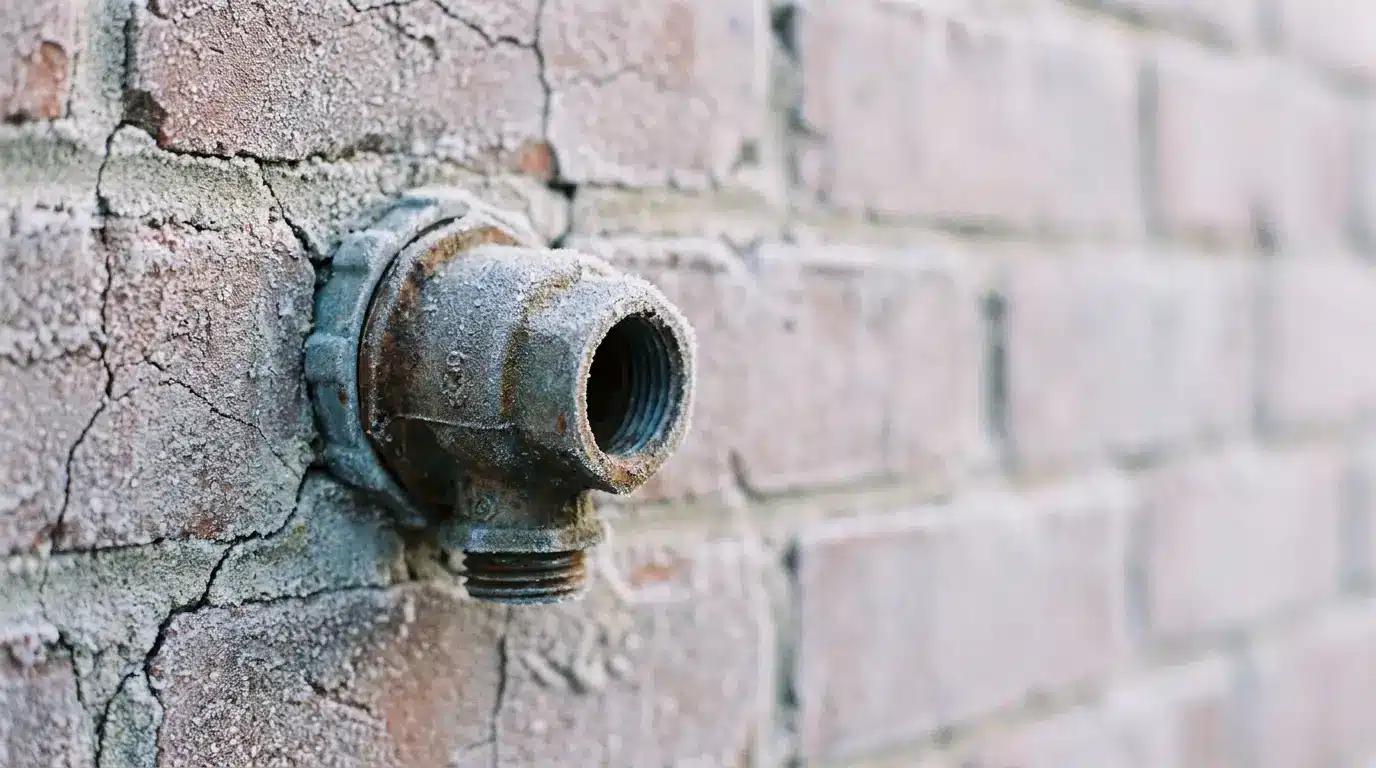
Canberra’s distinct seasonal extremes, from summer heatwaves to frosty winter mornings, can place additional strain on electrical systems, particularly older wiring and outdoor fittings. Extreme heat can cause certain components to expand and contract, potentially loosening connections over time, while moisture from winter frost can occasionally find its way into poorly sealed outdoor fittings. Being aware of these seasonal patterns can help homeowners understand why certain electrical issues seem to appear more frequently during particular times of year, and reinforces the value of a periodic professional check-up rather than assuming a system that’s worked fine for years will continue to do so indefinitely.
Simple DIY Checks Homeowners Can Safely Perform
While most electrical diagnosis should be left to professionals, homeowners can safely perform a few basic checks, such as noting which circuit breaker corresponds to which area of the home, and keeping an eye out for any visible damage to accessible power points or switches. These simple observations can provide valuable information to your electrician when describing an issue over the phone.
The Importance of Clear Communication With Your Electrician
When describing an electrical issue over the phone, providing as much detail as possible, including when the problem occurs, which specific circuits or appliances are affected, and any recent changes to your home’s electrical setup, helps your electrician arrive better prepared and often speeds up the overall diagnosis and repair process.
The Value of an Annual Electrical Safety Check
Beyond reacting to specific warning signs, many Canberra homeowners now schedule a simple annual electrical safety check as a matter of routine. This proactive check often catches minor issues, such as a slightly loose connection, well before they progress to any of the more serious warning signs outlined above.
Final Thoughts
None of these warning signs should be ignored or explained away. Electrical issues rarely improve on their own, and what starts as a minor annoyance can quickly develop into a genuine safety hazard if left unaddressed.
If you’ve noticed any of these signs in your Canberra home, engaging a licensed electrician promptly for a thorough inspection is always the safest and smartest course of action.