

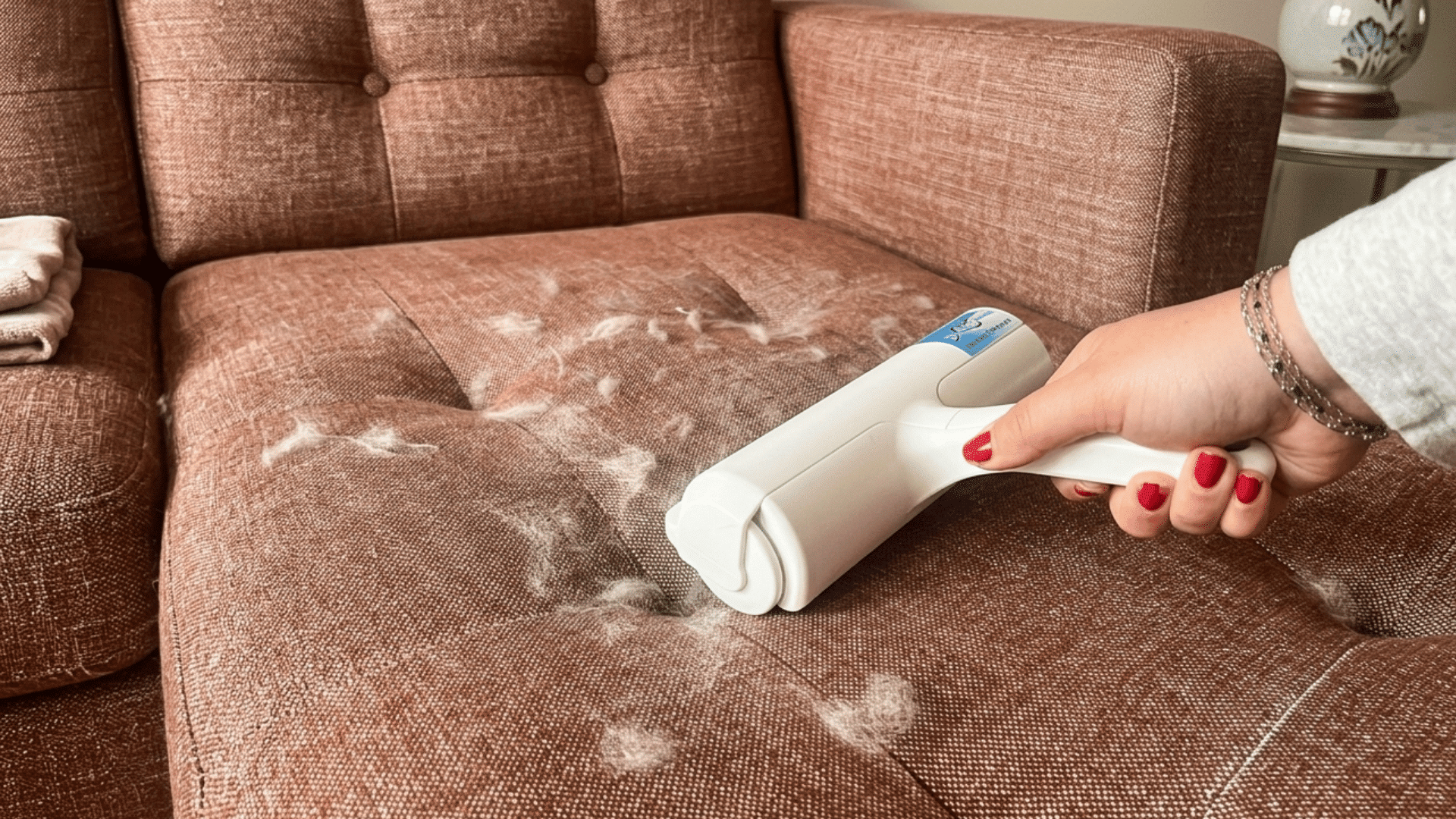
Every dog owner knows how fast pet hair can take over a couch. One minute the furniture looks clean, and the next minute it is covered in fur again.
Dog hair easily sticks to soft fabrics, and regular cleaning often misses hair trapped in cushions, corners, and thick upholstery.
Many pet owners also struggle with hair sticking to clothes, blankets, and other furniture around the house.
That is why homemade cleaning methods have become so popular.
Simple items like rubber gloves, baking soda, microfiber cloths, and vinegar can remove pet hair without expensive tools.
In this blog, you will find easy ways to clean dog hair from couches, furniture materials that attract the most fur, tips to reduce future buildup, and reasons why pets shed too much hair indoors.
Quick Answer: How Do You Remove Dog Hair from a Couch?
Dog hair can be removed from couches using simple household items like rubber gloves, damp microfiber cloths, baking soda, squeegees, DIY fabric sprays, and packing tape.
For quick cleanups, a lint roller or a strip of packing tape can easily pick up hair from cushions, armrests, and other high-use areas.
To reduce future buildup, brush your dog regularly, vacuum the couch often, and use washable couch covers.
These simple habits help keep furniture cleaner and make pet hair easier to manage.
How to Remove Pet Hair from Couch?
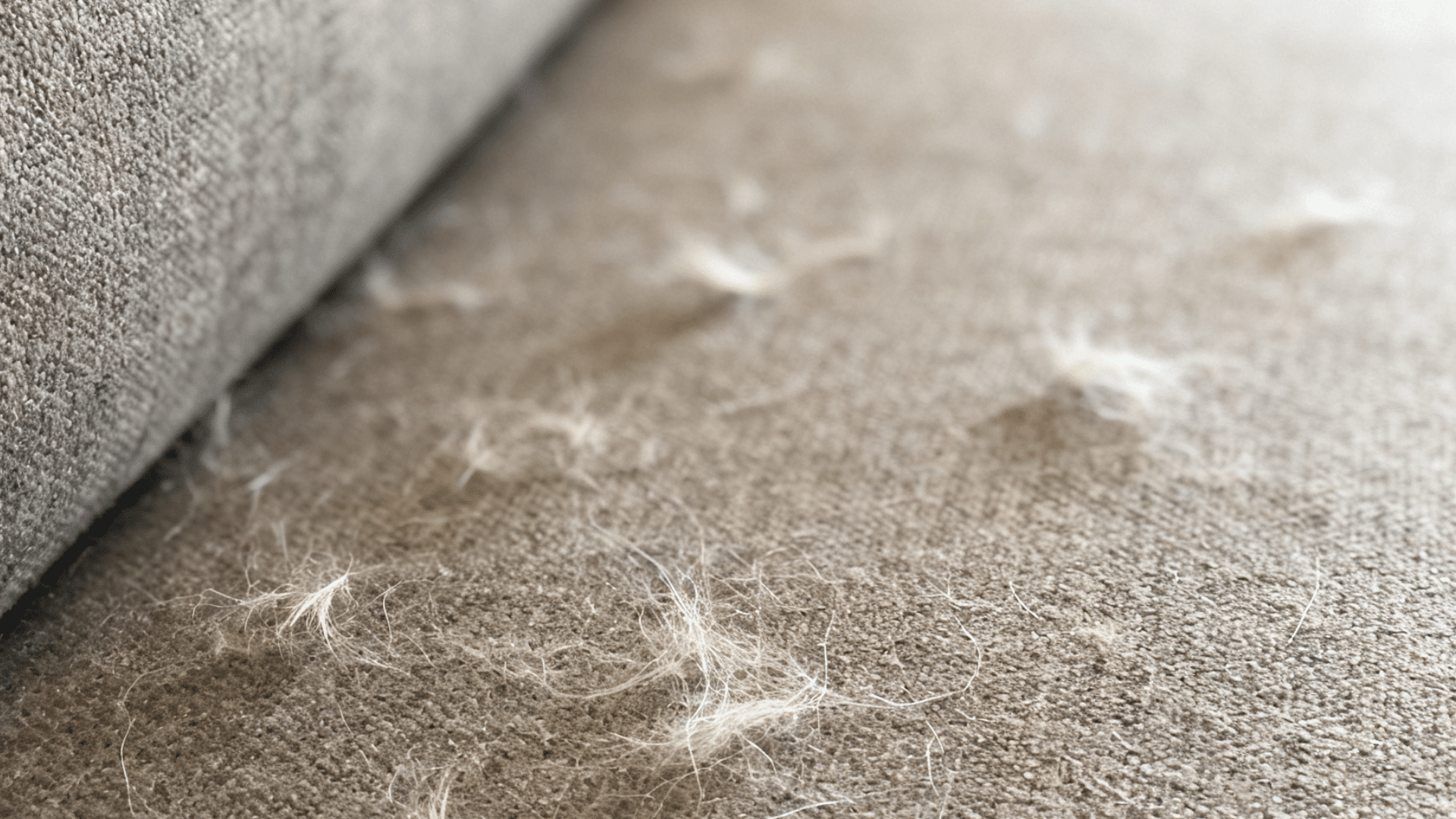
These simple homemade remedies can help remove stubborn pet hair quickly without damaging your couch.
1. Use Rubber Gloves for Quick Hair Removal
Rubber gloves can quickly pull stubborn dog hair from soft couch fabric without using expensive tools.
- How to use rubber gloves: Wear a pair of clean rubber gloves and lightly dampen them with water. Rub your hands across the couch in one direction using gentle pressure.
- Best couch materials for this method: This method works best on microfiber, velvet, suede, and other soft fabric couches where dog hair sticks deeply into the surface. It also works well on cushions and fabric armrests.
- Extra tip: Use your fingertips while wearing the gloves to clean seams, edges, and corners where fur usually gets trapped.
2. Try a Damp Sponge or Microfiber Cloth
A damp sponge or microfiber cloth can quickly pick up loose dog hair from couches and cushions.
- How to use: Lightly dampen a sponge or microfiber cloth with water and wipe the couch in one direction using gentle pressure. The moisture helps collect loose fur into small clumps instead of spreading it around the fabric.
- Best couch materials: This method works best on cotton, microfiber, linen, and other soft fabric couches where pet hair sits on the surface. It is also useful for cushions, pillows, and fabric armrests.
- Extra tips: Avoid using too much water because soaking the fabric can leave marks or damage the couch material.
3. Use Baking Soda Before Vacuuming
Baking soda can help loosen trapped dog hair while also reducing pet odors on couches and cushions.
- How to use: Lightly sprinkle baking soda over the couch and leave it for about 10 to 15 minutes. This helps loosen pet hair stuck deep in the fabric. After that, vacuum the couch slowly to remove the fur.
- Best vacuum attachments: Use a brush attachment for better cleaning on couches, cushions, and armrests.
- Extra tips: Avoid using too much baking soda on delicate fabrics like siilk. Always test a small hidden area first to make sure the couch material does not react or leave white residue behind.
4. Remove Hair with a Squeegee
A rubber squeegee can quickly pull stubborn dog hair from couches and other soft furniture surfaces.
- How to use: Hold the squeegee at a slight angle and drag it slowly across the couch fabric in one direction. The rubber edge pulls trapped pet hair together into visible clumps that are easy to collect.
- Best couch materials: This method works best on microfiber, velvet, suede, and thick fabric couches where dog hair gets deeply stuck. It also works well on rugs, cushions, and fabric car seats.
- Extra tips: Keep a trash bag or vacuum nearby to remove the gathered hair right away before it spreads again.
5. Make a DIY Fabric Spray
A simple homemade fabric spray can help loosen stubborn dog hair before cleaning the couch.
- How to use: Mix equal parts water and white vinegar or add a small amount of fabric softener to water in a spray bottle. Lightly spray the couch surface without soaking it.
- Best couch materials: This method works best on microfiber, cotton, linen, and other durable fabric couches. It is also useful for cushions, pillows, and fabric-covered chairs with stuck pet fur.
- Extra tips: Always spray lightly because too much liquid can leave marks or residue on the fabric. Test the mixture on a small hidden area first to make sure the couch material does not stain or fade.
6. Use Packing Tape for Quick Cleaning
Packing tape is a simple way to remove dog hair from small couch areas and fabric surfaces. Packing tape helped me clean corners faster than vacuuming.
- How to use: Wrap a piece of packing tape around your hand with the sticky side facing outward. Press it firmly onto the couch and lift it slowly to pull away pet hair. Repeat until the surface looks clean.
- Best areas for this method: Packing tape works best on cushions, armrests, corners, and other small spots where dog hair gets deeply stuck and hard to remove with a vacuum.
- Extra tip: Use fresh tape once the sticky side fills with fur because old tape loses grip quickly. Short strips are also easier to control while cleaning tight spaces and seams.
Common Mistakes that Make Dog Hair Harder to Remove
A few common habits actually make the problem worse. Knowing what not to do can save time and prevent damage to your upholstery.
- Over-wetting the fabric: Too much moisture pushes hair deeper into couch fibers instead of lifting it out. A light damp touch is enough.
- Skipping surface prep: Leaving cushion covers, throws, and pillows in place traps fur underneath and blocks deeper cleaning. Remove them first.
- Using the wrong vacuum attachment: Standard vacuum heads scatter hair sideways. Always use a pet brush or upholstery attachment.
- Ignoring fabric type: Abrasive tools like pumice stones can damage velvet and suede. Match your cleaning tool to your fabric.
- Relying only on lint rollers: Lint rollers pick up surface hair well but cannot reach fur embedded deep in thick upholstery. Use them for touch-ups, not deep cleaning.
I have seen clients ruin velvet cushions by scrubbing too hard with a dry brush. A gentler approach almost always gets better results on soft fabrics.
Furniture Materials that Trap Dog Hair
Some furniture materials attract and hold dog hair much more than others. Soft and fuzzy surfaces make it easier for fur to stick deep into the fabric, especially in homes with heavy-shedding pets.
| Furniture Material | Why It Traps Dog Hair | Cleaning Difficulty |
|---|---|---|
| Velvet Couches | Soft fibers grab and hold fur deep inside the fabric | Hard |
| Microfiber Couches | Static and tight fibers make pet hair stick quickly | Hard |
| Wool Fabrics | Thick texture traps fur, dust, and pet dander easily | Hard |
| Fuzzy Surfaces | Hair clings to fluffy materials and settles deep inside | Hard |
| Textured Upholstery | Rough surfaces and seams collect loose hair over time | Medium to Hard |
| Dark-Colored Furniture | Fur becomes highly visible on dark surfaces | Medium |
| Synthetic Fabrics With Static | Static electricity pulls and holds loose pet hair | Medium |
How to Prevent Future Dog Hair Buildup?
Regular cleaning and a few simple habits can help reduce dog hair buildup and keep furniture easier to maintain. Below are the few ways to prevent it:
1. Groom Your Dog Regularly
Regular grooming is one of the best ways to reduce dog hair buildup on furniture. Brushing removes loose fur before it spreads around the house and sticks to couches or carpets.
Most dogs benefit from brushing at least two to three times a week, while heavy-shedding breeds may need daily brushing.
Regular bathing also helps remove dead hair and keeps the coat cleaner.
Using the right brush for your dog’s fur type can make grooming more effective and lower indoor shedding over time.
2. Use Washable Couch Covers
Washable couch covers help protect furniture from dog hair, dirt, and pet odors. They create a barrier that keeps fur from getting trapped deep inside the couch fabric.
Covers are easy to remove and wash, which makes regular cleaning much faster for pet owners.
Cotton and tightly woven fabrics usually work best because they attract less hair than fuzzy materials.
Choosing couch covers in colors close to your pet’s fur can also help hide loose hair between cleanings and keep furniture looking cleaner longer.
3. Vacuum Furniture Frequently
Vacuuming furniture often helps stop dog hair from building up deep inside couch fabric.
Most pet owners should vacuum couches and cushions at least two to three times a week during heavy shedding seasons.
Upholstery brushes and pet hair attachments work best for lifting trapped fur from soft surfaces. Quick daily habits like vacuuming cushions, armrests, and corners can prevent hair from spreading around the house.
Regular cleaning also helps reduce dust, dander, and pet smells trapped inside furniture fabric.
4. Use Anti-Static Spray
Static electricity is one of the main reasons dog hair clings so stubbornly to upholstery. A light mist of anti-static spray on your couch before your dog settles in can reduce that charge significantly.
You can buy fabric-safe anti-static sprays at most home stores, or lightly mist the couch with a diluted fabric softener and water solution.
This works especially well on synthetic fabrics and microfiber, where static buildup tends to be the worst.
Reapply every few days during dry winter months when static is at its peak.
Reasons Why Your Dog Is Shedding Too Much?
As a fellow pet owner myself, excessive shedding has often been noticed during season changes, stress, poor nutrition, or hidden health issues.
| Reason for Excessive Shedding | What Happens | Signs to Watch For | What May Help |
|---|---|---|---|
| Seasonal Shedding | Dogs shed more during spring and fall coat changes. | Extra fur around the home. | Brush your dog regularly. |
| Poor Diet | Weak nutrition can cause dry skin and hair loss. | Dull coat and flaky skin. | Feed healthy, balanced food. |
| Stress or Anxiety | Stress may trigger temporary shedding. | Nervous behavior and licking. | Keep a calm routine. |
| Skin Allergies | Allergies can irritate the skin and coat. | Itching, redness, and scratching. | Use vet-approved treatments. |
| Fleas and Ticks | Parasites can increase scratching and fur loss. | Biting skin and visible fleas. | Use flea and tick prevention. |
Conclusion
Dog hair on couches can feel never-ending. Simple homemade remedies like rubber gloves, damp microfiber cloths, baking soda, packing tape, and fabric sprays can make cleaning much easier.
Regular grooming, vacuuming, and washable couch covers help prevent fur from building up in furniture fabric.
Prevention usually saves more time than constantly cleaning large amounts of loose hair every day.
Every couch fabric reacts differently. Trying a few simple methods can help find what works best without spending extra money.
With regular maintenance and the right cleaning habits, keeping couches cleaner and more comfortable for both pets and owners becomes much more manageable.
Frequently Asked Questions
How to Remove Dog Hair from Clothes?
Use a dryer sheet cycle before washing clothes. Add vinegar during the rinse cycle and clean the lint filter after every load.
Does Vinegar Help Remove Dog Hair?
Yes, vinegar helps reduce static cling that makes pet hair stick to fabric. It works best in washing machines and on washable fabrics.
Is There a Detergent that Removes Pet Hair?
Some pet hair detergents help loosen fur during washing, but dryer sheets and vinegar usually work better for removing stuck hair.
What Material Attracts the Least Dog Hair?
Leather, faux leather, tightly woven fabrics, and smooth synthetic materials attract less dog hair and are much easier to clean.