

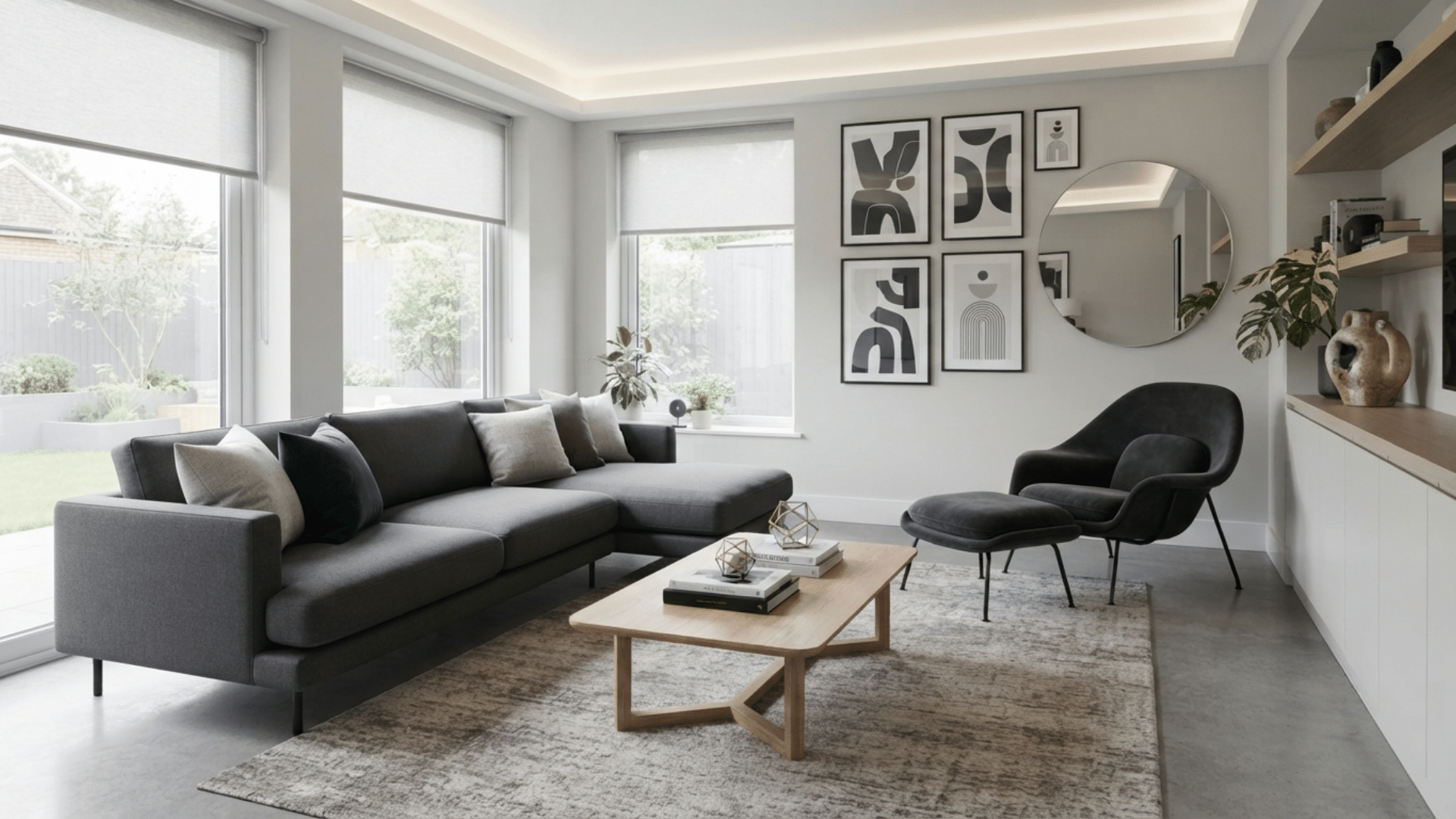
A few smart design changes can make your home feel more comfortable without turning the whole place upside down.
The right ideas often come from careful planning, not a bigger budget. If you’re curious about DrHomey interior design, this article explains its design services, practical ideas, and fresh ways to plan each room.
You will also see simple tips for furniture placement, lighting, storage, color selection, and space planning, as well as common decorating mistakes to avoid.
By the end, you will know how to create a stylish, functional home that suits your lifestyle.
An Overview of DrHomey Interior Design
DrHomey interior design is a home design service that focuses on making living spaces more comfortable, practical, and visually balanced.
The idea is to create rooms that fit your daily routine rather than following short-term trends.
Every design starts by looking at how a space is used, then selecting layouts, colors, furniture, lighting, and storage that fit the home’s size and style.
The goal is to make each room easier to use while maintaining a clean, welcoming appearance.
Whether you are updating a single room or planning a full home makeover, the same approach applies.
Careful planning and thoughtful design choices help improve both the look and function of your home, making everyday living more enjoyable without adding unnecessary clutter.
DrHomey Interior Design Tips
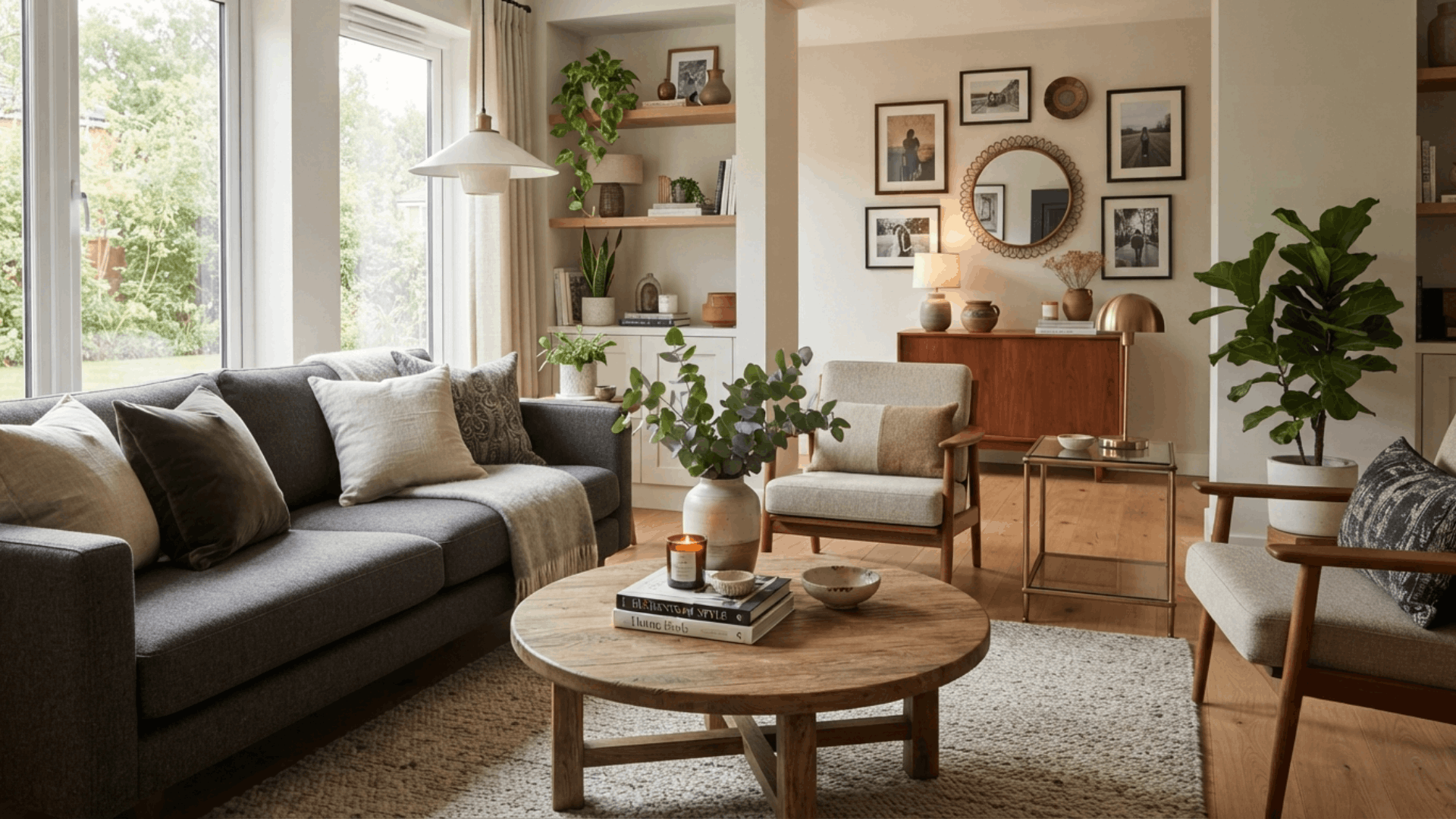
These practical DrHomey interior design tips can help you create comfortable, organized, and attractive spaces that suit your everyday lifestyle.
1. Start with a Clear Design Plan
Every successful home project begins with a plan. Before buying furniture or choosing paint colors, think about how you use each room every day.
List your needs, measure the available space, and decide what should stay and what should be replaced.
This helps you avoid purchases that do not fit your home or your lifestyle.
A simple room layout on paper can also make decisions easier. When each choice has a purpose, the finished space feels organized, comfortable, and easier to enjoy.
2. Make the Most of Natural Light
Natural light can make any room feel brighter and more open. Keep large windows clear by using light curtains or blinds that let sunlight in during the day.
Place mirrors where they can reflect daylight into darker areas. Choose light-colored walls and furniture if a room receives limited sunlight.
Even small changes can improve how a space looks without adding extra lighting. A brighter room also feels more welcoming and comfortable for everyday living.
3. Choose Colors that Work Together
A balanced color palette helps every room feel connected. Start with one main color, then add one or two supporting shades for furniture, rugs, or décor.
Neutral colors work well as a base because they are easy to pair with different styles.
If you enjoy bold colors, use them in smaller items such as cushions, artwork, or accent chairs.
Keeping the color scheme consistent throughout your home creates a neat appearance without making rooms feel identical.
4. Pick Furniture that Fits the Room
Furniture should match the size and shape of your room. Oversized pieces can make small spaces feel crowded, while furniture that is too small may leave a room looking unfinished.
Measure the area before shopping and leave enough space for people to walk comfortably.
Multi-purpose furniture, such as storage benches or extendable tables, is also useful when space is limited. A good fit improves both comfort and the overall appearance of your home.
5. Create a Comfortable Room Layout
The way furniture is arranged affects how a room functions every day. Leave clear walking paths between major pieces and place seating where conversations feel natural.
Avoid pushing every item against the walls unless the room is very small. Group furniture according to its purpose, such as reading, dining, or relaxing.
A thoughtful layout makes the room easier to use and helps every area feel connected without adding unnecessary items.
6. Add Smart Storage Solutions
Storage helps keep your home tidy without taking away from its appearance. Look for furniture with hidden storage, floating shelves, or built-in cabinets that make use of empty wall space.
Decorative baskets and storage boxes can also help organize everyday items while keeping them easy to reach.
When everything has a designated place, rooms stay cleaner and feel more spacious. Good storage also makes daily cleaning quicker and less stressful.
7. Use Different Types of Lighting
Lighting should support different activities throughout the day. Ceiling lights provide general brightness, while table lamps, floor lamps, and wall lights add extra light where needed.
Kitchen counters, reading corners, and workspaces often benefit from focused lighting.
Warm lighting creates a comfortable setting in bedrooms and living rooms, while brighter light works well in areas where tasks require better visibility.
Using several light sources gives you more control over the mood and function of each room.
8. Mix Different Textures
A room feels more comfortable when it includes a variety of textures. Pair smooth surfaces with softer materials to create balance without making the space feel busy.
For example, a fabric sofa, wooden coffee table, woven rug, and linen curtains work well together.
Cushions and throws also add warmth without taking up extra room.
Keep the mix simple by repeating similar colors across different materials. This creates a finished look while allowing each piece to stand out in its own way.
9. Use Mirrors to Open Up Spaces
Mirrors are a simple way to make a room appear larger and brighter. Place a mirror opposite a window to reflect daylight and spread it throughout the space.
Large mirrors work well in narrow hallways, small bedrooms, and compact living rooms. Choose frames that match your home’s overall style so they blend naturally with the décor.
Avoid placing too many mirrors in one area, as they can make the room feel distracting instead of comfortable.
10. Define Spaces with Area Rugs
Area rugs help separate different parts of a room while adding comfort underfoot.
In open floor plans, they can mark the living, dining, or reading area without adding walls. Pick a rug large enough for the furniture, rather than one that looks too small.
Colors and patterns should match the rest of the room without drawing attention away from the main design.
A properly sized rug helps every section feel complete and well arranged.
11. Bring Nature Indoors
Indoor plants add color and freshness while making rooms feel more inviting. Choose plants that match the amount of natural light available in each space.
Low-maintenance options are suitable for busy households, while larger plants can fill empty corners without adding bulky furniture.
Decorative pots should match the room’s style and color palette.
Even if you prefer artificial plants, choosing realistic designs can give your home a pleasant appearance with minimal upkeep.
12. Keep Decorations Simple
Decorative items should add personality without making the room feel crowded. Choose a few meaningful pieces instead of filling every shelf or tabletop.
Artwork, books, candles, or family photos often create a warm atmosphere when arranged thoughtfully.
Leave some open space between decorative objects so each one remains noticeable.
This approach also makes cleaning easier and keeps the room from looking cluttered. A simple arrangement often feels more comfortable than one with too many accessories.
13. Add Personal Style
Your home should reflect your interests and daily life. Display travel souvenirs, artwork, family photographs, or handmade items that have personal meaning.
Mix these pieces with practical furniture instead of placing them all in one location. Keeping personal touches throughout the home creates a welcoming atmosphere without making rooms look crowded.
Small details often give a space more character than expensive decorations because they tell a story about the people who live there.
14. Make Better Use of Wall Space
Walls offer valuable space for both storage and decoration. Floating shelves, framed artwork, hooks, and wall-mounted cabinets help keep floors clear while adding visual interest.
In smaller rooms, vertical storage creates extra space without reducing movement. Arrange wall items at eye level and keep enough distance between them for a clean appearance.
Using wall space thoughtfully helps your home stay organized while giving each room a balanced and well-planned look.
15. Balance Modern and Classic Styles
A mix of modern and classic pieces can give your home a lasting look. Pair clean-lined furniture with traditional wood finishes, simple artwork, or timeless lighting fixtures.
Keep one style as the main focus and use the other as an accent to avoid a mismatched appearance.
Repeating similar colors or materials across both styles helps everything feel connected.
This combination allows your home to stay current while maintaining a warm, familiar feel that will work for many years.
16. Make Small Rooms Feel Larger
Small rooms can feel more open with a few thoughtful changes. Choose furniture with visible legs to create a lighter appearance, and avoid oversized pieces that fill the entire space.
Light wall colors and simple window treatments also help rooms appear brighter. Keep decorations to a minimum and leave open floor space wherever possible.
Furniture with built-in storage reduces clutter while giving you more room for everyday activities.
Small adjustments can make a noticeable difference without changing the room’s layout.
17. Refresh Your Entryway
Your entryway creates the first impression of your home, so it should be both attractive and practical. Add a small bench, wall hooks, or a narrow console table to keep daily items organized.
A mirror can brighten the area while making it feel larger.
Place a durable rug near the entrance to protect flooring and keep dirt from spreading inside. Good lighting also makes the space feel more welcoming.
A tidy entryway helps the rest of your home feel organized from the moment you walk in.
18. Update One Room at a Time
Trying to redesign your entire home at once can become expensive and difficult to manage. Working on one room at a time allows you to stay within your budget and make better decisions.
Finish one space before moving to the next so each room receives the attention it needs. You can also learn what works well and carry those ideas into later projects.
This steady approach keeps the process manageable while giving you time to enjoy each completed room.
19. Put Comfort First
A beautiful room should also feel comfortable to use every day. Choose furniture that supports daily activities rather than selecting pieces solely for their appearance.
Soft seating, practical storage, proper lighting, and enough space to move around all make a difference.
Think about how your family uses each room before making design decisions.
When comfort and function come first, your home becomes easier to live in while still reflecting your personal style. This simple idea is one of the most useful parts of good interior design.
Why Does DrHomey Interior Design Stand Out?
Every home has different needs, but a few design principles make a lasting difference. These qualities help create spaces that are comfortable, practical, and suited to everyday living.
- Personalized Design Plans: Every room is planned around your lifestyle, family needs, and available space. The result is a home that feels more comfortable and works better for your daily routine.
- Functional Space Planning: Furniture and layouts are arranged to improve movement and make better use of available space. This helps each room feel open, organized, and easy to use.
- Balanced Style Choices: Colors, materials, lighting, and décor are selected to create a coordinated look. Each element works together to give the room a welcoming and uncluttered appearance.
- Practical Storage Ideas: Built-in storage, multi-purpose furniture, and smart organization help reduce everyday clutter. This keeps rooms tidy while making cleaning and daily routines easier.
- Focus on Everyday Living: Every design decision supports how you use your home each day. Kitchens, bedrooms, living rooms, and workspaces are planned with comfort and convenience in mind.
- Flexible Design Options: The design approach can be adapted to suit modern, traditional, or mixed interior styles. This makes it easier to match your personal taste and home layout.
- Long-Lasting Design Value: The focus stays on quality, comfort, and usability rather than short-term decorating trends. This helps create spaces that remain practical and visually appealing for years.
Key Interior Design Principles by DrHomey
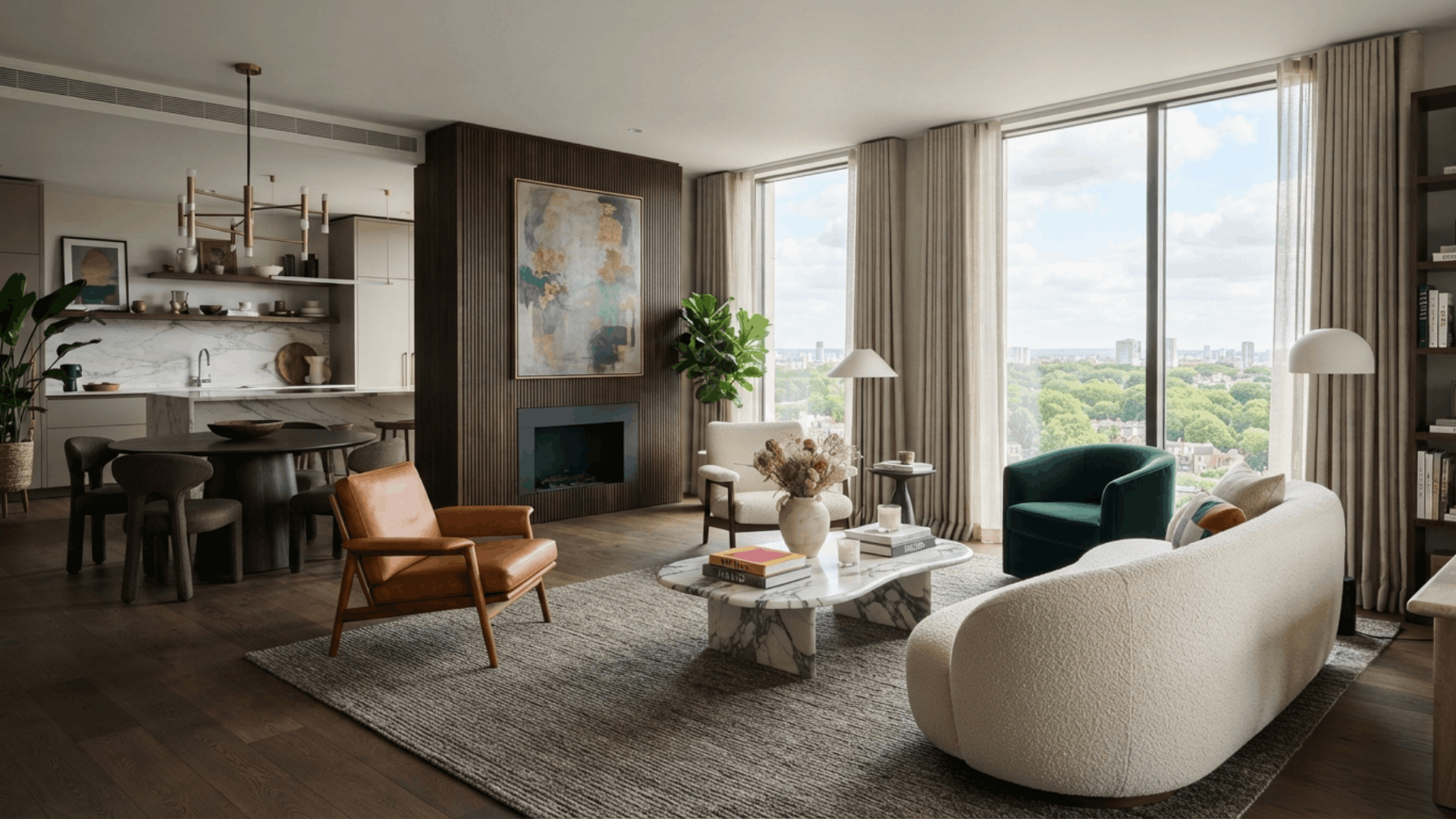
Good interior design is built on simple principles that improve both appearance and everyday living.
1. Follow the 60-30-10 Color Rule
A balanced color scheme helps every room feel connected. A common guideline is to use 60% as the main color, 30% as the secondary color, and 10% as an accent shade.
Neutral walls can set the base, while furniture and decor add secondary and accent colors.
This simple approach keeps rooms visually balanced while allowing decorative pieces to stand out without overwhelming the space.
2. Layer Your Lighting
A single ceiling light rarely provides enough illumination for every activity.
Combining ambient lighting for overall brightness, task lighting for reading or cooking, and accent lighting for artwork or shelves creates a more functional space.
Dimmer switches also allow you to adjust the lighting based on the time of day or occasion.
Using several light sources instead of relying on a single fixture helps every room feel comfortable and supports different daily activities.
3. Use the 3-5-7 Styling Rule
Decorative items often look better when arranged in odd numbers.
Groups of three, five, or seven objects naturally draw the eye and create a balanced display. You can apply this rule to shelves, coffee tables, console tables, or wall decor.
Mixing objects with different heights and shapes adds interest while keeping the arrangement organized.
This method helps decorative pieces feel intentional instead of randomly placed around the room.
4. Create Smart Drop Zones
Busy homes benefit from dedicated spaces where everyday items can be stored as soon as you walk in.
A small bench, hooks, storage baskets, or a console table near the entrance can hold shoes, keys, bags, and mail. These simple drop zones reduce clutter before it spreads to other rooms.
Keeping frequently used items in one convenient location also makes daily routines smoother while helping the rest of your home stay tidy.
5. Design Around Your Budget
A well-designed home does not always require a large investment.
Decide on your spending limit before making purchases and focus on improvements that offer the greatest benefit first.
You might repaint walls, update lighting, or replace outdated hardware before buying new furniture.
Working in stages also gives you time to compare products and make thoughtful decisions. Careful budgeting helps you create a polished home without spending more than necessary.
6. Repeat Materials Throughout the Home
Repeating the same materials or finishes in different rooms creates a sense of consistency.
For example, using similar wood finishes, metal hardware, or fabric colors across several spaces helps the home feel connected.
This does not mean every room should look identical, but repeating a few design elements ties everything together.
A consistent look also makes it easier to add new furniture or décor later without disrupting the overall style.
7. Leave Space for Easy Movement
A room should allow people to move comfortably without weaving around furniture.
Leave enough clearance between sofas, tables, and other large pieces to create clear walking paths. This is especially important in busy areas such as living rooms, kitchens, and entryways.
Planning for movement before placing furniture helps the room feel more open while making everyday activities easier for everyone in the household.
Tips on Cost-Effective and Energy-Saving Ideas
Simple changes can lower household expenses while making your home more comfortable. These practical ideas help reduce energy use without sacrificing style or functionality.
- Switch to LED Lighting: Replace traditional bulbs with LED lights, which use less electricity and last much longer. They also produce less heat, making them suitable for every room.
- Use Natural Daylight: Keep windows clear during the day and choose light curtains that allow sunlight inside. This reduces the need for artificial lighting for several hours.
- Choose Energy-Efficient Appliances: When replacing older appliances, look for energy-efficient models. They use less power over time and can help reduce monthly utility bills.
- Seal Doors and Windows: Close small gaps around doors and windows to prevent air leaks. Better insulation helps maintain indoor temperatures and reduces heating or cooling costs.
- Pick Light-Colored Walls: Lighter wall colors reflect natural and artificial light more effectively. Brighter rooms often require fewer lights during the daytime and early evening.
- Use Multi-Purpose Furniture: Furniture with built-in storage or multiple functions helps reduce the need for extra pieces. This saves money and keeps rooms open and organized.
- Install Smart Thermostats: Programmable thermostats adjust indoor temperatures based on your schedule. This helps avoid unnecessary energy use while keeping your home comfortable.
What Does DrHomey Interior Design Offer?
DrHomey interior design offers a range of services to make homes more functional, comfortable, and visually appealing.
| Service | What You Can Expect |
|---|---|
| Interior Design | Room planning, furniture selection, color coordination, lighting ideas, and layouts that improve both comfort and everyday use. |
| Home Decor Styling | Help with choosing decor, artwork, rugs, curtains, cushions, and accessories that match the overall look of your home. |
| Kitchen & Bath Design | Practical layouts, storage planning, cabinet selection, lighting, and finish recommendations for kitchens and bathrooms. |
| Small Space Optimization | Smart furniture placement, built-in storage ideas, and space-saving solutions that help smaller homes feel more open and organized. |
| DIY Home Guidance | Simple decorating ideas, home improvement suggestions, and step-by-step recommendations for homeowners who prefer to update their spaces themselves. |
Innovative Features of DrHomey Interior Design
DrHomey interior design combines practical planning with modern ideas to create homes that are easier to use and more enjoyable to live in.
- Personalized Design Planning: Every design is based on your home’s layout, daily routine, and personal preferences, creating spaces that feel practical and comfortable for everyday living.
- Smart Space Utilization: Every corner is planned with purpose through thoughtful furniture placement and storage ideas, helping homes feel more organized without adding unnecessary items.
- Functional and Stylish Layouts: Room layouts are designed to enhance flow while balancing furniture, décor, and open spaces for both comfort and aesthetics.
- Modern Technology Integration: Lighting controls, smart home devices, and energy-saving features can be included to make everyday living more convenient and efficient.
- Sustainable Material Choices: Eco-friendly materials, durable finishes, and energy-conscious design options help create attractive spaces while reducing long-term maintenance needs.
- Flexible Design Solutions: Whether you have a compact apartment or a spacious home, design ideas can be adjusted to suit different room sizes, budgets, and lifestyle requirements.
- Attention to Everyday Details: Careful selection of lighting, colors, textures, and storage solutions helps every room feel complete while supporting the way you use your home each day.
Is DrHomey Interior Design Right for You?
If you want a home that is both attractive and practical, DrHomey interior design may be a good fit.
| If You Want To… | How DrHomey Can Help |
|---|---|
| Refresh the look of your home | Provides design ideas that improve the appearance of rooms without making them feel overcrowded. |
| Make better use of available space | Uses practical layouts and storage solutions to help every room feel more organized. |
| Design a small apartment or home | Recommends space-saving furniture and layouts to enhance comfort in compact spaces. |
| Renovate a kitchen or bathroom | Offers planning ideas for layouts, storage, lighting, and finishes that suit everyday use. |
| Decorate with confidence | Helps with selecting colors, furniture, lighting, and décor that work well together. |
| Complete DIY home updates | Shares practical guidance and decorating ideas for homeowners handling projects on their own. |
| Create a home that fits your lifestyle | Focuses on room designs that support your daily routine while prioritizing comfort and functionality. |
Common Interior Design Mistakes
Small design mistakes can affect both the appearance and function of a room. Avoiding the following issues can help you create a space that feels comfortable, organized, and well-planned.
- Ignoring Room Measurements: Buying furniture without measuring the room can lead to crowded spaces or pieces that do not fit properly.
- Using Too Many Colors: Mixing several bold colors in a single room can make the space look cluttered. A simple color palette usually creates a more balanced appearance.
- Poor Lighting Choices: Relying on a single ceiling light often leaves dark corners. Combining different light sources makes the room more comfortable to use.
- Overcrowding the Space: Filling every corner with furniture or decorations reduces walking space and makes the room feel smaller than it is.
- Choosing Style Over Comfort: Attractive furniture should also be practical. Pieces that are uncomfortable or difficult to use may not suit everyday living.
- Forgetting About Storage: Without proper storage, everyday items quickly create clutter. Smart storage keeps rooms tidy while making better use of available space.
- Skipping a Design Plan: Starting a project without a clear plan can lead to unnecessary spending and design choices that do not work well together.
Conclusion
A well-designed home is built on thoughtful planning, practical choices, and attention to everyday needs.
The ideas covered in this article show how DrHomey interior design focuses on comfortable layouts, smart storage, balanced colors, appropriate lighting, and easy-to-use spaces.
Even small updates can make a noticeable difference when every choice has a clear purpose.
Whether you are refreshing one room or planning changes throughout your home, these tips can help you make better decisions.
Save this article for future reference, try the ideas that fit your space, and begin creating a home that feels more comfortable, organized, and enjoyable for you and your family.
Frequently Asked Questions
Who Is Considered the Best Interior Designer?
There is no single best interior designer because styles and client needs vary. The right designer is someone whose experience, design approach, and portfolio match your budget and vision.
What Color Makes a House Look Expensive?
Neutral colors like warm white, soft beige, greige, light gray, and muted taupe often make a house look more expensive by creating a clean, balanced, and polished appearance.
What Are the 7 Basics of Interior Design?
The seven basics of interior design are space, line, form, light, color, texture, and pattern. Together, they help create comfortable, balanced, and visually pleasing living spaces.
What Is the Number One Home Design Regret?
One of the most common home design regrets is choosing style over function. Poor layouts, limited storage, and uncomfortable furniture can reduce comfort and make everyday living less convenient.