

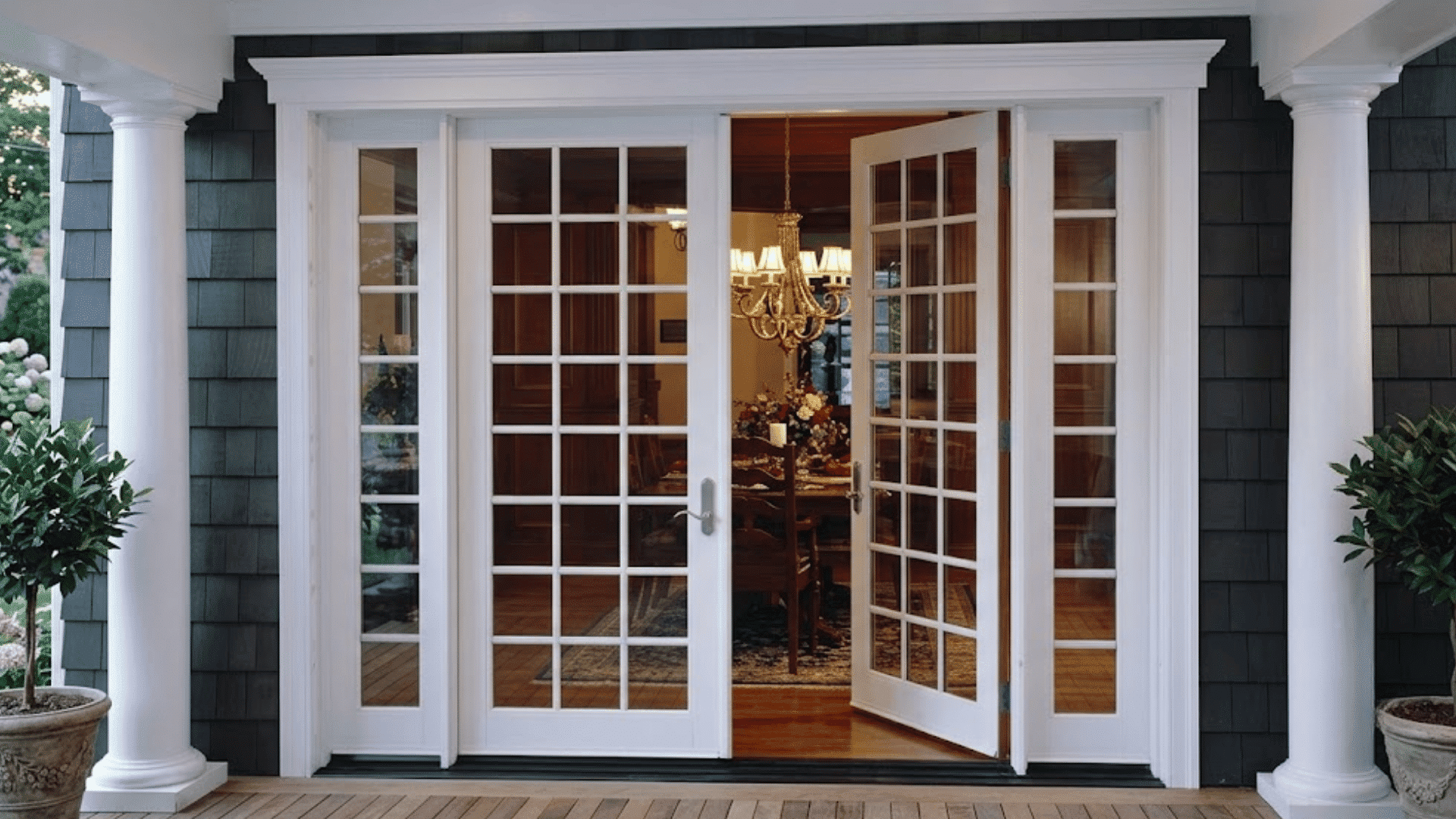
French doors have been a popular choice in homes for years, but many people still wonder what a French door is and what makes it different from other door styles.
Similar-looking door designs can be confusing, so this guide explains their purposes in simple terms.
You will learn what defines a French door, its main features, where it is commonly used, and how it compares with options like sliding and double doors.
I will also share the different types, materials, benefits, and key considerations to keep in mind when choosing one.
By the end, you will have a clear understanding of whether a French door is the right fit for your home.
Quick Answer: What Is a French Door?
A French door is a hinged door with large glass panels that let in natural light and create an open, elegant look.
It is commonly installed as a pair, but single French door designs are also available.
French doors are used for both interior and exterior spaces, such as patios, balconies, and room dividers.
Their combination of glass, symmetry, and wide openings makes them a popular choice for connecting spaces while maintaining a bright, stylish appearance.
Where Does the Name “French Door” Come From?
The term dates back to 17th-century France, when Renaissance ideas about light and proportion were reshaping European homes.
Large glazed openings, first built as tall windows that reached the floor, let people step directly onto a balcony or terrace rather than climb through a small opening.
Builders in England, and later the United States, adopted the style and kept the name as it spread.
Over time, the “French window” evolved into the door format recognized today: two glass-heavy panels, hinged at the sides, with a wider bottom rail than a typical solid door.
That history is also part of why French doors still read as a slightly more formal, classic option next to a standard sliding patio door.
Key Features of a French Door
The design of a French door combines function and style, making it easy to recognize in both traditional and modern homes.
- Large Glass Panels: Most of the door is made of glass panels, allowing natural light to enter while creating a brighter, more open living space.
- Hinged Operation: French doors swing open on hinges instead of sliding, providing a wide entryway and easy movement between connected spaces.
- Symmetrical Design: Traditional French doors feature two matching door panels that create a balanced, attractive appearance when open or closed.
- Wide Opening: Opening both doors creates a larger passage, making it easier to move furniture and improve indoor-outdoor accessibility.
- Decorative Grilles: Many French doors feature grilles that divide the glass into smaller sections, adding character without significantly reducing visibility.
- Multiple Material Options: French doors are available in wood, fiberglass, vinyl, aluminum, and steel to suit different budgets, climates, and design preferences.
- Interior and Exterior Use: They work well as patio entrances, balcony doors, or room dividers, offering flexibility for many residential applications.
Types of French Doors
French doors come in several styles to suit different layouts, design preferences, and functional needs.
1. Interior French Doors
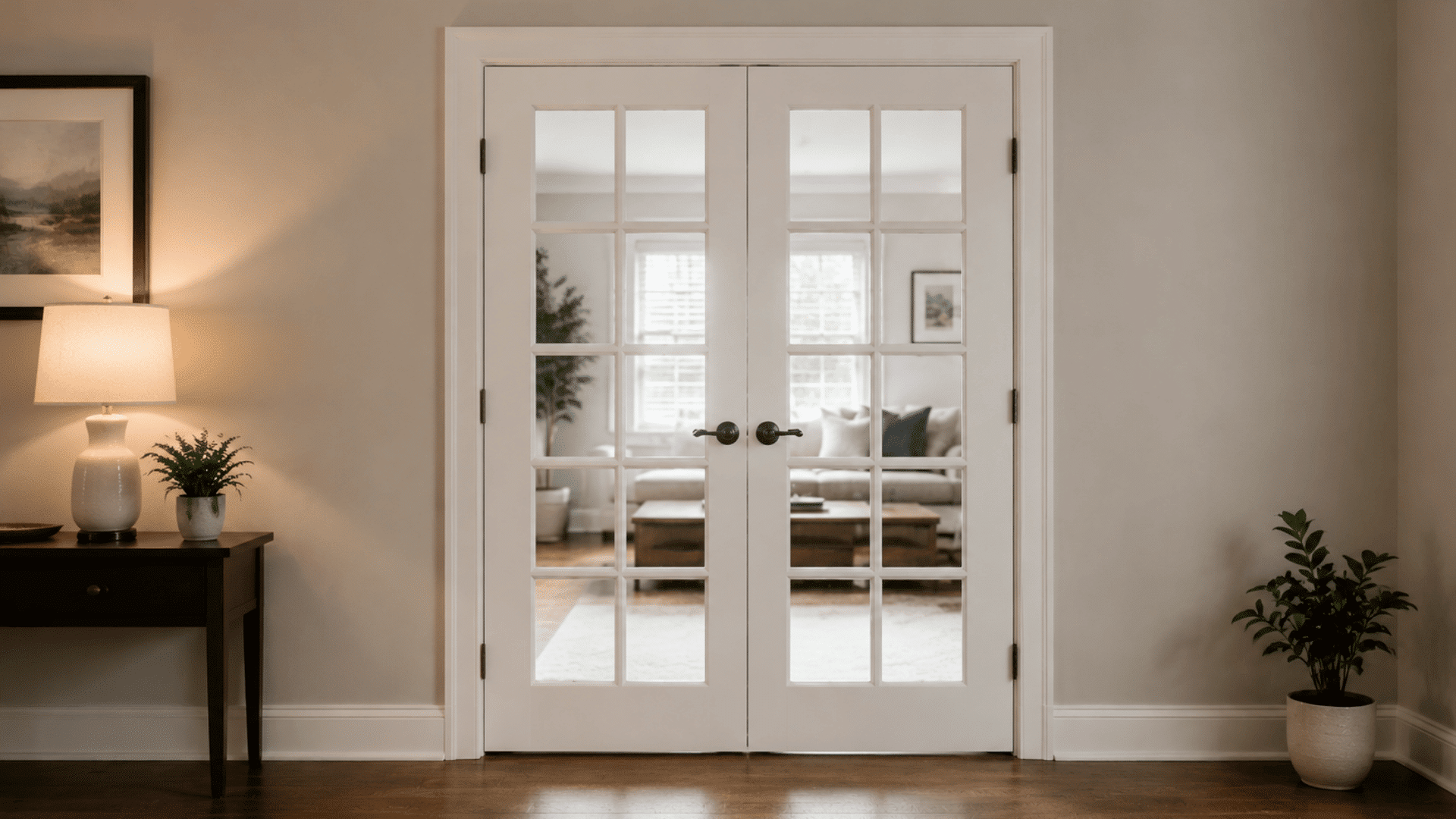
Interior French doors are designed to connect rooms while maintaining an open and airy feel.
They are commonly installed between living rooms, dining rooms, home offices, and sunrooms.
Their large glass panels allow natural light to flow from one room to another without removing the separation between spaces.
Frosted or textured glass is also available for areas where additional privacy is needed. These doors are often made from wood, fiberglass, or composite materials to complement different interior styles.
2. Exterior French Doors
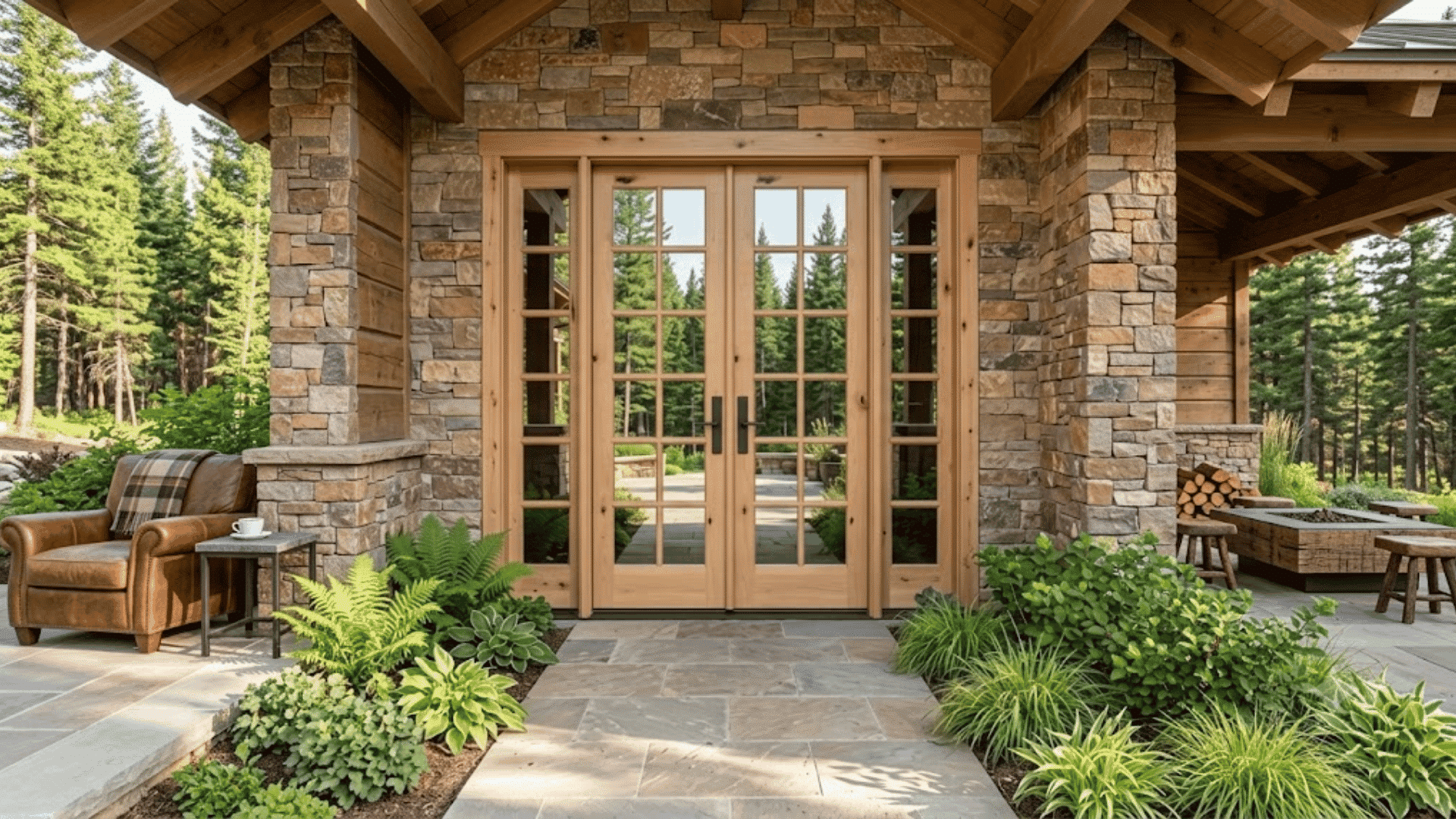
Exterior French doors are built to provide access to patios, decks, balconies, or gardens while offering durability against changing weather conditions.
Unlike interior models, they feature stronger frames, insulated glass, secure locking systems, and weatherstripping to improve energy efficiency and security.
Many homeowners choose exterior French doors because they maximize outdoor views and bring more daylight indoors.
Modern versions are available with impact-resistant or low-emissivity glass for better insulation and year-round performance.
3. Hinged French Doors
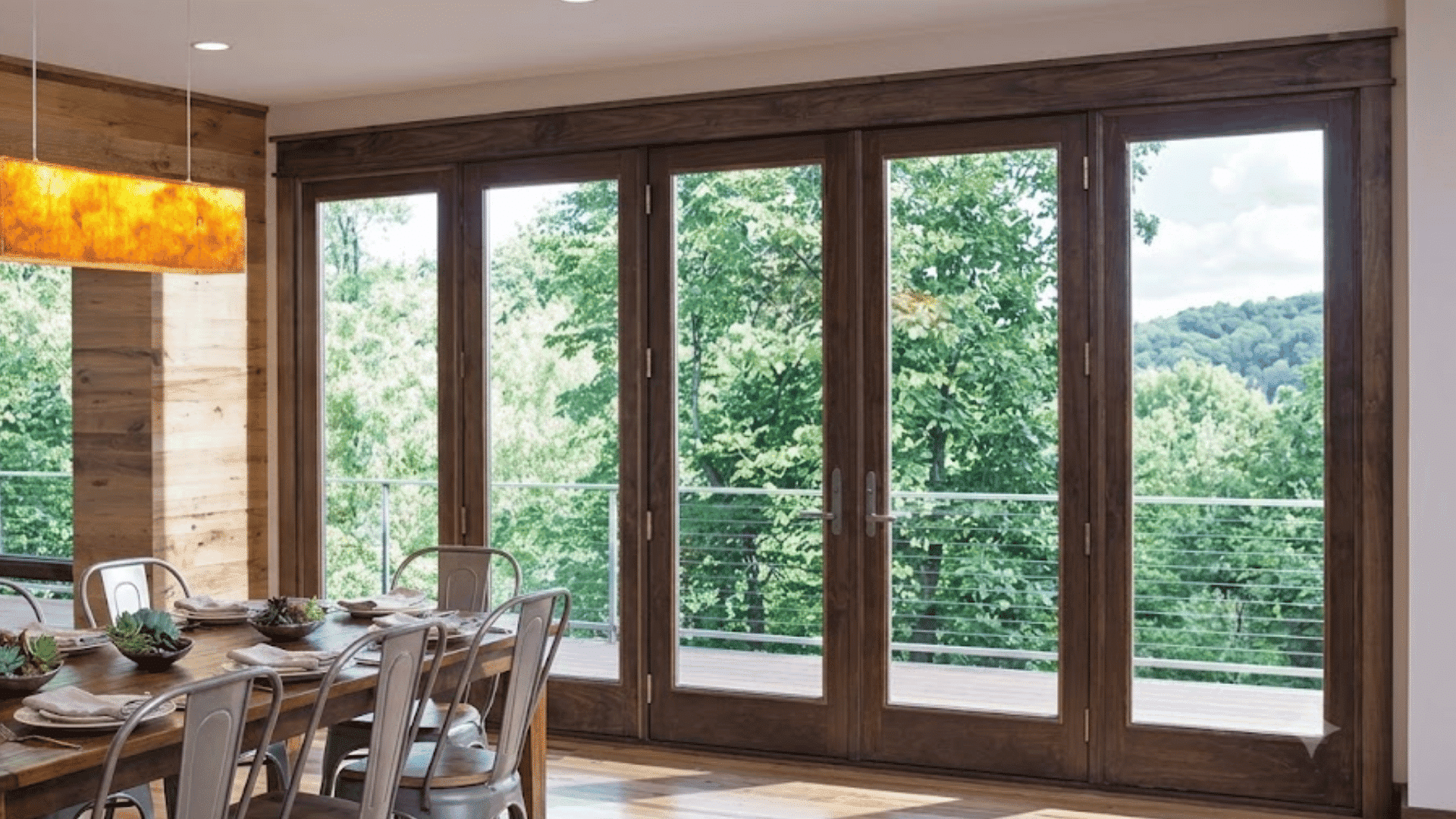
Hinged French doors are the traditional style most people recognize. They consist of two doors hinged to swing inward or outward from the center.
Usually, one door serves as the primary entry, while the second can be opened when a wider passage is needed.
This design works well for patios, large entryways, and interior transitions.
Since they require swing space, hinged French doors are best suited for rooms with enough clearance around the doorway.
4. Sliding French Doors
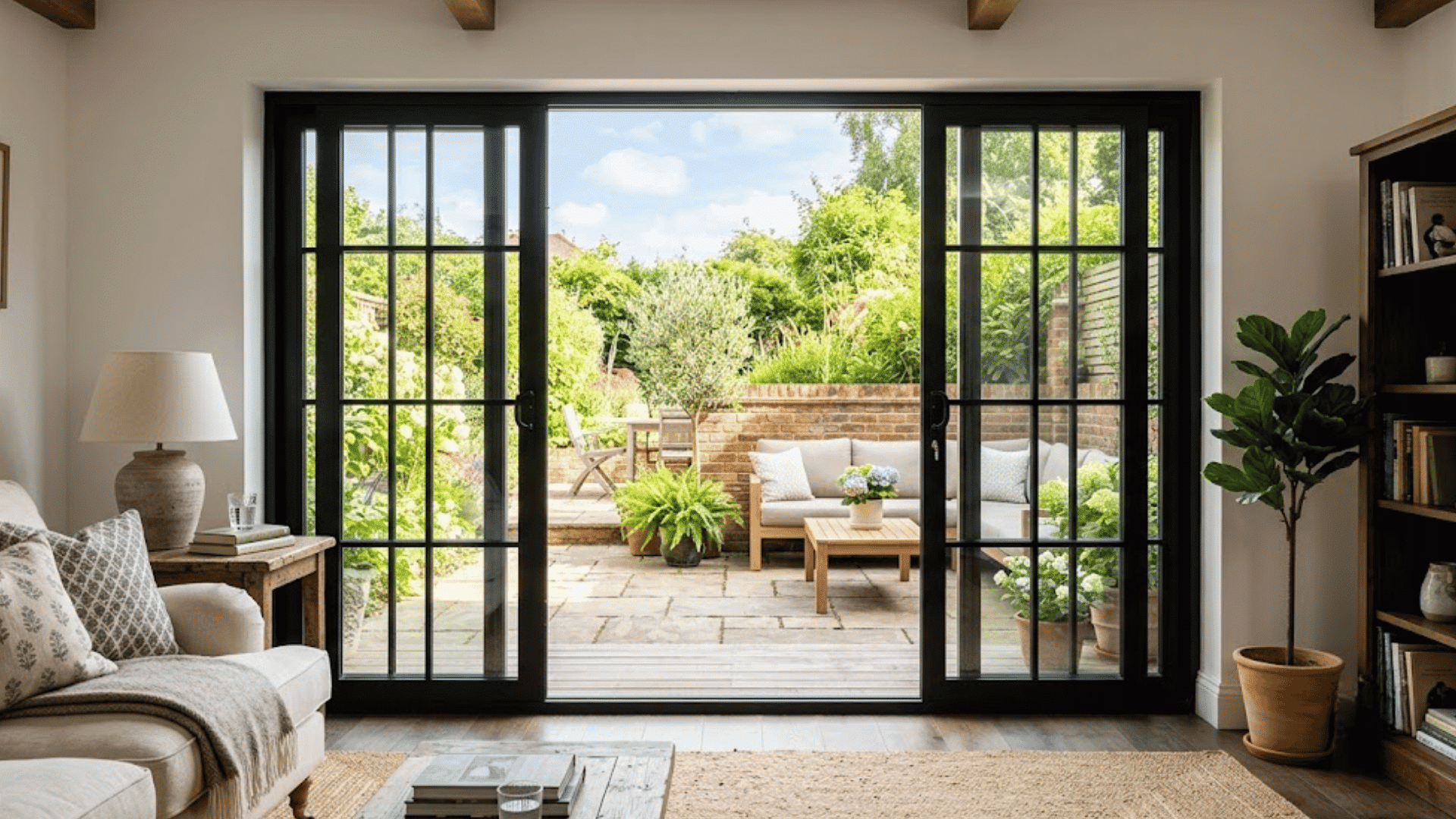
Sliding French doors combine the classic appearance of French doors with the convenience of a sliding mechanism.
Instead of swinging open, one or both panels glide along a track, making them ideal for smaller spaces where swing clearance is limited.
Decorative grilles give the glass panels the traditional French door look while saving floor space.
They are commonly installed in modern homes as patio doors because they provide wide outdoor views and easy everyday operation.
5. Single French Doors
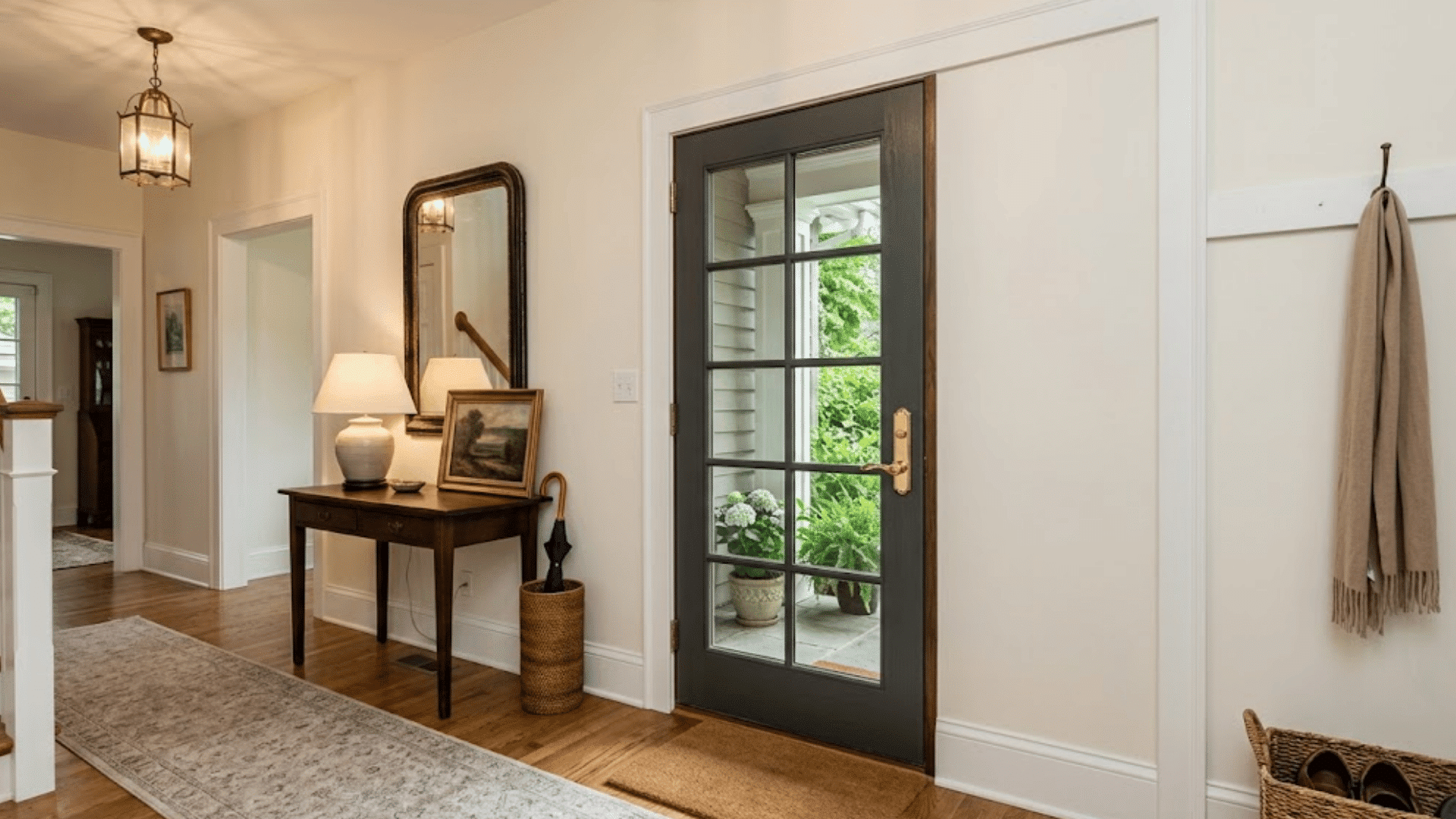
A single French door features one hinged door with multiple glass panels instead of a matching pair.
It is a practical option for narrower openings where double French doors would not fit comfortably.
Single French doors are often used for home offices, bedrooms, laundry rooms, and balconies.
They provide the same bright appearance and elegant design as traditional French doors while taking up less wall space and generally costing less to install.
6. French Patio Doors
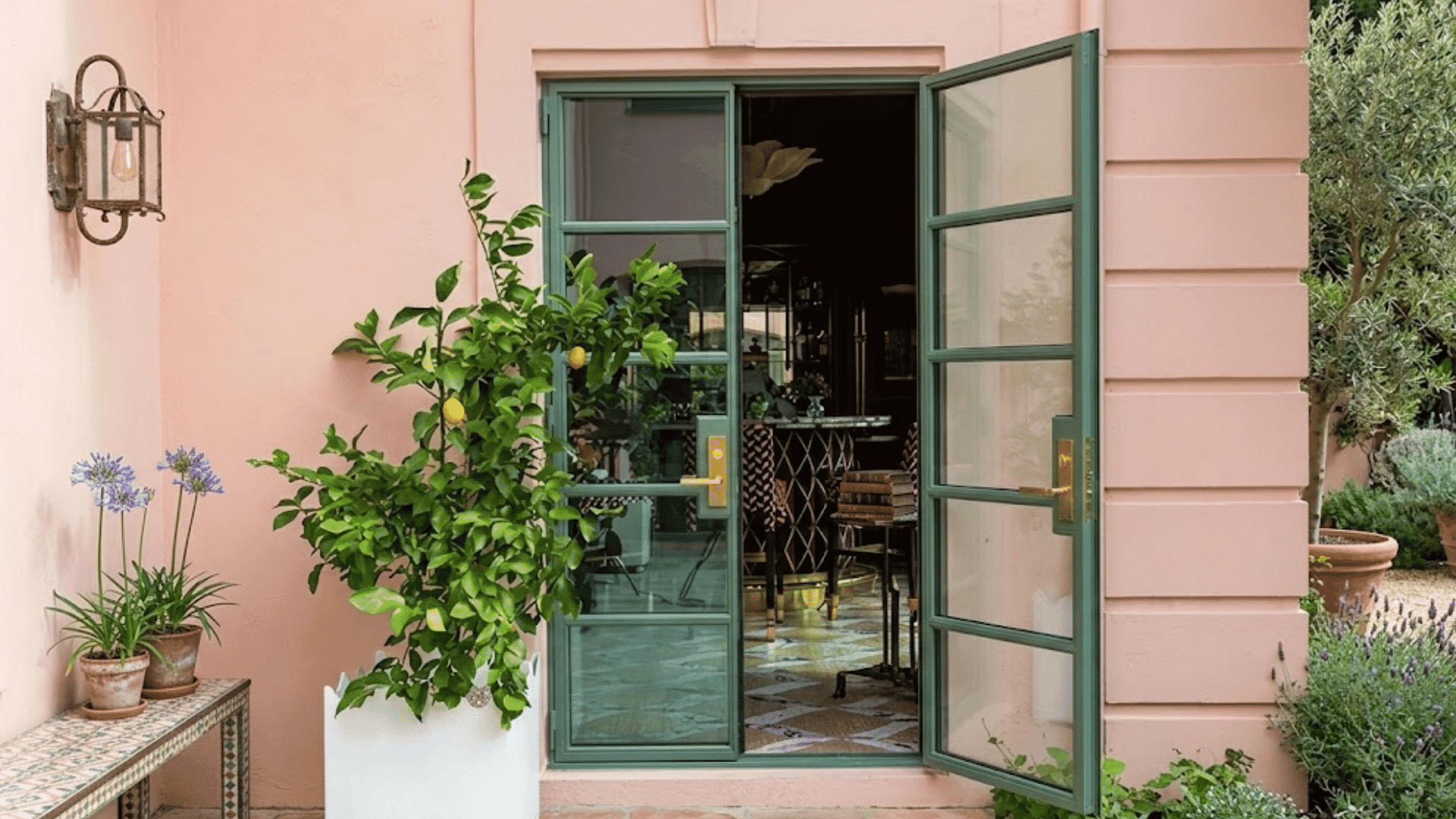
French patio doors are specifically designed to connect indoor living spaces with patios, decks, or backyards.
They typically feature large insulated glass panels that allow plenty of natural light while offering clear views of outdoor spaces.
Depending on the layout, they may be available in hinged or sliding designs.
Many models include multi-point locking systems, energy-efficient glass, and weather-resistant frames, making them suitable for daily use while helping maintain indoor comfort throughout the year.
Common Materials Used for French Doors
The material you choose affects a French door’s durability, maintenance needs, appearance, and overall energy efficiency.
| Material | Advantages | Best Suited For |
|---|---|---|
| Wood | Classic appearance, excellent insulation, and can be painted or stained | Traditional and custom homes |
| Fiberglass | Durable, low-maintenance, energy-efficient, and resistant to warping | Exterior doors in most climates |
| Vinyl | Affordable, energy-efficient, moisture-resistant | Budget-friendly residential projects |
| Aluminum | Strong, lightweight, slim frames, corrosion-resistant | Modern homes and large glass doors |
| Steel | High security, durable, low maintenance | Exterior entryways needing extra strength |
Where Are French Doors Commonly Used?
French doors are commonly used where homeowners want to connect spaces while allowing more natural light and wider access.
They are suitable for both interior and exterior applications in many home layouts.
One of the most common locations is between a living room and a patio or deck, creating an easy transition to outdoor spaces.
French doors suit balconies, gardens, and sunrooms by providing clear views and more natural light.
Inside the home, they are often installed between dining rooms, home offices, family rooms, and libraries to separate spaces without making them feel enclosed.
Some homeowners use them as classy bedroom entrances leading to a patio or private balcony.
They suit traditional and modern homes while creating a more open feel.
Benefits of Choosing a French Door
French doors offer a combination of functionality and visual appeal, making them a practical choice for many areas of the home.
- More Natural Light: Large glass panels let sunlight in freely, making rooms feel brighter, more welcoming, and visually larger throughout the day.
- Improved Ventilation: Opening both door panels encourages better airflow, helping fresh air circulate naturally between indoor and outdoor living spaces.
- Wide Entryway: Double-door designs create a spacious opening, making it easier to move furniture and comfortably accommodate everyday household activities.
- Enhanced Home Style: Their timeless design complements traditional, farmhouse, and modern homes, adding elegance without overwhelming the surrounding architecture or décor.
- Better Outdoor Views: Expansive glass panels provide clear views of patios, gardens, or landscapes while maintaining a strong visual connection with nature.
- Flexible Placement: French doors work well for patios, balconies, home offices, dining rooms, bedrooms, and interior room dividers in many home layouts.
- Potential Home Value Appeal: Attractive, well-installed French doors can enhance a home’s appearance, potentially increasing buyer interest at resale.
Are French Doors Energy Efficient?
Yes, French doors can be energy efficient when they are built with insulated glass, quality frames, and proper weather sealing.
Modern French doors often perform similarly to other energy-efficient exterior doors. Energy efficiency depends more on the door’s construction than its style.
Newer French doors often use insulated Low-E glass and argon gas to reduce heat transfer.
Tight weatherstripping and multi-point locking systems also help minimize drafts and air leaks. Frame materials such as fiberglass, vinyl, and insulated wood further improve thermal performance.
When shopping for exterior French doors, look for ENERGY STAR certified models that meet efficiency standards for your climate.
Proper professional installation is equally important, as even a high-quality door can lose efficiency if gaps around the frame allow air or moisture to enter.
French Door vs Sliding Door vs Double Door
Each door style offers different advantages depending on your home’s layout, available space, and design preferences.
| Feature | French Door | Sliding Door | Double Door |
|---|---|---|---|
| Opening Style | Hinges swing open | Panels slide on a track | Two solid hinged doors swing open |
| Glass Area | Large glass panels | Large glass panels | Usually, little or no glass |
| Natural Light | Excellent | Excellent | Limited unless glass is included |
| Space Needed | Requires swing clearance | No swing space needed | Requires swing clearance |
| Best Use | Patios, balconies, room dividers | Patios and compact spaces | Main entrances and grand entryways |
| Appearance | Classic and elegant | Modern and streamlined | Bold and formal |
| Ventilation | Good when both doors open | Good with one sliding panel | Depends on the door design |
How to Choose the Right French Door for Your Home?
Choose a French door based on where it will be installed, the available space, your home’s style, and the level of durability needed.
A well-matched door should balance appearance, functionality, security, and energy efficiency.
Start by deciding whether you need an interior or exterior French door, as exterior models require stronger frames and better weather protection.
Measure the opening carefully and ensure there is enough space for the doors to swing if selecting a hinged design.
Choose a frame material that suits your climate, maintenance preferences, and budget, such as fiberglass, wood, vinyl, or steel. Consider glass options that provide the right balance of natural light and privacy.
Choose insulated glass, weatherstripping, multi-point locks, and ENERGY STAR models for better comfort, security, and efficiency.
Things to Consider Before Installing a French Door
Planning ahead helps ensure your French door fits your space, meets your needs, and performs well for years.
- Available Space: Measure the opening and ensure enough clearance for the doors to swing freely without hitting furniture or nearby walls.
- Door Swing Direction: Choose an inward- or outward-opening direction based on room layout, outdoor space, and ease of daily use and accessibility.
- Energy Efficiency: Look for insulated glass, quality weatherstripping, and ENERGY STAR certified models to improve comfort and reduce energy loss year-round.
- Privacy Needs: Consider frosted, textured, or decorative glass if the door will be installed in bedrooms, bathrooms, or home offices.
- Security Features: Select doors with strong frames, multi-point locking systems, and durable glass for better protection against forced entry.
- Frame Material: Compare wood, fiberglass, vinyl, aluminum, and steel in terms of maintenance, durability, appearance, and local weather conditions.
- Maintenance Requirements: Some materials require regular painting or sealing, while others need only occasional cleaning to maintain their appearance and performance.
- Budget: Include the cost of the door, hardware, installation, and any structural changes needed before making a final decision.
How Much Do French Doors Cost?
The cost of French doors depends on the material, size, glass type, and whether you choose a standard or custom design.
| French Door Type | Average Door Cost | Typical Installed Cost |
|---|---|---|
| Vinyl | $300 to $1,200 | $800 to $2,500 |
| Wood | $600 to $3,500 | $1,200 to $5,000 |
| Fiberglass | $800 to $3,000 | $1,500 to $4,500 |
| Aluminum | $700 to $2,500 | $1,400 to $4,000 |
| Steel | $500 to $2,000 | $1,000 to $3,500 |
| Custom French Doors | $2,000 to $10,000+ | $3,000 to $15,000+ |
Note: Installation costs typically include labor, removing the old door, basic hardware, and finishing work. Structural modifications, custom glass, sidelights, or premium hardware can increase the final price.
Conclusion
French doors offer much more than an attractive appearance. They bring in natural light, create a stronger connection between spaces, and suit a wide range of home styles.
This guide explains what makes French doors unique, the types available, and what to consider before choosing one.
Taking time to compare materials, energy efficiency, and installation needs can make it easier to select a door that fits both your home and your lifestyle.
Every home has different requirements, so the right choice depends on your space and priorities.
If you are planning a renovation or simply learning about door styles, keeping these points in mind will help you make a confident decision.
Share your experience or questions in the comments below. Your thoughts may also help other readers.
Frequently Asked Questions
What Color Door Means Your House Is Paid Off?
No door color officially means a house is paid off. This is a popular myth with no connection to mortgages or property ownership.
What Are the Three Types of Doors?
Three common door types are hinged, sliding, and folding doors. Each serves different needs for space, access, and design.
What Are the Three Colors Not to Paint Your Front Door?
There are no universally banned colors, but neon shades, very dark colors in hot climates, and highly reflective finishes are often less practical.
What Is a Dutch Door?
A Dutch door is split horizontally into two separate sections, allowing the top and bottom halves to open independently or together.