

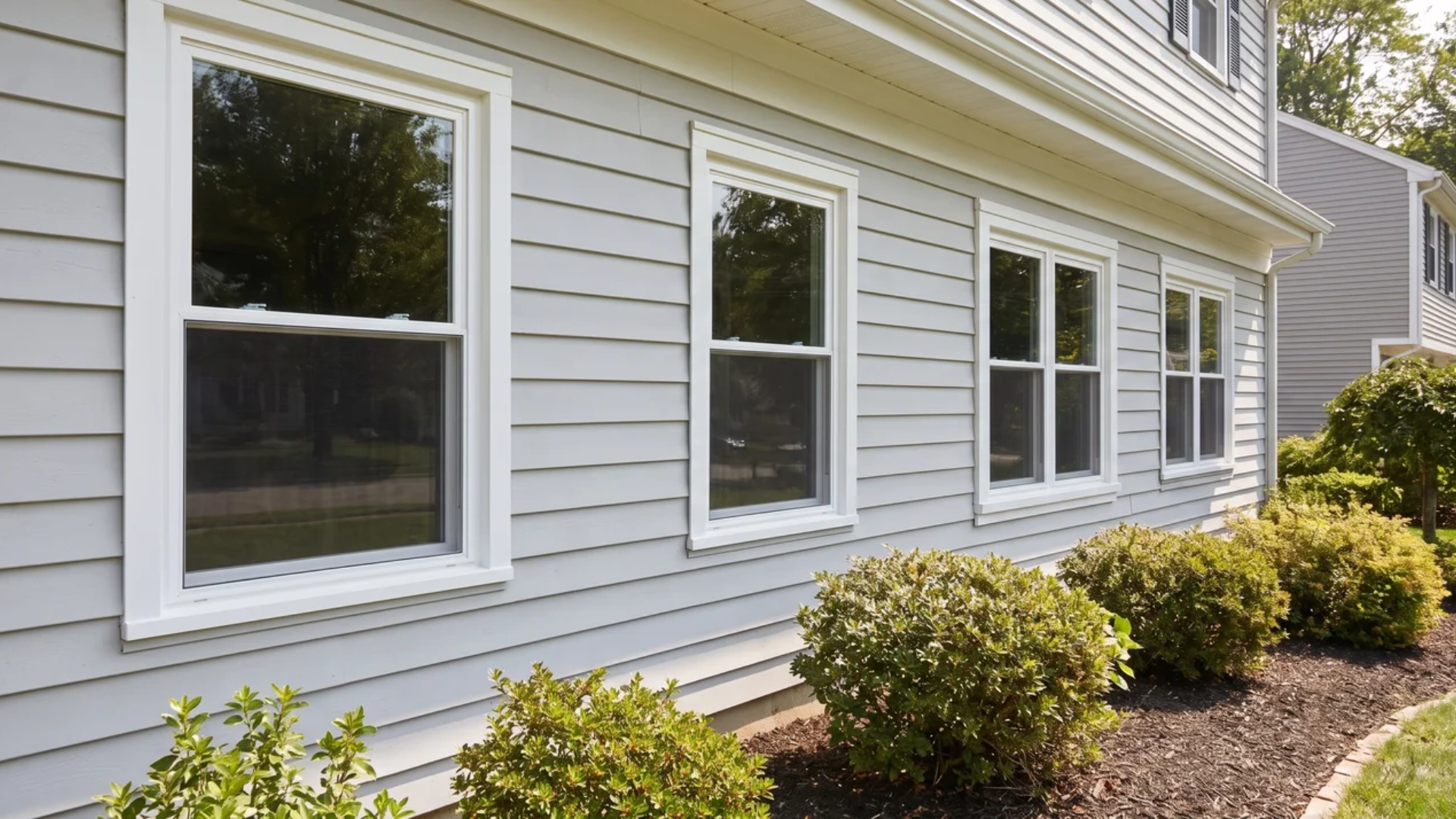
Replacing windows is one of those home upgrades that looks simple until the estimates start arriving. Between frame materials, glass packages, energy ratings, warranties, and installation costs, it is easy to feel unsure about what actually deserves your money.
I have found that choosing the best windows for home projects gets much easier once you know what matters for your climate, property style, and long-term plans, especially once you understand basic terms like window sash components.
The right choice should improve comfort, control energy loss, and fit your budget without paying extra for features you may never notice.
Coming up, you will learn how to compare window types, read quotes, judge brand value, and spot the best replacement windows for the money before signing a contract.
What Are the Best Replacement Windows for the Money?
The table below compares leading window models by material, price range, performance, and limitations, helping homeowners quickly identify options suited to their needs.
| Brand and Series | Best For | Frame Material | Price Level | Main Advantage | Possible Limitation |
|---|---|---|---|---|---|
| Andersen 400 Series | Overall performance | Wood with vinyl exterior | High | Strong balance of durability and design | Costs more than basic vinyl |
| Renewal by Andersen Acclaim | Full-service replacement | Composite | Premium | Product and installation from one company | Quote-based pricing |
| Marvin Elevate | Harsh climates | Wood and fiberglass | Premium | Stable fiberglass exterior | Limited budget options |
| Pella Lifestyle Series | Traditional interiors | Clad wood | High | Extensive design and glass choices | Wood requires careful maintenance |
| Pella Impervia | Low-maintenance fiberglass | Fiberglass | High | Durable frame for varied climates | Limited interior finishes |
| Milgard Tuscany | Vinyl performance | Vinyl | Mid-range | Practical features and low maintenance | Limited regional availability |
| Simonton 6100 | Affordable replacement | Vinyl | Budget to mid-range | Good value and broad style selection | Fewer premium finishes |
| JELD-WEN W-5500 | Custom designs | Clad wood | Mid-range to high | Numerous colours and configurations | Dealer experience can vary |
| Champion Coastal Series | Storm-prone areas | Vinyl | Mid-range to high | Impact-resistant options | Not sold in every region |
Compare complete installed quotes rather than frame prices alone, since glass packages, labor, removal, trim work, permits, and warranties can significantly affect overall value, the same way other value-boosting home upgrades often come down to installation quality rather than sticker price.
Best Window Brands and Models Reviewed
These reviewed window lines suit different budgets, climates, design preferences, installation needs, and maintenance expectations across common home replacement projects.
1. Andersen 400 Series
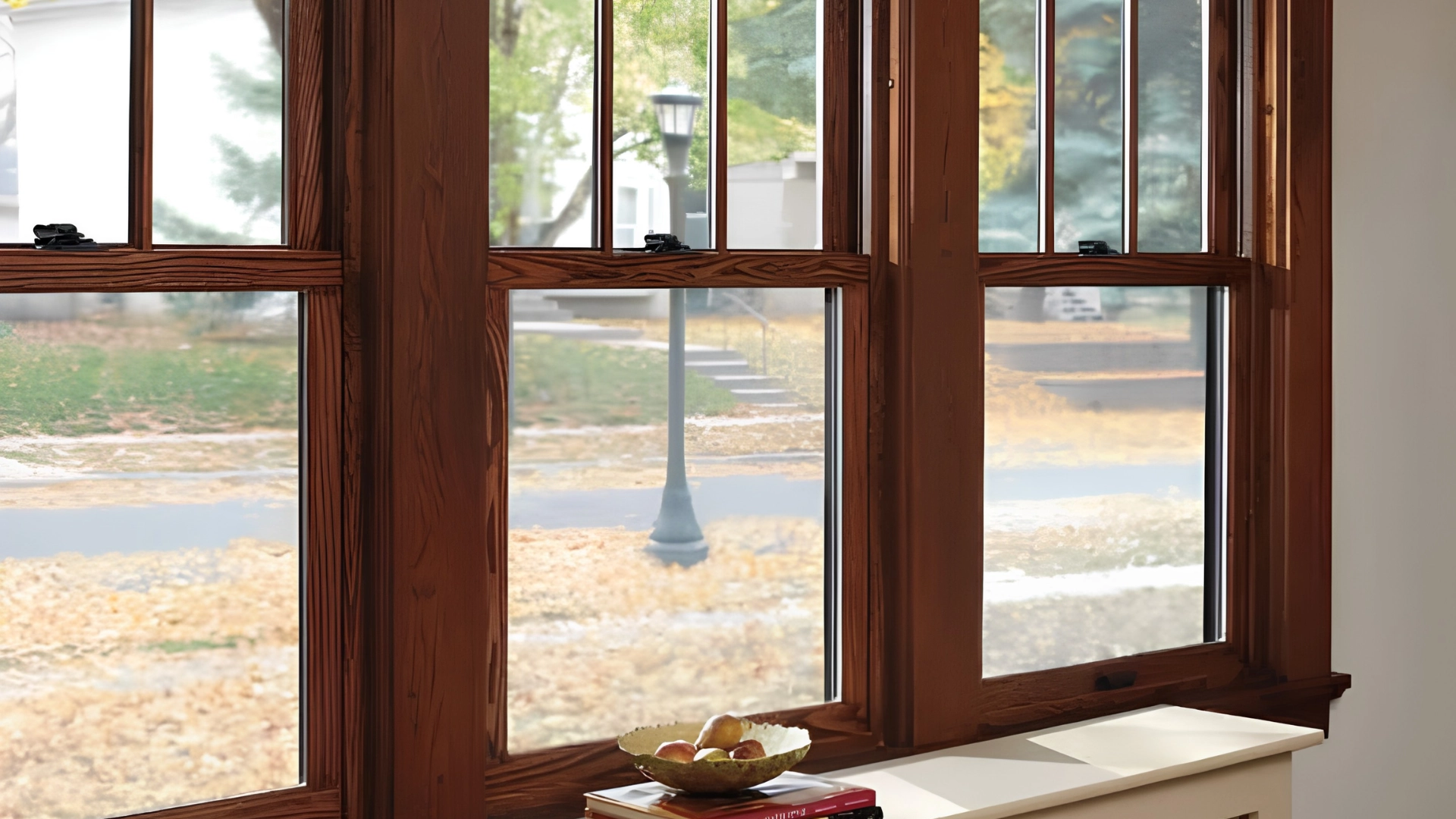
The Andersen 400 Series combines a natural wood interior with a vinyl-protected exterior, giving homeowners traditional character without exposing exterior wood to constant weather. It is available in popular styles, including double-hung, casement, awning, picture, and specialty windows.
Multiple glass packages support different climate and energy needs. The series suits both replacement and new-construction projects. Its main strength is dependable performance across many home styles, although pricing is higher than basic vinyl alternatives and professional installation remains important overall value.
2. Renewal by Andersen Acclaim
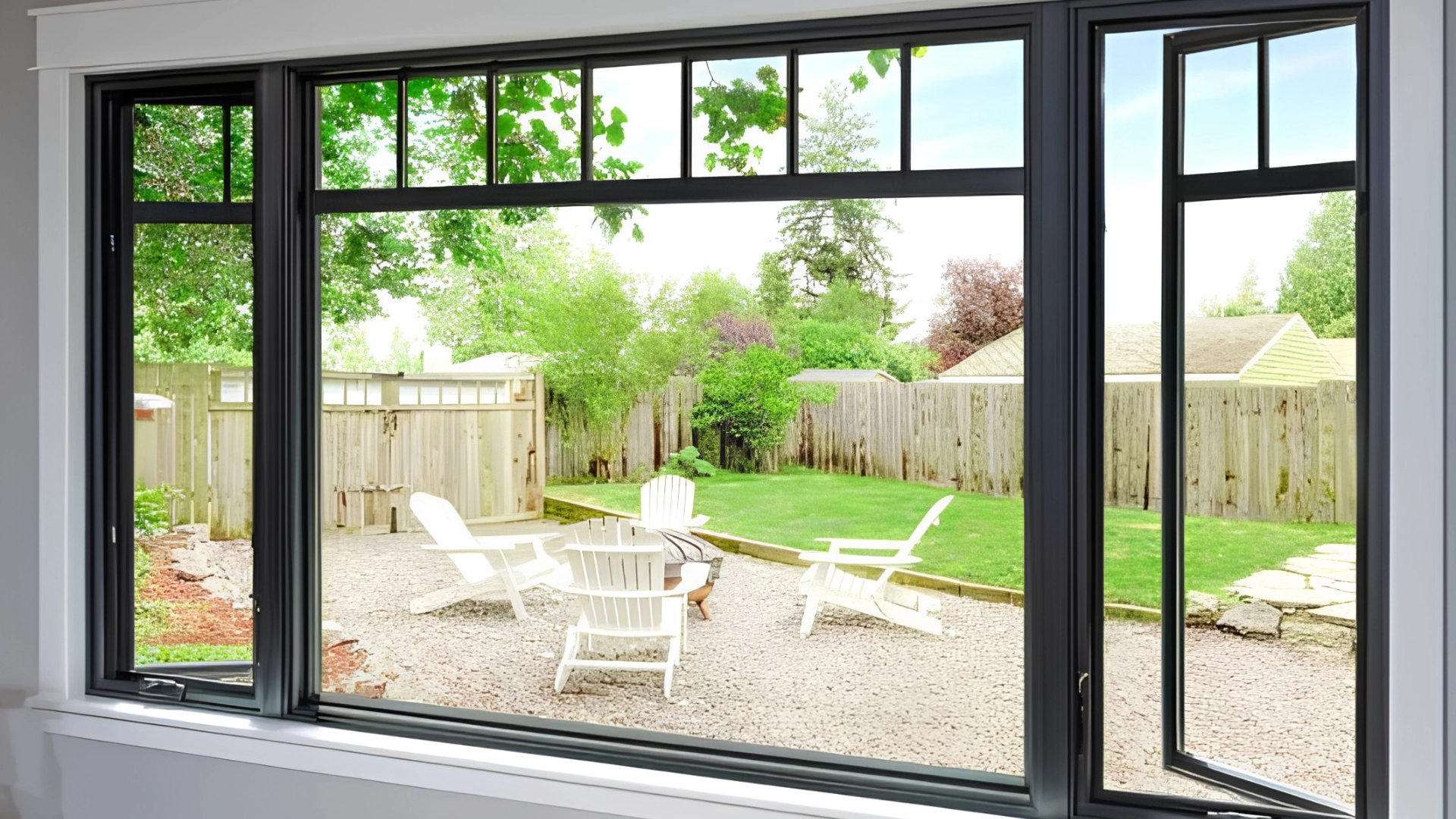
Renewal by Andersen Acclaim is designed for homeowners who want one company to manage consultation, measurement, manufacturing, installation, and warranty service.
Its Fibrex composite frame resists moisture and requires less maintenance than exposed wood. Each unit is custom-sized for the opening, reducing the need for standard-size compromises.
The service-focused process can simplify large replacement projects and provide clearer responsibility if problems occur. However, this convenience usually comes at a premium price, and quotes are provided only after an in-home consultation.
3. Marvin Elevate
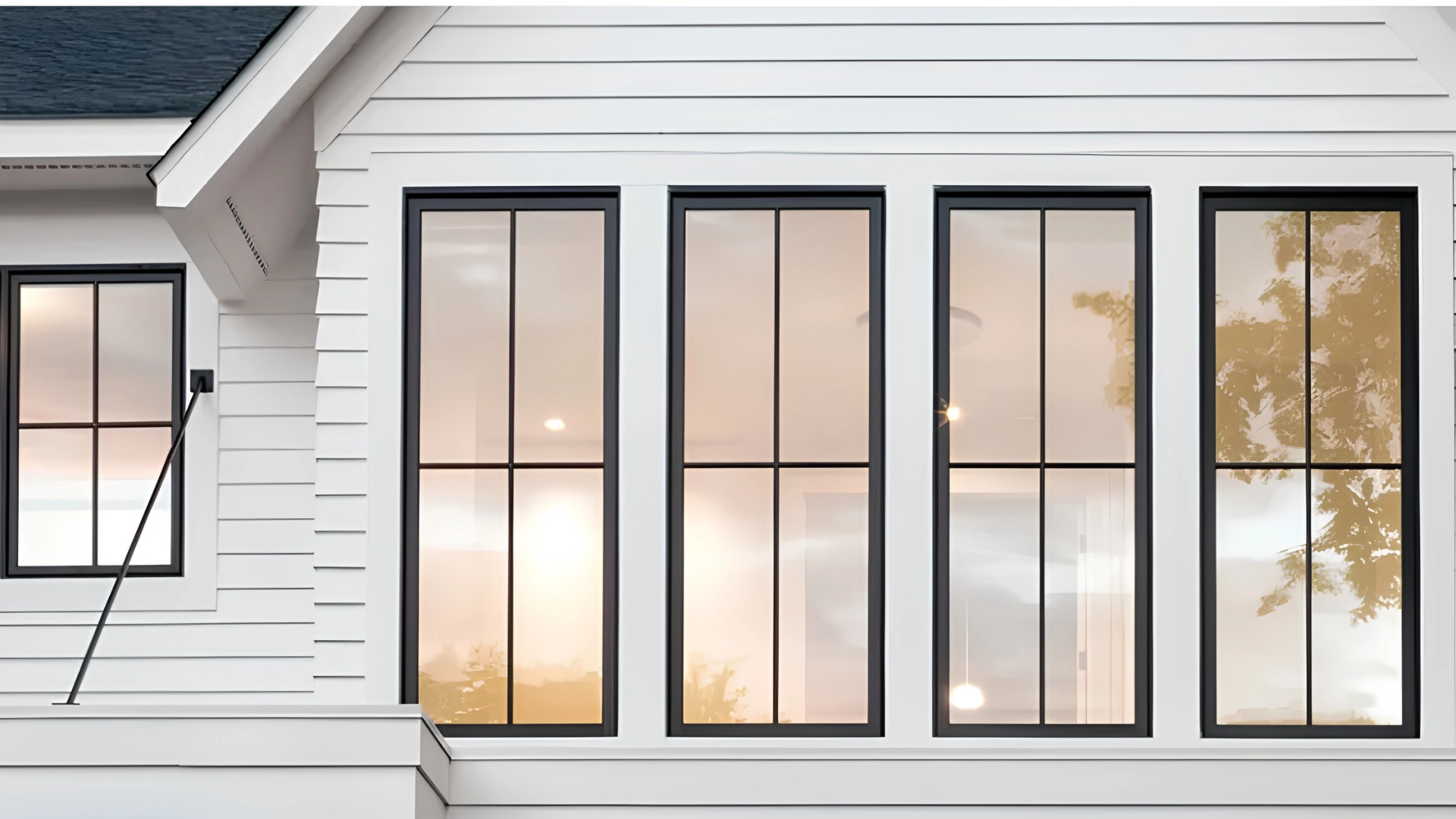
Marvin Elevate pairs a durable fiberglass exterior with a natural wood interior, creating an option for demanding climates. The fiberglass frame resists moisture, temperature movement, and surface damage better than conventional materials, while the interior wood supports a warmer appearance.
It is available in several operating styles and glass configurations for energy performance. Elevate works well in cold, hot, or rapidly changing weather. Its main drawback is cost, since it sits above most vinyl products and offers fewer entry-level choices.
4. Pella Lifestyle Series
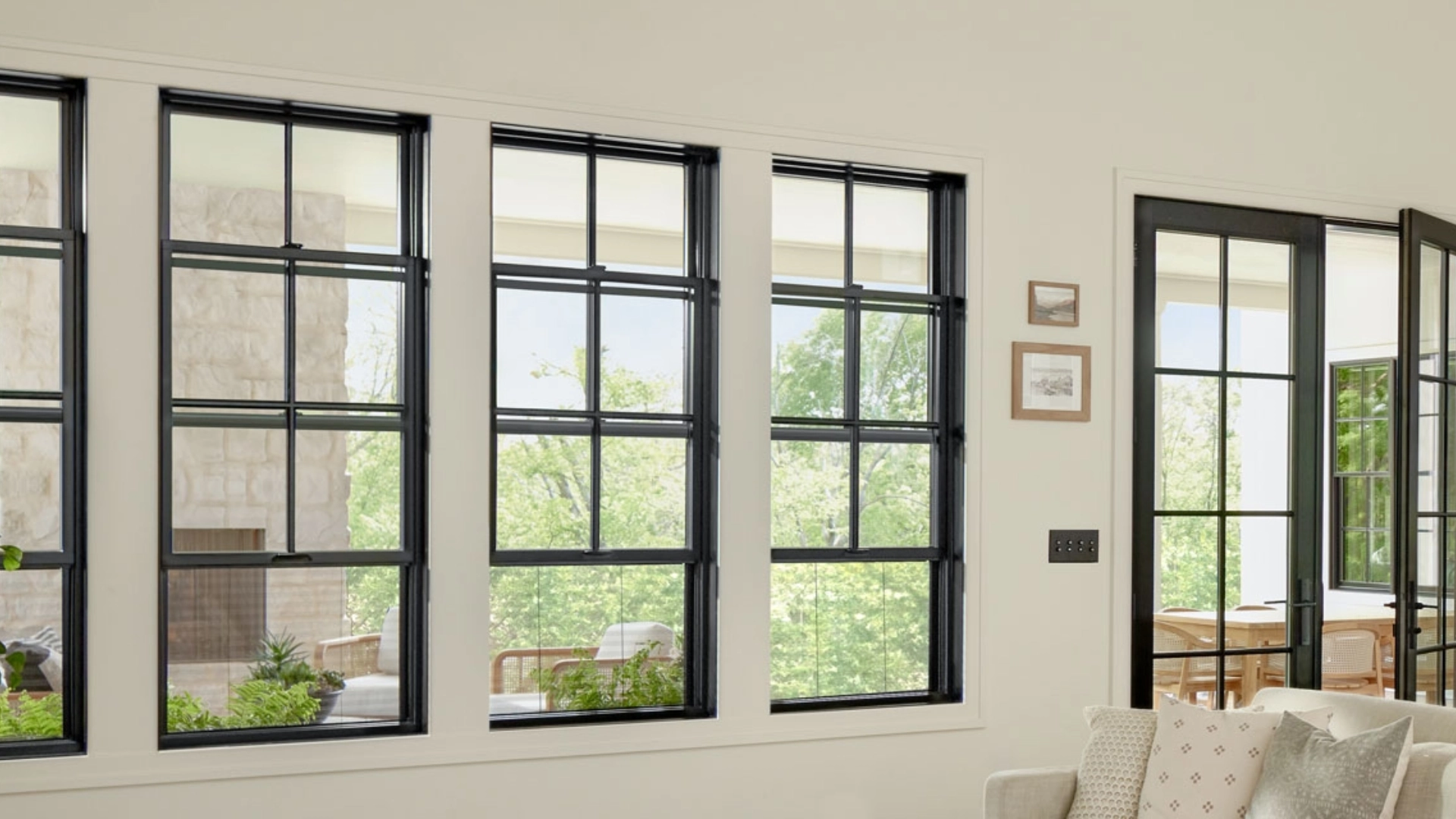
Pella Lifestyle Series windows use wood frames with protective exterior cladding, making them suitable for homeowners who value interior warmth and customization.
Buyers can choose from several colors, hardware finishes, glass packages, sound-control options, and integrated blinds where offered. The line complements traditional, craftsman, farmhouse, and transitional homes.
It is better suited to design-focused projects than strict budget replacements. Although the exterior is protected, the wood interior still needs appropriate moisture control, careful installation, and inspection to preserve long-term performance.
5. Pella Impervia
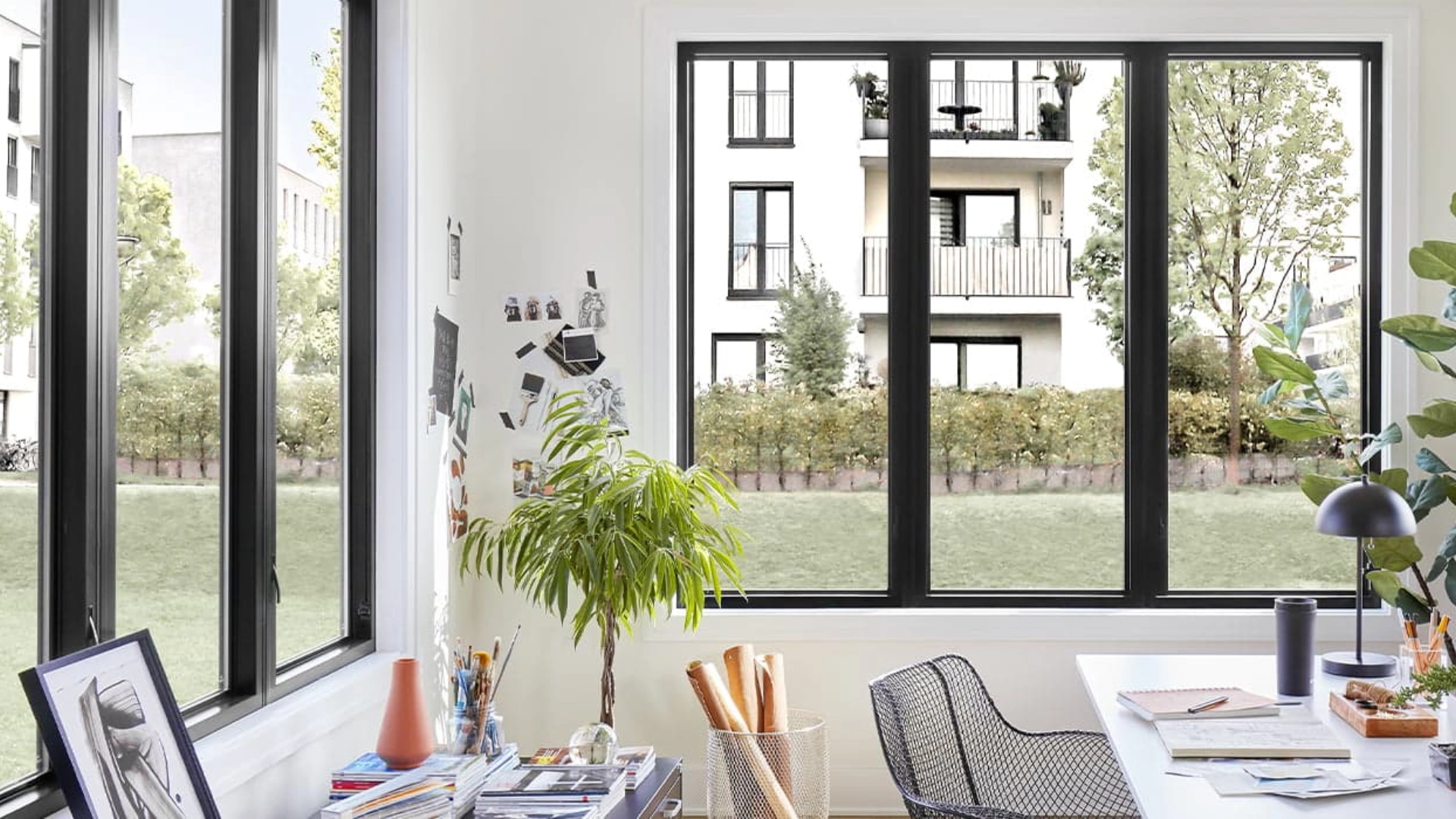
Pella Impervia uses fiberglass throughout the frame, providing strength, moisture resistance, and a low-maintenance finish for varied climates. Its slimmer profiles suit modern and transitional homes while allowing more visible glass than bulkier frames.
The material resists corrosion, warping, and weather-related damage. Unlike Marvin Elevate, which combines fiberglass on the outside with wood on the inside, Impervia maintains durable material on both sides.
It is a strong choice for homeowners prioritizing resilience, although interior finish choices are more limited than premium wood-based lines, and buyers should also budget for details like window jamb repair costs if the surrounding frame needs attention during installation.
6. Milgard Tuscany
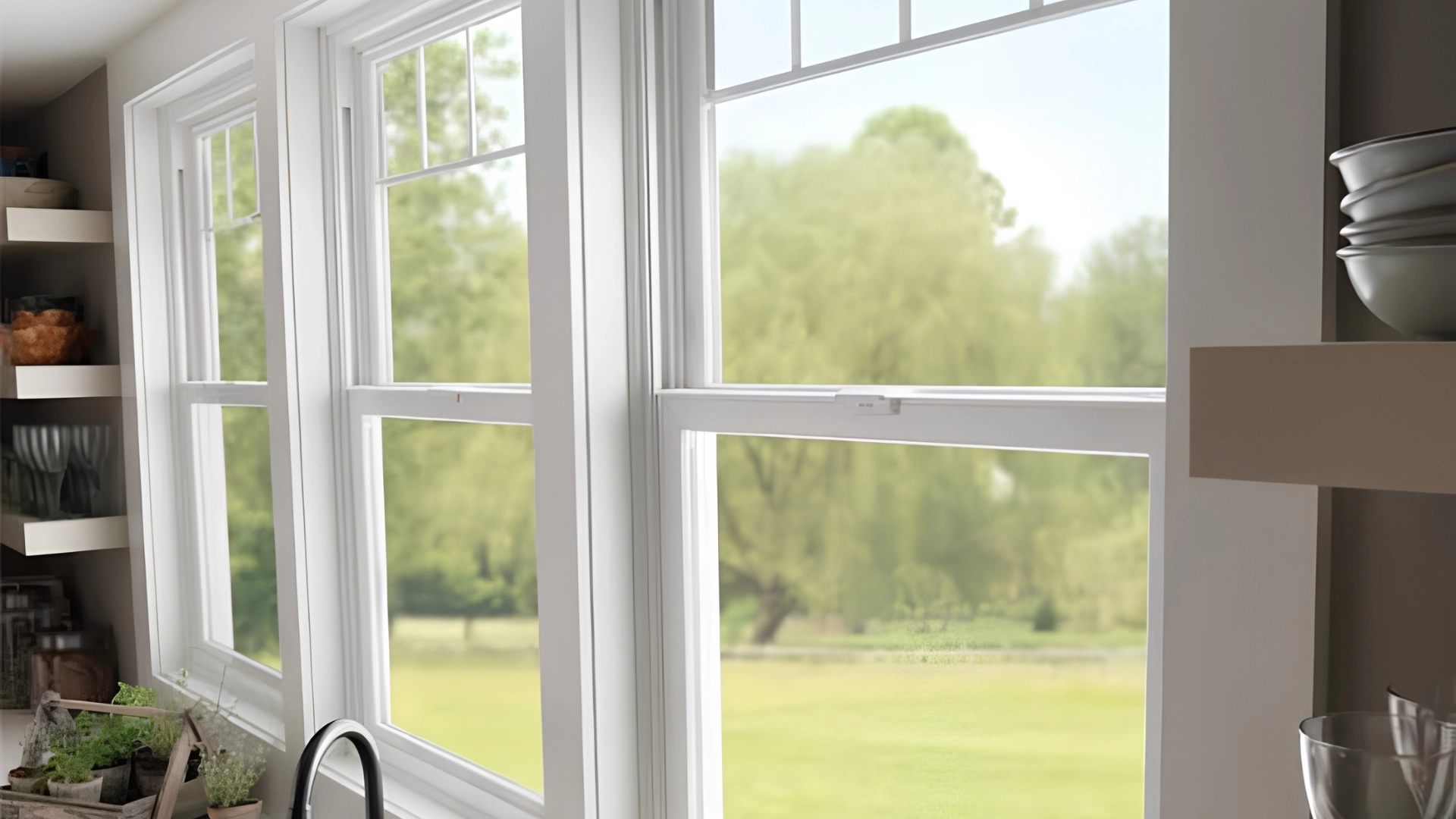
Milgard Tuscany offers a traditional vinyl frame with low maintenance, practical hardware, and common operating styles.
It is positioned above basic builder-grade vinyl windows by providing design detail and practical features while remaining less expensive than many wood or fiberglass products.
Low-E glass and other efficiency options can be selected for climate needs. The line works well for replacement projects, but homeowners should confirm local product availability, installer coverage, and warranty service because Milgard distribution is stronger in certain regions.
7. Simonton 6100
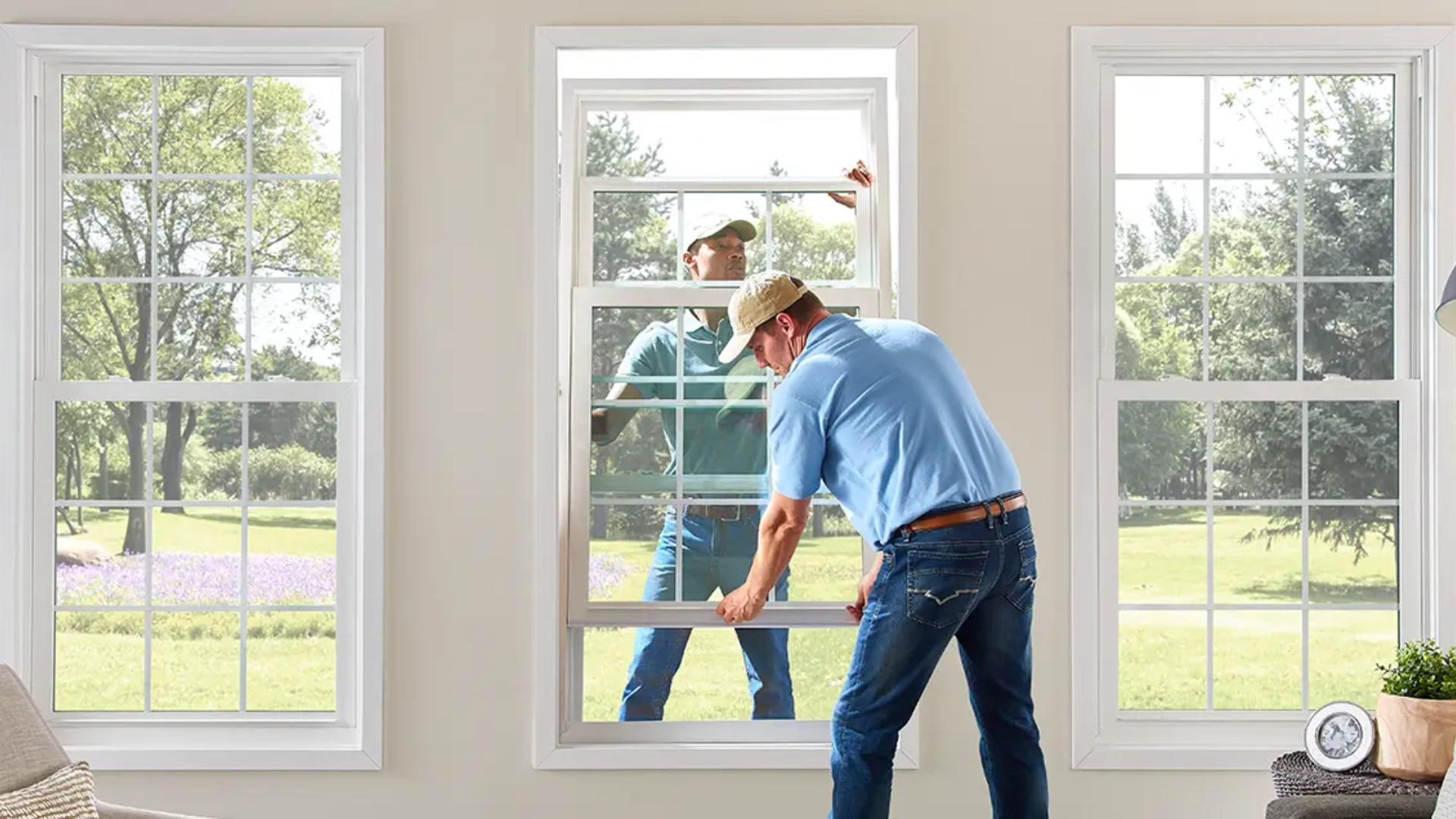
Simonton 6100 is a practical vinyl replacement line for homeowners upgrading several windows without moving into premium pricing.
Its narrow frame helps preserve visible glass, while common styles include double-hung, sliding, casement, picture, bay, bow, and specialty shapes.
Low-E glass and argon-filled options improve efficiency when matched to the climate. The series offers good value and broad replacement flexibility.
However, color, hardware, and interior finish selections are more limited than those available from higher-priced wood, fiberglass, or composite window collections.
8. JELD-WEN W-5500
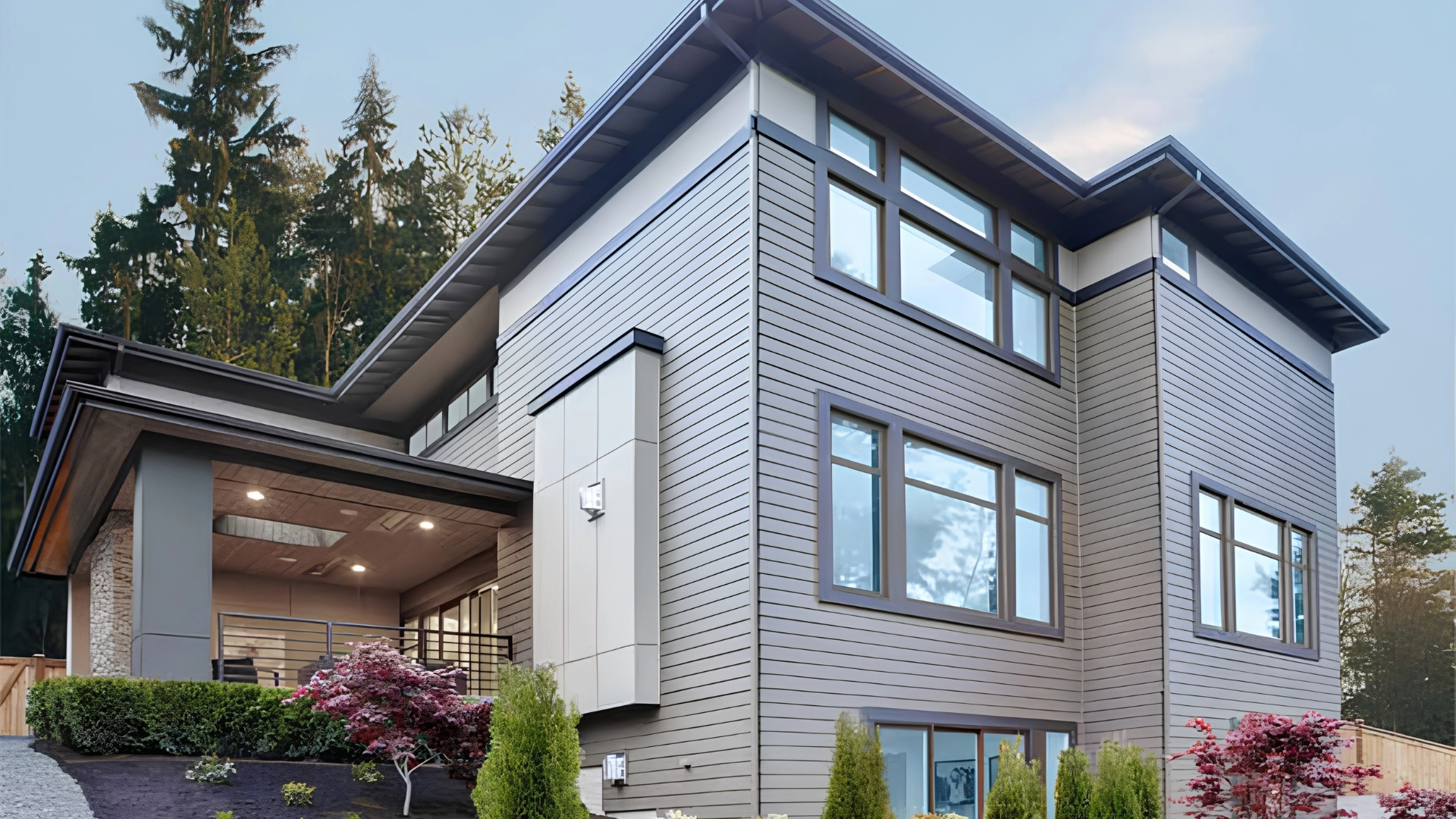
JELD-WEN W-5500 windows combine a wood interior with protective exterior cladding and a wide range of design choices.
Homeowners can select different wood species, colors, finishes, hardware, glass packages, shapes, and custom sizes. The line suits traditional renovations, character-rich properties, and projects requiring unusual openings.
Its versatility is an advantage, but the final result depends heavily on the local dealer and installer. Buyers should examine measuring accuracy, ordering support, installation methods, warranty handling, and after-sales service before approving the project.
9. Champion Coastal Series
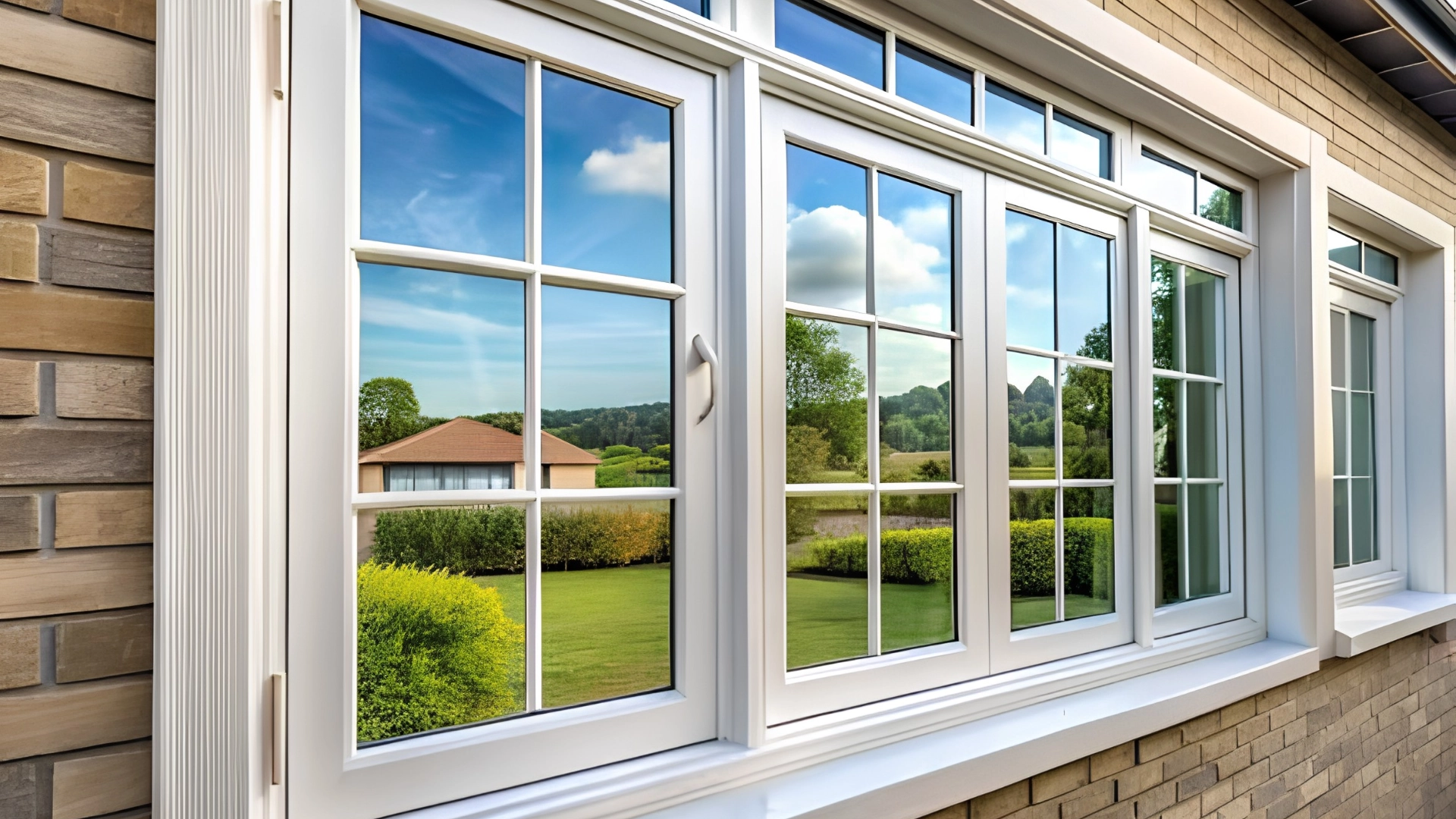
Champion Coastal Series windows are intended for homes exposed to winds, storms, and coastal weather.
Available configurations may include impact-resistant glass, reinforced vinyl frames, weather-focused seals, and professional installation through the company’s service model. These windows can suit hurricane-prone areas where structural performance is required.
However, homeowners must confirm that the exact product, glass package, and installation method meet local building codes. Availability varies by region, and pricing may be higher than replacement windows because of specialized testing requirements overall.
Choosing the Right Window Frame Material
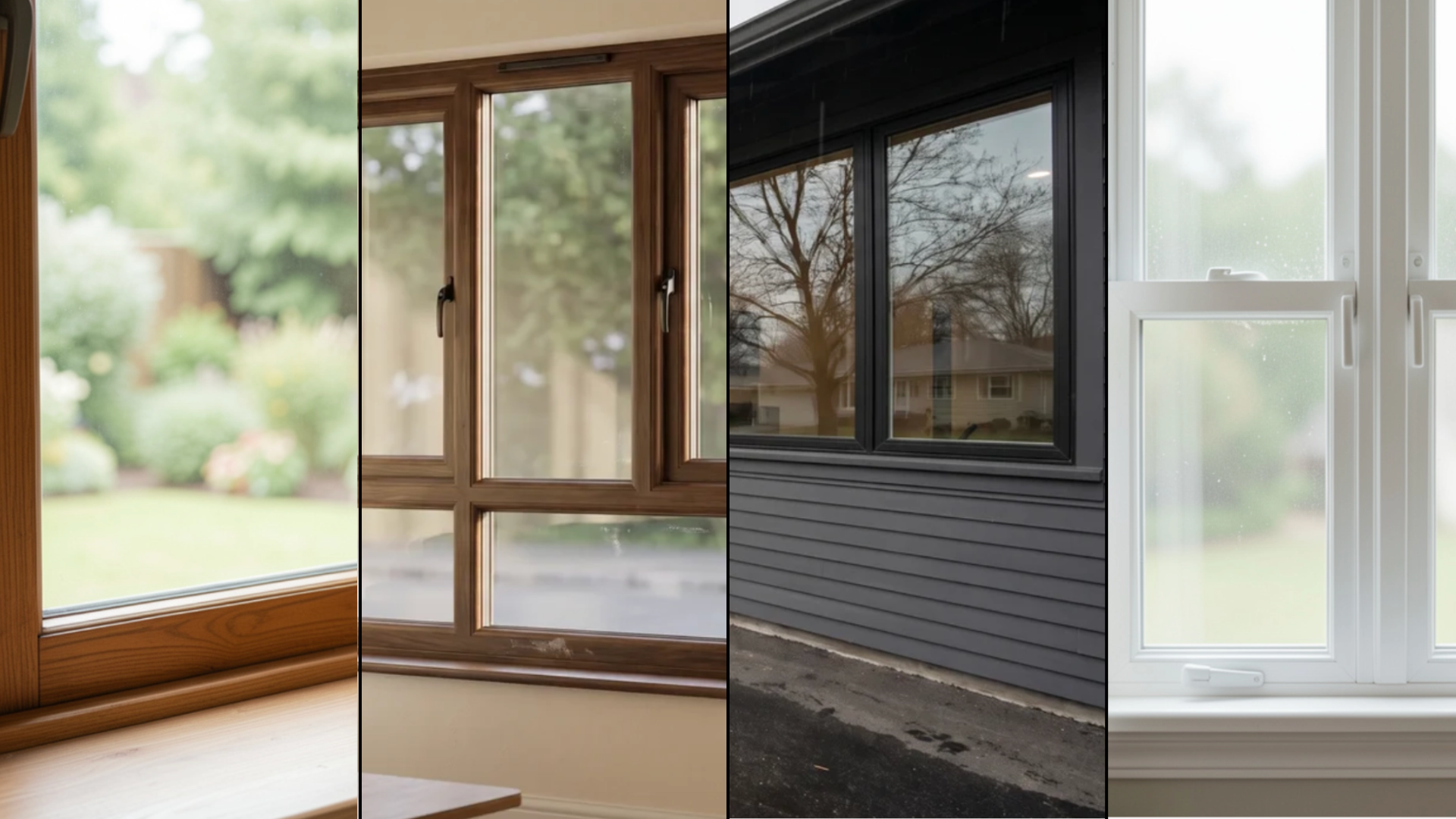
Window frame materials differ in cost, strength, insulation, appearance, and maintenance, so the best option depends on climate, budget, and home style.
| Frame Material | Best For | Main Benefits | Possible Drawbacks | Maintenance Level |
|---|---|---|---|---|
| Vinyl | Budget-friendly replacements | Affordable, moisture-resistant, energy-efficient, and widely available | Limited color choices and cannot usually be repainted | Low |
| Fiberglass | Harsh or changing climates | Strong, stable, weather-resistant, and suitable for slimmer frames | Costs more than most vinyl windows | Low |
| Composite | Low-maintenance performance | Resists moisture, decay, and temperature movement while offering good insulation | Quality and construction vary between manufacturers | Low |
| Clad wood | Traditional and premium homes | Provides a natural wood interior with a weather-protected exterior | Higher price and interior wood may need occasional care | Moderate |
| Aluminium | Modern homes and large openings | Strong frames, narrow sightlines, and support for larger glass areas | Conducts heat unless designed with an effective thermal break | Low |
| Wood | Historic and character-rich homes | Offers natural warmth, detailed profiles, and extensive finish choices | Requires protection from moisture, insects, and weathering | High |
Compare each material’s complete installed cost, climate suitability, available finishes, and maintenance needs rather than choosing solely by appearance or initial price.
Important Window Performance Ratings
Window ratings reveal how effectively a product controls heat, sunlight, air movement, and weather, making comparisons more reliable than marketing claims alone.
- U-factor: Measures how quickly heat passes through the entire window. Lower values generally indicate better insulation and improved performance in cold or mixed climates.
- Solar heat gain coefficient: Shows how much solar heat enters through the glass. Lower ratings can reduce cooling demand in hot, sunny regions.
- Air leakage: Indicates the amount of outside air passing through the window assembly. Lower numbers usually provide fewer drafts and steadier indoor temperatures.
- Visible transmittance: Measures how much natural light passes through the glass. Higher values brighten interiors, although coatings and multiple panes can reduce light transmission.
- Design pressure rating: Measures resistance to wind, water, and structural pressure. Higher ratings may be necessary for coastal, exposed, or storm-prone homes.
Compare ratings from the exact window size, style, and glass package being quoted, since performance values may vary across configurations within one series.
How to Compare Window Warranties
A window warranty should be read carefully because “lifetime” does not always mean every part is covered for as long as the homeowner owns the property.
Check how long the frame, insulated-glass seal, hardware, exterior finish, screens, and glass breakage are protected. Review whether installation labor, service calls, shipping, and replacement parts are included or charged separately.
Transferability also matters if the home may be sold, since some warranties shorten or end for the next owner. Coastal, hurricane-prone, and severe-weather locations may have additional exclusions or maintenance requirements.
Confirm what actions can void coverage, including improper cleaning, painting, modifications, or installation by an unapproved contractor.
Manufacturer and installer warranties are often separate, so homeowners should obtain both documents and understand who handles product defects, labor problems, and future service requests.
How Installation Affects Window Performance
Even a high-quality window may leak, stick, or fail early when measurements, flashing, insulation, sealing, or final alignment are handled incorrectly.
- Accurate opening measurements: Precise width, height, and depth measurements help prevent oversized gaps, forced fitting, uneven frames, and avoidable installation delays.
- Level and square placement: The window must sit level, plumb, and square so sashes operate smoothly, locks align correctly, and seals maintain consistent contact.
- Correct shimming: Shims support the frame at key points without twisting or bowing it, helping preserve alignment and prevent operational problems.
- Flashing and sill-pan installation: Proper sill pans and flashing direct water away from the opening before it can reach wall cavities, insulation, or structural framing.
- Exterior water management: Drip caps, drainage paths, and correctly layered materials help rainwater move outward instead of collecting around the window perimeter.
- Appropriate frame insulation: Low-expansion window foam or suitable insulation fills surrounding gaps without placing excessive pressure on the frame or restricting movement.
- Interior and exterior sealing: Compatible sealants block air and moisture while allowing the window assembly to manage normal expansion and contraction.
- Final operation and drainage checks: Installers should test locks, sashes, weep holes, drainage channels, and weatherstripping before completing trim and cleanup.
Careful installation protects comfort, energy efficiency, drainage, and operation, while reducing the risk of drafts, moisture damage, sticking sashes, and early repairs.
Which Replacement Window Should You Choose?
For a cost-conscious project, I would start with value-focused vinyl options such as Simonton Reflections, JELD-WEN V-2500, or Pella 150. They offer practical performance without pushing the budget too far. If your area faces extreme heat, cold, or frequent weather changes, Andersen or Marvin may be worth the higher upfront cost.
Also think about how long you expect to stay in the house. A longer ownership period usually makes stronger materials, better warranties, and skilled installation more valuable. If you plan to move sooner, keeping the initial cost under control may make more sense.
Most importantly, pay attention to the contractor. I would avoid anyone who provides vague product details, unclear labor coverage, or no written installation scope. A trustworthy quote should explain the window specifications, repairs, materials, labor, cleanup, and warranty terms clearly before you agree to anything.
Conclusion
You now have a clear way to judge windows without relying on brand names or sales claims. The best windows for home upgrades should suit your climate, improve comfort, meet your budget, and come with installation you can trust.
The best replacement windows for the money are not always the cheapest option on the quote. They are the ones that balance durable materials, useful glass features, dependable warranties, and fair labor costs without adding extras that offer little value.
My advice is to slow down, compare every quote line by line, and choose the package that makes sense for your home over time. Share your preferred window material in the comments and tell me what matters most in your decision.
Frequently Asked Questions
What Is the Average Cost of a Good Replacement Window?
A good replacement window can range from several hundred dollars to well over $1,000 per opening before or after installation, depending on material, size, style, glass, and labor. Check current local quotes before relying on specific figures, since regional labor rates and product pricing change often.
Are Expensive Replacement Windows Always Better?
Higher prices may reflect stronger materials, custom sizes, upgraded glass, premium finishes, or longer warranty coverage, but they don’t guarantee better installed performance. A moderately priced window installed correctly can outperform a premium unit installed poorly. Compare complete specifications and installation scope before treating price as a quality signal.
Is It Worth Replacing All Windows at Once?
Replacing every window at once can reduce repeated labor, delivery, and finishing costs, but it isn’t always necessary. You can prioritize windows with drafts, moisture damage, failed seals, poor operation, or heavy weather exposure first. Ask contractors whether phased installation changes product pricing, warranty terms, or future matching options.