

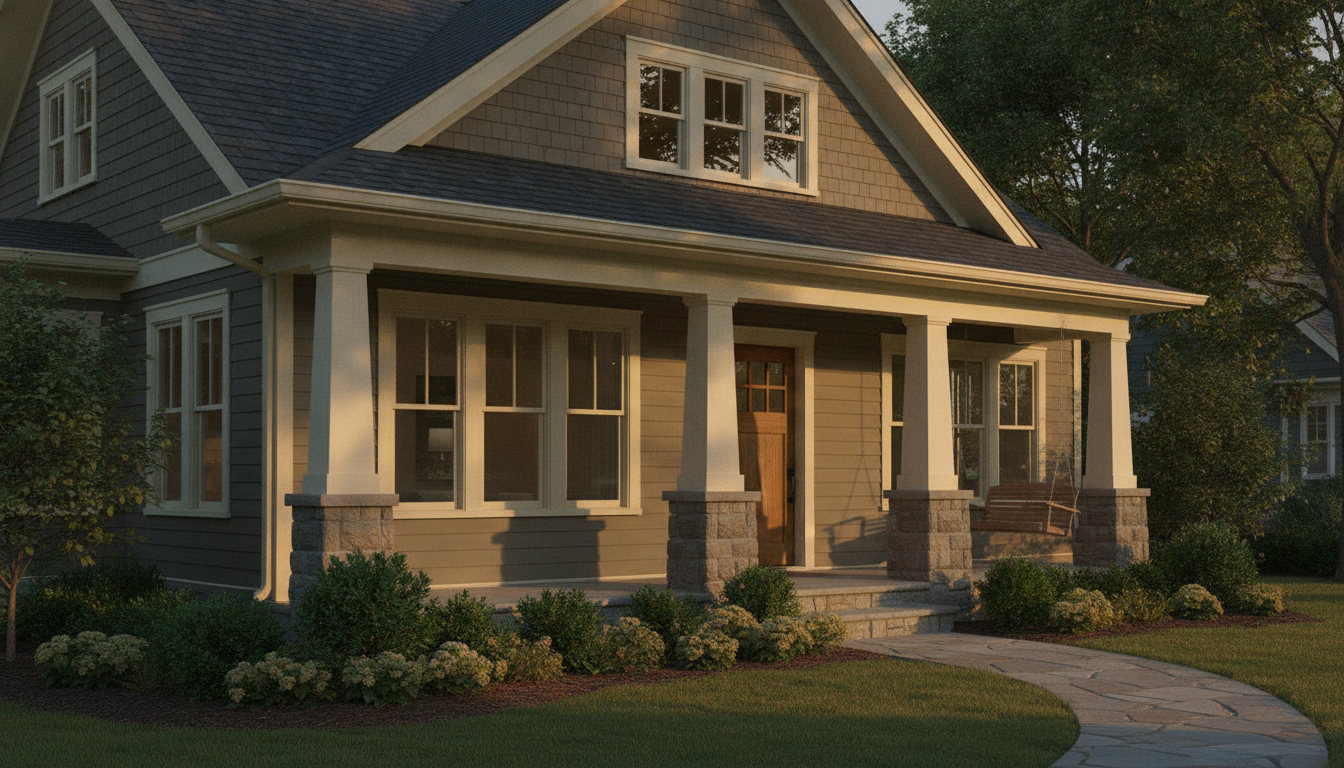
Exterior updates can transform how a house looks, but installing new siding, roofing, replacement windows, or architectural trim can still leave a property looking mismatched if those elements ignore the original structure.
A successful project starts with the building itself, allowing its roofline, window placement, entrance position, and overall proportions to guide every upgrade decision down the road.
Working with a qualified home exterior remodeling contractor can also help homeowners evaluate how new materials, colors, and structural changes will interact before construction begins.
Looking at the exterior as a complete composition makes it easier to preserve architectural character while improving performance and updating worn components.
Identifying Architectural Character
Understanding what gives a home its distinct visual identity forms the core foundation of smart material selection.
Focus on broader shapes and features that define the building’s outline rather than trying to memorize technical terms for every decorative trim piece.
Take time to observe the roof height and pitch, window scale, overhang depth, and the way different sections of the façade balance one another. Key traits define common home styles:
- Colonial: Emphasizes symmetry alongside restrained, balanced details.
- Craftsman: Relies on prominent trim, visible surface textures, and substantial porches.
- Ranch: Highlights long horizontal lines stretched across the façade.
- Contemporary: Features cleaner exterior surfaces alongside larger glass areas.
Balancing Preservation with Useful Change
Respecting original design lines does not mean keeping deteriorated or failing materials indefinitely. When replacing worn siding panels or drafty, inefficient windows, focus on preserving the original scale, surface texture, and physical proportions.
An outdated front entrance can easily be modernized without making the new entryway so large that it overwhelms the surrounding façade.
Updating a building selectively produces a far more convincing result than attempting to force a structure into a style it was never constructed to accommodate.
Coordinating the Exterior as One Design
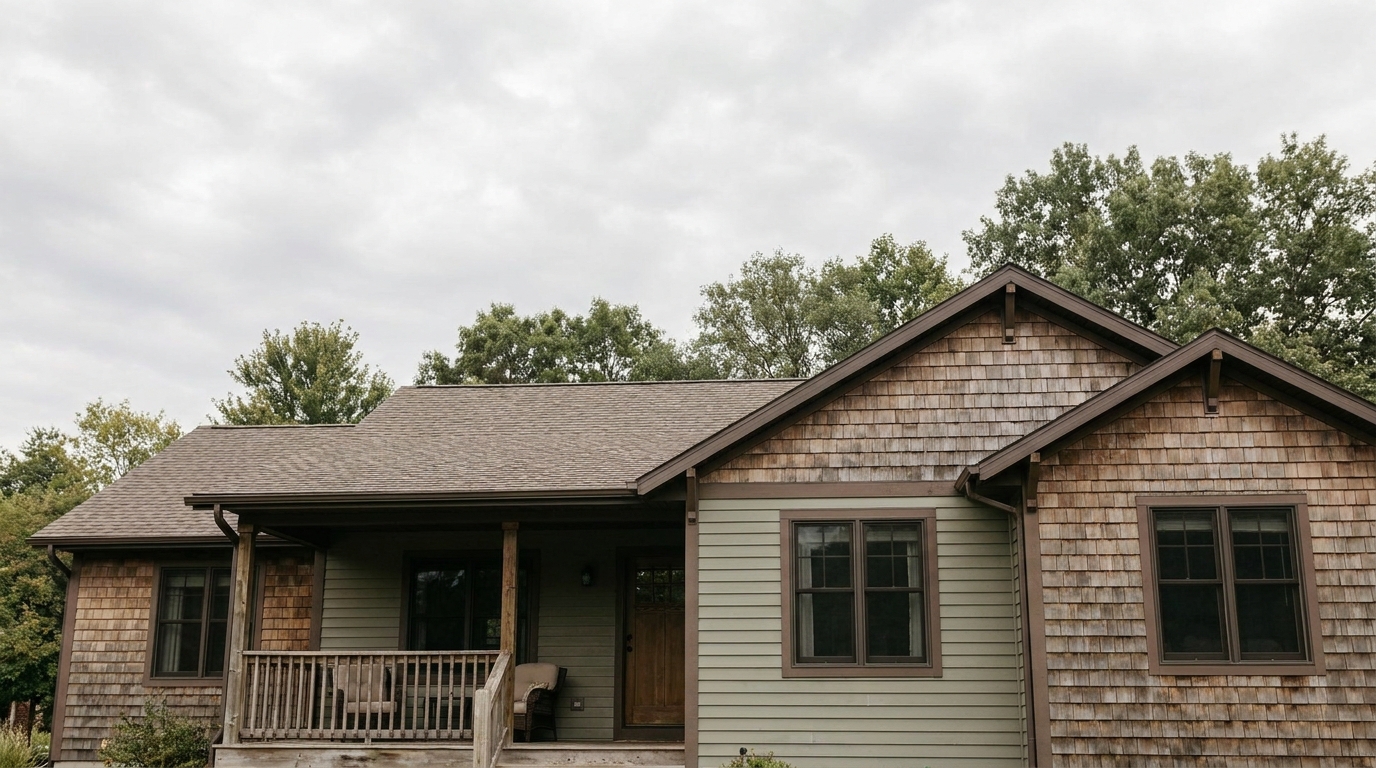
Executing exterior renovation projects in isolated fragments often creates visual mismatches across the property.
Replacing a roof one year, installing new windows a few seasons later, and changing siding down the road makes sense for household scheduling. Still, the finished combination often lacks visual consistency.
Roofing, siding, windows, trim work, exterior doors, and masonry all influence one another directly. Darker roofing materials alter how nearby siding colors appear, while wider window trim visually expands glass openings, giving them greater presence.
Mapping out a cohesive design vision before breaking ground prevents expensive conflicts later on. Limiting competing surface colors, heavy textures, and decorative accents helps maintain a clear visual hierarchy throughout the home.
Matching Material Scale and Visual Weight
Modern exterior materials offer immense flexibility for homeowners, but chosen products must always match the home’s profile and physical scale:
- Craftsman: Craftsman homes benefit from visible surface texture paired with substantial trim.
- Traditional Colonial: Traditional Colonial façades perform best with a quiet, restrained mix of surfaces.
- Ranch: Ranch layouts demand a strong horizontal emphasis.
- Contemporary: Contemporary designs feature smoother finishes and fewer decorative transitions.
Proportions require careful attention throughout the planning phase. Windows that are dramatically larger or noticeably smaller than the originals disrupt the natural rhythm of the entire façade.
Very narrow trim looks weak when placed next to heavy architectural details, while an oversized entrance easily dominates a modest home frame.
Decorative accents like window shutters must be sized appropriately to look functional and purposeful rather than appearing like narrow strips tacked onto the wall.
Adapting Trends to Fit Your Property
Popular exterior trends, such as black exteriors, modern farmhouse details, and dark trim accents, can look fantastic when applied thoughtfully. Still, major problems arise when popular styles get used without considering the underlying architecture.
Adapt specific elements, such as a restrained color palette or cleaner trim lines, to your structure rather than copying a finished exterior wholesale from another house down the street.
Factor in the lot size, local climate, and surrounding streetscape as well; an overly elaborate façade can easily overpower a small residential lot, while minimal details can look stark and disconnected in a neighborhood dominated by traditional architecture.
Managing Moisture and Envelope Performance
Exterior renovations involve much more than surface aesthetics and visual appeal. Water poses a continuous structural risk, seeping through tiny gaps around window trim, failed flashing, or damaged siding panels, moving quietly behind exterior surfaces long before becoming visible moisture inside the house.
By the time interior wall stains, peeling paint, or wood rot finally surface indoors, structural damage behind the cladding may already be extensive.
Replacing aging siding provides an ideal opportunity to inspect the underlying wall assemblies, correct compromised water barriers, and upgrade thermal insulation layers.
Maintaining a secure building envelope prevents unwanted air leaks from driving up utility bills, reduces overall heating and cooling demand, and protects structural framing from long-term damage.
Planned Improvements vs. Emergency Repairs
Taking a proactive approach to home maintenance allows homeowners to carefully compare contractor quotes, control project timing, and comfortably manage long-term renovation budgets.
In direct contrast, rushing through emergency repairs due to sudden roof leaks or structural failures forces homeowners to contend with urgent labor rates and secondary restoration costs, such as drywall repairs, mold remediation, and insulation replacement.
Systematically maintaining exterior components preserves curb appeal and buyer confidence, preventing unexpected red flags during routine home inspections.
Building a Sequential Strategy
When executing exterior projects in separate stages over time, follow a logical order that prioritizes weather protection well before focusing on purely cosmetic finishes:
- Roofing and Drainage: Repair damaged roofing materials, clear clogged gutters, and resolve foundation drainage issues.
- Windows and Doors: Upgrade drafty wall openings, replace compromised flashing, and secure weather seals.
- Siding and Trim: Correct underlying wall barriers, add insulation, and install durable outer cladding.
- Finishing Details: Add complementary landscaping, accent exterior lighting, and subtle architectural flourishes.
Before choosing any product or approving a color swatch, evaluate two crucial questions: Does it look good on its own, and does it look right on this particular house?
When structural proportions, material quality, and architectural character guide the project, the finished exterior feels completely intentional, beautifully cohesive, and timeless.