

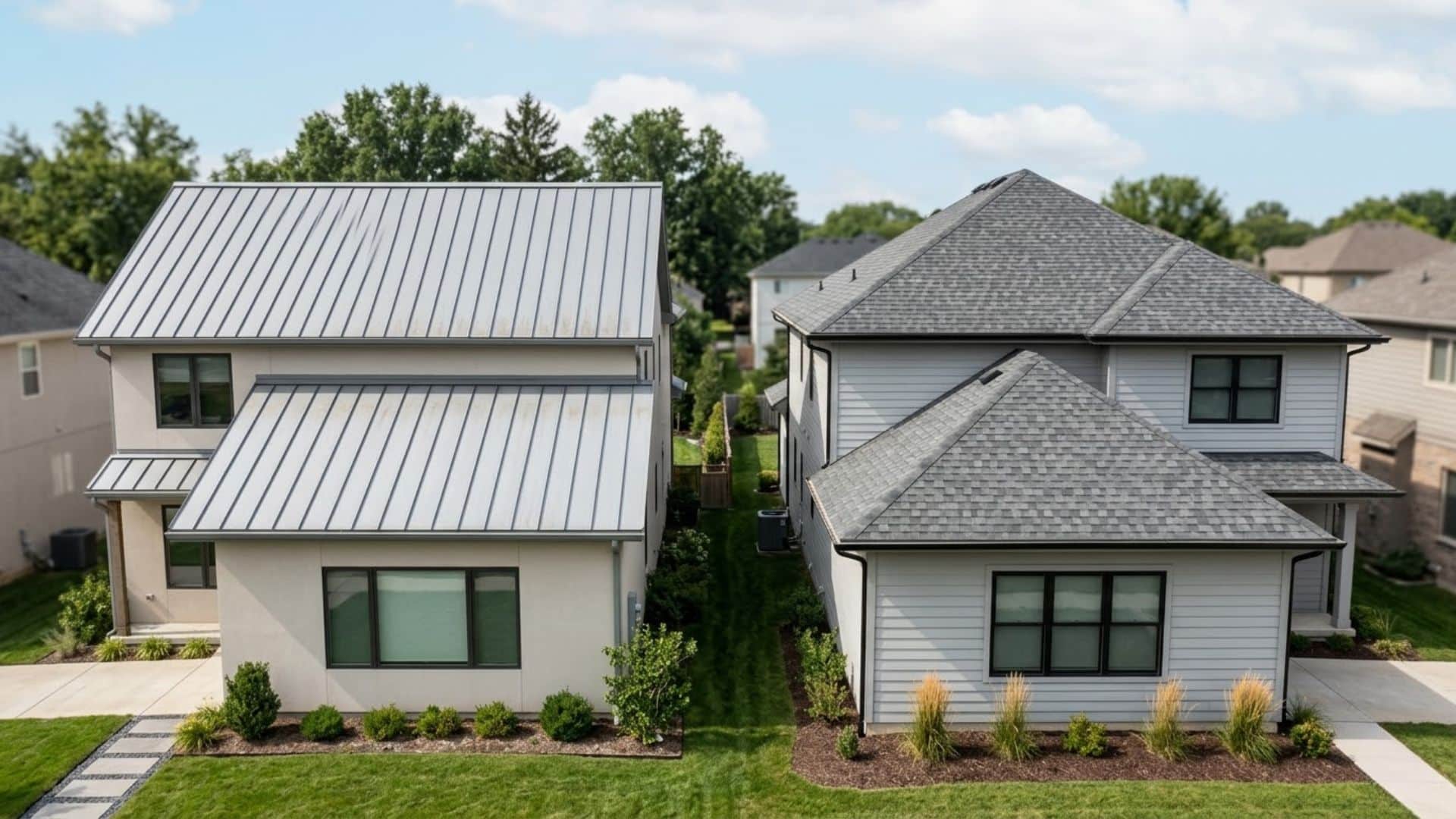
Replacing a roof is a big decision, and cost is usually the first thing you think about.
I’ve noticed that many homeowners struggle to choose between metal roofing and traditional shingles.
Both options protect your home well, but the price and long-term value can be very different. In this guide, I’ll walk you through the metal roof vs shingles cost so you can clearly see how they compare.
You’ll learn about installation prices, lifespan, maintenance costs, and how each option affects long-term savings.
My goal is to help you understand which roofing option may save more money over time.
I’ll keep everything simple and easy to follow so you can make a smart choice for your home. By the end, you should have a clearer idea of which roof fits your budget and your long-term plans.
What Are Metal Roofs and Their Average Cost?
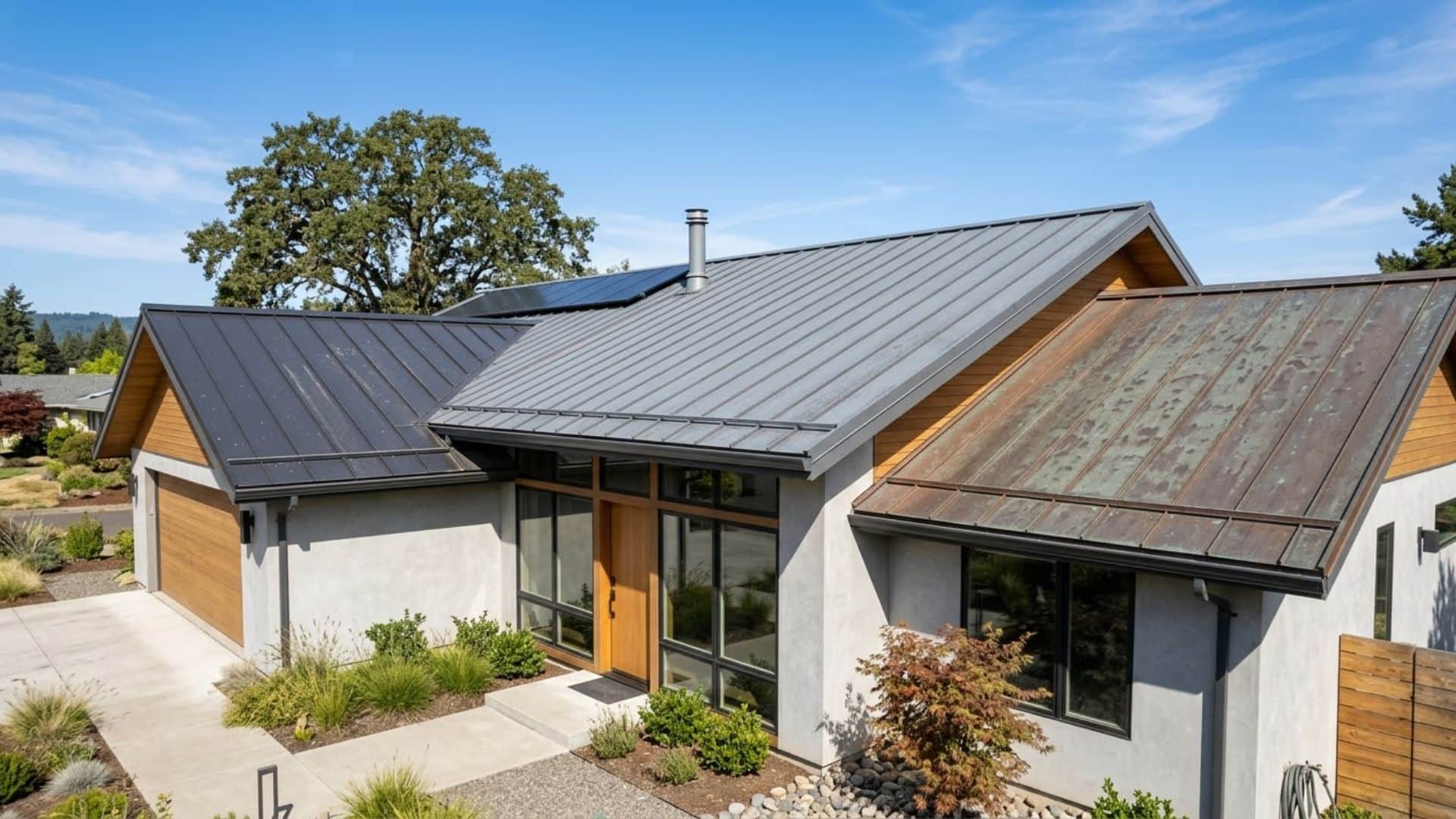
Metal roofs are roofing systems made from materials like steel, aluminum, or zinc. They come in panels or shingles and are built to last for many years.
These roofs can handle rain, heat, and strong winds without much damage.
They also reflect sunlight, which can help keep your home cooler. The average cost of a metal roof usually ranges from $8 to $16 per square foot, depending on the material and labor.
While the upfront cost is higher than that of shingles, metal roofs often need less repair over time.
They can last 40 to 70 years, which makes them a long-term option.
Installation takes more skill, so labor costs can be higher. Overall, metal roofs are a solid choice if you want strength, low upkeep, and long use.
What Are Asphalt Shingle Roofs and Their Average Cost?
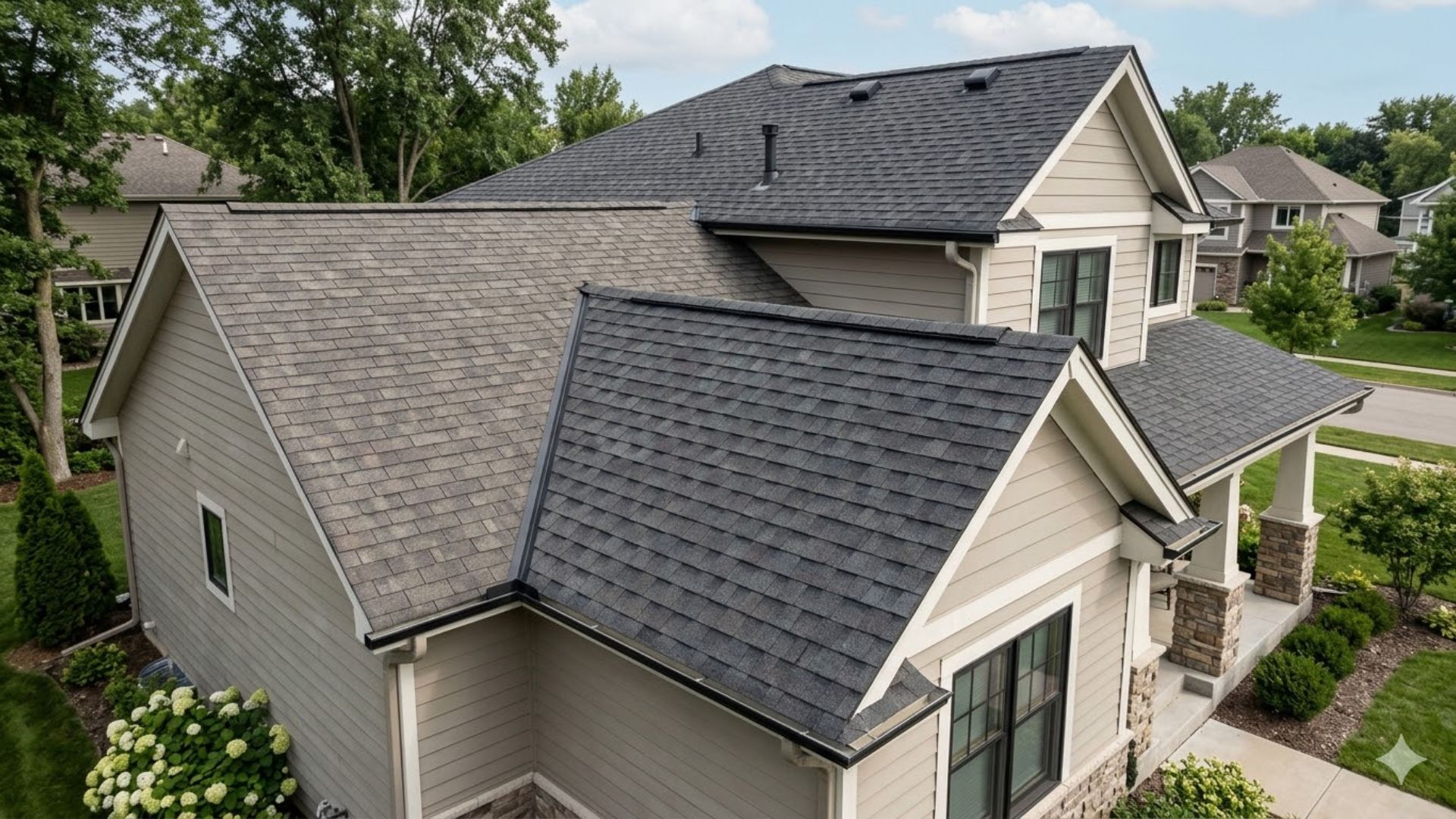
Asphalt shingle roofs are one of the most common roofing options for homes. They are made from a fiberglass base coated with asphalt and small mineral granules.
These shingles are easy to install and work well in most climates. They come in many colors and styles to match your home.
The average cost of asphalt shingles is about $3 to $7 per square foot, including materials and labor.
This makes them a budget-friendly choice for many homeowners. Most asphalt shingle roofs last around 15 to 30 years, depending on quality and weather conditions.
They may need repairs over time, but fixing them is simple and low-cost.
From what I have seen, many homeowners choose shingles first because of the lower price, especially when working with a tight budget.
Metal Roof vs Shingles Cost: Quick Price Comparison
Metal roofs and asphalt shingles differ mainly in upfront price. Shingles are usually cheaper to install, while metal roofs cost more initially but may last longer and offer better long-term value.
| Roofing Type | Average Cost per Sq Ft | Average Total Cost |
|---|---|---|
| Asphalt Shingles | $4–$8 | $7,000–$14,000 |
| Metal Roof | $8–$16 | $15,000–$30,000 |
Installation Cost Comparison
Installation costs can change a lot between metal roofs and shingles. Metal roofing usually costs more to install upfront because it needs skilled labor and special tools.
The panels are heavier and must be placed with care. On the other hand, asphalt shingles are quicker and easier to install, which helps keep labor costs lower.
Most roofing crews are also more familiar with shingles, so the job moves faster.
Roof shape and size also affect the final price. A simple roof will cost less, while a steep or complex design raises labor charges.
Metal roofs may take longer to install, which adds to the cost.
Even though shingles are cheaper at first, installation quality matters for both. A poor job can lead to repairs later, increasing overall costs.
What Affects Metal Roof Cost?
Metal roofing costs can vary based on materials, labor, and how the roof is installed. Each factor plays a role in the final price you pay.
- Material type: Metal roofs use materials like steel, aluminum, copper, or zinc. Higher-end metals cost more but last longer and handle weather better.
- Labor cost: Skilled workers are needed to install metal roofs properly. Because fewer contractors specialize in this, labor charges are usually higher.
- Roof size and shape: Larger roofs need more materials and time. Complex designs with slopes or angles increase both labor and cost.
- Installation method: Some systems need special tools and careful fitting. This adds to the overall installation cost.
- Coating and finish: Protective coatings or paint layers can increase the price but help prevent rust and improve lifespan.
- Location and climate: Costs can rise in areas with high labor rates or where roofs need extra protection against harsh weather.
Metal Roof vs Shingles: Durability and Lifespan
Metal roofs vs shingles in durability comes down to how long each material can handle daily wear and harsh weather.
Metal roofs are strong and can last around 40 to 70 years with little damage.
They resist rain, wind, and heat better than most options. Asphalt shingles usually last 15 to 30 years and can wear out faster in extreme weather.
My brother chose shingles when he built his house to save money, but within a few years, he started facing leaks and had to repair sections, which made metal seem like a better long-term choice.
Shingles may crack, curl, or lose granules over time. Metal does not need frequent repairs, while shingles often need patchwork.
Below is a quick comparison to make it easier to understand:
| Feature | Metal Roof | Asphalt Shingles |
| Average Lifespan | 40–70 years | 15–30 years |
| Weather Resistance | High | Medium |
| Maintenance | Low | Moderate |
| Damage Risk | Less likely | More likely |
| Long-Term Value | Higher | Lower over time |
Maintenance and Repair Costs Over Time
Metal roofs usually require fewer repairs than other roofing materials. Homeowners mainly focus on rust protection in certain climates and occasional fastener checks.
When properly maintained, metal roofs rarely require frequent repairs, helping reduce long-term maintenance costs over many years.
Asphalt shingle roofs generally require more regular maintenance over time.
Homeowners may need to replace damaged shingles caused by wind or storms, repair leaks, and address weather-related wear.
These repairs can add up gradually, increasing the total maintenance cost during the roof’s lifespan.
Energy Efficiency and Utility Savings
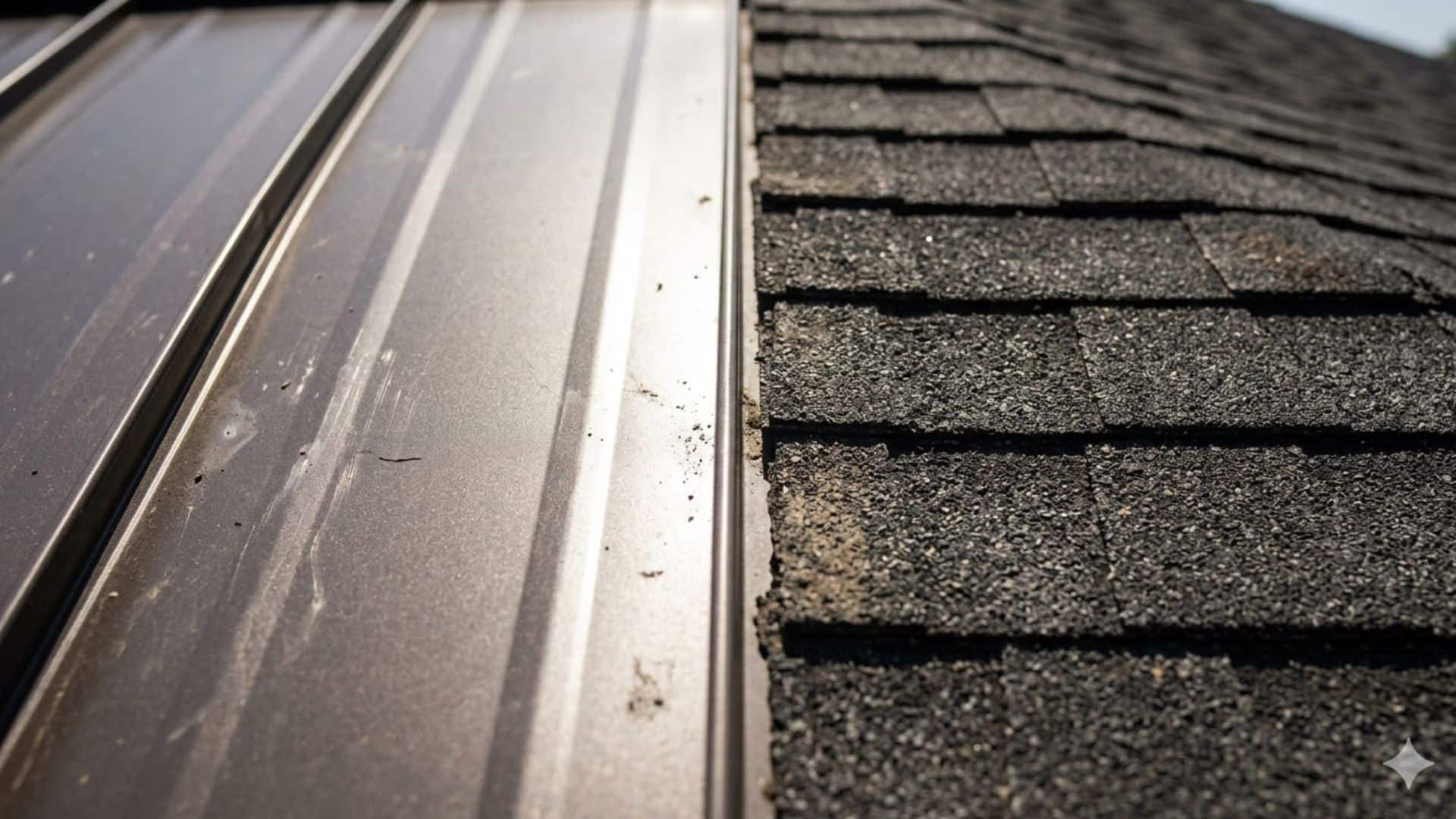
Roofing materials can influence how much heat enters your home, which affects indoor temperature and energy use.
Metal roofs reflect a large portion of sunlight instead of absorbing it, helping reduce heat buildup in the attic. This reflective property can keep homes cooler during hot months.
In contrast, asphalt shingles tend to absorb more heat from the sun, which may increase indoor temperatures.
As a result, air conditioning systems may work harder to cool the home. In warm climates, homeowners with reflective metal roofs may notice lower cooling demands.
Over time, this improved energy performance can lead to noticeable utility savings during the hottest months of the year.
Metal vs Shingles: Which Should You Choose?
Asphalt shingles are often the preferred option for homeowners who want a reliable roof without a large upfront investment. They are affordable, widely available, and easier to install than many other roofing materials.
| Situation | Explanation |
|---|---|
| Lower upfront budget | Asphalt shingles are one of the most affordable roofing materials. Homeowners often choose them when replacing a roof without spending a large amount upfront. |
| Quick installation needs | Shingle roofs install faster than metal roofs. Contractors can complete the job quickly, reducing labor time and helping homeowners finish roofing projects sooner. |
| Short-term homeowners | People planning to move within a few years may prefer shingles since the lower upfront cost makes sense when long-term durability is less important. |
| Simpler roof designs | Asphalt shingles work well on most residential roofs. Their flexible design allows easier installation on simple roof structures without specialized materials. |
Conclusion
Choosing between a metal roof and asphalt shingles often depends on balancing upfront cost and long-term value. Shingles are typically the budget-friendly option for many homeowners.
Metal roofs, on the other hand, require a higher initial investment but can provide greater durability, longer lifespan, and potential savings over time.
When deciding, it helps to think about how long you plan to stay in your home, your local weather conditions, and how much maintenance you are willing to handle.
Looking at both short-term and long-term costs can make the decision clearer and help you choose the roof that fits your needs.
If you have installed either type of roof, share your experience in the comments below to help other readers make an informed choice.