

Have you ever walked into a room and instantly felt at ease? Or stepped into a messy space and felt your mood drop without knowing why?
That’s interior design at work, quietly shaping how comfortable, calm, or energized you feel without announcing itself.
It’s about how a space makes you feel, how it works for your life, and how it reflects who you are.
In this article, I’ll walk you through why interior design is interesting, not just as a profession, but as something that touches everyday life. You’ll see how design shapes your mood, why creativity plays a big role, and how even small changes can make a real difference at home.
What Makes Interior Design More Than Just Decoration?
Decoration is about adding things that look good. Interior design goes much deeper than that.
A good designer thinks about how a room works, not just how it looks. That means considering how natural light moves through a space during the day.
It means thinking about how people move from one area to another. It also means understanding how the layout affects the way a room feels.
Interior design is a problem-solving process. A beautiful room that feels cramped or awkward hasn’t been designed well, it’s just been decorated.
Space planning, lighting, airflow, and human behavior all play a part. Every decision has a reason behind it.
Example: two living rooms, same sofa, same rug. In one, the sofa faces the TV. In the other, it’s angled toward a window with a reading chair pulled alongside. The second room works better for conversation, feels less like a waiting room, and makes better use of natural light. Same furniture, different thinking.
How Interior Design Shapes the Way You Feel at Home
A space does more than hold furniture, it sets the tone for how life feels inside it. Several factors quietly drive that effect:
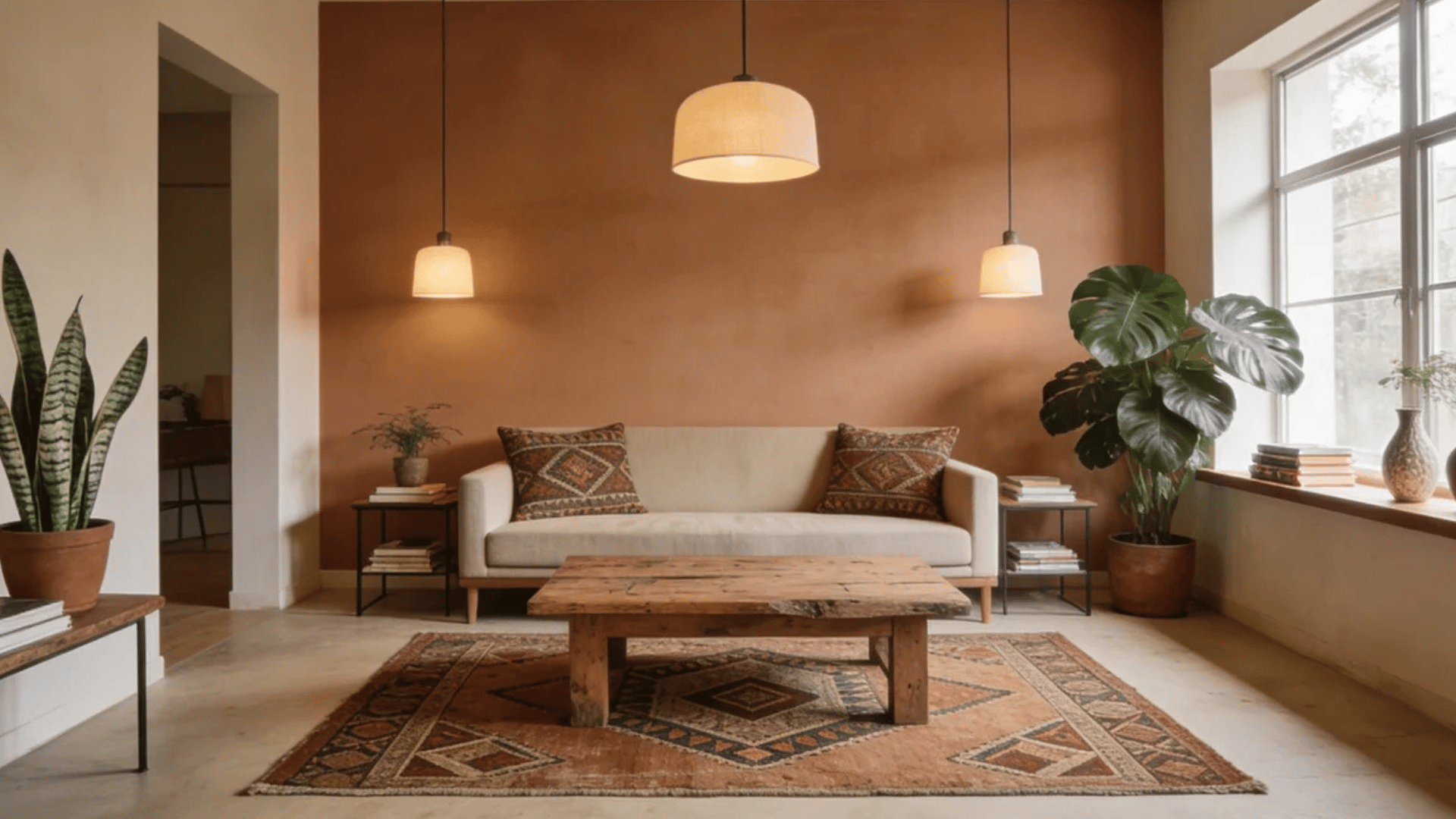
- Color Choices: Soft blues and greens create a calm, cooler atmosphere. Warm tones like terracotta and amber make a room feel cozy and grounded.
- Lighting Quality: Harsh overhead lighting can make a space feel tense and uninviting. Warm, layered lighting instantly makes a room feel more relaxed and comfortable.
- Room Layout: The arrangement of furniture affects how open or closed a space feels. A sofa facing a window instead of a wall can completely shift the energy of a room.
- Texture and Fabric: Soft materials like linen, cotton, and wool add warmth to a space. Hard, cold, untextured surfaces can make a room feel clinical and unwelcoming.
- Clutter vs. Clarity: A cluttered room creates low-level stress that’s easy to overlook. A clean, organized space supports clearer thinking and a calmer state of mind.
- Natural Elements: Plants, wood finishes, and natural light make a space feel alive and grounded. Research from the University of Exeter found that adding plants to a workspace improved concentration by up to 15%; a small addition with a measurable return.
None of these require a full redesign. Changing even one of them can shift how a room feels day to day.
Why Every Room Tells a Unique Story
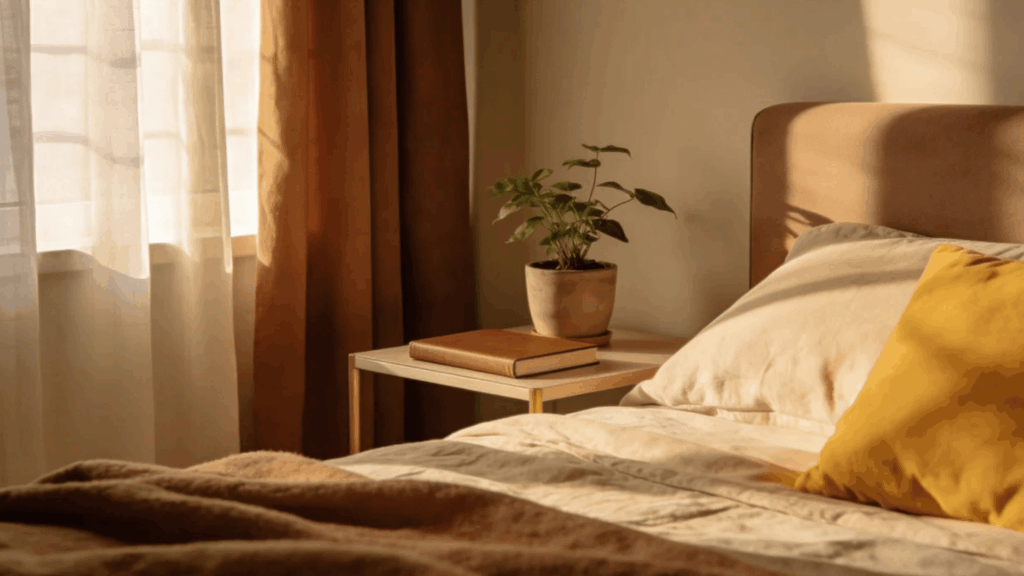
Walk into almost any home, and something about the people living there becomes clear without a single word being spoken.
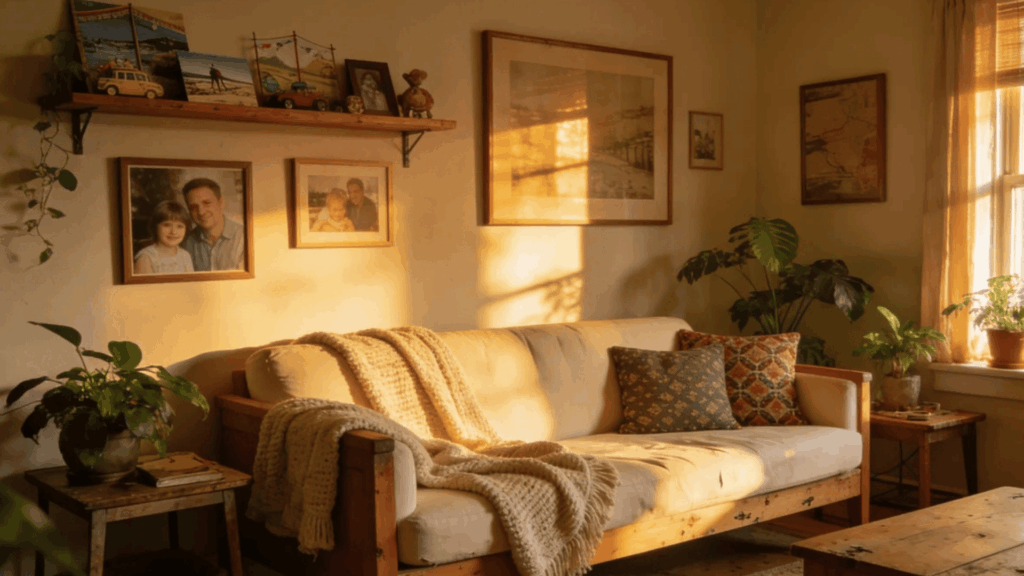
The books on a shelf, the photos on the wall, the way a dining table is set up — formal or relaxed — all of it communicates something real.
The furniture someone picks, the colors they choose, even the way objects are arranged on a shelf — it all adds up to a story about who they are and what they value.
That’s why two people can start with the same empty room and end up with completely different spaces.
Every design choice is a form of self-expression. The room reflects the person.
How Interior Design Blends Art, Function, and Personality
The best spaces do three things at once: they look good, they work well, and they feel personal.
That balance isn’t always easy to get right. A room can be beautiful but impractical. It can be functional but cold.
Getting all three to work together is where good design really shows. Think of a well-built bookshelf. It’s not just storage; it’s organized in a way that’s easy to use, visually interesting, and reflects the taste of the person who put it together. That’s art, function, and personality working together.
Good interior design doesn’t force a choice between form and function. It finds a way to serve both without sacrificing either.
The Surprising Psychology Behind a Well-Designed Space
Design affects the mind in ways that aren’t always obvious.
Studies show that exposure to natural elements like plants, wood, and natural light can lower stress and improve focus.
The thinking behind this is straightforward: humans spent most of their history surrounded by nature, so spaces that echo natural environments tend to feel instinctively comfortable.
Bringing that into a room doesn’t require anything elaborate. A windowsill plant, a timber side table, or simply keeping curtains open during the day can all tap into the same effect. This approach is now applied widely in both homes and workplaces because the results are consistent and the changes are easy to make.
Color psychology is another real factor. Bright yellows can boost energy. Deep greens can bring calm. Pale grays can feel clean and focused. These effects are subtle, but they’re consistent.
Room layout plays a role too. A space that feels open and organized tends to support clearer thinking. A cluttered or poorly arranged room can create a low-level tension that’s hard to place.
None of this requires a psychology degree to apply; just awareness of how a space feels and a willingness to adjust it.
Why Interior Design Is a Skill Anyone Can Learn and Enjoy
Interior design isn’t reserved for professionals or people with large budgets. The basics are accessible to anyone willing to pay attention.
Learning about color combinations, understanding how to arrange furniture for better flow, and knowing when a room needs more light are skills that can be picked up gradually.
Mintpaldecor was built on this belief. Good design should be approachable. It shouldn’t require expensive consultants or complete renovations to start making a space feel better.
Starting small is perfectly fine. Rearranging a room, swapping out cushion covers, or adding a plant are all legitimate design moves.
The goal isn’t perfection. It’s creating a space that works and feels good to be in.
Small Changes that Lead to Big Updates in Your Home
Renovation budgets aren’t required. Some of the most noticeable improvements come from changes that take under an hour and cost nothing at all:
- Swap Your Lighting: Replacing a harsh overhead bulb with a warmer one changes the entire mood of a room. Adding a floor lamp to a dark corner makes a space feel larger and more inviting.
- Bring in a Plant: A single plant on a windowsill makes a surprising difference; fresher, more alive, almost immediately.
- Rearrange the Furniture: This costs nothing but time. Shifting a chair toward natural light or clearing a path through the center of a room can change how the whole space reads.
- Change the Cushion Covers: Swapping out cushion covers in a different color or texture is a quick way to refresh a room. It’s a small detail that makes a noticeable difference.
- Add a Mirror: Placing a mirror on a wall opposite a window bounces natural light around the room. It makes smaller spaces feel bigger and brighter without any structural changes.
- Declutter One Area: Clearing a single surface — shelf, countertop, or corner — can make an entire room feel more organized. Less visual noise leads to a calmer, more comfortable space.
Pick one. Do it this week. The difference is usually noticeable within the same day.
What Mintpaldecor Believes About Home
At Mintpaldecor, the design approach stems from one core idea: a home should feel like it belongs to the people who live in it.
That means moving away from spaces that look like showrooms and toward spaces that feel real, comfortable, and personal.
A well-designed home isn’t about impressing visitors. It’s about supporting the people who actually live there.
That means making conscious choices about a space, thinking about what a room needs to do, how it should feel, and what it should say about the people in it.
That kind of thoughtful approach is what Mintpaldecor brings to every project: not just good-looking rooms, but spaces that genuinely work for real life.
Final Thoughts
Interior design isn’t just about making a home look good. It’s about making it feel right for the people living in it, the way they move through it, and the life happening inside it.
A well-designed space doesn’t need to be expensive or perfect. It just needs to be considered.
Even the smallest changes like a warmer bulb, a rearranged chair, or a single plant can shift how a home feels on an ordinary Tuesday morning.
That’s what makes interior design so worth paying attention to.
At Mintpaldecor, the belief is simple: every home deserves to feel like it truly belongs to the person living in it.
Frequently Asked Questions
How Is Interior Design Different From Interior Decorating?
Decorating focuses on looks. Interior design plans space, function, and flow, affecting how a room works, not just how it appears.
Can Interior Design Affect Mental Health?
Yes. A well-organized, thoughtfully designed space can reduce stress, improve focus, and support a calmer state of mind.
Does Interior Design Need a Big Budget?
No. Simple changes like rearranging furniture, adding a plant, or swapping lighting can make a noticeable difference.
How Does Color Affect a Room’s Feel?
Color directly influences mood. Cool tones like blue and green create a sense of calm. Warm tones like amber and terracotta feel cozy.
Is Interior Design a Skill Anyone Can Learn?
Yes. Layout, lighting, and color are all learnable. Starting with one room and making small adjustments is enough to begin building that eye.