

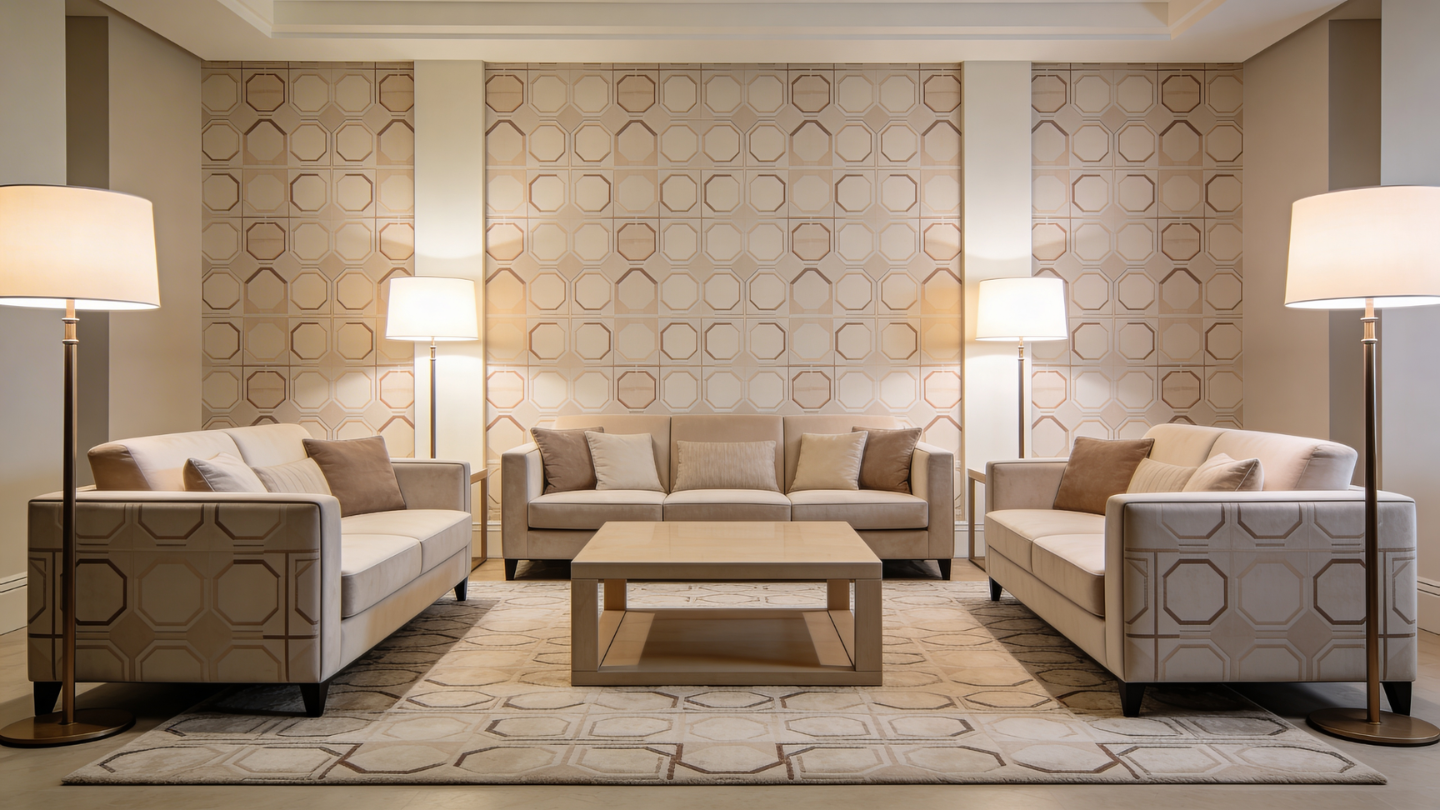
I’ve noticed that sometimes a room can feel messy or a bit off, even when all the furniture looks nice. That usually happens when nothing connects the space together.
That’s where repetition in interior design really helps. It’s a simple idea, but it can make a big difference in how your home feels.
In this blog, I’ll explain what repetition in interior design means and why it matters for creating a calm and balanced space.
I’ll also show you how repetition works, the different ways you can use it, and easy examples you can try at home. Plus, I’ll share common mistakes to avoid and simple tips to keep your space from feeling boring.
By the end, you’ll have a clear idea of how to use repetition to make your home feel more put-together.
What Is Repetition in Interior Design?
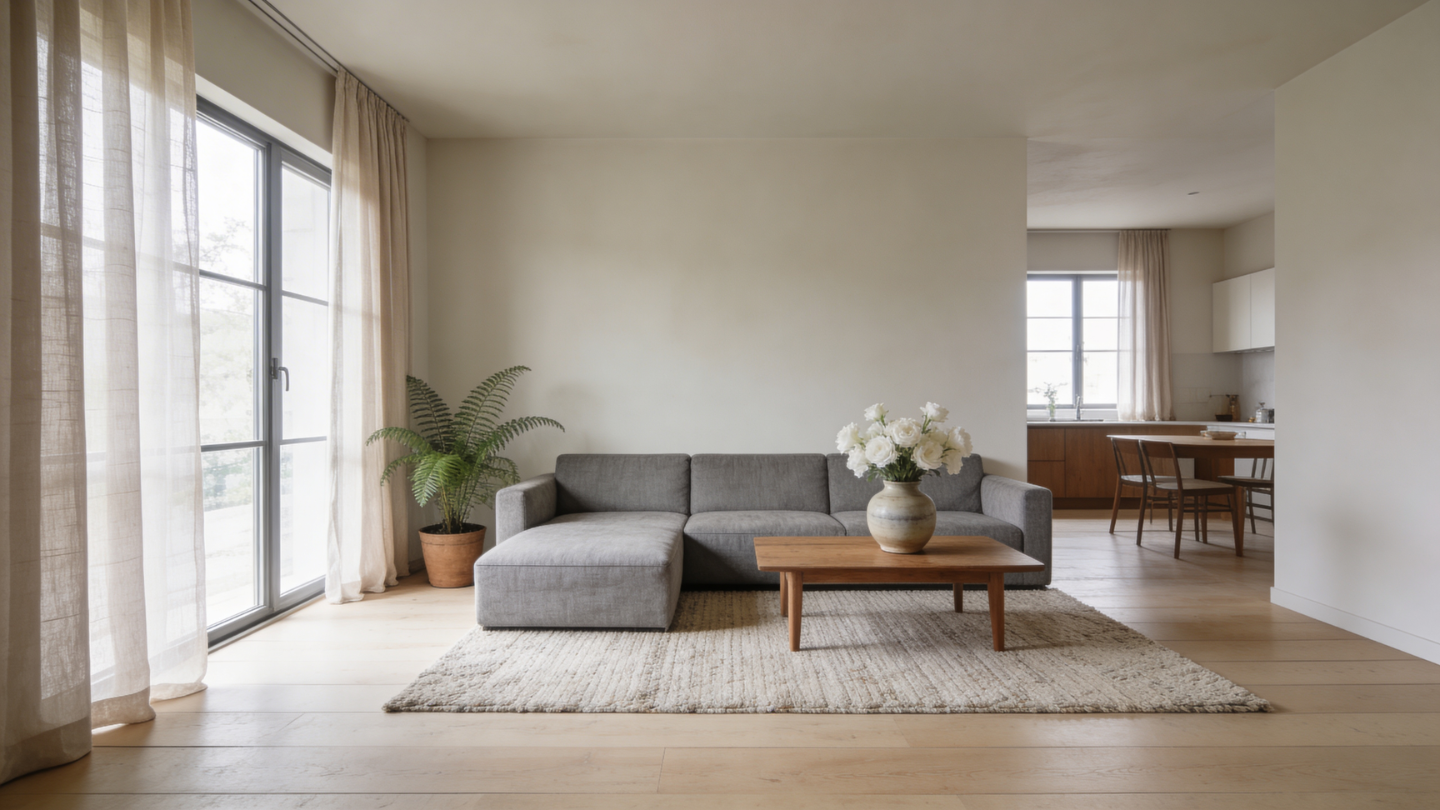
Repetition in interior design means using the same or similar elements more than once in a space to create a sense of unity and flow.
These elements can include colors, shapes, patterns, textures, or materials. Instead of placing random items in a room, repetition helps connect everything, making it feel organized and intentional.
For example, you might repeat a color from your sofa in your cushions, artwork, and rug. This creates a visual link that makes the room feel complete.
Repetition does not mean everything has to match exactly. Small variations can still work while keeping the overall look balanced.
When used well, repetition helps guide the eye smoothly around the room and makes the space feel calm, cohesive, and easy to enjoy.
Why Repetition in Interior Design Is Important
Repetition helps bring order and comfort to a space. It makes a room feel connected instead of random or scattered.
- Creates Visual Balance: Repeating elements helps distribute color and style evenly, so no part of the room feels out of place.
- Builds Unity: It connects disparate elements, making the space feel cohesive.
- Improves Flow: Guides the eye smoothly from one area to another without confusion.
- Adds Comfort: Familiar patterns make a space feel calm and easy to enjoy.
- Enhances Style: Strengthens your chosen design theme and makes it more noticeable.
How Repetition Works in Interior Design
Repetition in interior design works by creating a visual path that your eyes can follow around a room. When certain elements like colors, shapes, or textures appear more than once, your brain starts to recognize a pattern.
This pattern makes the space feel organized and easy to understand. For example, repeating a color in curtains, cushions, and artwork helps tie different areas together.
It also creates a sense of rhythm, similar to how beats repeat in music. This rhythm keeps the room from feeling flat or confusing.
Instead, it feels smooth and balanced. When used correctly, repetition acts like a quiet guide, helping your eyes move naturally from one part of the room to another without feeling overwhelmed.
Intentional vs. Accidental Repetition
Not all repetition is designed. Accidental repetition, ending up with three brown furniture pieces because each seemed fine in the store, creates heaviness without cohesion.
Intentional repetition is a deliberate choice: you select an element, decide where it will appear, and control the spacing.
That distinction is what separates a room that feels considered from one that feels crowded with similar things.
Common Ways to Use Repetition in Interior Design
Repetition can be added in simple and creative ways throughout your home. The key is to repeat elements enough to create a connection without making the space feel too uniform.
1. Color Repetition
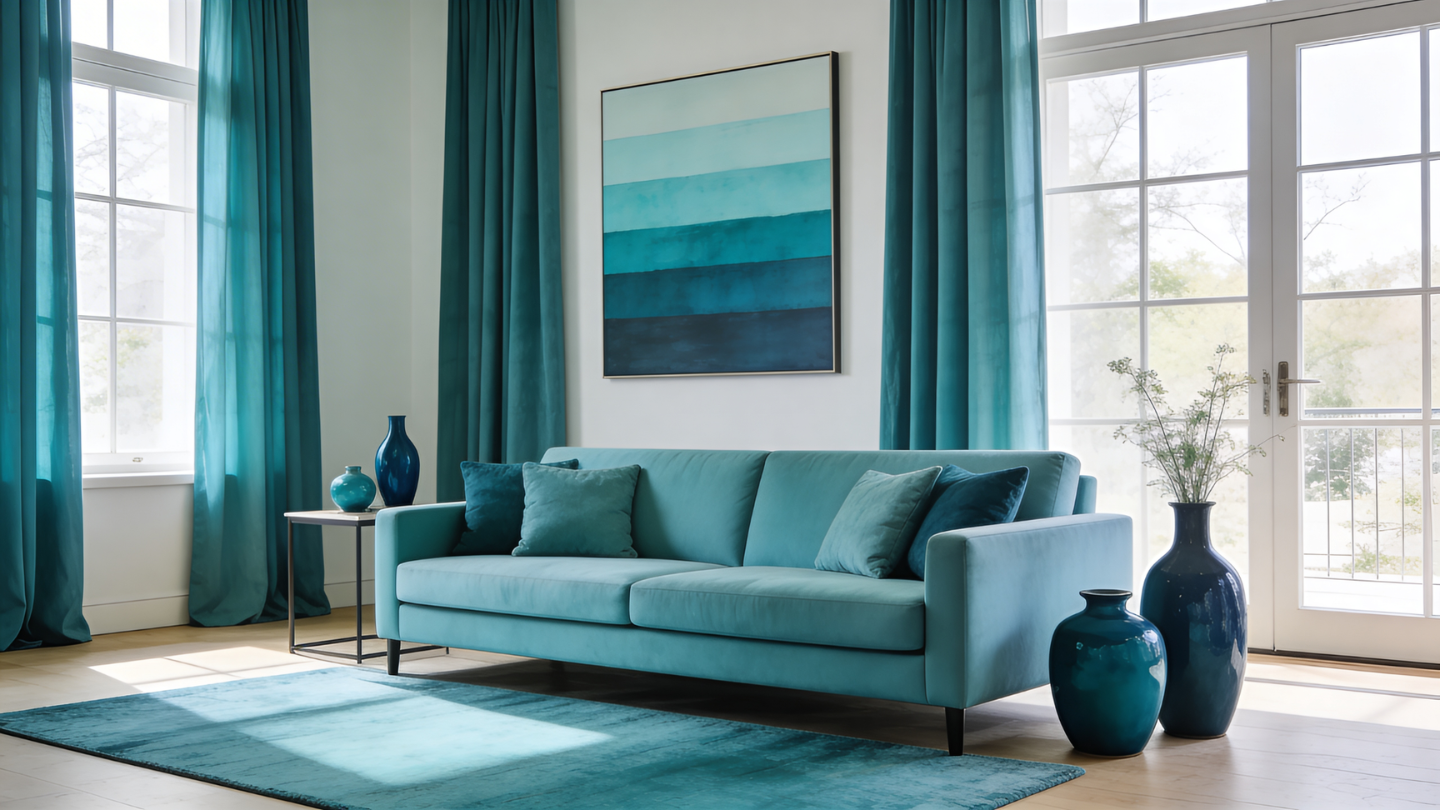
Color repetition is one of the easiest ways to bring a room together. You can pick one or two main colors and use them across different areas, such as cushions, rugs, curtains, and wall art.
This helps create a strong visual link across the space. For example, if you use a soft blue on your sofa, you can repeat it in throw pillows or a vase.
The colors do not need to match perfectly; slight variations still work well. This method makes the room feel balanced and planned, while also adding warmth and personality without making it look too repetitive or dull.
2. Shape Repetition
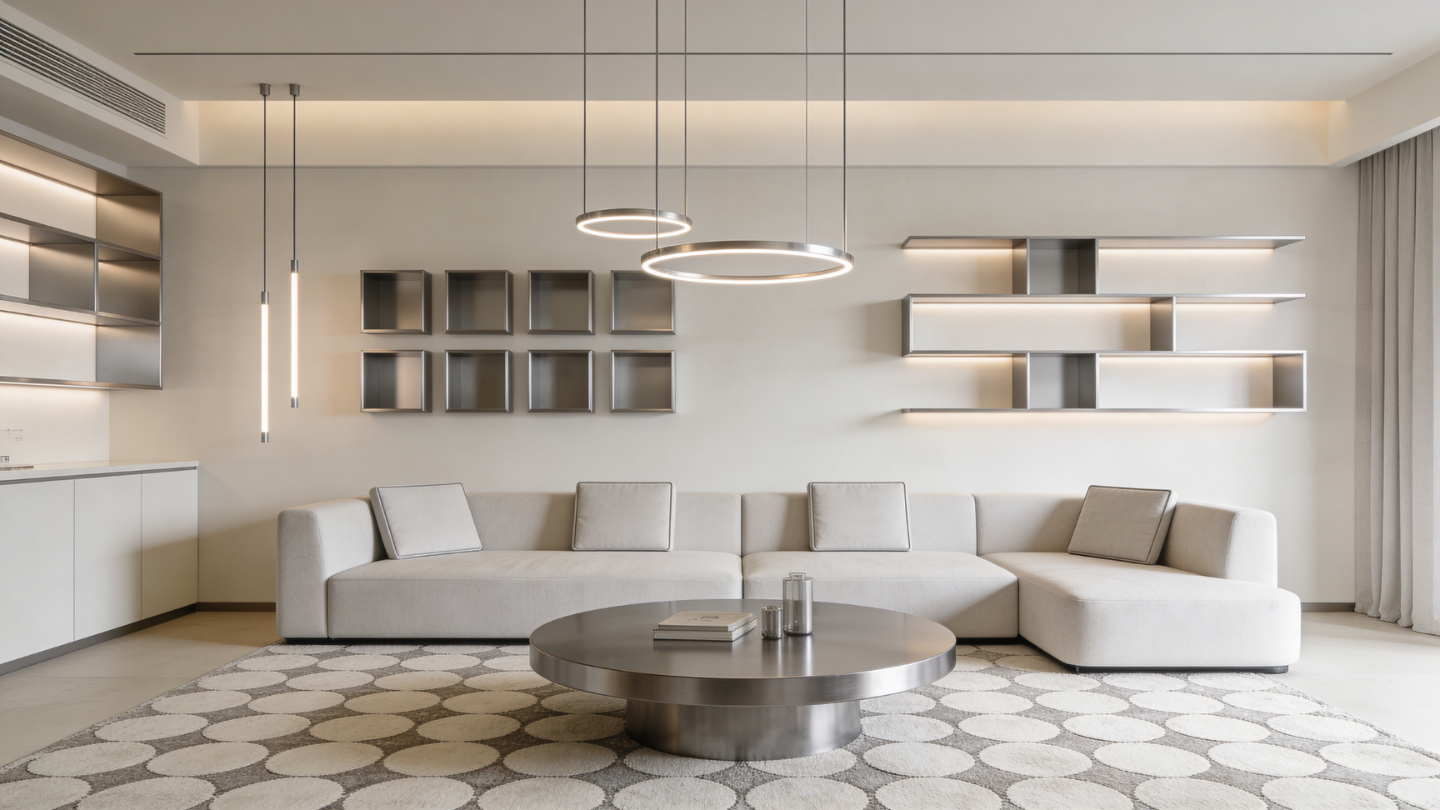
Repeating shapes helps create a sense of structure and flow in a room. You might notice circles, squares, or curved lines appearing in different items like mirrors, tables, and decor pieces.
For example, a round mirror, a circular coffee table, and curved lamps can all work together to create harmony. This makes the design feel intentional instead of random.
Shape repetition also helps guide the eye smoothly across the space. Even small details, like patterns on cushions or frames, can support this idea.
When shapes are repeated thoughtfully, the room feels more organized and visually pleasing without needing too many decorations.
3. Pattern Repetition
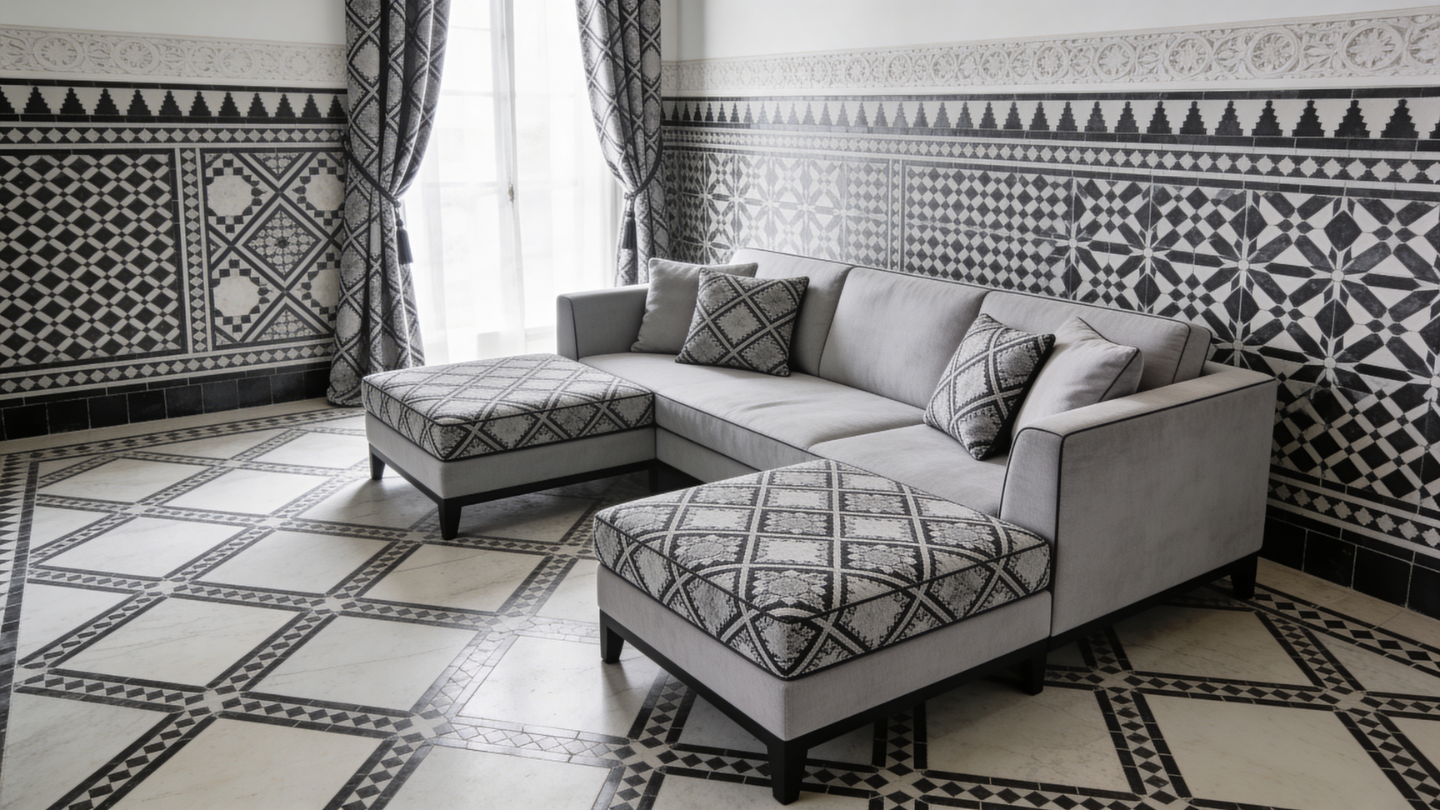
Pattern repetition adds depth and interest to a space while still keeping it connected. You can use patterns like stripes, florals, or geometric prints on items such as cushions, rugs, or curtains.
Repeating the same pattern in different sizes or areas helps create a consistent look. For example, a striped rug and striped cushions can tie the room together.
However, it is important to balance patterns so they do not overwhelm the space. Mixing patterns with solid colors can help.
When done right, pattern repetition makes a room feel lively and stylish while still keeping everything connected and easy to follow.
4. Texture and Material Repetition
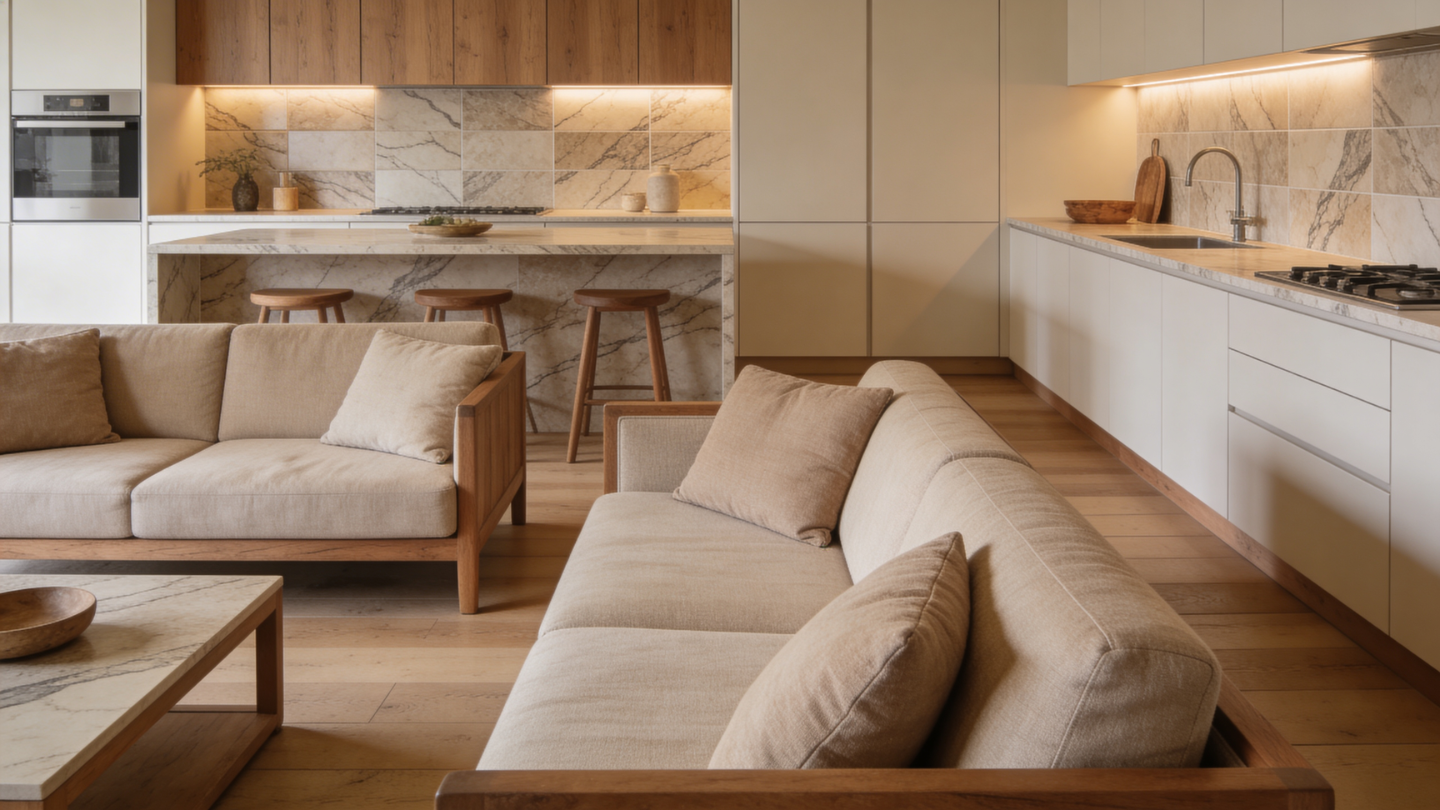
Repeating textures and materials helps add richness and depth to a room. You can use materials like wood, metal, glass, or fabric in multiple places to create a unified look.
For example, wooden furniture, wooden frames, and wooden shelves can tie the room together naturally. The same idea works with soft textures like fabric or leather.
Mixing different finishes of the same material can also add interest without breaking the flow. This type of repetition creates a space that feels warm and layered.
It also helps balance both soft and hard elements, making the room more comfortable and visually appealing.
5. Lighting Repetition
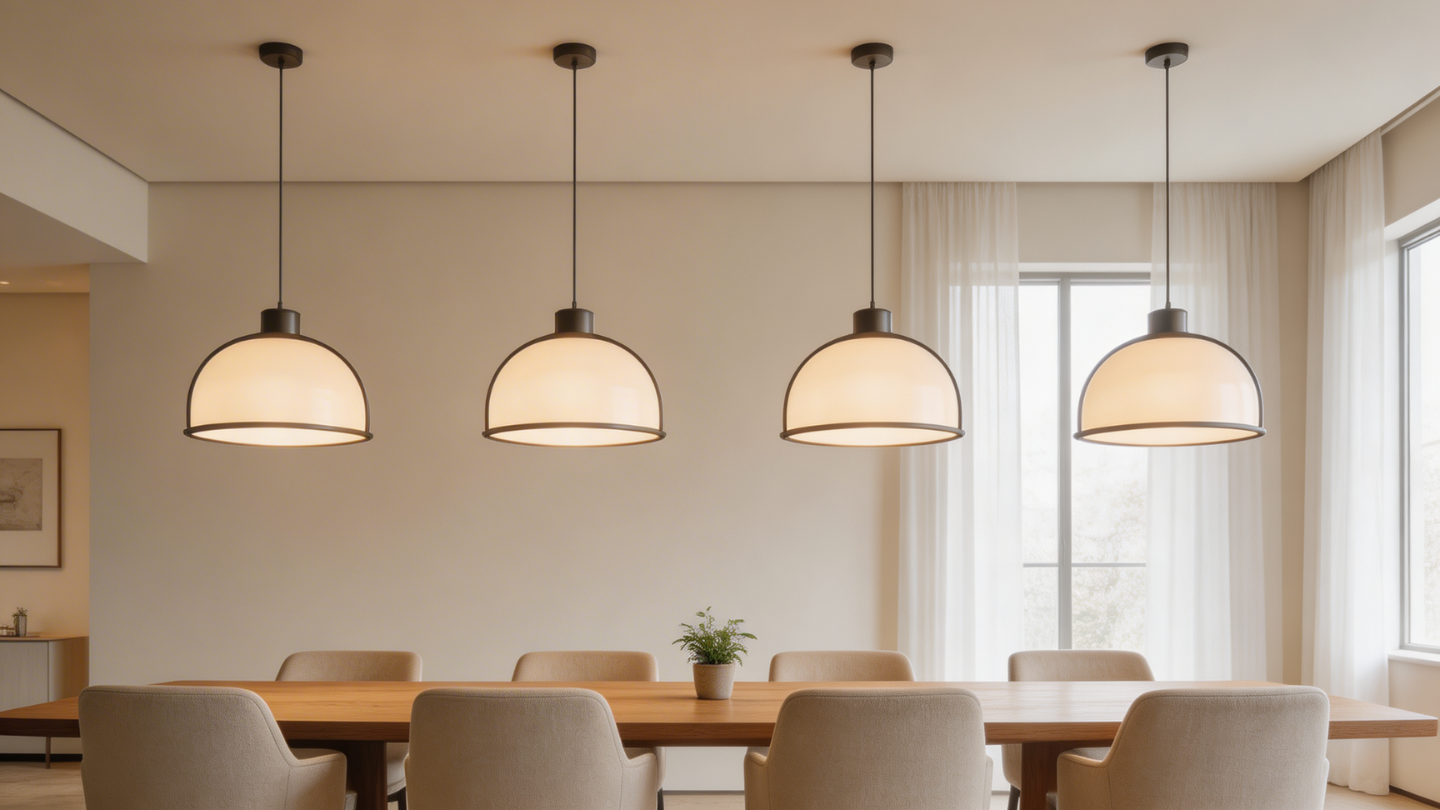
Lighting repetition is a simple way to create balance and consistency in a room.
You can use similar lighting styles, such as matching pendant lights over a kitchen island or identical table lamps on both sides of a bed.
Even if the lights are not exactly the same, keeping a common shape, color, or material helps tie them together. This makes the space feel more organized and well planned.
Repeating lighting elements also helps evenly distribute light, improving both function and style. When done right, it adds a clean and polished look without making the room feel too uniform.
Easy Examples of Repetition in a Room
Repetition can be seen in everyday home setups without much effort. These simple examples show how small details can make a big difference.
- Living Room Setup: A sofa color repeated in cushions, a rug, and wall art helps tie the entire seating area together.
- Bedroom Design: Matching bedside lamps and repeating bedding colors create a calm, balanced look.
- Dining Area Style: Similar chair designs and repeated table decor create a neat, uniform feel.
- Kitchen Elements: Using the same metal finish for handles, faucets, and lights ties the space together.
- Decor Accessories: Repeating vases, frames, or candles in similar styles adds a clean and cohesive touch.
- Rental-Friendly Repetition: If you cannot make structural changes, use soft furnishings alone to create repetition. Repeat one accent color in a throw blanket, two cushions, and a small piece of art.
Comparing Repetition, Pattern, Symmetry and Rhythm
These three design terms are often confused, but they each have a different role. Understanding the difference helps you use them correctly in your space.
| Concept | Meaning | How It Works | Example |
|---|---|---|---|
| Repetition | Using the same elements multiple times | Elements appear across different areas of a room | Same color used in cushions, rug, and art |
| Pattern | A repeated design within one item | Design repeats in a fixed, decorative way | Floral or striped print on fabric |
| Symmetry | Balanced arrangement on both sides | Items are mirrored evenly | Two identical lamps on each side of a bed |
| Rhythm | Repetition with movement or variation | Repeated elements arranged with the intention of creating visual flow | Three candles at varying heights on a shelf |
Common Mistakes to Avoid
Repetition is helpful, but using it the wrong way can make a space feel dull or messy. Avoid these common mistakes to keep your design balanced and fresh.
- Overmatching Everything: Using the exact same color, shape, or item everywhere can make the room feel flat and boring.
- Too Many Different Elements: Adding too many unrelated items breaks the sense of connection that repetition is meant to create.
- Ignoring Variation: Not adding small changes in size, shade, or texture can make repetition feel too rigid.
- Poor Placement: Repeating elements without proper spacing can make the room look uneven or cluttered.
- Forgetting Balance: Focusing too much on one element while ignoring others can throw off the overall look.
How to Use Repetition Without Making a Room Boring
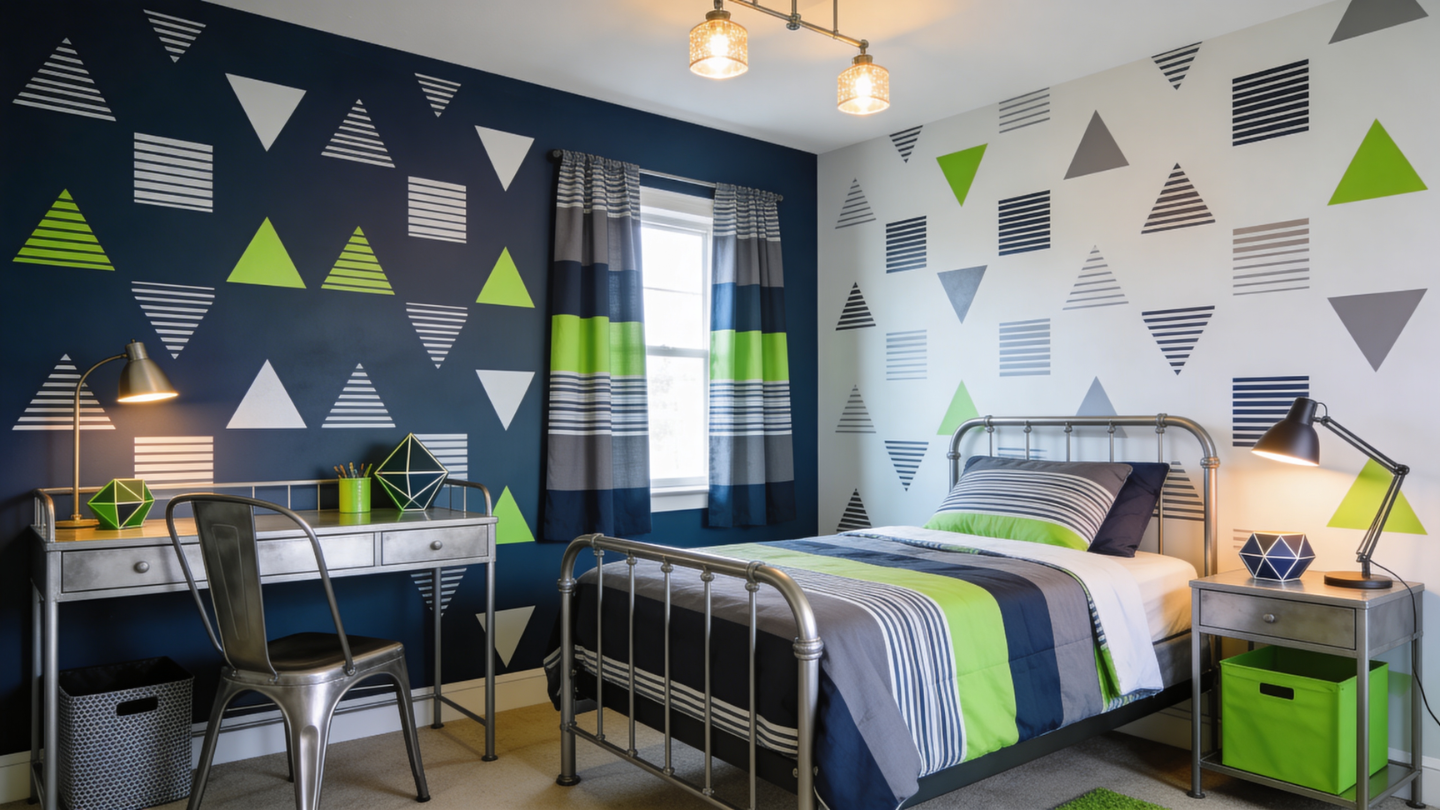
Repetition works best when it is balanced with small changes. Instead of using the exact same item everywhere, try mixing similar elements with slight differences.
For example, you can repeat a color in different shades or use the same shape in different sizes. This keeps the space interesting while still feeling connected.
You can also combine repetition with contrast by adding a few unique pieces that stand out. Spacing is important too, so avoid placing repeated items too close together.
Let them appear naturally across the room. The goal is to create a sense of flow without making the design feel too predictable.
When done right, repetition adds harmony while still keeping the space fresh and visually appealing.
The Contrast Anchor: One technique I use in almost every project is placing at least one element that deliberately breaks the repeated pattern, a different texture, an unexpected color, or a statement piece.
This contrast anchor actually makes the repetition around it more visible and more intentional. Without it, repetition can slide into monotony. With it, the room feels curated.
Simple Tips to Apply Repetition in Your Home
You don’t need a full redesign to use repetition in your space. Small, thoughtful changes can quickly make your home feel more connected and balanced.
- Start with a Color Palette: Choose 2–3 main colors and repeat them in different items like cushions, rugs, and decor.
- Repeat at Least Three Times: Using an element three times helps it feel intentional and noticeable.
- Mix, Don’t Match Exactly: Use similar styles or shades instead of identical items to keep things interesting.
- Spread Elements Around: Place repeated items across the room rather than in a single spot to improve flow.
- Use Small Decor First: Start with easy items like vases, frames, or pillows before making bigger changes.
Final Thoughts
As I’ve shared in this guide, repetition is one of the easiest ways I use to make a space feel calm, balanced, and complete. It helps bring everything together without needing a full makeover or expensive items.
Even small changes, like repeating a color or shape, can make a big difference.
I always try to keep things simple, repeat a few elements, add slight changes, and give them enough space to stand out.
That way, the room feels connected but not boring. It’s really about creating a natural flow that feels easy on the eyes.
If you’re updating your home, I suggest starting small and seeing what works for you. Try a few ideas from this guide and notice the change. And if this helped you, feel free to share it or save it for later!
Frequently Asked Questions
Can Repetition be Used Effectively in Small Spaces?
Yes, repetition works well in small spaces by making them feel more organized and less cluttered. Using a few repeated elements can create a sense of order without overwhelming the room.
How Often Should Elements be Repeated in a Room?
There is no fixed rule, but repeating an element at least two to three times helps create a clear connection. It should feel natural rather than forced.
Does Repetition Work in All Interior Design Styles?
Yes, repetition can be used in any style, from modern to traditional. It simply adapts to the overall theme and enhances the design consistency.
Can Repetition Affect the Mood of a Space?
Yes, repetition can influence how a space feels by creating a sense of calm and comfort. It helps make the environment more visually relaxing and easy to enjoy.
Is Repetition Only Used for Decorative Purposes?
No, repetition is not just about looks; it also improves how a space feels and functions. It helps create a more structured and visually connected environment.