

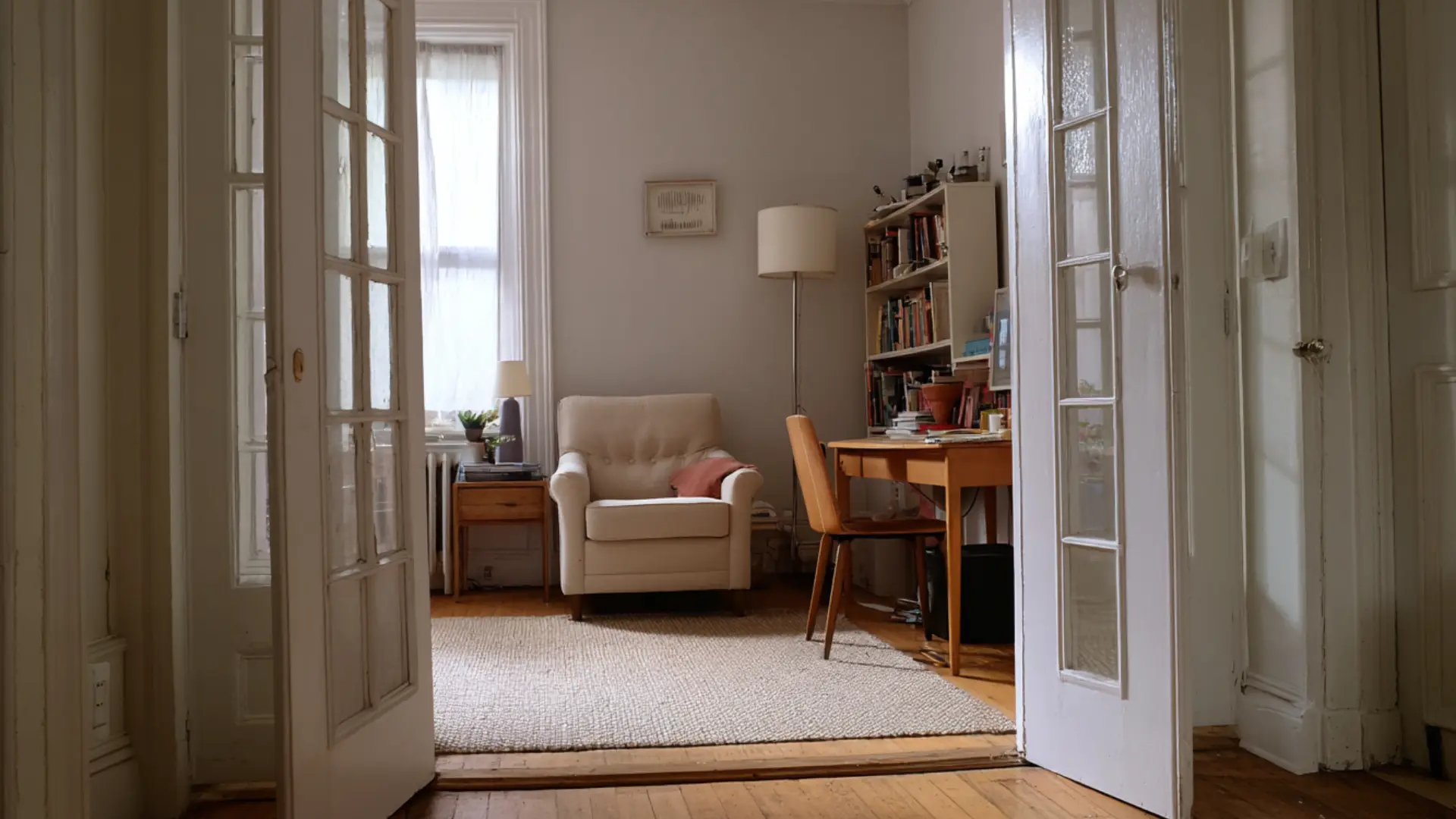
Some homes have a room nobody can quite name. It shows up on a floor plan with no clear job.
The space is usually small and sits off the main living area. Some have a door, some have a closet, and some have neither.
Agents use the word loosely, so the meaning shifts by listing. So what is a den in a house? It comes down to a few traits that repeat across floor plans.
I will walk you through each one in plain language. You will also see how a den differs from a living room or bedroom. Stick with me, and you will name that room with confidence.
What Is a Den in a House?
A den is a small, informal room inside a home. It is built for comfort, not for show. Most dens sit apart from the living room and other busy areas.
That separation is the point. The room feels quiet, cozy, and a little private. No rule governs what happens inside. Some people read there. Others watch TV, work, play games, or nap.
Cambridge defines a den as a room often used for reading and watching television. Real estate listings treat the word more loosely today.
Dens show up in houses, townhomes, condos, and apartments. The closest cousin is the small keeping room, which sits off the kitchen with the same informal feel.
Size and shape vary a lot, but the relaxed feel stays the same.
What Makes a Room a Den?
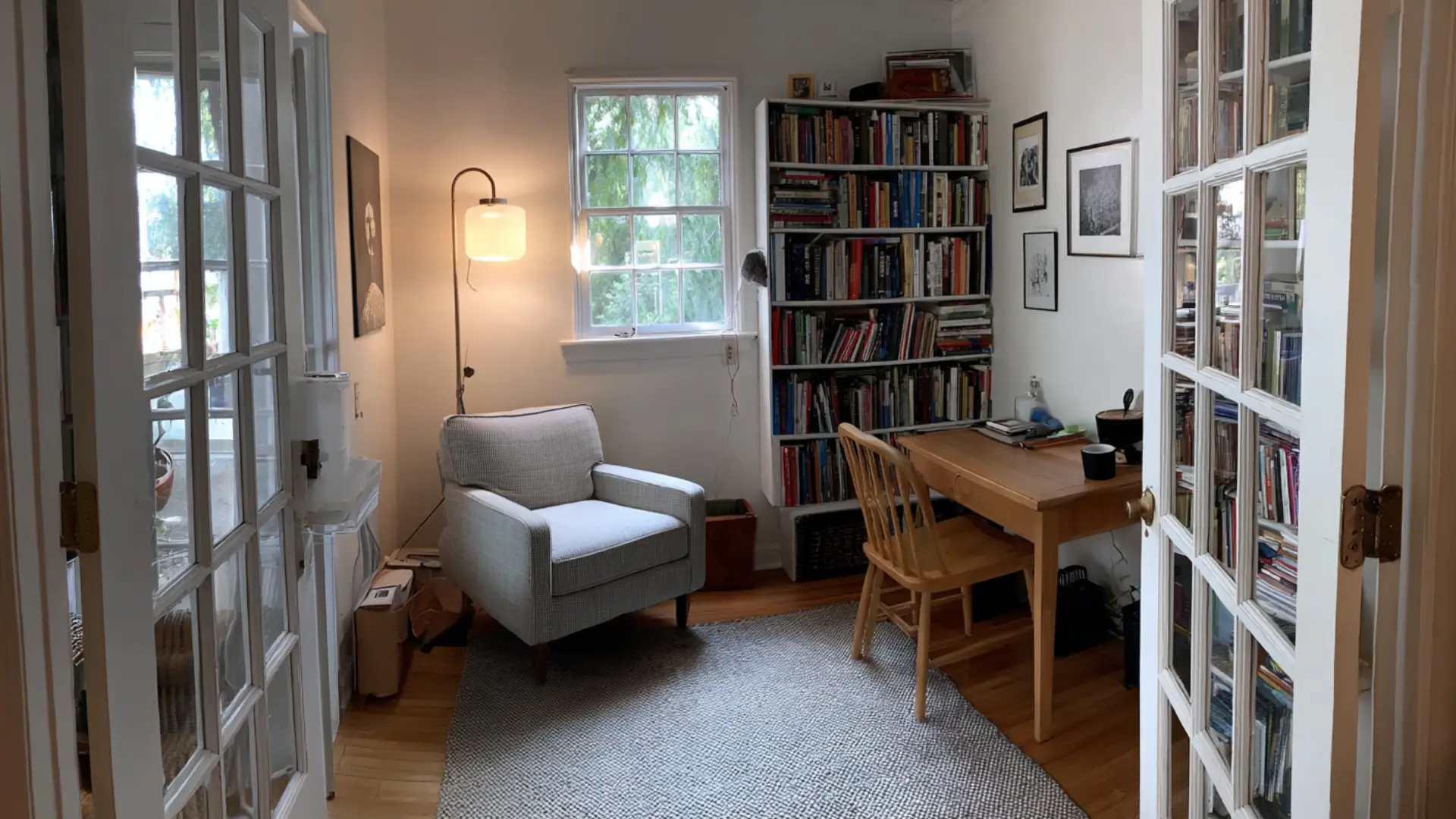
Builders and agents label these rooms by size, location, and feel rather than a fixed standard. Still, I keep seeing the same few traits pop up on floor plans:
1. Smaller Than the Living Room
Dens are usually smaller than living rooms or family rooms. The space is built for one person, a couple, or a small group. It is not meant for big parties or crowds.
Do not expect a set square footage, though. Den sizes vary a lot from one home to the next. Some feel snug. Others come close to the size of a small bedroom.
2. Tucked Away for Privacy
A den often sits away from the kitchen and main living area. That distance reduces noise and foot traffic. The entry can be a standard door, French doors, or sliding doors.
Some dens have no door at all. Either way, the room tends to feel tucked away. That quiet makes it a good spot for focused work or calm downtime.
3. Flexible Purpose
A kitchen is for cooking. A bedroom is for sleeping. A den has no job written into its name, and I think that freedom is the whole appeal. One family may use it as a playroom for young kids.
Years later, the same room becomes a home office. After that, it might turn into a quiet reading nook. I like that the space changes as the household changes.
4. Missing Bedroom Features
Plenty of dens skip the features you expect in a bedroom. Many have no closet, and the ones that do usually get open wood closet shelves rather than a proper reach-in.
Some get little natural light. A few have no exterior window at all. These gaps often explain why the room is not listed as a bedroom.
Still, none of it is a hard rule. Some dens have big windows, French doors, and plenty of storage.
Den vs. Other Rooms: What Is the Difference?
The lines between these rooms blur from house to house. A quick side-by-side makes the differences easier to spot:
|
Room |
Main Purpose |
Privacy |
Character |
|---|---|---|---|
|
Den |
Flexible personal use |
Moderate to high |
Small, cozy, informal |
|
Living Room |
Guests and socializing |
Low |
Larger, more presentable |
|
Family Room |
Everyday family time |
Low |
Casual and spacious |
|
Bedroom |
Sleeping |
High |
Dedicated private room |
|
Bonus Room |
Flexible extra space |
Varies |
Larger or oddly placed |
|
Home Office |
Work |
High |
Work-focused |
What stands out to me is the den’s smaller size, quiet spot, and open purpose. Just remember that a den is not a legal bedroom, even if someone sleeps there.
Practical Den Ideas for Any Size Room
The best part of a den is that you get to decide. The same four walls can serve very different needs over the years. A few setups that work well:
1. Home Office
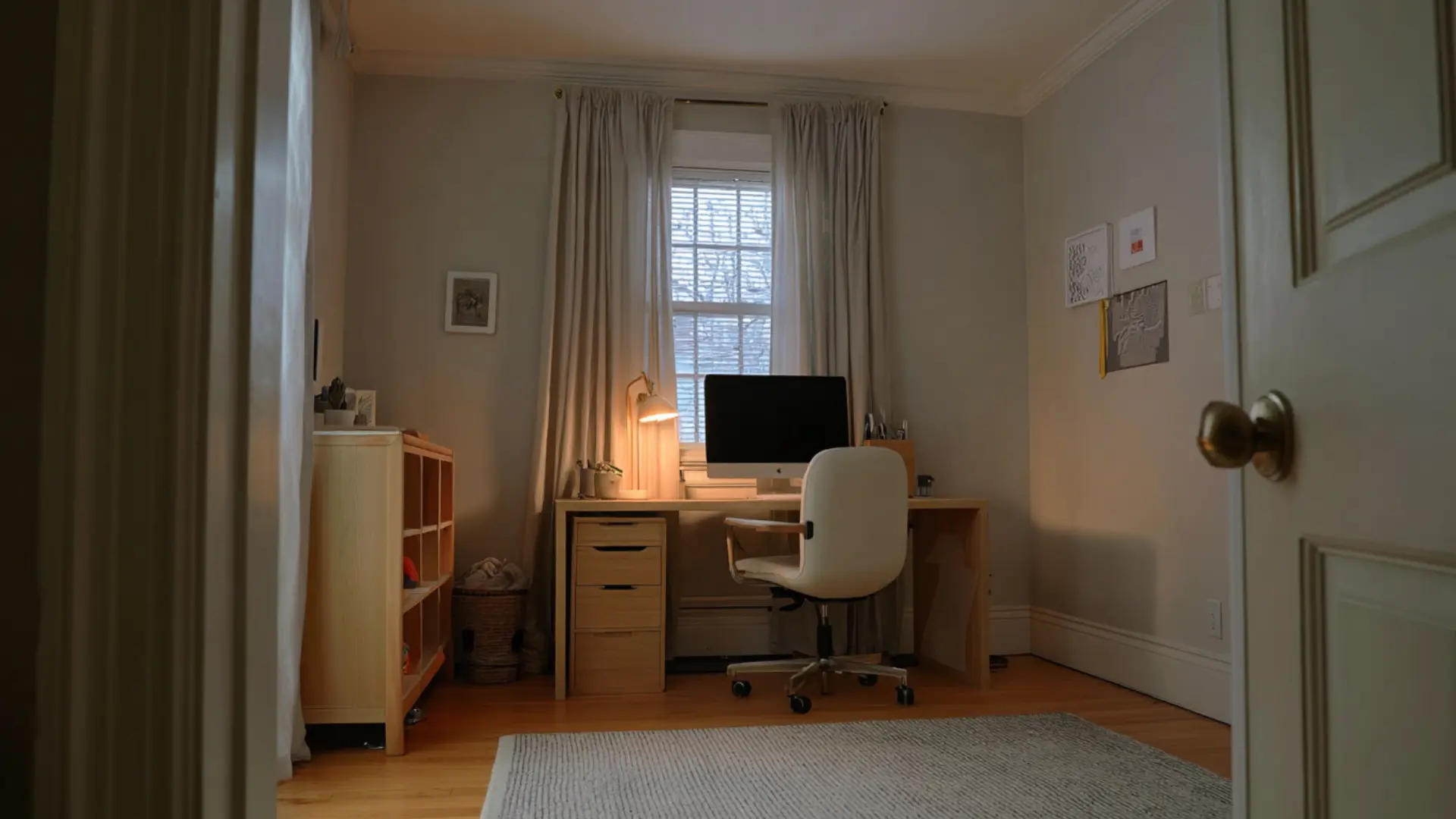
A good den office is a desk, a solid chair, and a lamp over your work. Closed cabinets keep cords and paper out of sight.
Sit in the chair before you buy it, since you will be there all day. Leave the wall behind you plain for video calls, since smooth wall textures read cleaner on camera than heavy ones.
A door, a rug, and thick curtains cut the house noise.
2. Reading Room
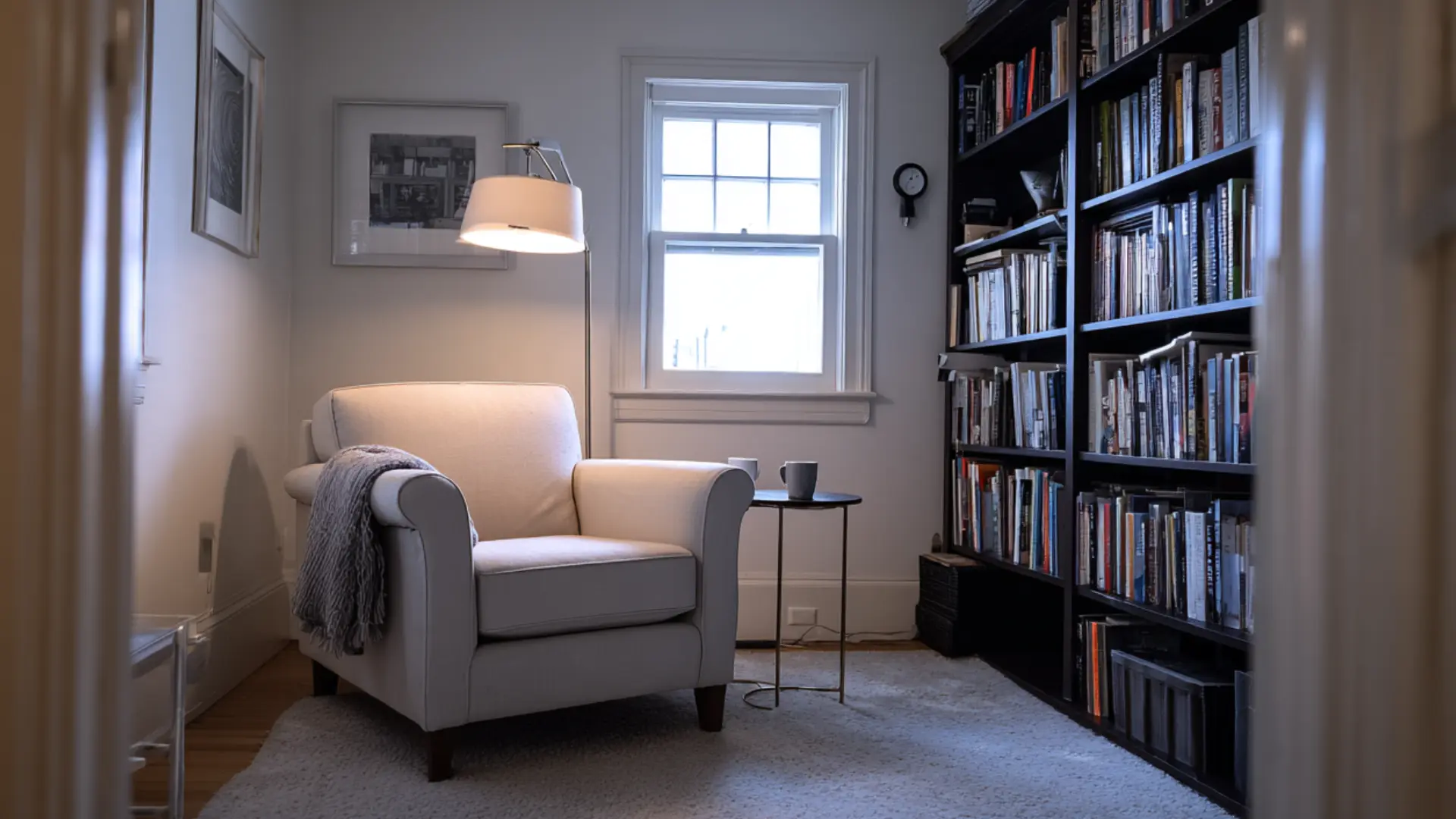
One deep chair and a wall of books is all this takes. The dark academia library look leans on exactly this setup, just with more shelving.
Put a lamp beside the chair instead of using the ceiling light. Overhead light is too flat for reading.
A small table holds your mug, your glasses, and your book. Add a soft rug under the chair. Keep a throw blanket on the arm if the room runs cold.
3. TV or Media Room
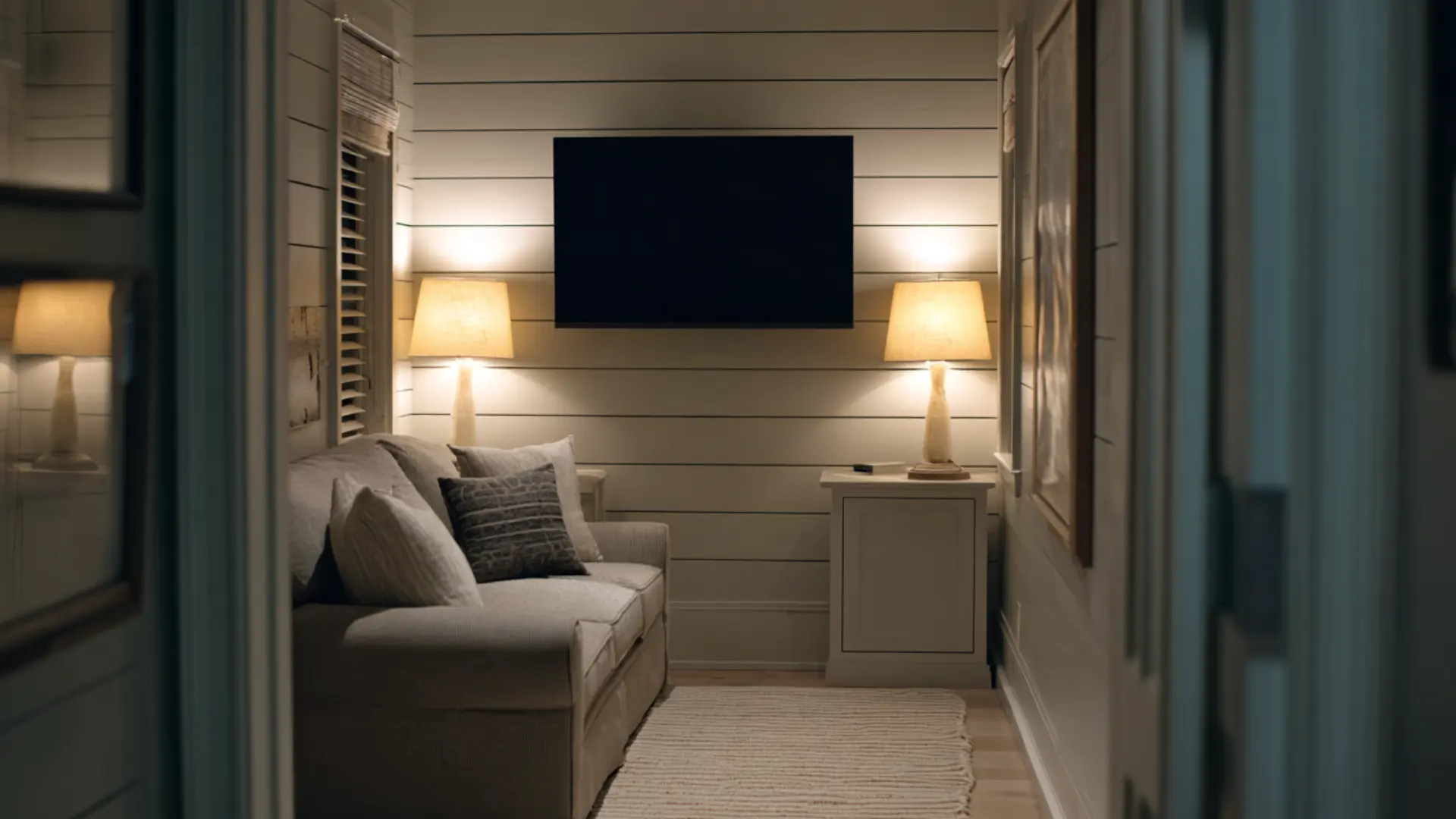
This setup is dim, snug, and built around one screen. A loveseat fits most dens better than a big sectional. Mount the TV, or use a projector if the wall is wide and bare. A shiplap TV wall gives the screen something to sit against.
Blackout shades block the afternoon glare. Keep consoles and remotes in a low cabinet. Two soft lamps work better than one bright ceiling light.
4. Kids’ Playroom
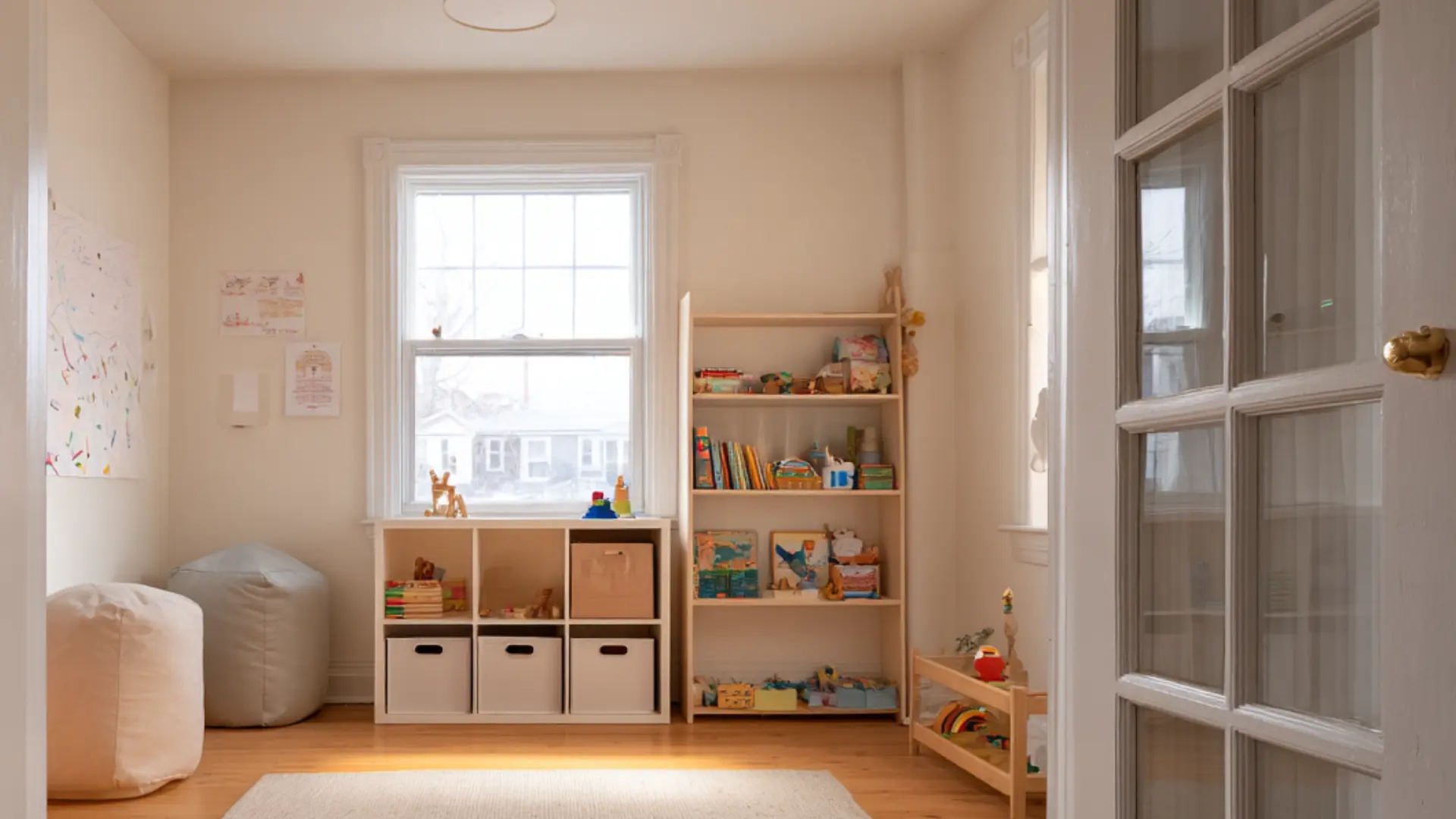
Keep the middle of the room open and push everything to the walls. Low bins and cubbies let kids grab toys on their own. Use washable rugs, wipeable paint, and spill-resistant fabric.
Rounded corners matter more than style right now. Bolt tall shelves to the wall. Print labels on bins to make cleanup quick and easy for little kids.
5. Hobby or Craft Room
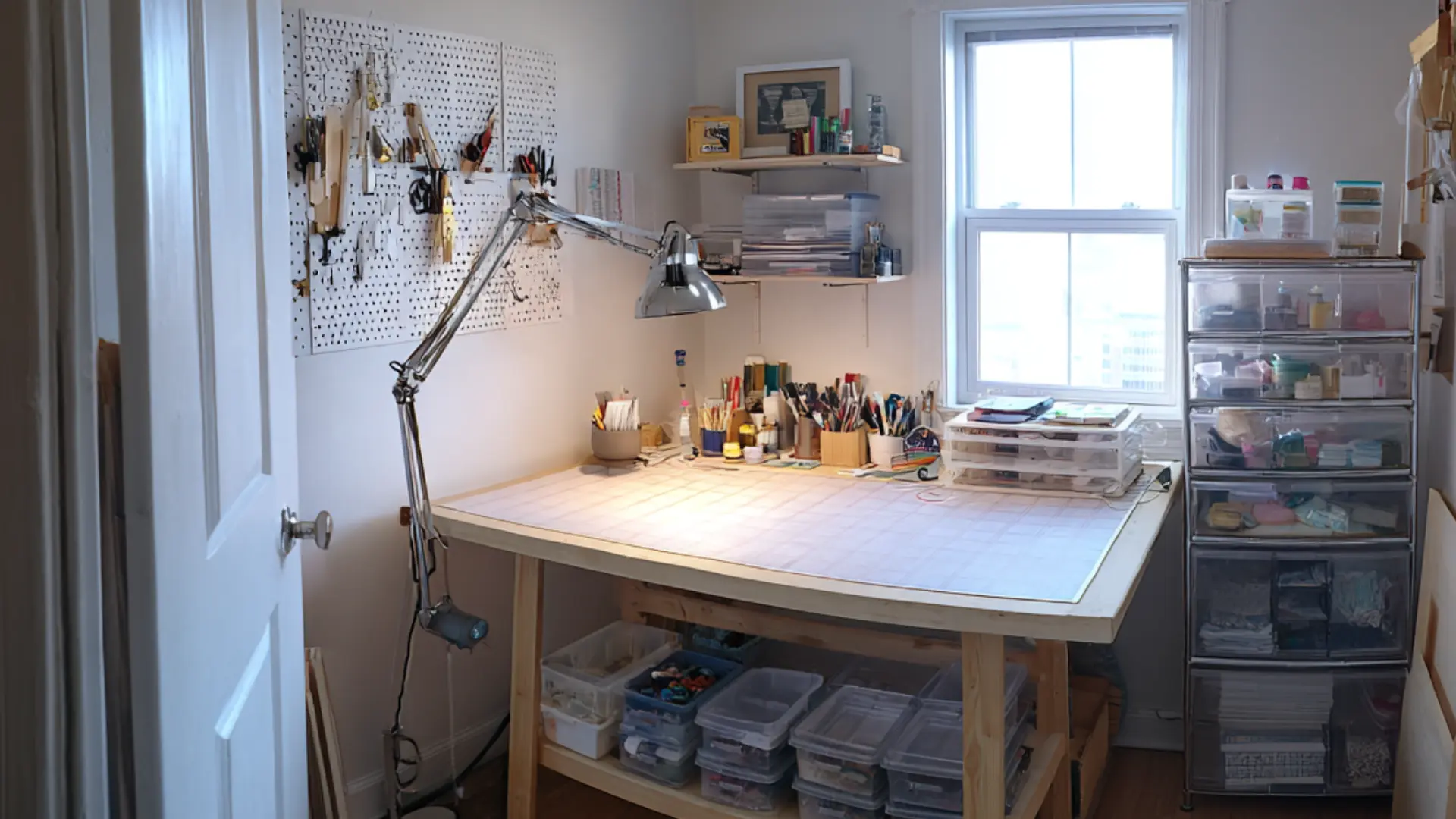
The main piece is a sturdy table with room to spread out. Match the table height to how you work, sitting or standing. A swing-arm lamp helps when the ceiling light is not enough.
Clear drawers stop you from buying glue you already own. A pegboard holds scissors and tape. Leave one shelf open for projects that need to dry.
6. Gaming Room
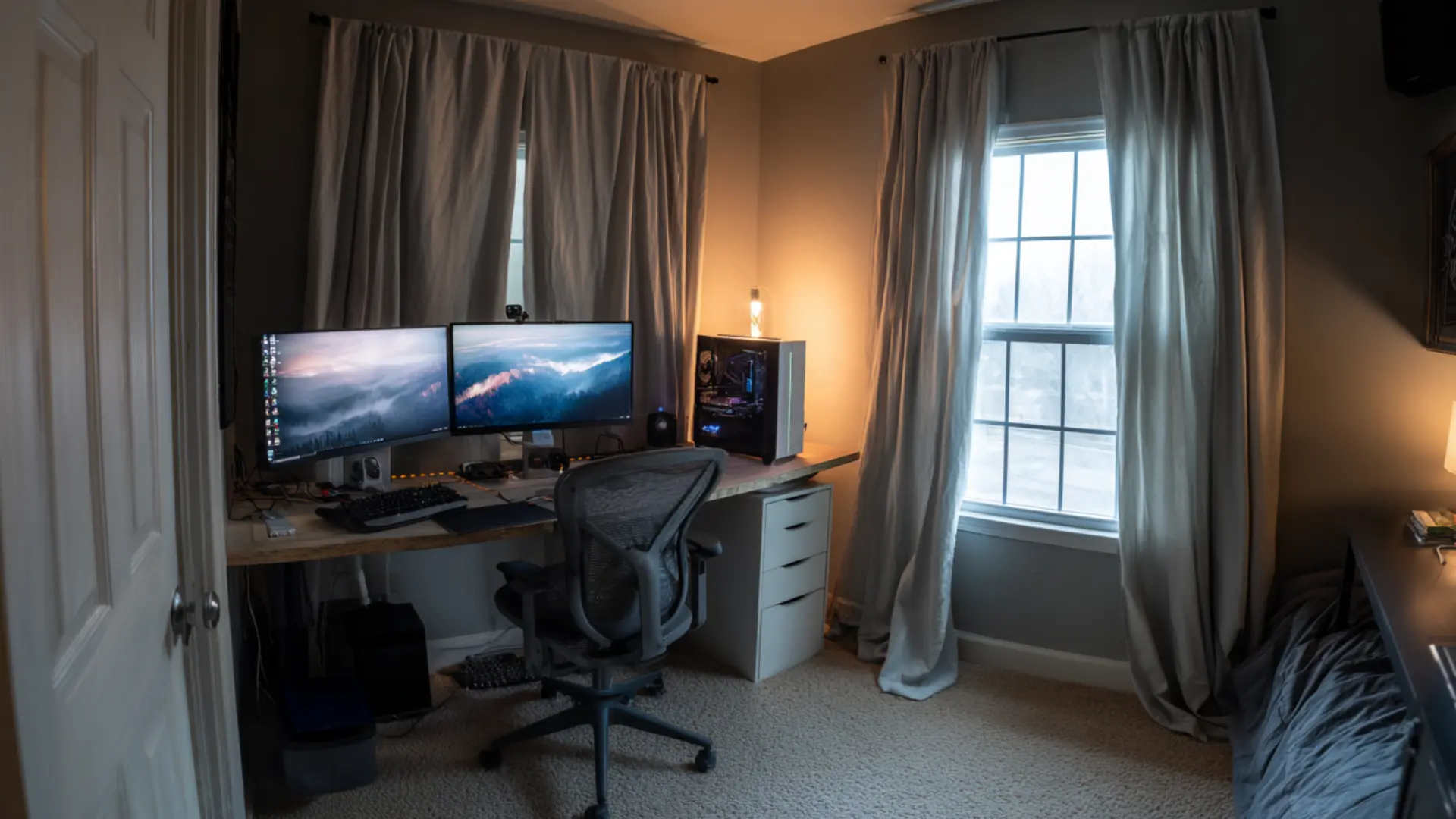
A long desk, a comfortable chair, and soft light behind the screen do the job. Cables get messy fast, so run them through a tray under the desk.
Test a chair for hours, not minutes. Keep controllers and headsets in a drawer, not on the floor. Dimmable lamps or LED strips help during long sessions.
7. Home Gym or Yoga Space
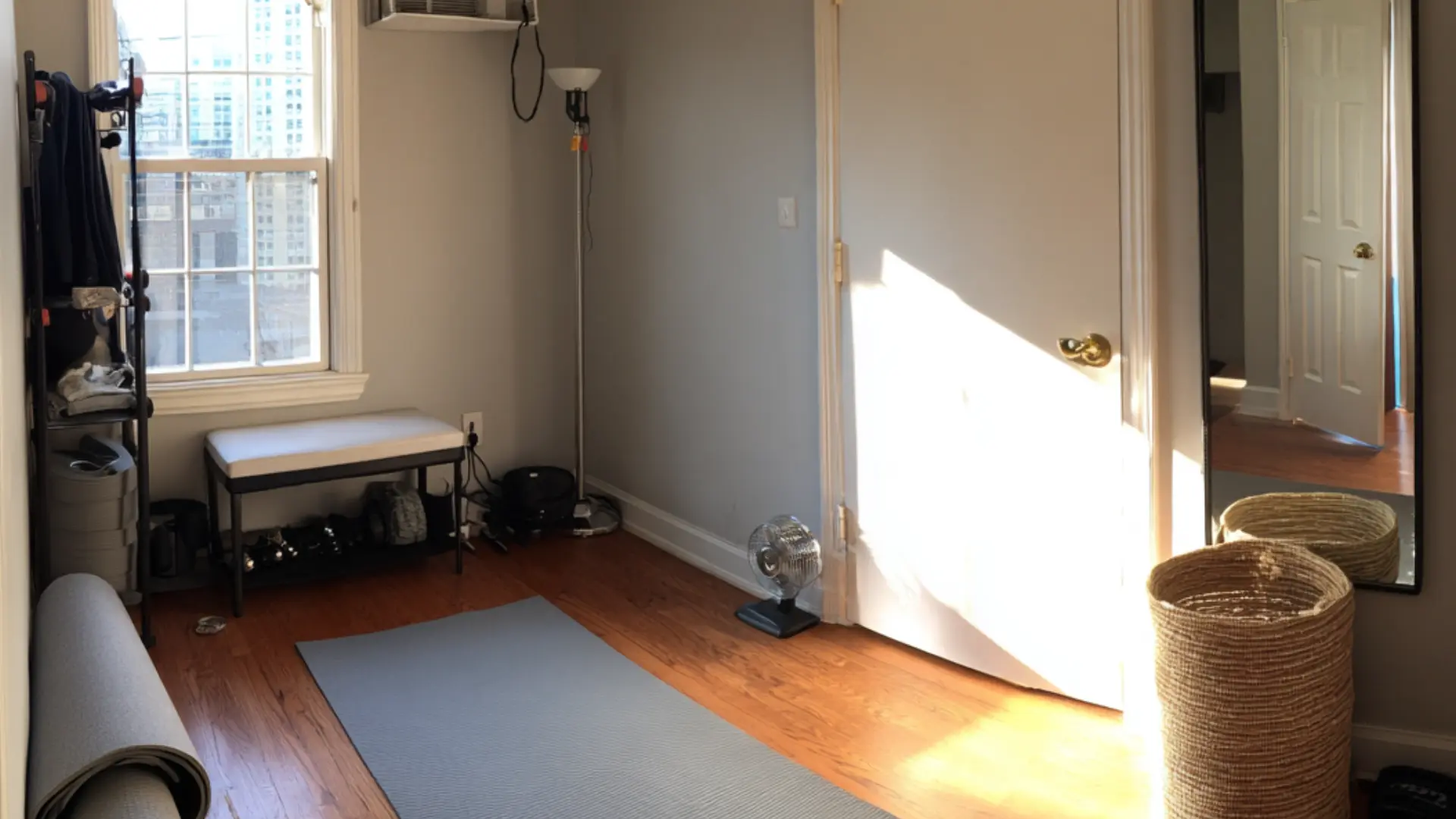
Open floor matters more than fancy gear in this room. Clear the space before you buy anything. Mats store well in a tall basket or against a corner.
Crack a window or run a fan to keep the air moving. A mirror on one wall helps you check your form. Bands, dumbbells, and a folding bench cover most workouts.
How to Decide What Your Den Should Be Used For?
Most people jump straight to furniture and regret it later. The room itself will tell you what it wants to be:
- Location: A den near the front door works well as an office. One at the back of the house suits quiet hobbies or movie nights.
- Size: Measure before you shop. Floor space decides what fits, not the photo you saved.
- Light and privacy: Bright rooms suit work and crafts, darker ones suit screens. A real door matters for calls and focus.
- Your biggest gap: Pick the job your home is missing right now, not the one that looks best.
- Room to change: A daybed, a folding table, or bins on wheels let the space shift later.
Give it a few weeks before you commit to anything expensive. My den changed jobs twice before it finally stuck.
Frequently Asked Questions (FAQs)
Does a Den Add to a Home’s Square Footage?
Yes, if it is finished and heated. It counts toward living area on most appraisals. It still will not be listed as a bedroom.
Does Adding a Den Increase Home Value?
Usually a little. Buyers like flexible space they can adapt. Still, a den adds less value than a true bedroom or an extra bathroom.
Do Dens Need Heating and Cooling Vents?
Most finished dens have them. Without vents, the room may not count as finished living space in an appraisal.
The Bottom Line
So a den comes down to a small, casual room with no fixed job. A den is one of those rooms you understand better once you live with it. Mine sat empty for weeks before I figured out what it was for.
The label matters less than how the space actually works for you. Do not rush to fill it with furniture you saw online. Sit in it, notice the light, and let the room settle first.
That is the answer to what a den is in a house. The right use tends to show up on its own. Your den is waiting for a job.
Your den is waiting for a job. Tell me in the comments what you would turn yours into.