

If you undercook the selling price of your home and the deal goes through for less than it should have, it could have a seriously detrimental impact on your wallet.
Even getting a few percent less than you could have done can soon add up to a serious amount of money. That’s cash you will never see again, and could have been used towards your next property purchase.
Obviously, if you are in a hurry and need a quick sale, you might have to make some compromises when it comes to how much you receive. If you search sell my house fast Chesterfield, for example, you can get an idea of how you can generate an immediate cash offer, if that’s what you need and want.
In the meantime, here’s a look at some of the most common situations and circumstances that can cause you to undersell your home.
Detach Yourself from Emotion
Your home is a place where you make memories. It could be that you raised your kids in the house that you are now selling, and that creates a strong emotional connection.
This sort of emotional attachment can cause problems. First of all, you might think your home is worth more than it is because of what it means to you and your family.
When that happens, you can sometimes be a bit too stubborn about its true value, meaning that you start off with too high an asking price.
What then happens in that scenario is that you end up suffering a knee-jerk reaction when you don’t get any interest and go the other way, slashing the price too much to attract interest. That’s when you run the real risk of underselling your home.
The best strategy is always to try and detach your emotions from the property for the sake of selling it. Enjoy the cherished memories, of course, but be realistic from the beginning and pitch the price correctly.
When you use an accurate valuation that has no emotional premium attached to it, you are far more likely to get the right price, and avoid the prospect of underselling.
Underselling Isn’t Just About the Sale Price
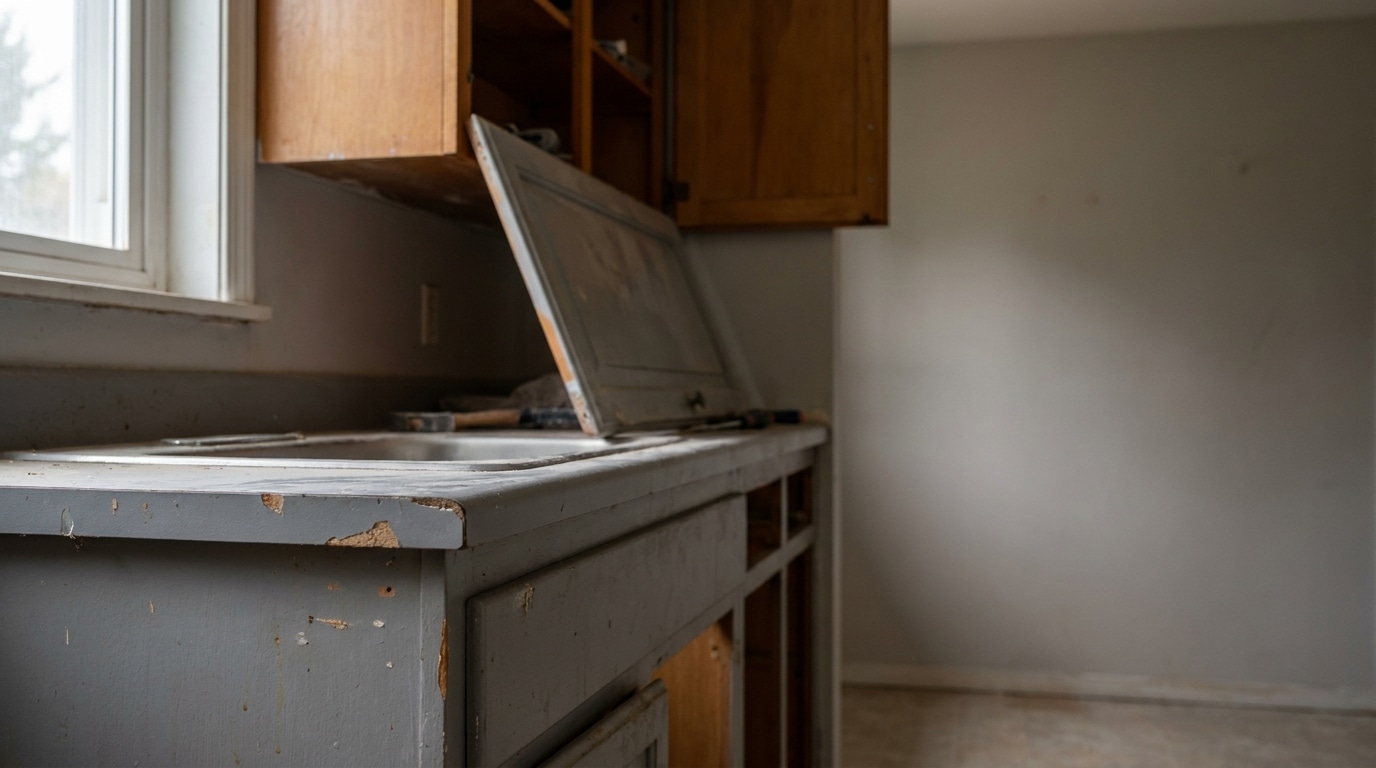
A good example of a typical situation that leads to you getting less than expected for your home, is when you spend too much on upgrades beforehand.
If your kitchen is looking a bit dated, for instance, you might be tempted to splash out on an expensive upgrade with the idea of getting the money spent back within the sale price. The harsh reality of this tactic is that it rarely delivers the return on investment that you anticipate.
If you spent $50,000 on home improvements before listing your home, it is highly unlikely that you will get it all back, or make a profit on what you spend.
That means you are, in effect, underselling your home, as you end up getting less for it once you take out what you spent on improvements.
As a general rule, you are usually better off listening to sensible offers for your home that allow the new buyer to spend the money on home improvements, instead of you.
This approach often works better in terms of getting the right price compared to trying to spend your way to a better valuation.
Working out How Much You Need from The Sale Is Essential
There are multiple ways to undersell your home that go beyond the simple mathematics of how much you get for it when the deal goes through.
Another example of how this could play out is when you don’t do your sums before you put the house on the market. You need to work out how much you need to pay off your mortgage and fees, and how much you need to be able to afford your next property.
If the numbers don’t work out but you still go ahead with the sale, that is another surefire way to undersell your home.
Make Sure Your Home Is Ready to Market
Aside from the big-ticket upgrades already talked about, such as a new kitchen, overlooking some obvious and inexpensive repairs could also be a way to undersell your home.
If you are too hasty to list your property and neglect some basic but essential repair and maintenance tasks, there’s a strong chance that you could end up getting less than you expected for your property.
When you leave some niggly jobs for the buyer to do, that gives them all the ammunition they need to knock you down on the price, instantly creating an underselling scenario.
A good approach would be to set aside a modest budget for some urgent repairs or upgrades that won’t cost much, but could make all the difference when it comes to getting sensible offers.
Get these tasks done before you put your home up for sale. It will improve your prospects of getting the amount you deserve for your home.
Be Realistic About Market Conditions
The housing market is impacted by economic conditions and buyer sentiment. If household budgets are stretched and that is reflected in a downward pressure on house values, that should inject a dose of realism into your expectations.
If you really need to sell quickly, you may have to expect a lower sale price if it is deemed to be a “buyers market” right now and there is competition for a smaller pool of willing and able buyers to offer on your house.
When housing market conditions are more challenging and valuations are under pressure there’s more chance of overpricing your home, or underselling it as a result of a lack of optimism about how much you might be able to get.
A good real estate agent will always be honest about the state of the real estate market and they should tell you that the number that really matters is what homes like yours are selling for right now.
If you base your sale price on this hard data, you lessen the risk of underselling your property.
If you avoid these classic scenarios and adopt the right realistic mindset when it comes to price expectations, you lower the risk of underselling your home.