

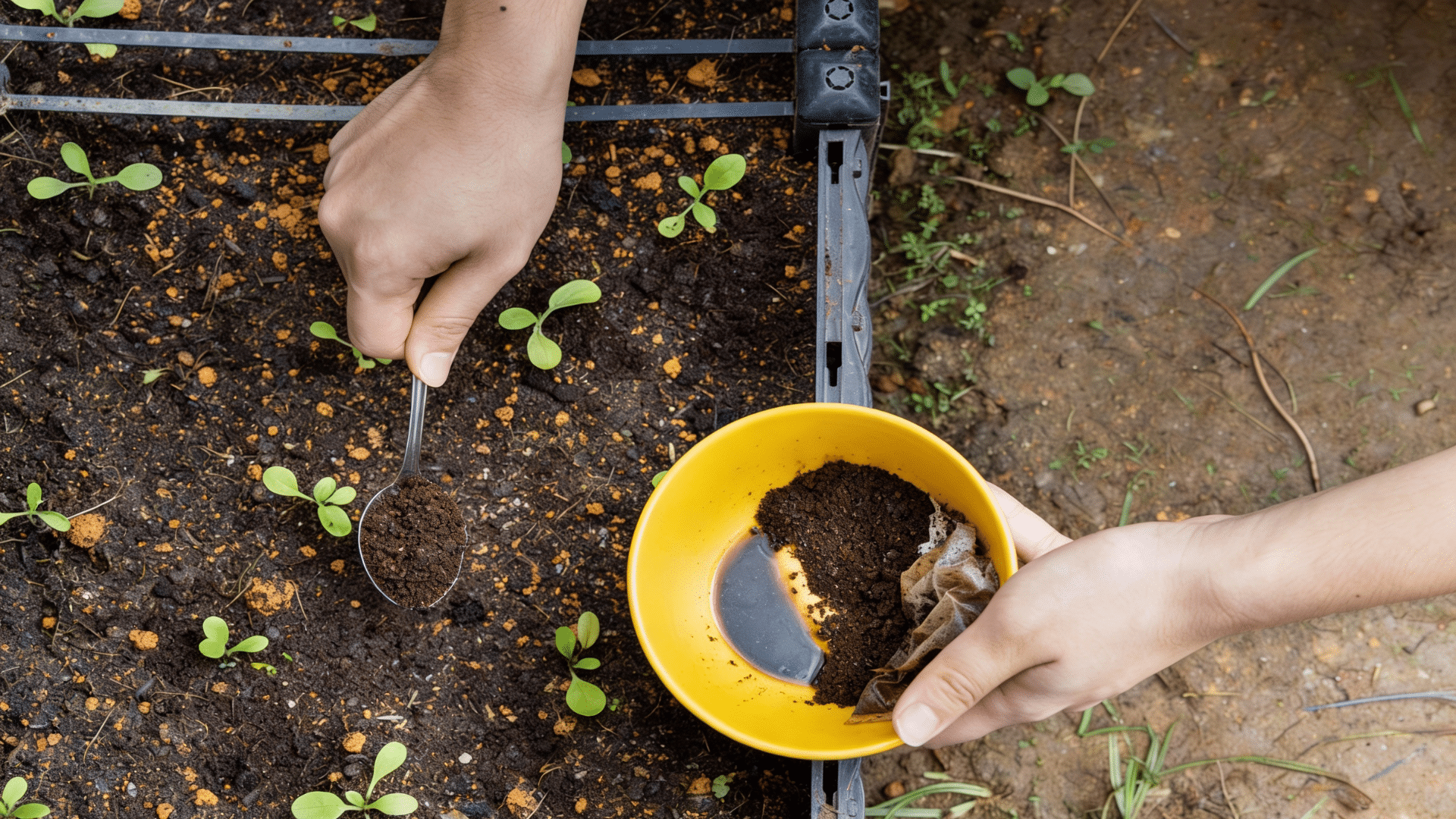
Coffee grounds are often thrown away after making a cup of coffee. Garden routines now include ideas about reusing them in soil and compost.
Gardeners share stories with friends, family, and local groups about how coffee grounds affect plants and soil. Some see changes in growth, while others notice problems when they use too much.
These shared experiences have raised many questions. Are coffee grounds helpful, or do they cause harm?
Garden care works best when choices are made with care. This blog looks at how coffee grounds fit into everyday plant care.
Why Gardeners Use Coffee Grounds?
Coffee grounds are easy to find in many homes. After making coffee, the used grounds are often left over.
Instead of throwing them away, many gardeners choose to reuse them. This habit comes from the idea of reducing waste and saving money.
Coffee grounds are not a magic fix. They are one tool among many. When used with care, they can support healthy soil.
When used the wrong way, they can cause problems. That is why many gardeners stress learning before adding them to plants.
What are Coffee Grounds Made Of?
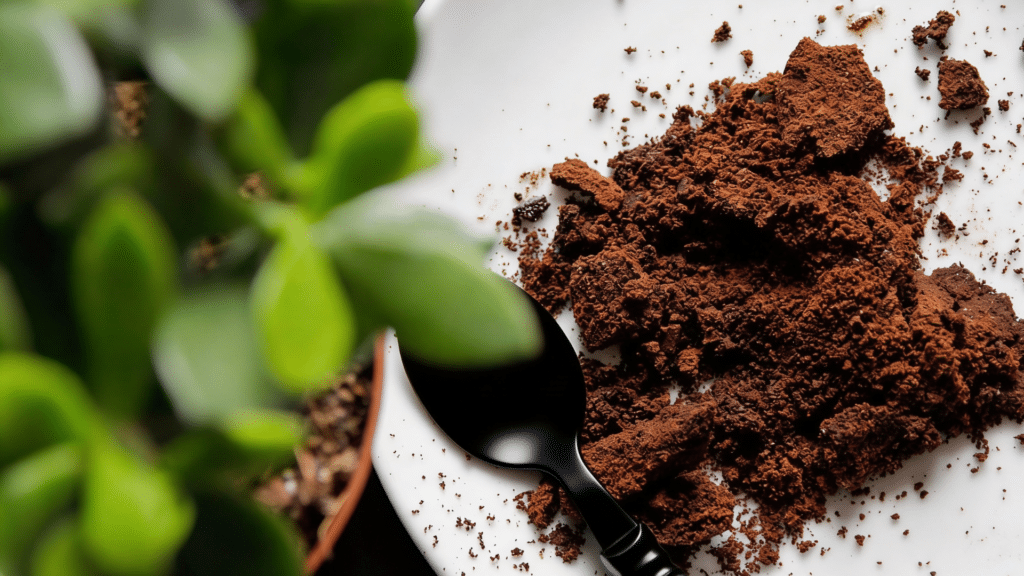
Used coffee grounds are what remain after brewing coffee. Even after brewing, they still hold functional parts.
Coffee grounds contain:
- Small amounts of nitrogen
- Organic matter
- Minerals like potassium and magnesium
- Natural acids
Nitrogen helps plants grow leaves and stems. Organic matter helps soil hold water and air. These features explain why people add coffee grounds to garden soil.
Most used coffee grounds are close to neutral in pH. This surprises many people, since fresh coffee is acidic. Brewing removes much of the acid. Still, coffee grounds can slightly affect the soil over time.
How Coffee Grounds Affect Soil
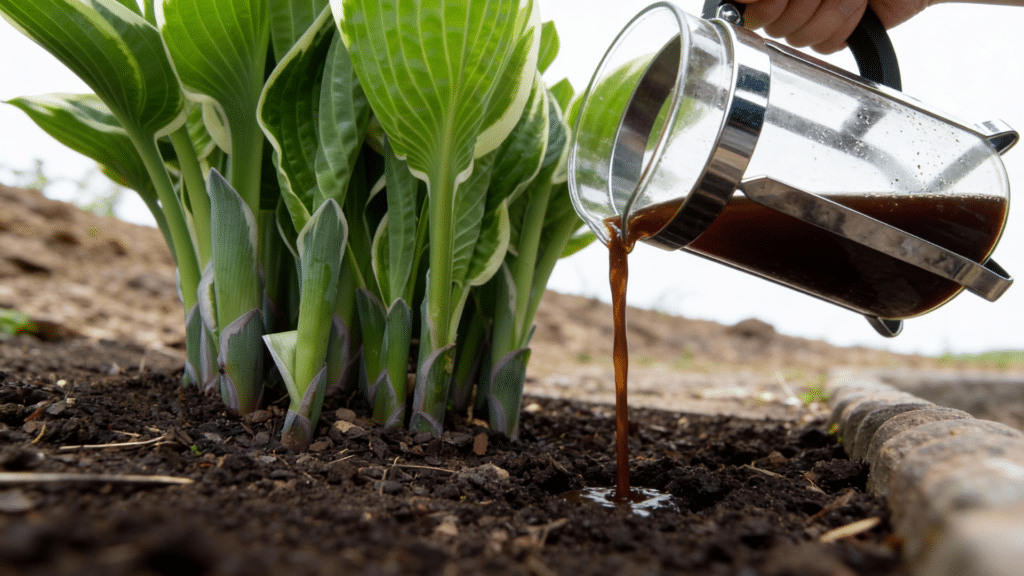
Coffee grounds can change soil in a few key ways. Gardeners often notice these changes over time, not right away. The effect depends on how much is used, how often it is added, and how the soil is cared for.
Improving Soil Texture
Coffee grounds are small and soft. When mixed into soil, they can help break up hard or packed areas. This makes soil easier for roots to grow through. Better soil texture also helps water move more evenly instead of sitting on the surface.
Many gardeners with heavy or clay soil say coffee grounds in garden beds help the soil feel lighter when used in small amounts and mixed well.
Adding Organic Matter
As coffee grounds break down, they add organic matter to the soil. Organic matter helps soil hold water and nutrients. It also supports worms and helpful microbes that keep soil healthy.
Gardeners often notice soil becoming darker and richer after repeated use. This change happens slowly and works best when coffee grounds are added through compost.
Soil pH
Used coffee grounds are usually close to neutral, but they can still slightly lower soil pH over time. This can help plants that like mildly acidic soil. Using too much may affect plants that prefer neutral or dry soil.
Because of this, gardeners often suggest using coffee grounds in garden soil with care and watching how plants respond.
Plants That May Benefit from Coffee Grounds
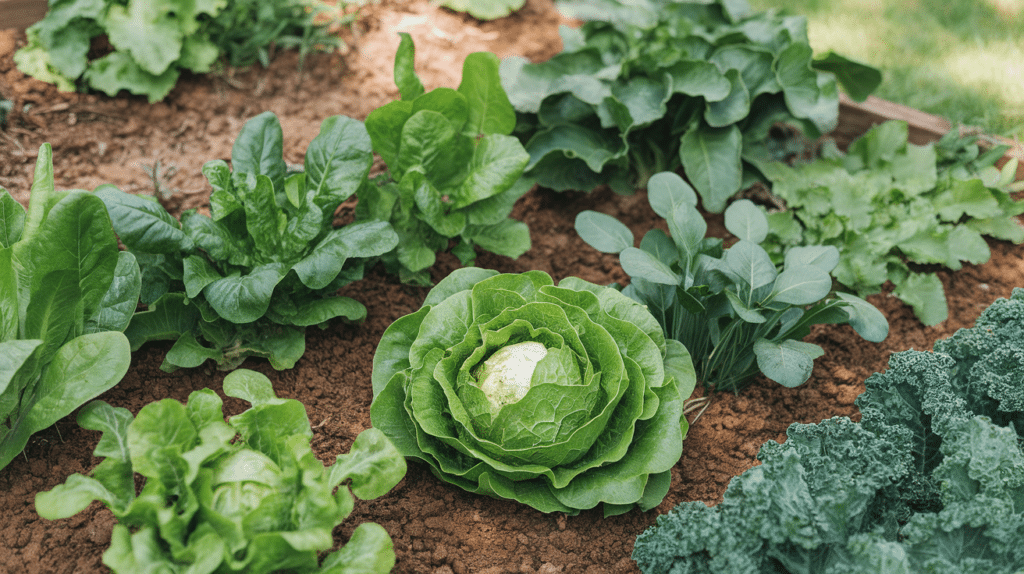
Some plants respond well to small amounts of coffee grounds when they are used the right way. Results can vary based on soil type, climate, and how the coffee grounds in garden soil are applied.
Acid-Loving Plants
Plants that prefer slightly acidic soil are often mentioned in garden discussions. Coffee grounds may help support the soil conditions these plants like when used in small amounts or through compost.
Common examples include:
- Blueberries
- Azaleas
- Rhododendrons
- Camellias
- Hydrangeas
Leafy Green Plants
Leafy plants need nutrients to grow strong leaves. Coffee grounds release small amounts of nitrogen as they break down, which may help support steady leaf growth.
Gardeners often try coffee grounds around:
- Lettuce
- Spinach
- Kale
- Swiss chard
Roses and Flowering Plants
Some flower growers add composted coffee grounds to the soil around flowering plants. They often say it helps improve soil quality over time rather than causing fast growth.
Plants often mentioned include:
- Roses
- Begonias
- Hostas
Using coffee grounds in garden beds for these plants works best when mixed with compost and added slowly.
Plants That May Not Like Coffee Grounds
Not all plants respond well to coffee grounds. Community discussions often warn about certain plants. Plants that may struggle include:
- Tomatoes (when used too much)
- Lavender
- Rosemary
- Succulents
- Cactus
These plants often prefer drier or less rich soil. Coffee grounds can hold moisture, which may cause root issues.
How to Use Coffee Grounds in the Garden
Coffee grounds can be helpful in garden care when they are used the right way. Gardeners often share that small steps and steady use work better than adding a lot at once.
Mix Coffee Grounds Into Compost
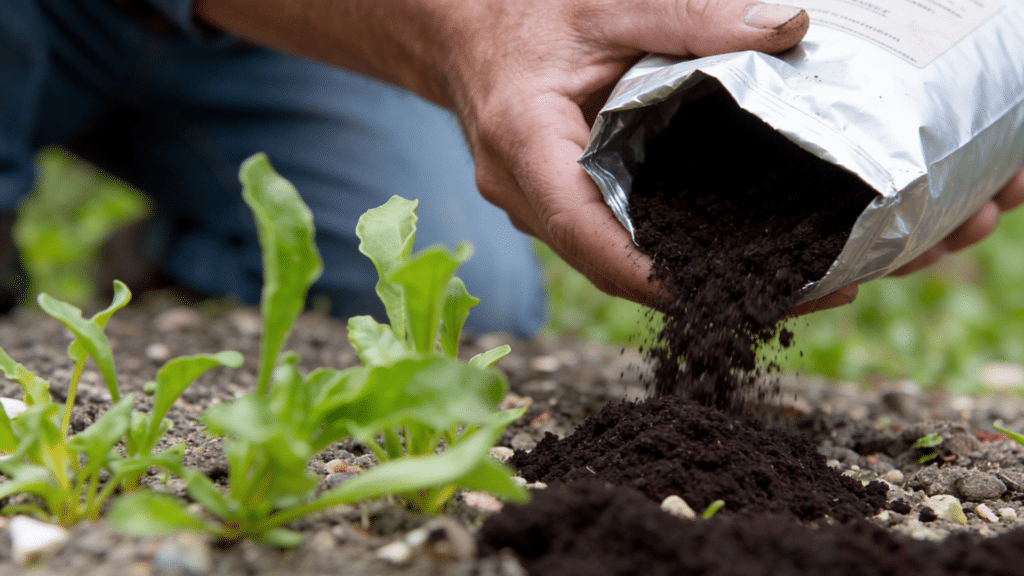
Composting is one of the safest ways to use coffee grounds. It helps balance nutrients and allows the grounds to break down fully before reaching plants.
Gardeners often:
- Add coffee grounds to compost piles
- Mix them with dry leaves or paper
- Turn the pile often
- Wait until the compost looks dark and crumbly
Mix Directly Into the Soil
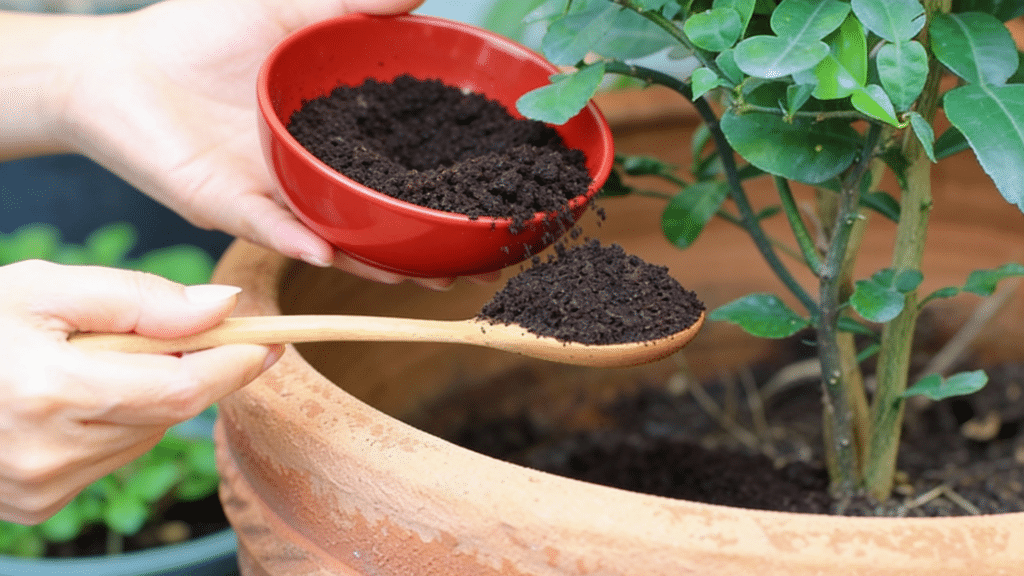
Some gardeners add coffee grounds straight into the soil. This method works best when used in small amounts and mixed well.
Helpful tips include:
- Use thin layers only
- Mix the grounds into the topsoil
- Avoid leaving clumps on the surface
Use as Mulch (with Care)
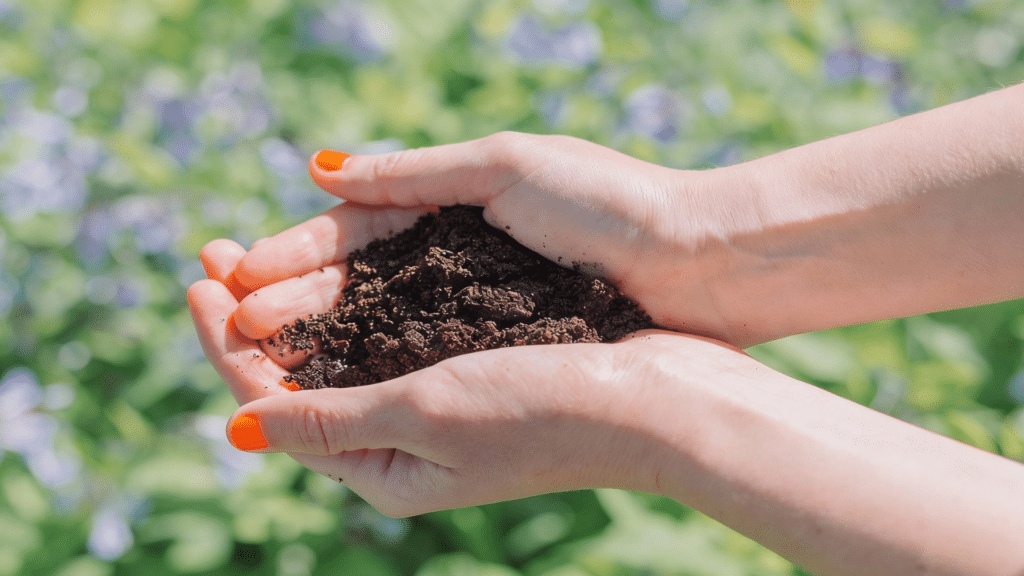
Coffee grounds are sometimes used as mulch, but this method needs caution. Thick layers can block water and air from reaching plant roots.
If used as mulch, gardeners suggest:
- Mixing grounds with bark or straw
- Spreading a very light layer
- Checking soil moisture often
Using coffee grounds in the garden works best when care and balance are part of the process.
Coffee Grounds in Different Garden Uses
Many gardeners try using coffee grounds in different parts of their garden. The table below summarizes common uses, benefits, and problems seen when adding coffee grounds in garden care.
| Garden Situation | What Gardeners Do | What Helps | What Can Go Wrong | Simple Advice |
|---|---|---|---|---|
| Worms and Soil Life | Add small amounts of coffee grounds to soil or worm bins | Worms help mix soil, move nutrients, and support roots | Too many coffee grounds can harm worms | Use small quantities and mix well |
| Vegetable Gardens | Mix coffee grounds into compost or garden beds | Better soil texture, more earthworms, steady growth | Mold may form, and seeds may grow slowly | Compost before adding to garden soil |
| Seed Starting | Sometimes mixed into the seed soil | Few benefits reported | Seeds may not sprout, and soil may pack down | Avoid coffee grounds near seeds |
| Pest Control | Spread grounds around plants or garden paths | Slugs may avoid the area, and ants may change direction | Results are not reliable | Use as a small extra step only |
| Mold on Soil | Appears when the grounds stay wet on the soil | Mold often breaks down over time | White mold can look harmful | Mix grounds into the soil and avoid thick layers |
| Container Plants | Added to potting soil in small amounts | May help soil over time | Can hold too much water | Use composted grounds and apply lightly |
Seasonal Use of Coffee Grounds
Season plays a role in how coffee grounds affect soil and plants. Gardeners often adjust how they use coffee grounds based on weather, soil moisture, and plant growth during the year. Below is a simple seasonal breakdown based on shared gardening habits.
- Spring: Coffee grounds are often added to compost to help build soil before planting. Some gardeners mix small amounts into garden beds while preparing soil.
- Summer: Use is usually limited during hot months. Wet coffee grounds can hold moisture and may lead to mold, so many gardeners reduce or stop use.
- Fall: This is a common time to add coffee grounds to compost piles. Cooler weather helps slow down the breakdown and prepares compost for spring use.
- Winter: In cold areas, coffee grounds are stored or added to compost piles that rest until warmer weather returns.
Common Mistakes When Using Coffee Grounds
Through shared stories, some mistakes come up often:
- Using fresh coffee grounds
- Adding too much at once
- Not mixing grounds into the soil
- Using coffee grounds near young plants
Learning from others helps gardeners avoid these issues and use coffee grounds more safely.
To Conclude
Coffee grounds have found a place in many gardens through habit and practice. Over time, gardeners have learned that results depend on how and where they are used.
Careful use supports soil life and structure, while heavy use can create problems. Simple steps like composting and light mixing make a clear difference.
Paying attention to plant response helps guide better choices.
Coffee grounds are not a quick fix, but they can support long-term soil care. Try these tips in your garden and share what worked or did not work for you.