

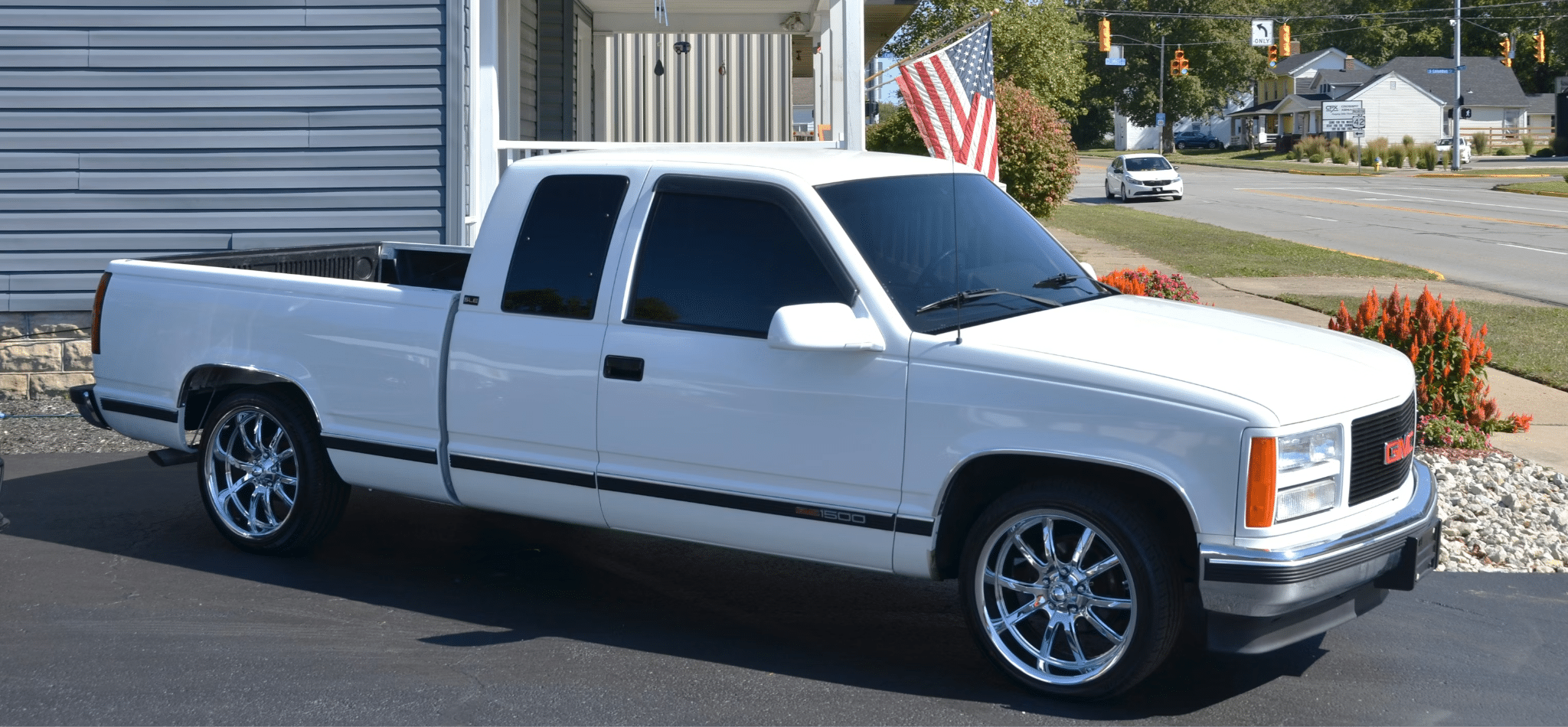
I have watched mates waste money on flashy mods that look good in the driveway but fail as soon as they hit corrugations or soft sand. Smart ute and 4×4 upgrades do not need to drain your bank account. They only need to improve traction, safety, and reliability.
This guide is built for Australian conditions and laws. I will walk you through upgrades in the order that gives the most value for your money. You start with cheap wins, move into tyres, storage, and 12V, then finish with simple checks so the setup stays safe and legal.
Prioritise Simple Upgrades Under $250
A small kit of essentials transforms your capability without serious spending. For under $250 you can deal with most roadside dramas and recover from basic bogging with confidence.
What To Buy First
Grab a portable 12V compressor and a decent tyre deflator; expect to pay about $99 to $199 for a capable setup. Add a puncture repair kit with plugs, lube, and insertion tools for $20 to $50. Together they cover roughly 80 percent of the issues you will hit on unsealed roads.
Next, pick up a rated soft shackle and a compliant snatch strap sized to your vehicle’s gross vehicle mass (GVM). Budget roughly $80 to $200 for the pair. Store them in a soft bag so they will not rattle and you can reach them quickly.
Safety And Compliance
The Consumer Goods Safety Standard 2017 requires permanent warning labels on recovery straps, so avoid cheap unmarked gear.
Choose a strap with a minimum breaking strength around two to three times your vehicle’s GVM. Never recover off a tow ball, and install or verify rated recovery points front and rear so bystanders can stand well clear during any recovery.
Choose Tyres That Transform Everyday Driving
Tyres deliver the single biggest change you can make on both sealed and unsealed roads. A good set of all terrains has stronger sidewalls, better bite, and far better puncture resistance than basic highway terrain patterns.
Pick Your Pattern
Choose all-terrain tyres if you regularly see gravel, corrugations, and light mud; they balance grip and road manners. Stick with highway terrain rubber if you mainly commute on bitumen.
In a common size like 265/65R17, Australian fitted all-terrain options typically range from about $250 to $475 per tyre depending on brand and load rating.
Size It Legally
In Victoria, Vehicle Standards Information (VSI) 8 lets off-road four-wheel drives fit tyres up to 50mm larger in diameter than the largest manufacturer specified size, as long as guards and clearances still work. Queensland Transport and Main Roads (TMR) publishes Vehicle Standards Instructions on alternative tyre diameters, so check the latest version before changing size. A 50mm increase in tyre diameter lifts the vehicle roughly 25mm at the axle.
Set Pressures For Terrain
RACQ suggests starting around 15 to 18 psi for general beach sand and 12 to 15 psi for very soft conditions. Reinflate before driving at sealed-road speeds. On gravel and corrugations, modest drops from highway pressures improve grip and ride, but watch heat buildup and sidewall flex closely.
Secure Storage To Protect Gear And Cut Dust
Loose gear becomes dangerous in a crash or sudden stop. Good storage keeps weight low and forward of the axle while protecting tools and camping gear from dust and weather.
Canopy Vs Boxes
Canopies offer weather and dust protection and make it easy to run drawer systems and fridge slides. Installation quality drives sealing success, so look for positive-pressure vents or tight rubber seals.
If you run a Hilux and need lockable, dust-sealed storage that stands up to corrugations, consider a Hilux canopy to keep tools and camping gear secure and out of the weather.
Boxes are cheaper and modular, ideal for tools or recovery kits that move between jobs or vehicles. Use reinforcing plates and quality bolts at tie-down points so mounts stay solid.
Fitment And Payload Checks
Weigh the vehicle before and after fitting any storage. Keep heavy items forward in the tub and low to reduce pendulum effect on rough tracks. Confirm rear spring and shock condition so the vehicle does not sag or bottom out once storage is added.
Build 12V Power That Will Not Strand You
A smart battery isolator charges the auxiliary battery while the engine runs and isolates it when off so the starter battery stays protected. Many DC to DC chargers include smart isolation and work better with variable-voltage alternators than basic isolators.
Choose cable gauge to match current draw, crimp lugs properly, and fuse both ends near the power source to reduce fire risk. Mount batteries securely, protect cables from abrasion and heat, and make sure earths go to clean bare metal. If you are unsure, get a professional to check your wiring because a short circuit in the bush can end a trip fast.
Organise Your Tray On A Tradie Budget
Add extra tie-down points, non-slip matting, and labelled bins for spares and fluids so items stop sliding and getting damaged. Strap the compressor, recovery bag, and jack so they cannot move. Keep heavy items near the cab for better balance.
Setup Steps
Install additional tie-downs using plates underneath to spread loads. Lay rubber matting, add simple dividers, and label bins for quick pack-down. A single lockable box is usually enough for day-to-day jobs and weekend trips without adding unnecessary weight.
Buying Tips
Choose boxes with strong hinges, decent weather seals, and corrosion-resistant hardware. Measure the tray and check tailgate clearance before drilling any holes. Perth readers who just want a tough lockable box to stash recovery gear and tie-downs can check the ute boxes Perth for simple, budget friendly tray storage.
Sort Mechanical Basics Before Hitting Remote Tracks

Accessories mean nothing if the engine dies hundreds of kilometres from the nearest town. Before you spend on storage and 12V systems, make sure the vehicle underneath is mechanically sound.
Warning Signs To Watch
High oil consumption, blue smoke on startup, rough idling, and loss of power under load all point to internal engine wear. Knocking or tapping noises, coolant loss with no visible leaks, and poor fuel economy can also signal trouble. Ignoring these symptoms on a long outback run risks a breakdown where recovery costs more than the repair would have.
When A Rebuild Makes Sense
If your engine shows multiple warning signs and the vehicle is otherwise in good shape, a full reconditioning is often more cost effective than a second-hand replacement of unknown history. A proper rebuild includes new bearings, rings, gaskets, and machined surfaces, so you start fresh with known tolerances.
Drivers in the Northern Territory planning remote travel through the Top End or down the Stuart Highway should sort engine health before committing to big trips.
Shops offering engine reconditioning in Darwin can inspect, machine, and rebuild units locally, saving the hassle of shipping blocks interstate and reducing downtime before your next adventure.
Basic Checks You Can Do Yourself
Run a compression test or have a mechanic do one; consistent readings across cylinders suggest a healthy bottom end.
Check for coolant in the oil or oil in the coolant, which indicates head gasket or cracking issues. Listen for timing chain rattle on cold starts. These simple checks cost little but reveal problems before they strand you.
Conclusion
Start with tyres, sensible pressures, compliant recovery gear, tidy storage, and simple 12V; these upgrades improve everyday driving fast. Make sure the engine and drivetrain are healthy before bolting on accessories, especially if remote travel is on the cards.
Check state rules before changing tyre size or ride height and weigh your rig if you tow. Make small changes, test them locally before big trips, and keep only upgrades that earn their place.
Clarify Common Upgrade Questions
How Much Can I Lift My Rig Without Engineering?
Check your state rules, because limits vary. Many places allow modest suspension lifts plus small tyre diameter increases without extra approval. Larger lifts usually need certification; in Queensland, high lift changes fall under LS9 and LS10 and require an Approved Person sign-off.
What Tyre Pressures Should I Use On The Beach?
Start around 15 to 18 psi for general sand and 12 to 15 psi for very soft conditions, as RACQ suggests. Adjust for vehicle weight and tyre size. Reinstate highway pressures before driving at sealed-road speeds.
Do I Need A Dual Battery For A Fridge?
If you plan to run a fridge for more than short stops, a second battery with a smart isolator or DC to DC unit is cheap insurance so the starter battery stays protected.
Can A GVM Upgrade Increase My Towing Limit?
Not automatically. Unless Gross Combined Mass (GCM) is increased by the vehicle manufacturer or a compliant engineering package, the original GCM figure usually still governs your towing limit.