

A major move has a way of reshaping routines, surroundings, and even identity. There’s the practical side, packing, organizing, scheduling, and then there’s the emotional shift that comes with new streets, new rhythms, and new walls waiting to become familiar.
For many people, that transition begins before they ever step through the front door, especially when the logistics are supported by professional interstate moving support, so the physical shift feels manageable rather than chaotic. But once the boxes arrive and the dust settles, the real work begins: turning a physical structure into a place that feels like home.
The difference between a temporary space and an intentional one isn’t about price point, square footage, or how quickly things get unpacked. It’s about approach, how thoughtfully the environment is shaped, how personal meaning is layered into each room, and how the space begins supporting daily life rather than just containing it.
Start With Flow, Not Furniture
Most people begin decorating by deciding where furniture will fit, but in a new home, especially after a move, there’s value in pausing first to consider how life will unfold in the space. Instead of placing sofas, tables, or chairs immediately where they seem to “belong,” observe how natural light moves through the rooms, where foot traffic will be heaviest, and which spaces feel inviting for rest, gathering, or work.
A layout that supports lifestyle feels intuitive, and because it’s anchored in movement and rhythm rather than furniture dimensions, it evolves more naturally over time.
Personal Items Should Come First, Not Last
When a space feels unfamiliar, small emotional anchors make a meaningful difference. Artwork, photos, books, heirloom objects, or decor pieces with personal history can help soften the transition and prevent the space from feeling generic or transitional.
Many design experts emphasize that personal items shouldn’t be left for last, they should be part of the earliest stages of building the home’s emotional tone. The U.S. National Archives even notes that preserving meaningful items during moves can reduce stress and help the brain accept change more smoothly, especially when transitioning to a new environment.
Those touches, familiar rugs, favorite framed prints, a quilt from someone cherished, quietly signal belonging, even when everything else is still settling.
Choose Color With Intention

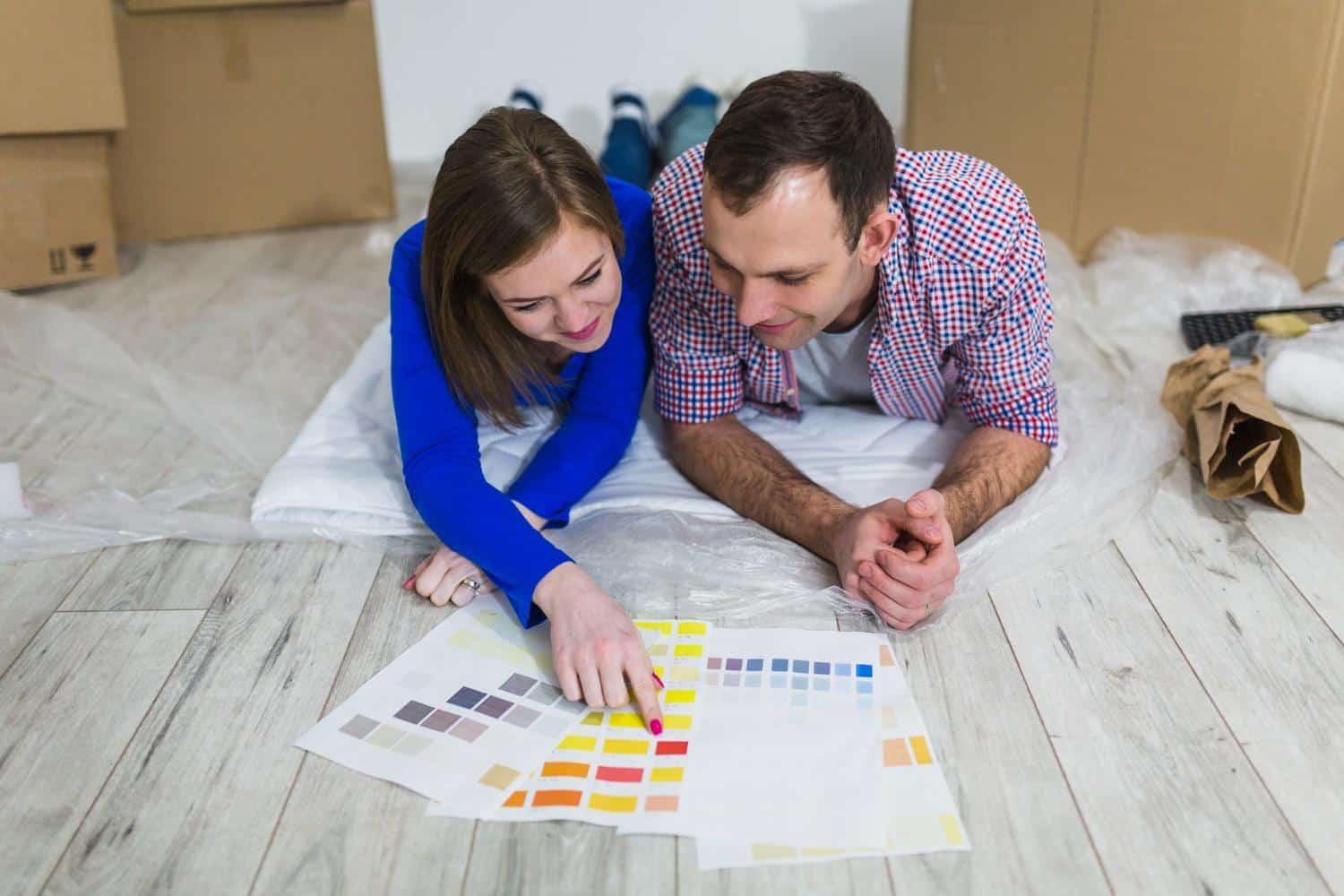
Color affects mood, energy, and perception. After relocating, many people instinctively default to white walls until they “figure things out.” While there’s nothing wrong with waiting, choosing color intentionally early on can make the space feel grounded, not like a holding place until next steps become clear.
Soft, warm neutrals create calm. Deep tones offer personality and depth. Blacks, charcoals, and rich browns can bring sophistication to dining rooms or offices. Light blues and greens offer a restorative quality appropriate for bedrooms or reading spaces.
Paint isn’t just aesthetic, it’s emotional anchoring.
Invest Slowly but Confidently
There’s a temptation after moving, especially across states, to rush the decorating process: buy new furniture, fill empty rooms, complete the look. But rushed decisions often lead to mismatched pieces, regret purchases, or decor that reflects urgency instead of identity.
A slower approach offers benefits:
- You learn how your habits adapt in the new environment
- You refine your style with intention
- You avoid filling space just because it’s empty
Temporary doesn’t mean unfinished. It means evolving.
Create Zones That Support Routine
A new space becomes familiar when your routines begin to belong within it. Even before setting a full interior vision, it helps to define zones: a cozy coffee morning spot, a reading chair by a window, a dedicated workspace, a dining area that feels inviting rather than obligatory.
These zones signal function and meaning. They give structure to day-to-day living in a way that makes the new environment feel purposeful, not improvised.
Let the Home Grow With You
A move often symbolizes change: a new job, a new season of life, or a conscious decision to reset. Your home can reflect that same evolution, not in a rush to completion, but in thoughtful, layered choices that unfold at the pace of living.
A well-designed home isn’t one that is finished quickly. It’s one that grows with intention, memory, and rhythm.
When the space begins supporting you, not just storing you, that’s when it becomes home.
Not temporary. Not transitional.
Just yours.