

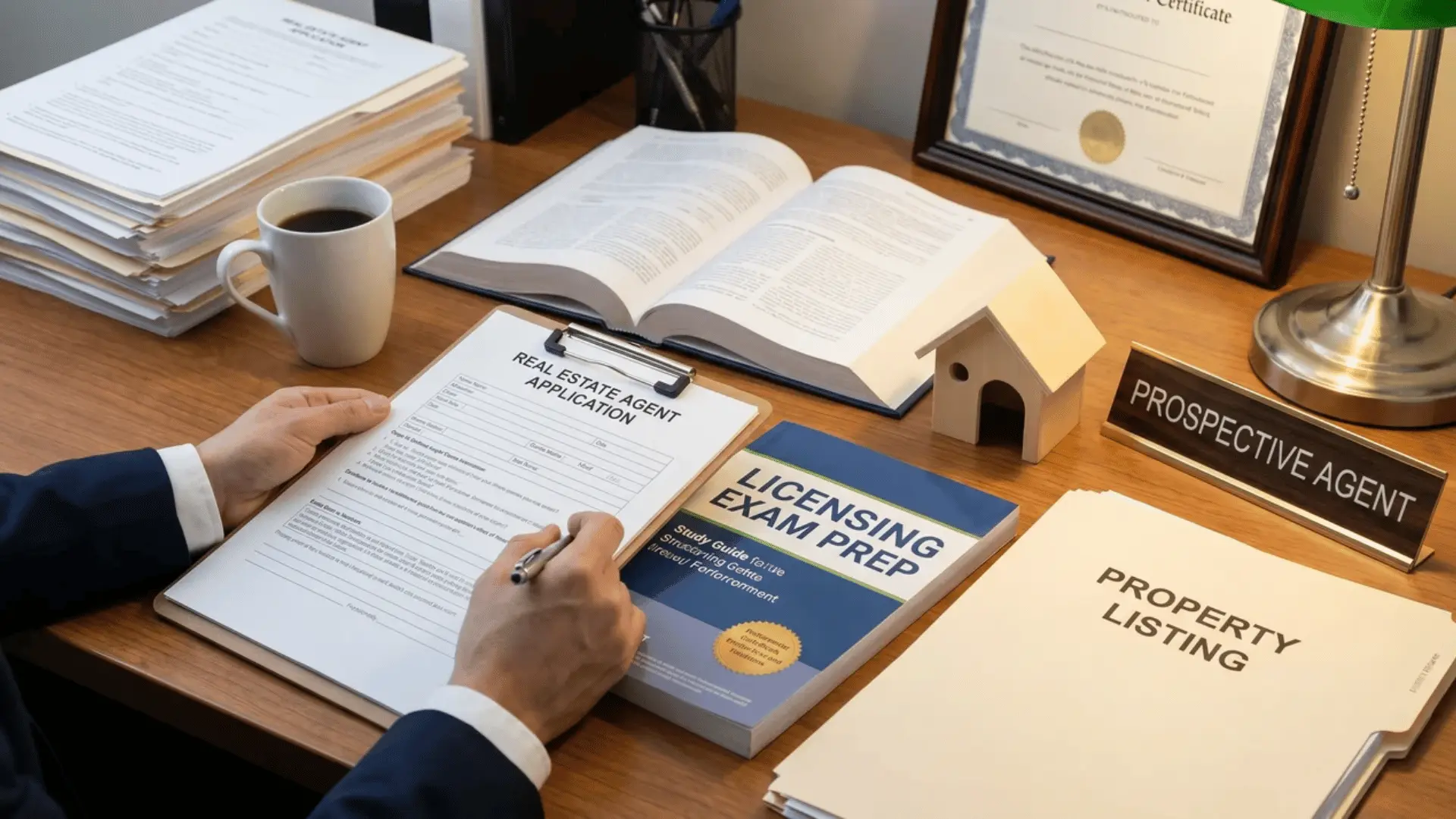
Starting a career in real estate often raises one big question: Do you have to go to college to be a real estate agent?
I understand why many people think a degree is required, especially since many professional careers have strict education rules. Real estate works differently.
In most states, a high school diploma or GED, state-approved coursework, and a real estate license are what matter most, though assigning contracts to cash buyers is one path into the industry that skips licensing altogether.
Knowing the actual requirements can save you time, money, and unnecessary stress before you begin.
If you’re thinking about becoming an agent, understanding the licensing process is the first step toward deciding if this career is the right fit for you.
Do You Have to Go to College to Be a Real Estate Agent?
No, you do not have to go to college to be a real estate agent. In every U.S. state, a college degree is not required to earn a real estate license.
Instead, you’ll typically need to meet your state’s minimum age requirement, have a high school diploma or GED, complete a state-approved pre-licensing course, pass the licensing exam, and work under a sponsoring broker.
While a college education can help you build business, marketing, or communication skills, it is not a legal requirement for entering the profession. Real estate licensing focuses on industry-specific education rather than a four-year degree, making it one of the few careers where you can begin relatively quickly without attending college.
| Requirement | Is It Required? |
|---|---|
| College degree | No |
| High school diploma or GED | Yes (in most states) |
| State-approved pre-licensing course | Yes |
| Real estate licensing exam | Yes |
| Background check/fingerprinting | Required in many states |
| Sponsoring a real estate broker | Yes |
Since licensing requirements vary by state, it’s important to check with your state’s real estate commission before enrolling in a pre-licensing course. Once you understand the basic requirements, you can decide whether a real estate career matches your goals and timeline.
Real Estate Licensing Requirements by State
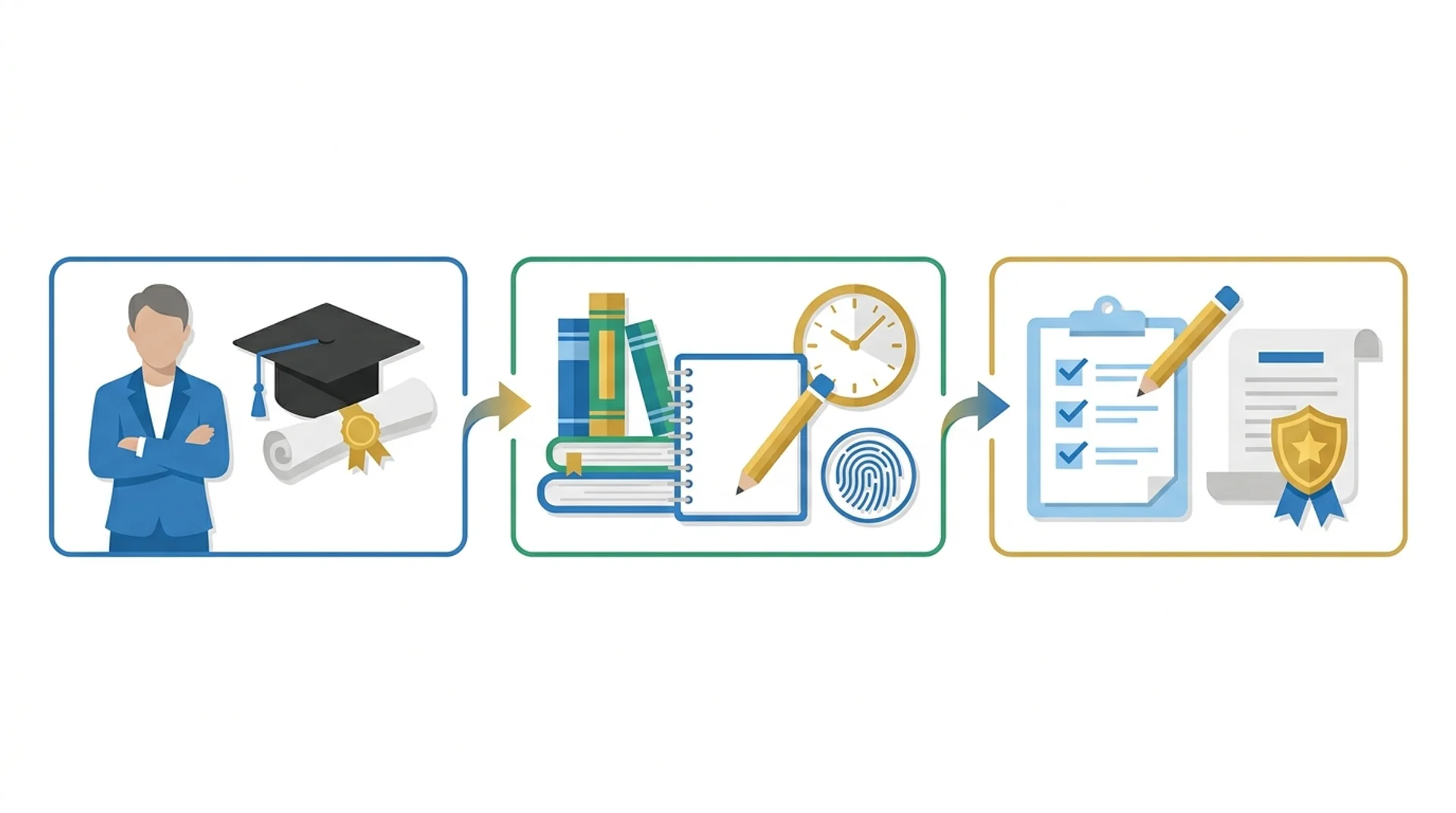
Although you don’t need a college degree, you must meet several licensing requirements before legally helping clients buy or sell property. While the exact rules vary by state, the overall process follows the same path. Completing each step in the correct order helps you qualify for your real estate license and start your career with confidence.
1. Meet the Minimum Age Requirement
Before applying for a real estate license, you must meet your state’s minimum age requirement. Most states require applicants to be at least 18 years old, while a few set the minimum age at 19.
Age verification is usually completed during the application process. Meeting this requirement is the first step toward becoming eligible for pre-licensing education and the licensing exam, so check your state’s rules before you begin.
2. Have a High School Diploma or GED
A high school diploma or GED is the minimum education requirement for becoming a real estate agent in nearly every U.S. state. Unlike many professions, a bachelor’s degree is not required to qualify for licensing.
If you’ve completed high school or earned a GED, you can move forward with the licensing process once you meet the other state requirements. This makes real estate a career that’s accessible without a traditional college education.
3. Complete State-Approved Pre-Licensing Education
Every state requires aspiring real estate agents to complete a state-approved pre-licensing course before taking the licensing exam. These courses cover topics such as real estate law, contracts, ethics, property ownership, and financing.
The required number of course hours varies by state, so always verify your local requirements before enrolling. Many approved providers offer flexible online and in-person classes, making it easier to complete the education at your own pace.
4. Pass the State Licensing Exam
After completing your pre-licensing education, you’ll need to pass your state’s real estate licensing exam. The exam typically includes a national section covering general real estate principles and a state-specific section focused on local laws and regulations.
Passing both sections demonstrates that you understand the legal and professional responsibilities of an agent. Preparing with practice exams and study materials can improve your confidence and increase your chances of success.
5. Complete the Background Check and License Application
Many states require applicants to complete a criminal background check and fingerprinting before issuing a real estate license. You’ll also need to submit a license application along with any required documentation and fees.
Because these requirements vary by state, it’s important to review the instructions provided by your state’s real estate licensing authority. Completing this final step allows you to receive your license and begin working under a sponsoring broker.
Why You Need a Sponsoring Broker
Passing the licensing exam doesn’t mean you can immediately start working with clients. In most states, newly licensed real estate agents must affiliate with a sponsoring broker before they can legally buy or sell property on behalf of others.
A sponsoring broker supervises your work, ensures transactions follow state laws, and provides guidance as you build experience. Choosing the right brokerage is just as important as earning your license.
Look beyond commission splits and consider the training, mentorship, technology, marketing support, and company culture each brokerage offers.
A supportive broker can help you develop practical skills, avoid common mistakes, and build confidence during your first year, making it easier to establish a successful real estate career.
Does a College Degree Actually Help Real Estate Agents?
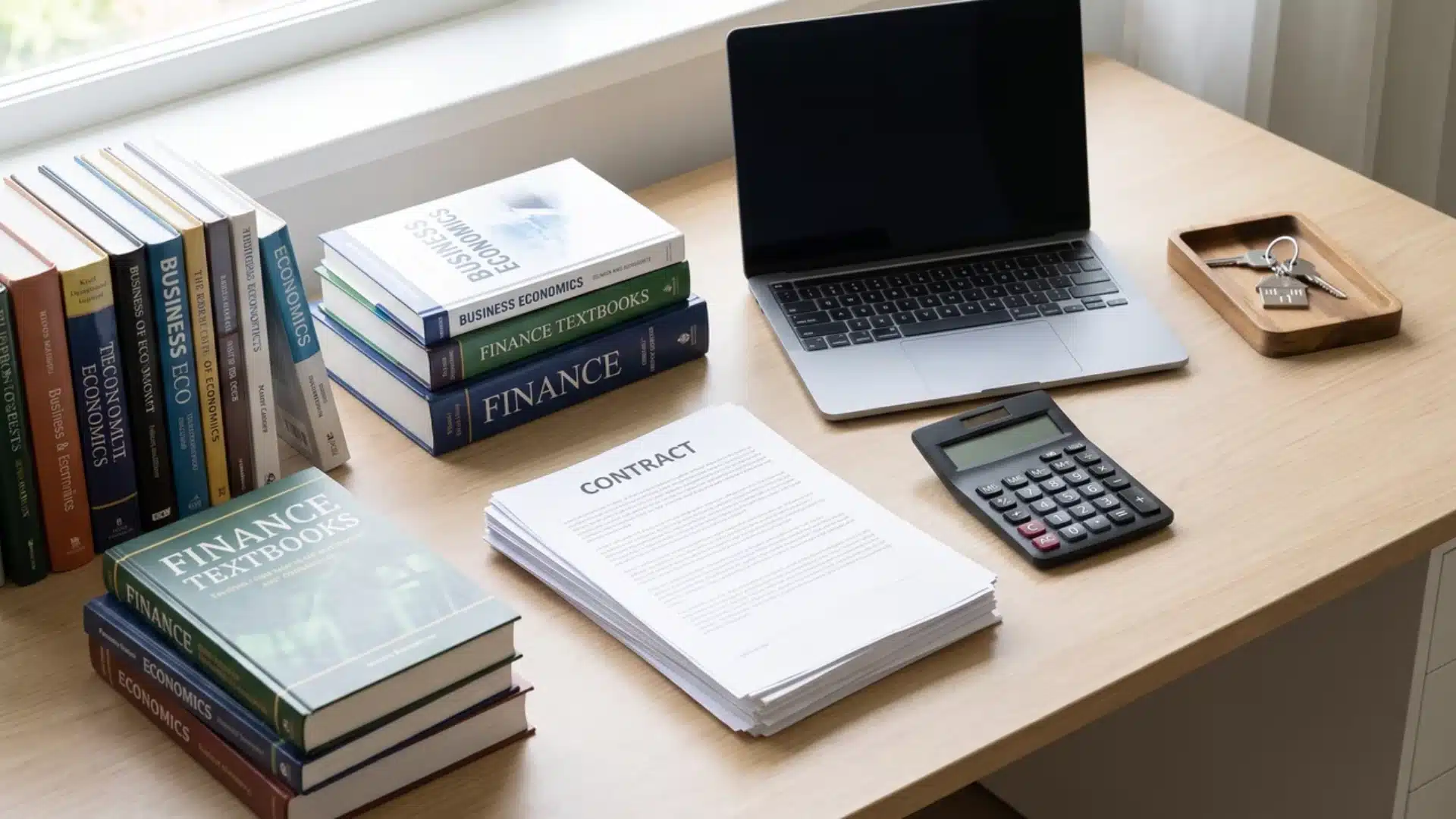
A college degree is not required to become a real estate agent, but it can help you build skills that support long-term success.
Degrees in business, finance, marketing, communications, or psychology can improve your understanding of contracts, negotiations, client relationships, and marketing strategies.
However, many of these skills can also be developed through pre-licensing education, brokerage training, and hands-on experience.
Success in real estate depends more on building client relationships, understanding your local market, and continuously improving your sales and communication skills than on having a college diploma.
If you already have a degree, it can be an advantage, but it is not necessary to start or succeed in a real estate career.
Skills That Matter More Than a College Degree
A college degree can be helpful, but successful real estate agents rely more on practical abilities that help them attract clients, get a home sold fast and for the best price, and build lasting relationships.
- Communication
- Sales and negotiation
- Customer service
- Networking
- Time management
- Local market knowledge
- Self-discipline
Developing these skills through daily experience, training, and consistent practice can have a greater impact on your long-term success than earning a college degree alone.
How Long Does It Take to Become a Real Estate Agent? (120 words)
The time it takes to become a real estate agent depends on your state’s licensing requirements and how quickly you complete each step.
Most people complete the process within 2 to 6 months, although it may take longer in states that require more pre-licensing education.
After completing the required coursework, you’ll need time to prepare for and pass the licensing exam, submit your application, and complete any required background checks.
Once your license is approved, you’ll also need to join a sponsoring brokerage before you can begin working with clients.
Studying consistently, scheduling your exam early, and completing paperwork promptly can help you start your real estate career as quickly as possible.
How Much Does It Cost to Become a Real Estate Agent?
Starting a real estate career involves several upfront expenses. While costs vary by state, understanding the common fees helps you budget and avoid unexpected expenses.
| Expense | Typical Cost |
|---|---|
| Pre-licensing course | $200–$700 |
| Licensing exam | $50–$100 |
| License application | $100–$300 |
| Fingerprinting/background check | $30–$100 |
| Brokerage, MLS, and association fees | $500–$2,000+ annually |
Actual costs depend on your state, education provider, and brokerage. Review your state’s licensing authority and compare course providers before committing to any expenses.
Common Mistakes New Real Estate Agents Should Avoid
Many new agents face similar challenges during their first year. Avoiding these common mistakes can help you build confidence, manage expenses, and grow your business more effectively.
- Choosing a brokerage based only on commission
- Underestimating startup costs
- Ignoring networking and marketing
- Expecting immediate income
- Skipping continuing education
Learning from these mistakes early can save time and money while helping you establish a stronger reputation, attract more clients, and build a successful long-term real estate career.
Conclusion
By now, you know that you don’t have to go to college to become a real estate agent.
In most states, meeting the licensing requirements, completing pre-licensing education, passing the exam, and working with a sponsoring broker are the steps that matter most.
While a college degree can provide useful skills, it is not required to start or build a successful real estate career.
Before applying, review your state’s licensing requirements so you know exactly what to expect. If you have questions or would like to share your experience, leave a comment below. I’d love to hear your thoughts.
Frequently Asked Questions
Can I complete my real estate pre-licensing course online?
Yes. Many states allow you to complete the required pre-licensing education through approved online schools. However, the course provider must be recognized by your state’s real estate licensing authority. Before enrolling, confirm that the program meets your state’s education requirements so your coursework will be accepted when you apply for your license.
Can I become a real estate agent if I have a criminal record?
It depends on your state’s licensing rules and the nature of the offense. Many states review applications individually rather than automatically denying applicants with a criminal history. You may need to provide court records or additional documentation during the licensing process. Contact your state’s real estate commission to understand how your background could affect your application.
Do real estate licenses expire?
Yes. Real estate licenses must be renewed periodically, although the renewal schedule varies by state. Most states also require agents to complete continuing education courses before renewing their licenses. Failing to renew on time can result in an inactive license or additional fees, so it’s important to stay informed about your state’s renewal deadlines.
Can I work part-time as a real estate agent?
Yes. Many new agents begin their careers part-time while keeping another job. Real estate offers a flexible schedule, allowing you to meet clients in the evenings and on weekends. As your client base and income grow, you can decide whether to transition into full-time real estate based on your goals and financial situation.