


Snake plants are tough. They survive neglect better than most houseplants. Many plant owners struggle to multiply these hardy beauties.
What if there was a simple way to turn one snake plant into five, ten, or even twenty?
Propagating these resilient plants isn’t as tricky as it seems. With just a few basic techniques, anyone can create new snake plants without spending a dime at the nursery.
This guide breaks down the easiest methods that actually work. If you are a complete beginner or have killed more plants than you’d like to admit, these proven techniques will help you grow your snake plant collection successfully.
What is Plant Propagation and Its Effectiveness in the Snake Plants?
Plant propagation is the creation of new plants from existing ones. It’s nature’s way of multiplication, and gardeners use it to expand their collections without buying new plants.
For snake plants, propagation works remarkably well. These succulents have a natural ability to regenerate from leaves, roots, and divisions. A single healthy leaf can produce multiple new plants within weeks.
The effectiveness comes down to biology. Snake plants store water and nutrients in their thick leaves. This gives them energy to develop roots and shoots even when separated from the parent plant.
Success rates are high with proper care. Most methods show 70-90% success when done correctly. That means almost every cutting or division will grow into a thriving new plant.
How to Propagate Snake Plant: Step-by-Step Methods
Snake plants offer multiple propagation routes. Each method has unique advantages. Some work faster, while others produce more plants. Here’s how to use each technique effectively.
1. Leaf Cutting Propagation

This method involves cutting healthy leaves into sections and rooting them in soil or water. It’s the simplest approach for beginners to master.
- Select a healthy, mature leaf from the parent plant
- Cut the leaf into 3-4 inch sections using clean, sharp scissors
- Let the cut ends dry for 1-2 days to prevent rot
- Insert the bottom end into moist soil or place in water
- Keep in indirect light and maintain consistent moisture
- New roots appear in 3-4 weeks, and pups emerge in 6-8 weeks
| Pros | Cons |
|---|---|
| Produces multiple plants from one leaf | Takes 6-8 weeks to see new growth |
| Requires no special tools | Variegated varieties may lose their patterns |
| Works well for beginners | Higher risk of rot if overwatered |
2. Propagation by Division
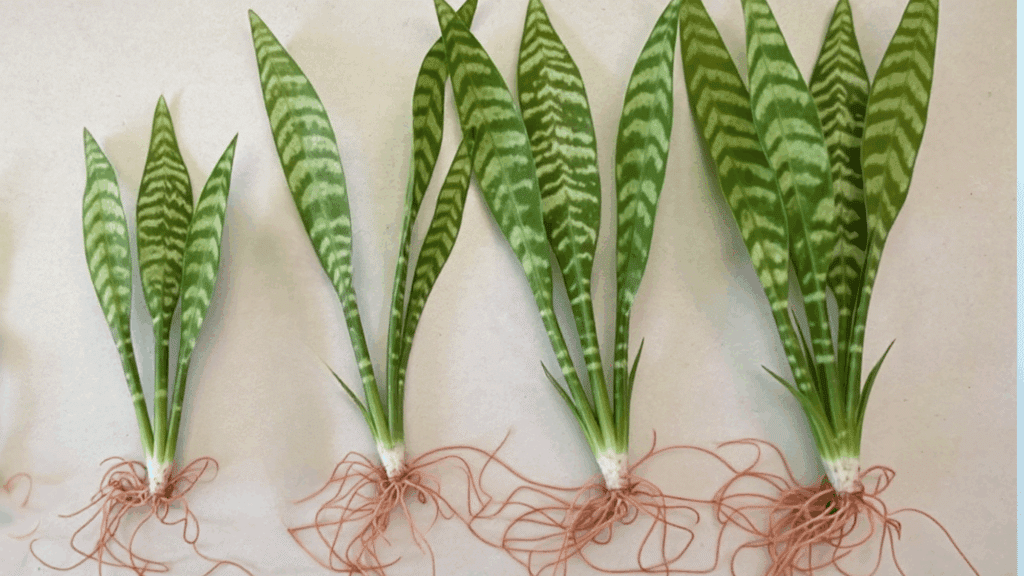
Division separates an established plant into smaller sections, each with its own root system. This creates instant, mature plants that grow immediately.
- Remove the entire snake plant from its pot carefully
- Brush away excess soil to expose the root system
- Identify natural separation points where plants connect
- Use a clean knife to cut through roots between sections
- Plant each division in fresh, well-draining soil
- Water lightly and place in bright, indirect light
| Pros | Cons |
|---|---|
| Fastest method with immediate results | Requires a mature, established plant |
| Maintains variegation patterns perfectly | Can stress the parent plant temporarily |
| Each division is already a full plant | Limited by the size of the original plant |
3. Rhizome Propagation (Optional Advanced Method)
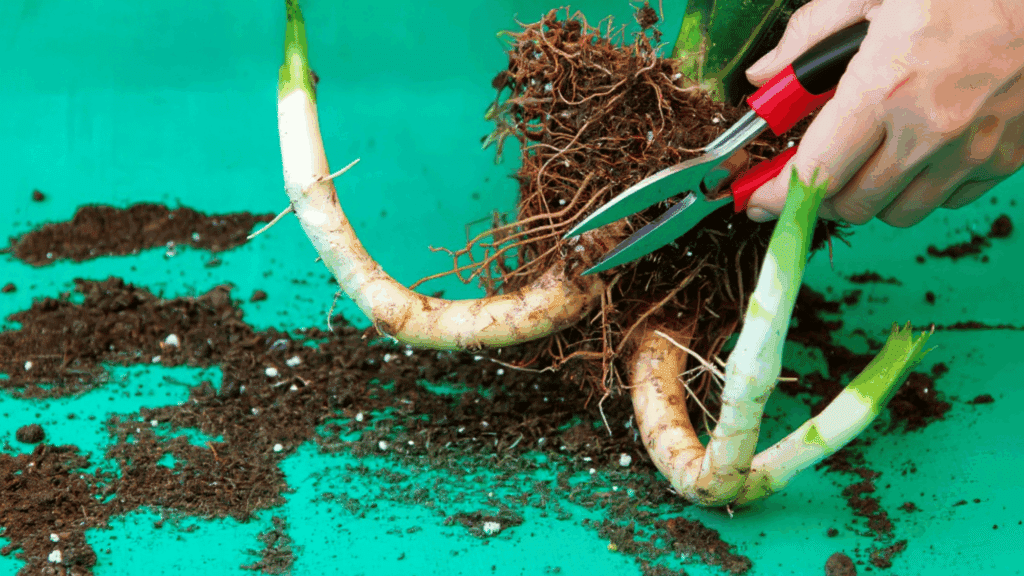
Rhizome propagation uses the underground stems that snake plants naturally produce. This method preserves genetic traits and creates strong, healthy offspring.
- Gently remove the plant and locate thick, horizontal rhizomes
- Cut a healthy rhizome section with at least one growth point
- Ensure each piece has a node or small shoot attached
- Plant the rhizome horizontally just below the soil surface
- Water sparingly until new growth emerges from the node
- Keep warm (70-75°F) for optimal root development
| Pros | Cons |
|---|---|
| Preserves all variegation and patterns | Requires experience to identify good rhizomes |
| Creates genetically identical plants | Takes longer than the division method |
| Strong root systems develop quickly | Not suitable for young plants |
Tips for Successful Snake Plant Propagation
Success isn’t just about following steps. Small details make the difference between thriving plants and failed attempts. These proven tips significantly boost success rates across all methods.
- Use Clean, Sharp Tools: Sterilize scissors or knives with rubbing alcohol before cutting. Dirty blades spread disease and cause infections that kill cuttings.
- Choose Healthy Parent Material: Select thick, firm leaves without spots or damage. Weak or diseased parts won’t root properly, and that wastes valuable time.
- Don’t Overwater: Snake plants hate soggy soil. Water only when the top two inches feel completely dry. Root rot is the number one killer of propagations.
- Provide Indirect Bright Light: Direct sun burns new cuttings. Place them near a window with filtered light. Too much shade dramatically slows root development.
- Be Patient with Growth: New roots take at least 3-4 weeks to form. Resist the urge to check constantly. Disturbing cuttings interrupts the rooting process and causes setbacks.
- Use Well-Draining Soil: Mix regular potting soil with perlite or sand. Good drainage prevents rot and encourages healthy root formation from the start.
Best Time of Year to Propagate Snake Plants
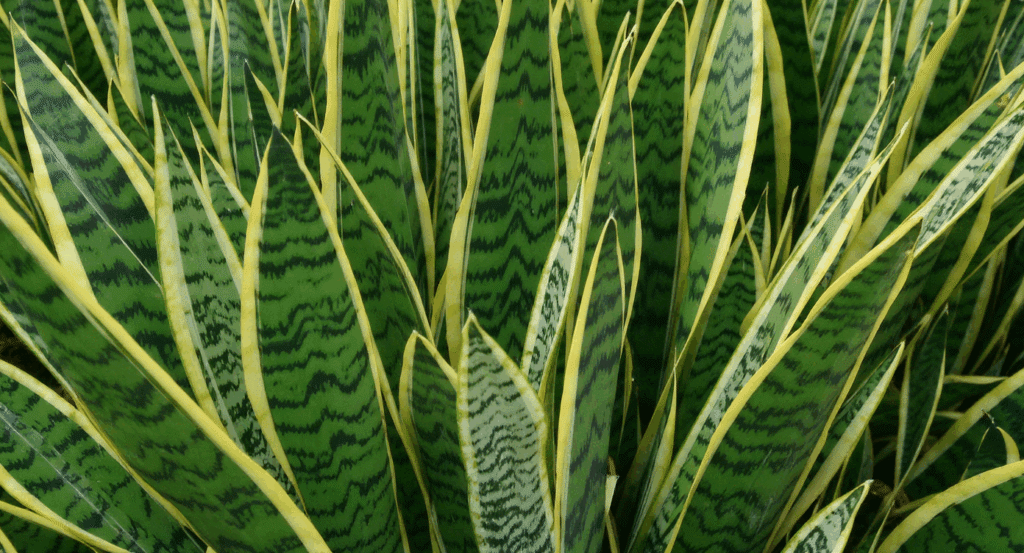
Timing matters more than most people realize. Snake plants grow actively during specific seasons, and propagation success rates vary throughout the year.
Spring and early summer are ideal windows. Warmer temperatures and longer daylight hours trigger natural growth cycles. Plants root faster and establish stronger roots during these months. The increased light energy helps cuttings develop robust root systems quickly.
Fall propagation works but takes longer. Growth slows as temperatures drop and daylight decreases. Expect rooting time to double compared to spring efforts.
Winter is the toughest season. Cold temperatures and short days put snake plants into semi-dormancy. Cuttings struggle to root and often sit stagnant for months. Indoor heating helps somewhat, but results remain unpredictable.
For best results, propagate between March and July, when nature works with gardeners rather than against them.
Wrapping Up
Growing a snake plant collection doesn’t require a green thumb or expensive equipment. These methods work because snake plants naturally want to multiply.
The key is choosing the right technique for each situation and giving cutting time to establish. Start with one method that feels comfortable.
Remember, failures happen even to experts. A cutting that doesn’t root isn’t wasted effort; it’s practice. Each attempt builds skills and understanding.
Now it’s time to grab those scissors and get started. That lonely snake plant sitting in the corner? It’s ready to become ten.