

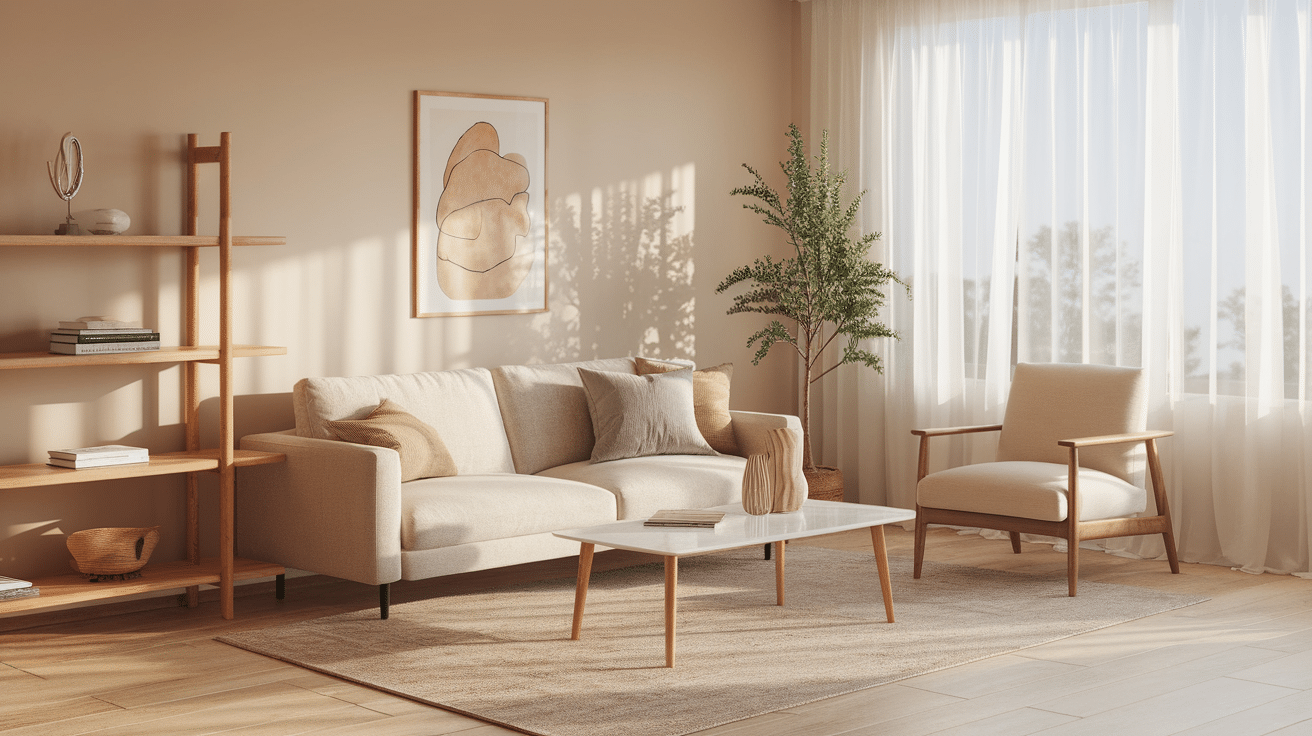
It’s easy for things to build up at home. A few papers on the counter, clothes that no longer fit, or gadgets no one uses.
Over time, these small things take up space. Cleaning around them becomes harder. That’s why many people turn to decluttering.
It helps make a home feel lighter and more open. But knowing where to start can be tricky.
A checklist makes it simple. It gives clear steps and helps break the work into parts that feel easy to manage.
This blog shares a simple list to help anyone start clearing out things they don’t need, one room at a time.
Why Decluttering Helps?
Clutter makes life harder. It hides the things you really need. It makes it hard to clean. It can even cause stress. When your home is full, your mind can feel full too.
Getting rid of what you don’t need helps you:
- Save time when cleaning
- Find what you need faster
- Make space for what matters
- Feel calm and in control
- Move toward a minimalist lifestyle
Before You Start: Get Ready to Declutter
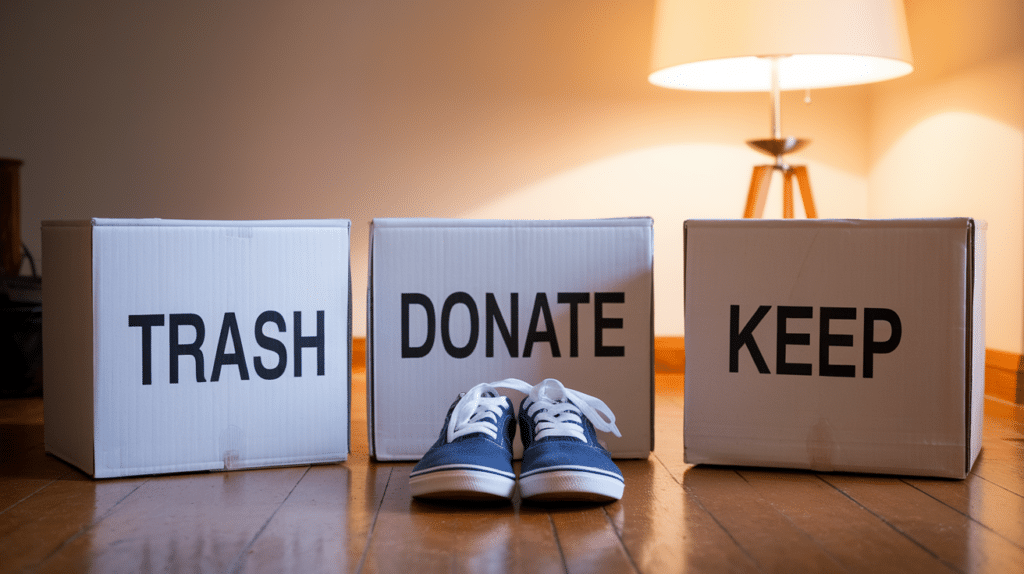
A little planning makes the job easier. Before you start decluttering, gather a few things:
- Three boxes or bags: one for trash, one for donations, and one for items to move to another room.
- A timer: Set short times (like 20 minutes) so it feels less overwhelming.
- Music or a podcast: Something light in the background can help you stay focused.
- A notepad or phone: To list anything you need to fix, clean, or replace.
Room-by-Room Declutter Checklist
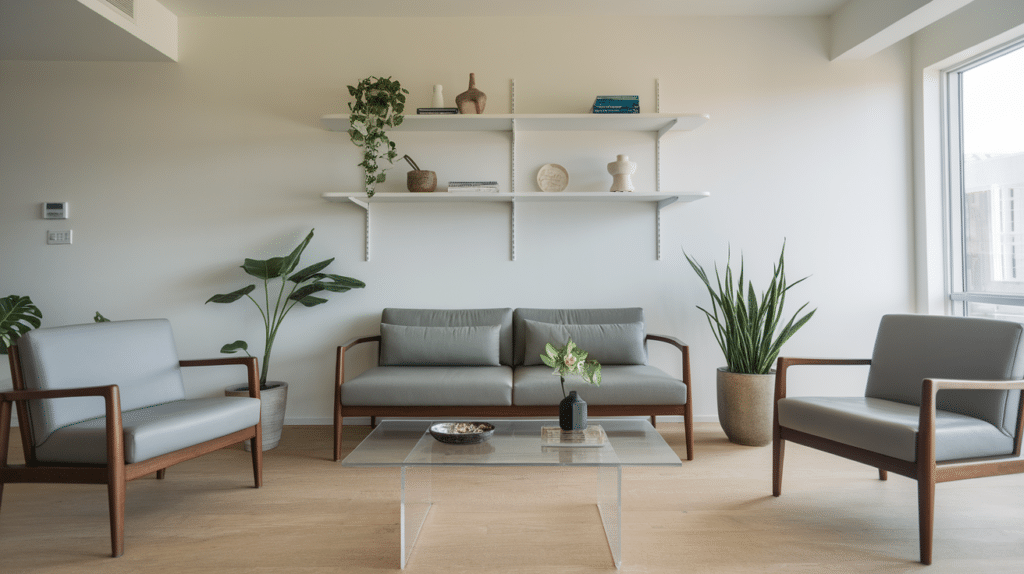
Below is your simple, room-by-room checklist to help you declutter your home with ease. You can print this or check off each step on your phone.
Entryway or Front Hall
This is the first space people see.
- Toss junk mail, old flyers, and unused papers
- Remove broken umbrellas or extra pairs of shoes
- Donate old coats or hats not used in a year
- Keep only one bag or purse per person near the door
- Use bins or baskets for keys, mail, and small items
Living Room
This space fills up fast with random things.
- Recycle old magazines, papers, or mail
- Clear off coffee tables and side tables
- Donate or store books you won’t read again
- Get rid of broken decor or dusty knick-knacks
- Keep throw pillows and blankets you use; store the rest
- Remove unused electronics or remotes
- Use baskets to hold items like toys or chargers
Kitchen
The kitchen gathers clutter in drawers, cabinets, and counters.
Counters:
- Clear off small appliances you don’t use daily
- Toss expired food or spices
- Remove extra mugs, dishes, or bottles
- Keep only what you use often
Drawers:
- Remove extra utensils or broken tools
- Toss old receipts or pens that don’t work
- Sort junk drawer: keep only what’s useful
Pantry:
- Toss expired or stale food
- Donate canned goods you won’t eat
- Group similar items together for easy access
Dining Room
Keep this area clear and calm.
- Remove extra table decor or centerpieces
- Clear off unused place settings or napkin holders
- Recycle old mail or paperwork left on the table
- Keep only one tablecloth or runner out at a time
Bedroom
This space should help you rest and recharge.
Closet:
- Donate clothes that no longer fit or you haven’t worn in 1 year
- Toss broken hangers or empty boxes
- Store seasonal clothes in bins or vacuum bags
Dressers:
- Toss socks with holes, single gloves, or worn-out pajamas
- Keep only the jewelry you wear often
- Clear off the top of the dresser
Under the Bed:
- Remove old boxes, unused bedding, or random items
- Use bins with lids to store off-season items neatly
Bathroom
Bathrooms often collect half-used products.
- Toss expired makeup or medicine
- Get rid of dried-out nail polish or broken brushes
- Recycle empty bottles and tubes
- Limit towels to what you use weekly
- Clear counter space by using wall shelves or baskets
Linen Closet
This space gets messy fast.
- Donate old sheets, towels, or blankets you don’t use
- Keep only 1–2 sets of bedding per bed
- Toss worn-out washcloths or mismatched items
- Store items in labeled bins for easy access
Home Office or Desk
A cluttered desk makes it hard to focus.
- Recycle old papers or shred sensitive documents
- Toss dried-out pens or broken office tools
- Clear old chargers or tech gear you don’t use
- Keep only items you use daily on your desk
- Use trays or organizers for papers and supplies
Kids’ Rooms
Toys and clothes pile up quickly.
- Donate toys your child has outgrown
- Toss broken toys, puzzles with missing pieces, or dried-out markers
- Store toys in bins labeled by type
- Limit books to a small shelf; donate extras to schools or libraries
- Go through clothes often and donate what no longer fits
Garage or Storage Room
This space often becomes a dumping ground.
- Toss old paint cans, broken tools, or empty boxes
- Donate sports gear no longer used
- Sort holiday items and keep only what you decorate with
- Use clear bins with labels to store tools, supplies, or keepsakes
- Hang items on walls to save floor space
Closets Around the House
Check coat closets, hall closets, and small storage spaces.
- Donate extra hats, gloves, or scarves
- Toss items that haven’t been touched in months
- Use hanging organizers or bins to sort small items
- Limit extras, no need for 5 umbrellas or 10 throw blankets
Download the printable checklist here: Easy Checklist to Declutter Your Home (PDF)
How to Keep Clutter from Coming Back
Decluttering once is great, but staying clutter-free is even better. Here are tips to help:
- Use the one-in, one-out rule: If something new comes in, something else must go out.
- Avoid impulse buys: Wait 24 hours before buying non-urgent items.
- Create a donation bin: Keep it in a closet and add to it often.
- Clean out one small area each week: Like one drawer, one shelf, or one bin.
- Make tidying up part of your routine: 10 minutes a day goes a long way.
Benefits of a Minimalist Lifestyle
Living with less can bring more peace, more space, and more time. Below is a clear look at the key benefits:
| Benefit | How It Helps |
|---|---|
| Less Stress | Fewer things mean a calmer space and mind |
| More Time | Less to clean and organize each day |
| Saves Money | Buying less means spending less |
| Easier to Clean | Fewer items = faster and easier cleaning |
| More Space | Rooms feel open and less crowded |
| Better Focus | A tidy space makes it easier to think and get things done |
| Clearer Priorities | You keep what matters and let go of what doesn’t |
| Less Waste | You use what you have instead of buying more |
What to Do with the Items You Remove
As you go through your checklist, you’ll have piles of things. Here’s what you can do with them:
- Donate: Clothes, toys, books, tools, or kitchen items in good shape
- Sell: Use online apps or garage sales for items worth money
- Recycle: Paper, cardboard, some plastics, old electronics
- Trash: Items that are broken, worn out, or have no use
Make it a habit to deal with these items right away. Don’t let the bags sit around for weeks.
Wrapping Up
Decluttering takes time, but it’s worth it. A clean, open space feels better to live in. You don’t need to do everything in one day.
Start with one room or even just one drawer. Use the checklist to help you stay on track. Let go of things you no longer use or need.
Keep only what adds value to your daily life. The less clutter you have, the more peace you’ll feel at home. Make decluttering part of your routine, not just a one-time task.
Ready to get started? Download the free checklist and begin your journey to a simple, calm home today.