
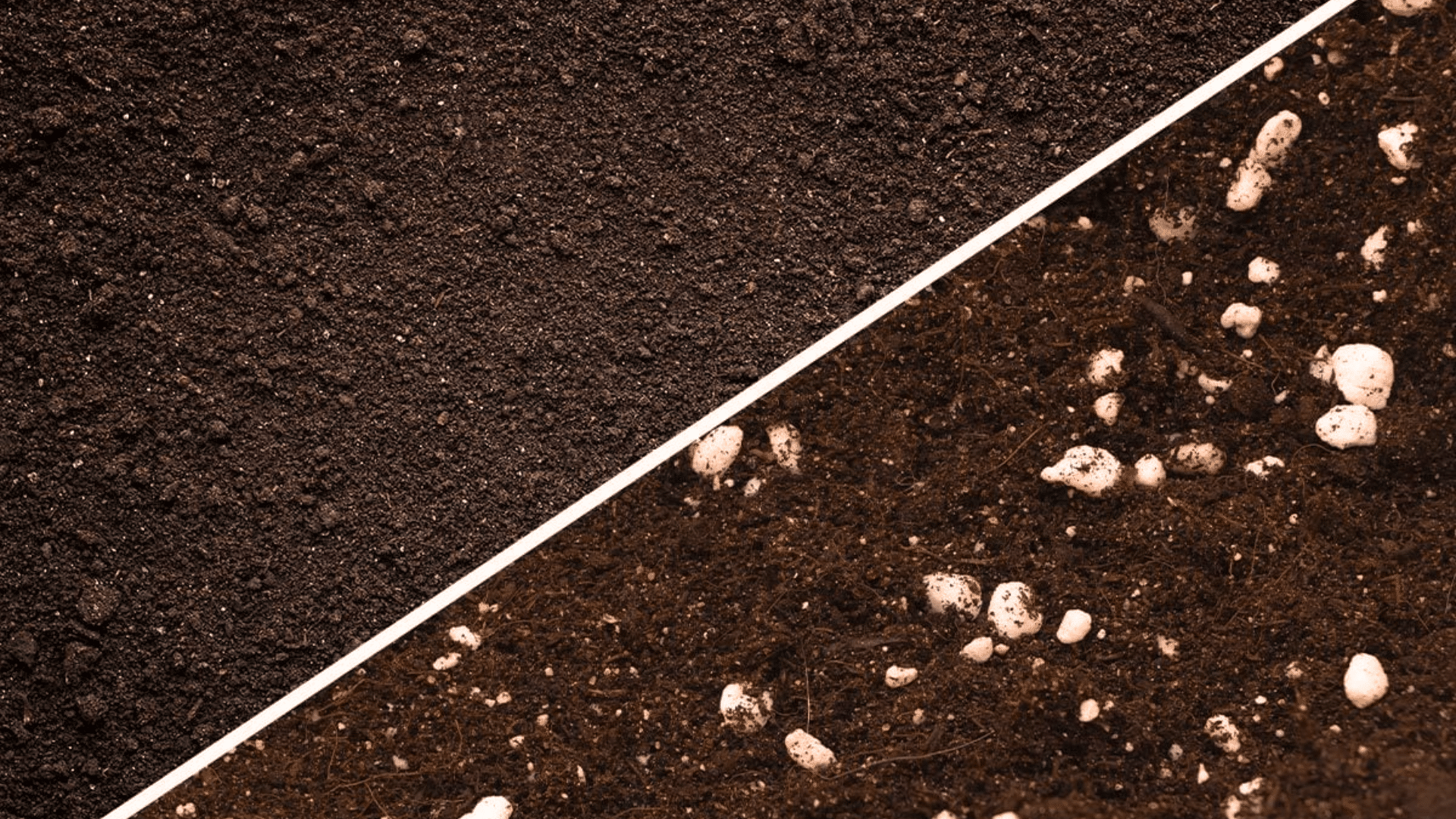
Garden soil and potting soil can look almost the same on the shelf, but using the wrong one can quietly ruin your plants.
I’ve made that mistake before, and it took weeks to figure out why nothing was growing the way it should.
If you’ve ever wondered why your pots dry out too fast or why garden plants struggle for no clear reason, soil is often the hidden cause.
In this post, I’ll explain what garden soil and potting soil are made for, and how they affect plant roots.
You’ll learn when garden soil makes sense and when potting soil is the safer choice. I’ll also share common mistakes I see people make, so you can avoid them.
By the end, you’ll know exactly which soil to grab for your plants and why it matters more than you might think.
What Is Garden Soil?
Garden soil is the soil made for planting directly in the ground. It is usually a mix of native soil, compost, sand, and organic matter added to improve quality.
Garden soil has a heavier texture, which helps it stay in place outdoors but also means it holds water longer.
It contains basic nutrients, but those nutrients depend on where the soil comes from and how it was treated. In outdoor ground beds, garden soil combines with the existing earth and supports long-term plant growth.
It works best in in-ground gardens where roots can spread widely and excess water can drain naturally.
Garden soil is not designed for pots because it can compact over time. When packed too tightly, air pockets disappear, and roots struggle.
Used the right way, garden soil builds strong foundations for plants that grow directly in the earth.
When to Use Garden Soil?
Garden soil is made for outdoor use where plants grow directly in the ground. It works best in spaces where roots can spread, and soil drains naturally.
1. In-Ground Gardens
Garden soil is ideal for in-ground planting because it blends well with the existing earth.
It supports deep root growth and holds moisture longer, which helps plants stay hydrated between watering. Vegetables like tomatoes, beans, and squash grow well in garden soil because their roots need room to spread.
Flower beds also benefit since the soil supports long-term plant growth.
In-ground gardens allow nutrients and water to move naturally through the soil, creating a stable growing environment.
2. Large Outdoor Garden Beds
Garden soil works well in large outdoor beds where soil depth is generous. These beds allow excess water to drain into the ground, reducing the risk of soggy roots.
Plants such as shrubs, perennials, and flowering plants do well in this setup.
Garden soil provides the weight and structure needed to keep tall plants stable.
It also helps maintain even moisture levels, which is important for outdoor plants exposed to the sun and changing weather.
3. Raised Beds with Open Bottoms
Garden soil is a good choice for raised beds that are open at the bottom.
These beds allow roots to grow into the ground below, improving drainage and nutrient access. Crops like carrots, lettuce, and herbs grow well in this setup.
Garden soil stays moist longer than lighter mixes, which helps reduce frequent watering.
This setup combines the benefits of raised planting with the natural support of in-ground soil.
4. Lawn and Landscape Projects
Garden soil is useful for lawn repair, leveling low spots, and general landscaping.
It provides a stable base for grass seed to take root and grow evenly. Garden soil also works well around trees and bushes to support root systems.
Its heavier texture helps keep soil in place during rain.
For outdoor projects that require long-term soil stability, garden soil offers reliable support and natural performance.
What Is Potting Soil?
Potting soil is made for growing plants in containers, not in the ground. It usually contains peat moss or coco coir, compost, bark, and perlite or vermiculite.
Potting soil is light and loose, which helps water drain well and keeps air moving around the roots.
This airflow is important because roots in pots have limited space. Potting soil also holds moisture evenly, so plants stay hydrated without sitting in water.
Many mixes include added nutrients to support early growth. It works best in pots, planters, and indoor containers where drainage control matters most. Unlike garden soil, potting soil does not compact easily.
This helps roots grow strong and healthy over time.
When used in containers, potting soil reduces root stress and lowers the risk of rot caused by poor drainage.
When to Use Potting Soil?
Potting soil is designed for containers where plants rely fully on the soil inside the pot. It supports healthy roots in small spaces and helps manage water and airflow.
1. Indoor Houseplants
Potting soil is best for indoor plants because it stays loose and drains well.
Houseplants like snake plants, pothos, and peace lilies grow better when roots have access to air. Potting soil reduces the risk of water sitting at the bottom of pots, which can cause root rot.
Many mixes are clean and free from pests, making them safer indoors.
The lightweight texture also makes it easy to move pots around without stressing shelves or floors.
2. Outdoor Containers and Planters
Potting soil works well in outdoor pots, planters, and patio containers. These spaces limit root growth, so plants need soil that stays light and airy.
Flowers, herbs, and small vegetables benefit from good drainage during rain.
Potting soil helps excess water drain out instead of soaking roots. It also warms up faster than garden soil, helping plants grow steadily.
The lighter weight makes large containers easier to manage and safer on decks and patios.
3. Hanging Baskets and Window Boxes
Potting soil is ideal for hanging baskets and window boxes because it is lightweight and drains well.
These containers dry out faster, so the soil must hold moisture without becoming soggy. Potting soil balances water and airflow, helping roots stay healthy.
Plants like petunias, ferns, and trailing vines grow better with this mix.
The lighter soil also reduces strain on hooks, brackets, and window frames, improving safety.
4. Seed Starting and Young Plants
Potting soil is useful for starting seeds and growing young plants. Its fine texture allows small roots to spread easily without resistance.
Good drainage prevents seedlings from sitting in wet soil, which can slow growth.
Many potting mixes support early development by holding moisture evenly. This helps seeds sprout and grow strong before moving outdoors.
Using potting soil during early growth gives young plants a better start and reduces stress.
Key Difference Between Potting Soil and Garden Soil
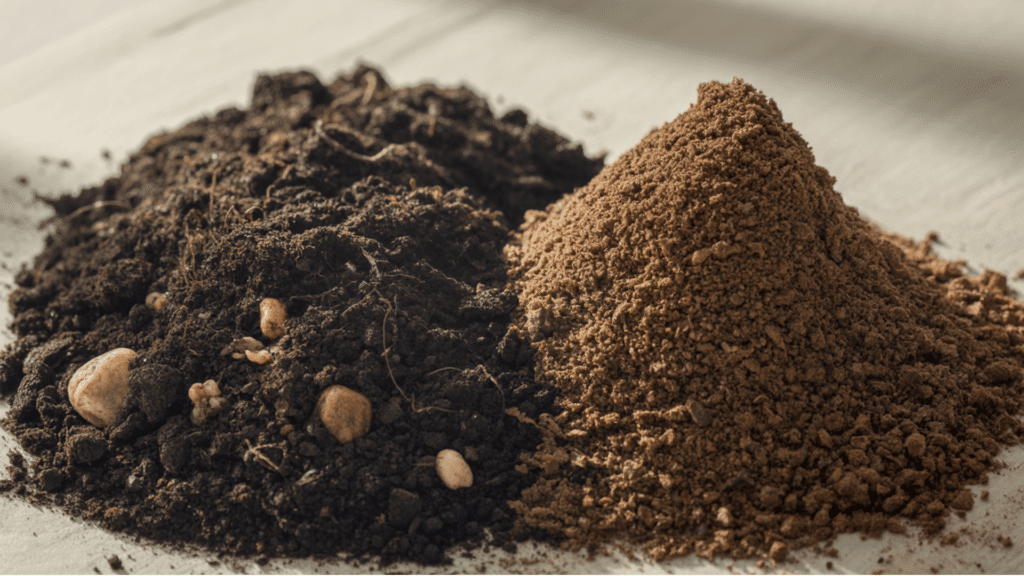
Potting soil and garden soil may look similar at first glance, but they are made for very different growing conditions. Understanding how each one works helps you choose the right option for healthier plants and better results.
1. Composition and Texture
Potting soil is a specially blended mix made for containers and enclosed spaces.
It usually contains peat moss or coco coir to hold moisture, along with perlite or vermiculite to keep the mix light and airy. This loose texture allows roots to grow easily without resistance.
Garden soil is much heavier and is often a mix of natural topsoil, sand, and compost.
This density works well in open ground but can become compacted in pots, limiting root growth.
2. Drainage and Airflow
Potting soil is designed to drain excess water quickly while still holding enough moisture for plant roots.
The added materials create air gaps that allow oxygen to reach the roots, which is very important in containers. Good airflow helps prevent root rot and fungal problems.
Garden soil drains more slowly and holds water longer.
In outdoor beds, this helps plants stay hydrated. In containers, though, it can trap water and cause poor airflow around the roots.
3. Nutrient Control
Most potting soil mixes include added nutrients or slow-release fertilizers to support plant growth.
Since container plants cannot pull nutrients from the surrounding soil, this controlled feeding is important. Nutrient levels are more predictable and easier to manage.
Garden soil varies widely in nutrient content depending on where it comes from and how it is treated.
Outdoor plants benefit from natural nutrient cycling in the ground. In pots, garden soil can lead to nutrient loss, uneven feeding, and weaker plants.
4. Best Uses and Plant Health
Potting soil works best for indoor plants, raised containers, hanging baskets, and patio pots.
It supports healthy root systems in small spaces and helps manage moisture levels. Garden soil is best for flower beds, lawns, shrubs, and vegetable gardens where roots can spread freely.
Using the correct soil type improves plant strength, supports steady growth, and reduces problems like poor drainage or root stress.
Choosing the right soil depends on where the plant will grow and how much space the roots have.
5. Sterility and Pest Risk
Potting soil is usually processed to remove weed seeds, insects, and harmful bacteria before it is sold.
This makes it a safer choice for indoor plants and containers, where pests can spread quickly and be hard to control. Clean soil also helps lower the risk of mold, fungus, and plant diseases.
Garden soil often contains insects, weed seeds, and natural organisms from the ground.
While helpful outdoors, these can cause problems in pots, leading to pests, weeds, or unhealthy plant growth.
6. Weight and Container Safety
Potting soil is much lighter than garden soil, which makes it easier to carry, pour, and use in containers.
Its lighter weight puts less pressure on pots, shelves, decks, and balconies. This is important for indoor plants and hanging planters.
Garden soil is heavy and becomes even heavier when wet.
In containers, this extra weight can reduce drainage, cause soil compaction, crack pots, or strain surfaces not designed to support heavy loads.
7. Cost and Reuse
Potting soil usually costs more because it is specially blended and often includes added nutrients or fertilizer. Many mixes can be reused by loosening the soil and adding compost or fresh nutrients.
Garden soil is often cheaper and available in large amounts.
It works well outdoors but is harder to reuse in containers once compacted.
Over time, reused garden soil can lose airflow and structure, making it less effective for long-term container plant health.
Garden Soil vs Potting Soil: Reddit User Opinions
Reddit users often point out that the biggest difference between garden soil and potting soil comes down to particle size and structure.
Many explain that garden soil contains fine particles like clay, silt, and sand, which work well in the ground but compact quickly in containers.
In pots, this can turn the soil muddy and block oxygen from reaching roots.
Potting soil, on the other hand, is usually soilless and made with peat moss, perlite, or similar materials that stay loose.
Some users share real results. One gardener mixed about one-third garden soil into potting soil and saw better vegetable growth, likely due to added minerals and soil life.
Others warn that straight garden soil in pots often causes poor drainage.
The general takeaway is clear. Each soil has a role, and mixing or choosing carefully matters more than labels.
Common Mistakes to Avoid
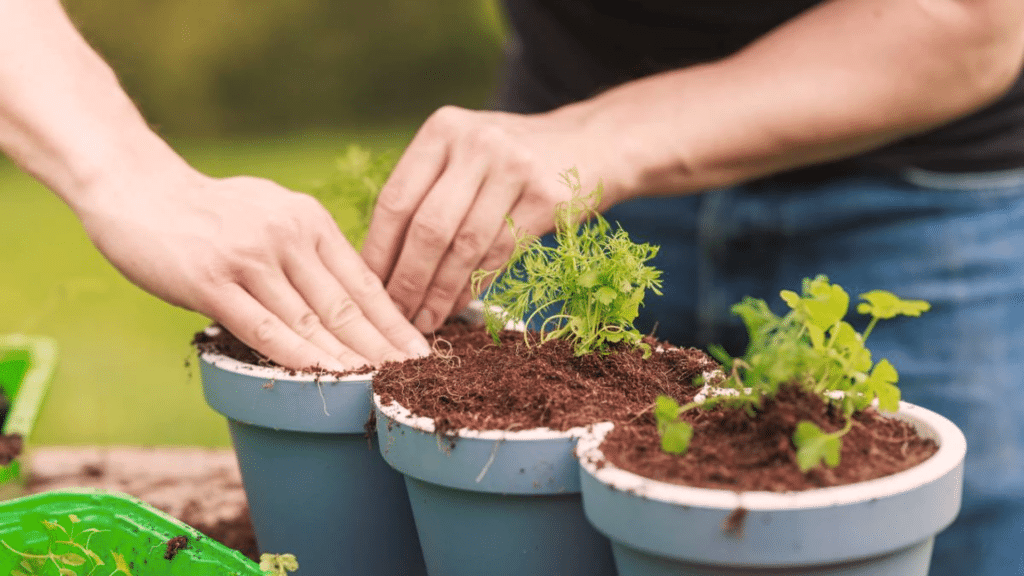
Small soil choices can have a big impact on plant health and growth. Knowing what to avoid helps prevent drainage, root, and feeding problems.
- Using garden soil in pots, which can compact, block drainage, and stress roots
- Assuming all soil types work the same for every plant and container
- Ignoring drainage needs and choosing soil that holds too much water
- Using old, compacted potting soil without refreshing nutrients
- Skipping soil labels and not checking if the mix is meant for containers or in-ground use
- Overfilling containers with heavy soil that adds excess weight and reduces airflow
- Reusing soil that shows signs of pests, mold, or poor structure
Conclusion
Choosing the right soil does not have to feel confusing or overwhelming.
Once you understand how potting soil and garden soil are made and where each one works best, the choice becomes much easier.
Using the right soil helps plants grow stronger roots, manage water better, and stay healthier over time.
It also saves you from common problems like poor drainage or slow growth.
Whether you are planting in the ground, filling a raised bed, or setting up indoor pots, matching the soil to the space makes a real difference.
Take a moment to look at how and where your plants grow, then choose the soil that supports them best.
If you have learned something useful here, try it out in your next planting project and share your experience in the comments below.
Frequently Asked Questions
Can Garden Soil Be Mixed with Potting Soil?
Yes, in large containers, mix about one-third garden soil with potting soil to add minerals while still keeping drainage and airflow balanced.
Does Potting Soil Need to Be Replaced Every Year?
Not always. Potting soil can be reused if loosened, refreshed with compost, and checked for pests, mold, or poor drainage before replanting.
Can Garden Soil Be Converted Into Potting Soil?
Not fully. Adding compost and perlite can improve garden soil, but it still may compact and drain poorly in containers.