

Introduction
The way people think about home has changed dramatically over the past decade. A house is no longer viewed simply as a place to sleep or store belongings, it has become a sanctuary, a workspace, an entertainment hub, and a personal retreat.
This shift has encouraged homeowners, architects, and interior designers to look beyond traditional residential layouts for inspiration. One of the strongest influences on modern home design has emerged from an unexpected source: luxury vacation homes.
Luxury vacation properties are designed to create memorable experiences. Every detail, from the open floor plans and expansive outdoor spaces to spa-inspired bathrooms and resort-style amenities, is carefully curated to provide comfort, relaxation, and functionality.
Travelers often return home inspired by these spaces, seeking to recreate the same atmosphere in their own residences.
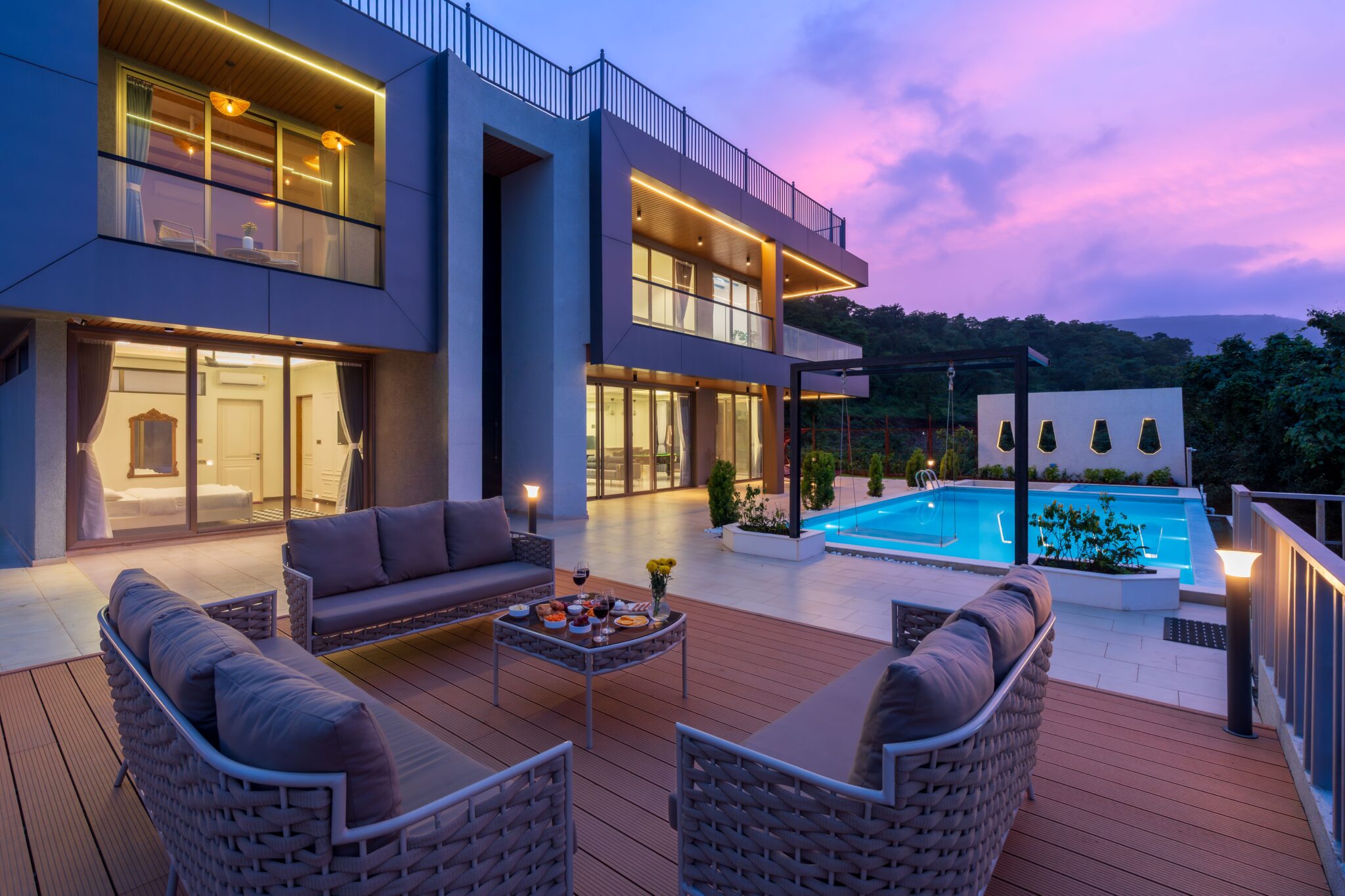
Guests staying in resort-style vacation rentals in Phoenix often experience these design elements firsthand, discovering ideas they later incorporate into their own homes.
As a result, many of the features once reserved for premium vacation rentals are becoming increasingly common in everyday residential design.
The line between hospitality and home living continues to blur, creating houses that prioritize wellness, flexibility, and lifestyle as much as aesthetics.
The Rise of Experience-Driven Design
Modern homeowners are placing greater value on experiences than possessions. Rather than filling homes with unnecessary décor, many people now prioritize spaces that improve everyday living.
Luxury vacation homes are built around this philosophy. Instead of emphasizing form alone, they focus on how people feel within a space.
Natural lighting, seamless indoor-outdoor transitions, inviting gathering areas, and thoughtful layouts all contribute to an environment that encourages relaxation and connection.
Residential designers have embraced this concept by creating homes that support multiple activities while maintaining a welcoming atmosphere. Today’s homeowners increasingly seek spaces that feel peaceful, functional, and adaptable.
Open Floor Plans Continue to Dominate
One of the most recognizable characteristics of luxury vacation homes is the open-concept layout.
Rather than separating kitchens, dining rooms, and living areas with walls, designers create expansive shared spaces that encourage conversation and social interaction. These layouts make homes feel larger, brighter, and more connected.
Open floor plans are particularly attractive for families and individuals who frequently entertain guests. Cooking, dining, and relaxing become shared experiences instead of isolated activities.
Large windows, high ceilings, and carefully positioned furniture further enhance the sense of openness while allowing natural light to flow throughout the home.
Indoor-Outdoor Living Has Become Essential
Luxury vacation properties often blur the boundaries between indoor comfort and outdoor beauty.
Sliding glass walls, covered patios, outdoor kitchens, fire pits, private pools, and landscaped courtyards transform exterior spaces into natural extensions of the home.
Rather than serving as occasional gathering areas, outdoor environments become fully functional living spaces.
This design philosophy has become increasingly popular in residential architecture. Homeowners now invest in patios, pergolas, outdoor dining areas, comfortable seating, and gardens that encourage year-round use.
Creating stronger connections with nature not only enhances visual appeal but also contributes to improved mental well-being and relaxation.
Wellness-Inspired Design Is Growing
Health and wellness have become central themes in residential design.
Luxury vacation homes frequently include spa-like bathrooms, meditation spaces, home gyms, soaking tubs, rainfall showers, and peaceful outdoor retreats. These features encourage rest and rejuvenation while supporting healthy lifestyles.
Modern homeowners increasingly incorporate similar elements into renovation projects and new construction.
Improved ventilation, abundant daylight, calming color palettes, and natural materials help create environments that promote physical and emotional well-being.
Rather than reserving relaxation for vacations, people are bringing those experiences into everyday life.
Flexible Spaces for Modern Living
The way people use their homes has evolved significantly.
Remote work, online learning, creative hobbies, and multigenerational living require spaces that can adapt throughout the day. Luxury vacation homes often include flexible rooms capable of serving multiple purposes without compromising comfort or design.
Residential architects now prioritize adaptable layouts featuring home offices, reading nooks, media rooms, fitness areas, and multifunctional guest suites.
Flexibility has become one of the defining characteristics of successful modern homes.
Hospitality-Level Comfort Is Becoming Standard
Hotels and luxury vacation rentals have long understood the importance of comfort.
High-quality mattresses, premium bedding, layered lighting, acoustic privacy, spacious bathrooms, and carefully selected furnishings all contribute to memorable guest experiences.
Homeowners increasingly seek similar levels of comfort within their primary residences. Rather than focusing solely on decorative elements, they invest in durable materials, ergonomic furniture, quality textiles, and thoughtful lighting design.
These choices improve both aesthetics and everyday functionality.
Natural Materials Create Timeless Appeal
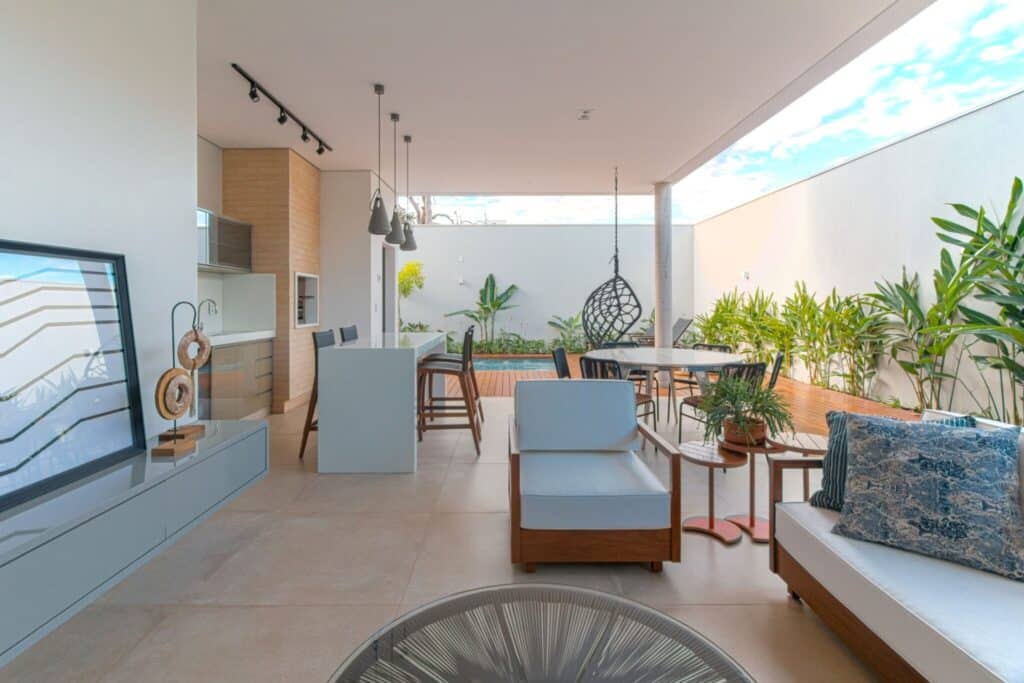 Luxury vacation homes often embrace natural materials that provide warmth, texture, and authenticity.
Wood, stone, linen, clay, concrete, and handcrafted finishes create visual depth while connecting interiors with surrounding landscapes. These materials age gracefully and contribute to timeless design rather than short-lived trends.
Modern residential architecture increasingly favors sustainable materials that combine environmental responsibility with lasting beauty.
Neutral color palettes further enhance this timeless quality, allowing homeowners to personalize spaces through artwork, textiles, and accessories.
Technology Enhances Everyday Living
Smart home technology has become an integral feature of premium vacation properties.
Automated lighting, climate control, keyless entry, security systems, integrated entertainment, and voice-controlled devices improve convenience while simplifying daily routines.
These innovations have rapidly entered residential design as homeowners seek greater efficiency and personalization.
Technology works best when it supports comfort without dominating the living experience. Successful smart homes combine convenience with intuitive, unobtrusive design.
Vacation Homes Inspire Better Entertainment Spaces
Luxury vacation homes are designed for gathering.
Large dining tables, chef-inspired kitchens, outdoor lounges, game rooms, rooftop terraces, and entertainment spaces encourage meaningful social interaction.
Residential design increasingly reflects this emphasis on shared experiences. Kitchens have become central gathering spaces, while living rooms prioritize conversation over formal presentation.
Homeowners are creating environments where family members and guests naturally spend time together.
Personalization Is Replacing Uniform Design
Perhaps the greatest lesson luxury vacation homes offer is that memorable spaces feel unique.
Rather than following identical floor plans or generic decorating styles, many luxury properties reflect local architecture, cultural influences, natural surroundings, and distinctive design details.
Modern homeowners increasingly embrace personalization by selecting finishes, artwork, furniture, and layouts that reflect their individual lifestyles rather than simply following trends.
Authenticity has become more valuable than uniformity.
Inspiration from Luxury Retreats
Many homeowners discover their favorite design ideas while traveling.
Staying in thoughtfully designed accommodations often demonstrates how architectural details, lighting, furniture arrangement, and outdoor spaces contribute to overall comfort.
Guests frequently return home with ideas they later incorporate into renovations or new construction projects.
Travel continues to influence residential design by exposing homeowners to innovative layouts, regional materials, and creative approaches to comfortable living.
Sustainability Is Shaping Luxury
Modern luxury increasingly emphasizes sustainability alongside visual appeal.
Energy-efficient windows, solar panels, native landscaping, water-saving fixtures, environmentally responsible building materials, and passive climate design are becoming common features in both vacation homes and private residences.
Homeowners recognize that sustainable design reduces operating costs while creating healthier living environments.
Luxury today is defined not only by elegance but also by long-term performance and environmental responsibility.
Looking Toward the Future
Residential architecture will continue evolving as lifestyles change.
Artificial intelligence, smart home integration, modular construction, wellness-focused design, and sustainable building practices will further reshape how homes are planned and experienced.
At the same time, the influence of luxury vacation properties is likely to grow stronger. People increasingly seek homes that provide the same comfort, flexibility, and sense of escape traditionally associated with premium travel experiences.
Future homes will be designed not simply for living but for enhancing overall quality of life.
Conclusion
Luxury vacation homes have become far more than temporary accommodations—they have evolved into influential models for modern residential design.
Their emphasis on comfort, functionality, wellness, flexibility, and memorable experiences is reshaping how homeowners think about everyday living.
Open layouts, indoor-outdoor connections, spa-inspired amenities, sustainable materials, and thoughtfully designed gathering spaces demonstrate that exceptional design is about improving how people experience their homes rather than simply how homes appear.
As these ideas continue to influence residential architecture, modern homes are becoming more adaptable, welcoming, and experience-focused.
The ultimate goal is no longer to create a house that looks impressive for visitors, but to create a home that supports comfort, well-being, and meaningful everyday living for the people who call it home.