

People often wonder how often they should water a vegetable garden, and the truth is, watering is one of the most important parts of growing healthy vegetables.
Many also ask, “should I water my garden every day?”, and the answer depends on much more than a simple rule.
It can also be one of the trickiest. There’s no single schedule that works for everyone because your plants, soil, and weather all play a role.
I’ve learned that paying attention to these things matters far more than sticking to a fixed routine.
In this guide, you’ll learn what your garden really needs, how to check soil moisture, and how changing seasons affect your watering plan.
You’ll get simple tips you can use right away, no matter your garden size or experience.
By the end, you’ll feel more confident about when to water and how to keep your vegetables growing well.
Why Watering Frequency Matters for Vegetables?
Watering frequency matters because water helps your vegetables grow, move nutrients through the soil, and build steady root systems.
Water carries the nutrients your plants need, so dry soil slows everything down. Deep watering encourages roots to grow downward, while shallow watering keeps roots close to the surface, making plants weaker.
Deep roots help plants handle heat and stay steady during dry spells.
When you give the right amount of water at the right time, your plants stay healthy and produce more.
Too little water can lead to slow growth and small harvests. Too much water can cause root problems and weak plants.
Watching how often and how deeply you water helps keep your garden productive.
How Often Should You Water a Vegetable Garden?
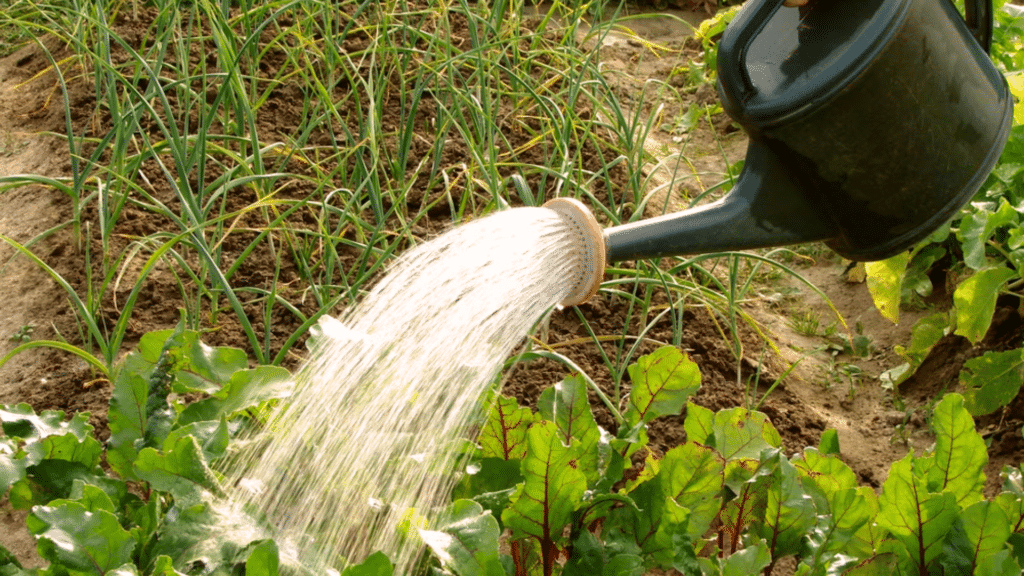
Most vegetable gardens need about 1 to 1.5 inches of water each week, but this is only a starting point. The key is finding the balance between too much and too little.
Too much water can drown roots, while too little leaves plants stressed and slow to grow.
A steady, even supply keeps the soil moist without flooding it. In cooler months, plants often need less water because the soil dries slowly.
When the weather gets hot, they need more frequent watering to stay healthy.
Warm, dry days pull moisture from the soil faster, so checking the soil often helps you stay on track.
Early mornings are usually the best time to water because the soil can absorb it before the heat rises. Adjusting your schedule with the seasons keeps your garden strong and productive.
Factors that Affect how Often You Should Water
Many things shape how often your garden needs water. These key factors help you understand what your plants use each day.
1. Soil Type
Soil type changes how long moisture stays in the ground and how quickly it drains. Clay soil holds water for a long time, but it can stay wet enough to limit air around the roots.
Sandy soil drains fast and dries quickly, so it often needs smaller, more frequent watering.
Loamy soil offers the best balance by keeping moisture steady without staying soaked.
When you know how your soil behaves, you can plan a watering routine that avoids stress, supports root growth, and keeps plants growing at a steady pace.
2. Plant Type
Different plants use water at different speeds, and their needs change as they grow.
Leafy greens need steady moisture because they grow quickly and wilt fast when the soil dries. Fruiting plants like tomatoes, peppers, and squash need more water once flowers and fruit start forming.
Root vegetables prefer even moisture to avoid cracking or slow development. Some crops, such as herbs, tolerate drier soil.
When you understand what each plant group needs, you can adjust your schedule to support strong growth and better harvests.
3. Weather Conditions
Weather plays a major role in how quickly soil loses moisture. Hot, sunny days pull water out of the ground faster, while cooler or cloudy days slow that process down.
Rainfall can reduce how often you water, but strong winds or low humidity can dry out the soil even after a storm.
Seasonal changes also matter, since summer heat speeds up evaporation while fall and spring often require less watering.
Paying attention to temperature, wind, and weekly rain helps you adjust before plants show signs of stress.
4. Garden Setup
Your garden layout affects how long water stays in the soil and how often plants need moisture.
Raised beds drain faster than in-ground beds because the soil is elevated and warms up more. Containers dry out even quickly and may need daily checks during warm months.
Mulch helps slow evaporation and keeps soil cool, reducing how often you need to water. Shade can also cut water loss, though too much shade may slow growth.
When you understand your setup, you can build a watering plan that fits your space and keeps plants healthy.
Signs Your Vegetable Garden Needs More Water
These signs help you understand when your plants are running low on moisture. They show up early, so you can act before growth slows.
- Wilting leaves that look limp during the day but perk up after watering
- Dry, powdery soil that feels hard or crumbly below the surface
- Leaves curling at the edges or showing a dull, flat color
- Slowed growth, especially in young plants that normally grow fast
- Fruit or flowers dropping before they develop
- Soil pulling away from the edges of raised beds or containers
- Plants that dry out quickly, even after a normal watering routine
Best Watering Schedule for Vegetable Gardens
A good schedule helps you keep plants healthy without overwatering. These simple guidelines show you how to adjust based on time and conditions.
1. Early Morning Watering
Early morning is the most reliable time to water because the soil can absorb moisture before the sun gets too strong.
This helps reduce water loss and gives plants what they need for the day. Morning watering also keeps leaves dry, which lowers the chance of disease.
The cooler temperature allows water to move deeper into the soil, reaching the roots where it matters most.
A steady morning routine supports healthy growth without wasting water.
2. Adjusting for Hot Weather
During hot or dry weather, soil loses moisture faster, so plants often need more frequent watering.
Checking the soil with your hand helps you decide when it’s time to add water. If the top few inches feel dry, it’s time to water again.
Hot days may require deep watering several times a week to help roots stay strong.
Keeping an eye on heat and wind helps you adjust before plants show signs of stress.
3. Adjusting for Rainy or Cool Weather
When the weather is cool or rainy, your garden usually needs less water. Soil dries more slowly, and the lower temperature reduces evaporation.
Before watering, check the soil to avoid giving extra water that plants don’t need.
Too much moisture can lead to root issues or slow growth.
Spacing out watering sessions during cool spells helps keep the soil balanced and prevents soggy conditions. This simple adjustment keeps your plants healthy all season.
4. Seasonal Watering Patterns
Watering needs shift as the seasons change. Spring often brings cooler days and natural rainfall, so plants may need lighter, less frequent watering.
Summer heat increases water loss, so deeper and more regular watering becomes important.
In the fall, shorter days and cooler temperatures reduce evaporation again. Paying attention to these seasonal patterns helps you avoid fixed routines that no longer match plant needs.
Adjusting to the weather supports steady growth and stronger harvests.
Easy Watering Schedule at a Glance
Planning a watering routine becomes much easier when you have a quick overview to refer to.
The table below gives you a simple summary of the main schedules and adjustments, so you can plan based on time of day, weather, and season without guessing.
| Schedule Focus | What to Do | Why It Helps |
| Early Morning Watering | Water the soil at the start of the day so it absorbs moisture before the heat rises. | Reduces evaporation, keeps leaves dry, and supports steady root growth. |
| Hot Weather Adjustments | Water more often and check soil depth regularly. Add deep watering when the top few inches are dry. | Hot, dry air pulls moisture out quickly, so plants need extra support. |
| Rainy or Cool Weather Adjustments | Reduce how often you water and check the soil before adding more. | Soil stays moist longer, and extra water can lead to root problems. |
| Seasonal Watering Patterns | Increase watering in summer, reduce watering in spring and fall, and adjust based on soil dryness. | Weather shifts change how fast soil loses moisture, so schedules should change too. |
Tips for Watering Different Vegetable Types
These points help you adjust your watering based on how each crop grows. Use them to match water depth and frequency to plant needs.
- Leafy greens have shallow roots, so they need steady, light moisture and may require more frequent watering.
- Tomatoes and peppers grow deeper roots and do best with deep, occasional watering that reaches several inches into the soil.
- Root crops like carrots and beets need even moisture to prevent cracking or slow development.
- Vining crops such as cucumbers and squash need consistent watering, especially when flowering and setting fruit.
- Container vegetables dry out faster and often need daily checks, especially during warm weather.
How to Adjust Watering in Hot or Dry Weather?
In hot or dry weather, soil dries quickly, so increasing how often you water helps plants stay steady.
Focus on deep watering instead of shallow sessions because it builds stronger roots and keeps moisture where plants use it most.
Adding mulch around vegetables helps slow evaporation and keeps the soil cooler during the day.
Early morning is the best time to water since the soil can absorb more before the heat rises. This also reduces waste and helps plants start the day hydrated.
Watch for heat stress signs such as drooping leaves, dry soil below the surface, or slowed growth.
Responding early helps prevent damage and keeps plants healthier through long hot spells.
Common Watering Mistakes to Avoid
These mistakes often lead to weak plants and uneven growth. Spotting them early helps you keep your garden on track.
- Watering on a strict schedule without checking soil moisture first
- Letting the soil dry out completely, which stresses plants and slows growth
- Using overhead watering that leaves leaves wet and raises the chance of disease
- Watering too fast, causing water to run off instead of soaking into the soil
- Ignoring changes in weather that affect how quickly the soil dries
What Gardeners Really Do: A Look at Watering Habits
Many gardeners on Reddit say the “right” watering schedule depends on weather, soil, and plant type.
Some water daily in summer, while others wait until the soil feels dry a couple of inches down. Others rely on drip systems, timers, or moisture meters to stay consistent.
Evening watering sparks debate, but several gardeners report no issues in drier climates.
Containers and raised beds often need more frequent watering, and tomatoes benefit from steady, deep moisture instead of quick bursts.
The main lesson repeated across replies is simple: watch your soil, not the calendar.
Real gardeners adjust based on heat, rain, and how their plants look.
Conclusion
Watering your garden well comes down to paying attention rather than sticking to a fixed routine. When you watch your plants and soil, you can give water when it truly matters, not just when a schedule says so.
This flexible approach helps you avoid common issues and keeps your garden steady through changing weather.
If you check soil moisture often and adjust as needed, your plants grow stronger and produce more. Small habits make a big difference in how your vegetables turn out.
Before you go, take a moment to think about what has worked in your garden so far.
Share your watering tips or challenges in the comments below so other gardeners can learn from your experience, too.
=