

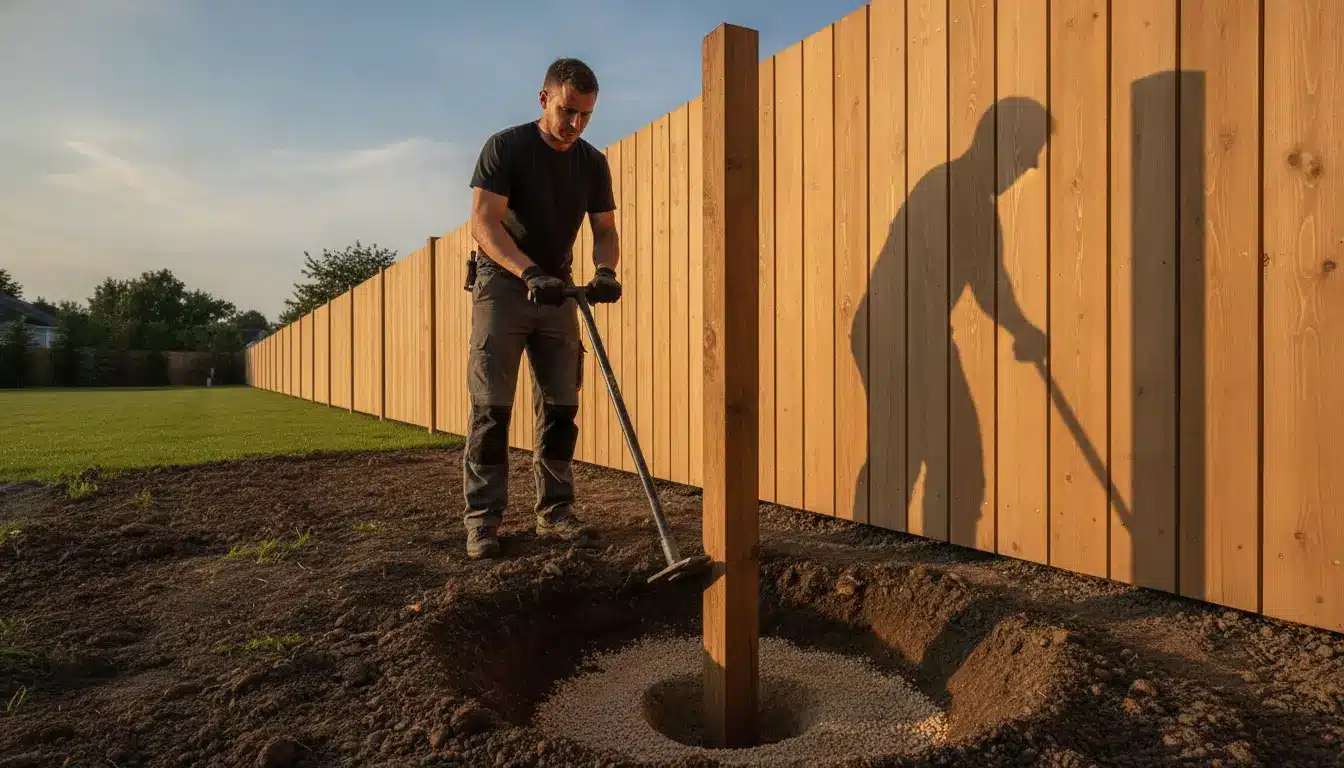
A durable fence begins with a solid foundation, long before panels rise or gates swing. Skilled installers study soil behavior, drainage, wind exposure, and daily use before choosing a build method.
That early discipline prevents common faults, including leaning posts, twisted rails, and premature hardware strain. Property lines may look simple from the street, yet lasting performance depends on structural choices that quietly shape stability, appearance, and service life year after year.
Strong Starts
Most fence failures start below grade, where shifting soil and shallow support points slowly distort the frame. Guidance shared by forterafencing.com reflects a more disciplined approach, with deeper-driven posts, cleaner site planning, and hardware chosen for sustained loads.
Those decisions matter because hidden movement, once established, often spreads upward into rails, panels, hinges, and gates before owners notice visible change.
Material Fit
Material selection shapes lifespan more than many buyers expect. Cedar offers privacy and warmth, though exposure to moisture requires regular sealing. Vinyl handles wet conditions with less upkeep and keeps a consistent finish. Aluminum suits open views, decorative borders, and pool enclosures.
Chain link remains practical for utility areas that need clear boundaries. Mixed systems can also serve one property well when privacy, security, and appearance must work together.
Better Foundations
Foundation quality decides whether a fence stays true after seasons of rain, heat, and ground movement. Experienced crews pay close attention to soil density, post depth, and load transfer at each connection point. Driven installation can reduce disturbance and create a firmer hold in suitable terrain.
That matters because many visible defects begin where pressure first gathers, at the buried support line that carries every panel and gate.
Weather Proofing
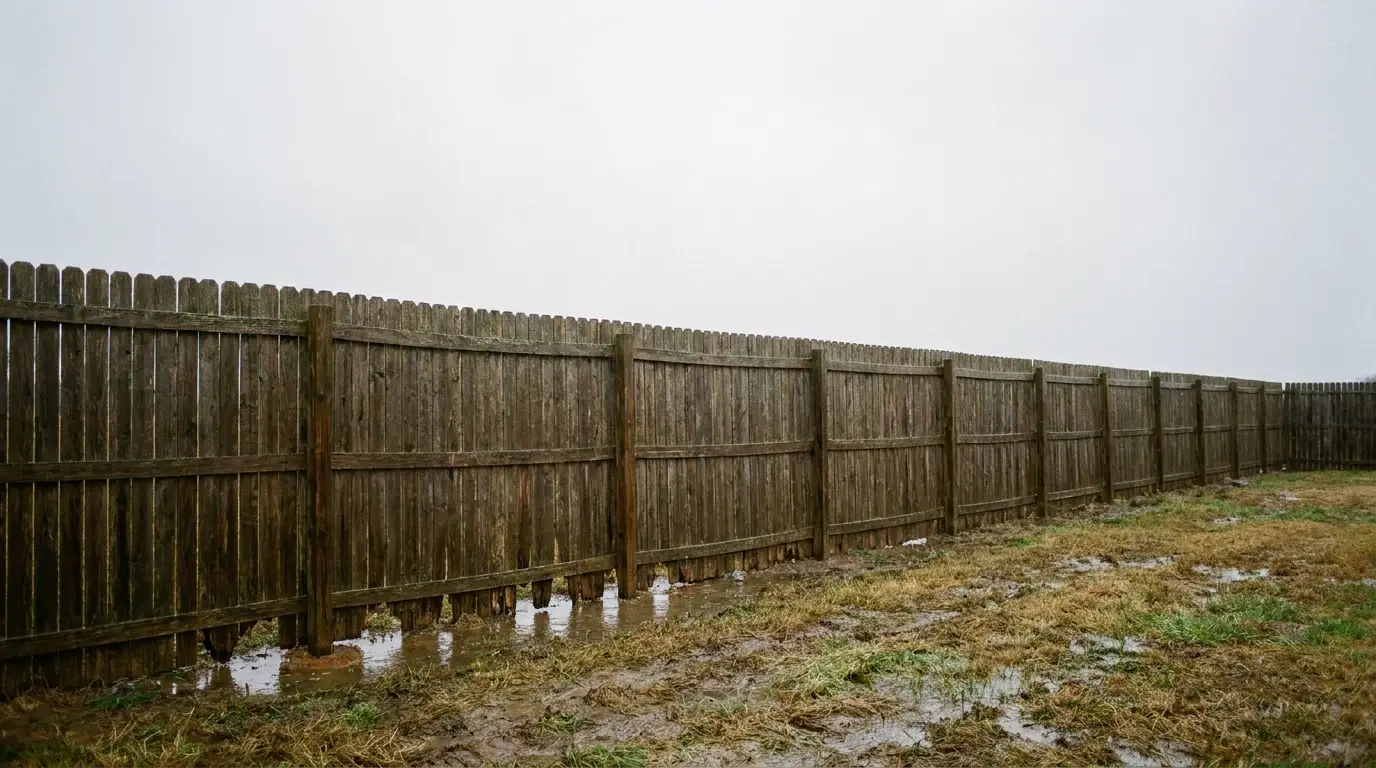
Extreme weather conditions reveal weaknesses that calm days hide. Wind pressure, saturated ground, and repeated temperature fluctuations test every fastener, brace, and post.
A fence may appear straight after installation, yet poor anchoring can show up months later as sagging sections or stubborn gates. Professional planning reduces that risk by matching the system to local climate, exposure, and drainage patterns before work starts.
Wind Matters
Coastal conditions place unusual stress on outdoor structures. Strong gusts, wet soil, and humid air create repeated loading that can loosen weak assemblies. Professional installers respond by adjusting post spacing, panel style, and anchoring depth to suit the site.
Wind certification also offers a useful benchmark when evaluating structural confidence. Careful preparation helps limit racking, separation, and early fatigue after severe weather passes.
Precise Installation
Installation accuracy affects much more than appearance. Straight runs distribute force more evenly, while proper spacing helps each section carry the load without twisting nearby components.
Gates depend on that precision because minor alignment errors can cause dragging, latch wear, and frame distortion. Skilled crews measure grade changes, note obstructions, and set corners carefully before work begins. That preparation protects function during years of regular opening and closing.
Repair Versus Replace
Damage assessment requires honesty and technical judgment. A trained contractor can tell whether a leaning section needs localized repair or whether structural failure has already spread through adjoining parts.
Rotten rails, bent posts, loose mesh, and failing hinges rarely improve through cosmetic patching alone. Clear evaluation saves money over time because repeated short-term fixes often shift strain into nearby sections that were previously sound.
Property Needs
Each site places different demands on a fence. A residence may need privacy, child safety, pet control, and visual consistency with the home. Commercial properties often value security, traffic flow, and dependable perimeter definition.
Shared communities must also consider visibility, maintenance burdens, and resident protection. Rural land may require containment and long boundary runs. Good planning matches construction choices to actual use, rather than habit.
Maintenance Planning
Even a well-built fence benefits from routine care. Washing vinyl, sealing wood, checking hinges, and clearing vegetation near the base can prevent small issues from becoming structural problems.
Professional installers usually explain what deserves seasonal attention and when service should be scheduled. That guidance helps owners act early, before sticking gates, loose fasteners, or trapped moisture create wider deterioration across connected sections.
Project Process
Project quality reflects process as much as materials. Accurate measurements, thoughtful layout, and a clear proposal reduce mistakes before installation begins. Site review also helps crews anticipate roots, slope changes, drainage concerns, and access limits that could affect performance later.
Completion time also matters, especially when the chosen method demands long curing delays. Good communication supports smoother execution and leaves fewer questions unanswered during construction.
Conclusion
Professional fencing performs well over time because durable results come from disciplined decisions made at every stage. Sound foundations, site-appropriate materials, accurate layout, and practical maintenance advice each contribute to structural stability and daily function.
Severe weather, ground movement, and repeated gate use all test workmanship in quiet ways. Owners usually see the strongest long-term value when trained specialists guide planning, installation, repair decisions, and ongoing care with care and precision.