

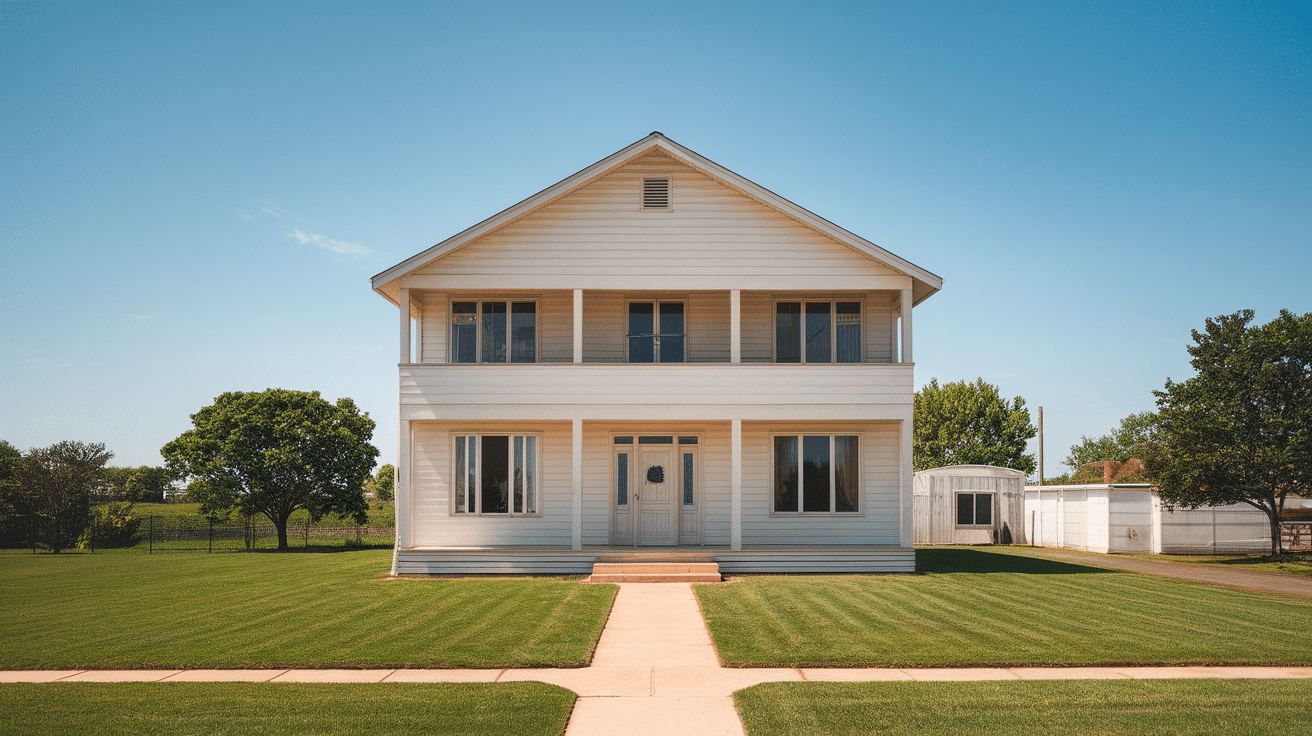
A two-story house has two full levels, one built above the other. It’s a common design in cities, suburbs, and rural areas.
But how tall is a house like this? That’s a question many people ask when building, buying, or planning home changes.
The answer can depend on a few things, but there are standard sizes used in most places.
This blog looks at the typical height of a two-story house and what can affect it, like ceiling height or roof type.
What is a Two-Story House?
A two-story house has two full levels or floors. The second floor is built right on top of the first. Each level usually has bedrooms, bathrooms, or living areas.
This kind of home gives people more room without using more land space. That’s why two-story homes are common in cities and suburbs.
People want to know the height of a 2-story house for many reasons:
- Planning a new build
- Adding a second floor to a home
- Following building codes or zoning rules
- Estimating the size for siding, painting, or roofing work
- Checking if a home fits under tree lines, bridges, or power lines
What is the Average Height of a 2 Story House?
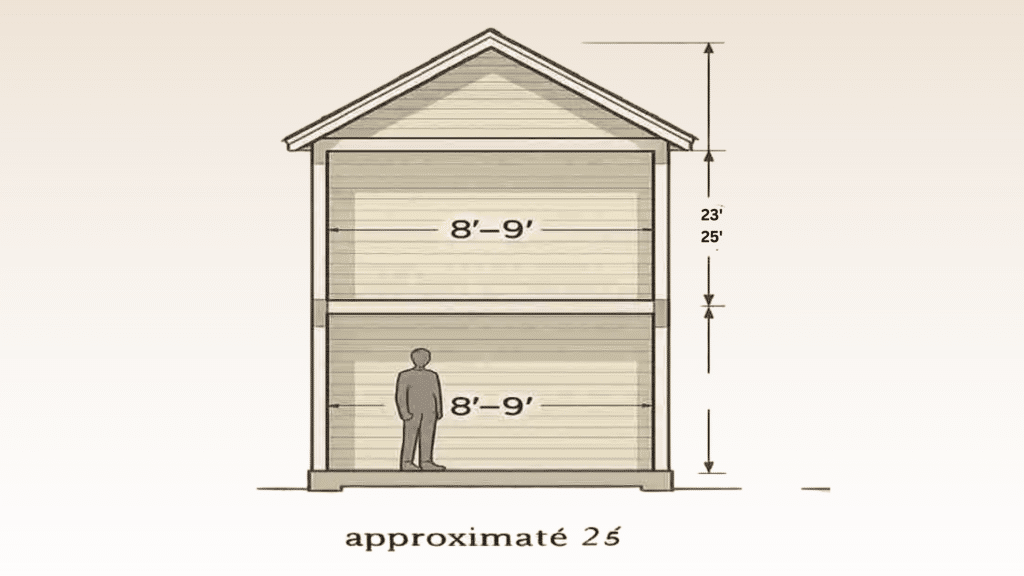
The average height of a 2-story house is usually between 23 and 25 feet, measured from the ground to the top of the roof. This range depends on several parts of the house, including the height of each floor and the type of roof. Let’s break it down.
First Floor Height
Most modern homes have a first-floor ceiling height of 8 to 10 feet. In higher-end homes, the ceilings can be 9 or even 10 feet tall. But that’s not the full story. You also have to count the space used by:
- Flooring layers
- Support beams
- Pipes and ductwork
When these parts are added, the total height for the first floor is usually about 10 to 12 feet from the ground up to the second floor.
Second Floor Height
The second floor often has a ceiling height of 8 to 9 feet. If there’s a sloped roof or attic space, the ceiling may be lower in some areas.
Just like the first floor, the second floor also includes floor thickness. So, the full height for this level is usually 9 to 11 feet.
Roof Height
The roof adds even more to the total height. How much depends on the style and slope (also called pitch). Here are some common types:
- Flat Roof: adds about 1 to 2 feet
- Low-Slope Roof: adds 2 to 4 feet
- Medium-Slope Roof (most common): adds 4 to 6 feet
- High-Slope Roof: adds 6 to 10 feet or more
This means the roof can increase the overall height by several feet.
Putting it All Together
Here’s a simple way to see it:
| Part of the House | Height (Average) |
|---|---|
| First Floor | 10 to 12 feet |
| Second Floor | 9 to 11 feet |
| Roof | 4 to 6 feet (typical) |
| Total Height | 23 to 25 feet |
Factors That Affect House Height
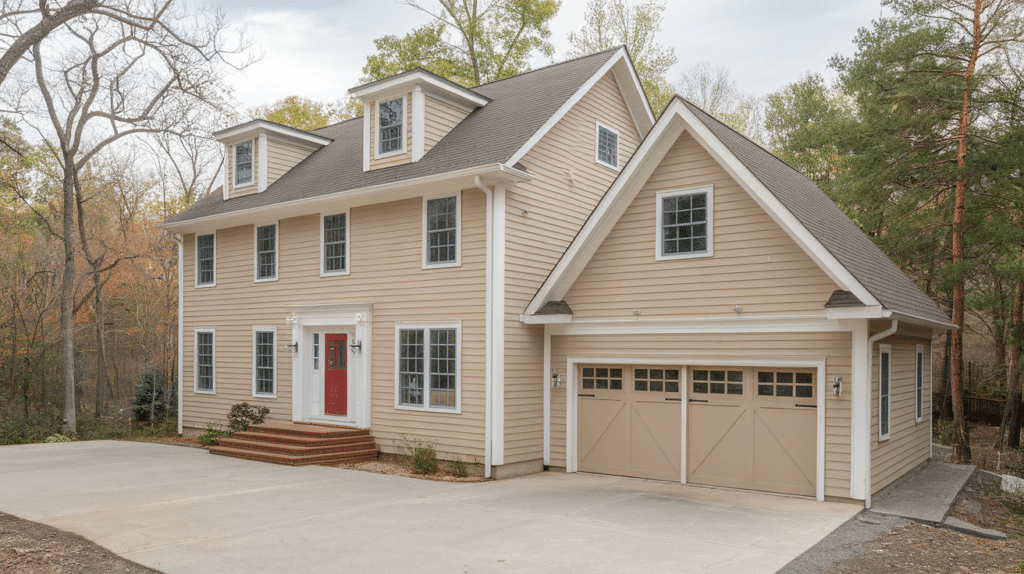
Several things can make a two-story house taller or shorter. Here are the most common ones:
1. Ceiling Height
Higher ceilings mean more height per floor. Some homes have 9 or 10-foot ceilings, especially on the first level. This adds more space inside but also raises the total height.
2. Floor Thickness
Each floor needs a structure to hold it up. This includes beams, pipes, and insulation. Some homes use thicker floors, which adds inches or even feet.
3. Roof Style
A steep roof (like an A-frame) adds a lot more height than a flat or low-slope roof. Roof height can also vary based on climate or design style.
4. Attic or Bonus Rooms
Some two-story houses include an attic or a loft above the second floor. These add extra height and space, even if they aren’t full stories.
5. Foundation Height
Homes built on a raised foundation, basement, or crawl space may start higher than homes on a slab. This base adds height before the first floor even begins.
6. Design Style
Different home styles come with different heights. A Colonial-style house may look boxy and short, while a Victorian home may have tall ceilings and a steep roof.
How Building Codes Affect Height
Local building codes often set rules about how tall a home can be. This may include:
- Maximum height limits for neighborhoods
- Zoning laws that restrict building size
- Fire codes that require ceiling height or stair size
- Roof height limits in places with heavy snow or wind
Before building or adding to a home, it’s important to check with your city or county. Many places allow two-story homes, but may limit how tall they can be from the ground to the peak.
Height Compared to Other Buildings

To better understand how tall a 2-story house is, it helps to compare it with other familiar structures. Here’s how it stacks up:
| Structure | Height Range (Feet) |
|---|---|
| 1 Story House | 10 to 15 feet |
| 2 Story House | 23 to 25 feet |
| 3 Story House | 33 to 40 feet |
| School Building | 30 to 40 feet |
| Street Light | 25 to 30 feet |
| Utility Pole | 30 to 40 feet |
Tips When Planning a Two-Story Home
If you are building or remodeling:
- Think about how much headroom you want
- Pick a roof type that fits your weather and style
- Check local codes for height rules
- Add attic or bonus space only if it makes sense
- Choose ceiling height based on comfort and cost
Higher ceilings feel more open but also cost more to build and heat.
To Conclude
The height of a two-story house isn’t just a number; it affects safety, design, and how a home fits into its space.
Roof shape, ceiling height, and floor structure all play a role. Even small changes in these areas can add up.
If you’re working with a builder, asking the right questions about height can help avoid costly mistakes. If you’re just curious, now you have a solid idea of what goes into the full height of a home.
Looking for more answers to common home questions? Keep reading our blog for clear, helpful tips made easy for everyone.