

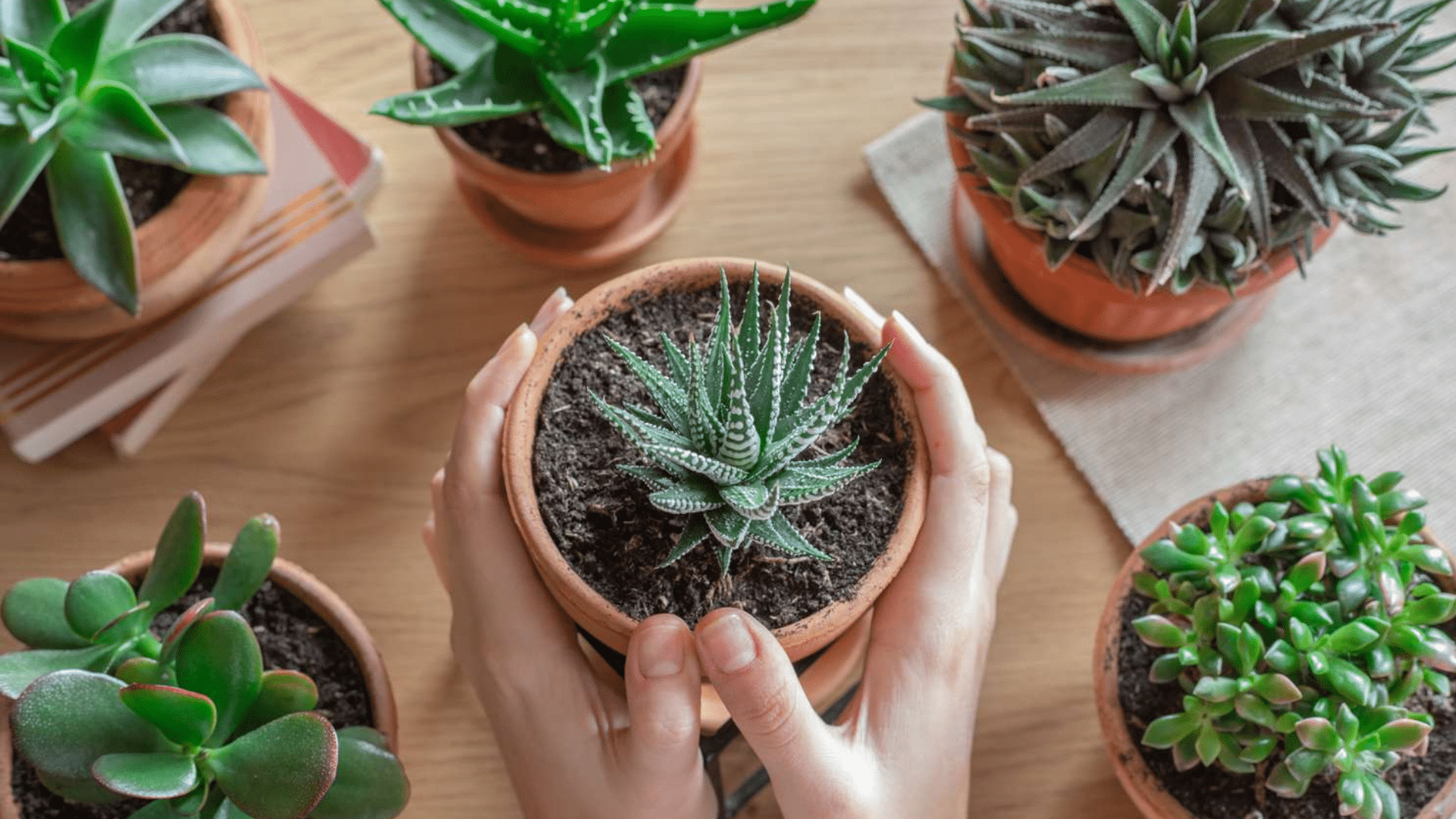
Succulents have become one of the most popular plants for home gardeners, and it’s easy to see why.
They’re low-maintenance, come in a variety of shapes and colors, and add a touch of greenery to any space. But, like any plant, they need the right care to grow.
Knowing how to care for your succulents properly can make all the difference in keeping them healthy and vibrant.
In this blog, I’ll share everything you need to know, from watering tips to the best soil for succulents and how to avoid common mistakes.
If you’re a beginner or looking to refine your skills, this guide will help you grow your succulents like a pro.
Ready to give your plants the care they deserve? Let’s get started!
About Succulents
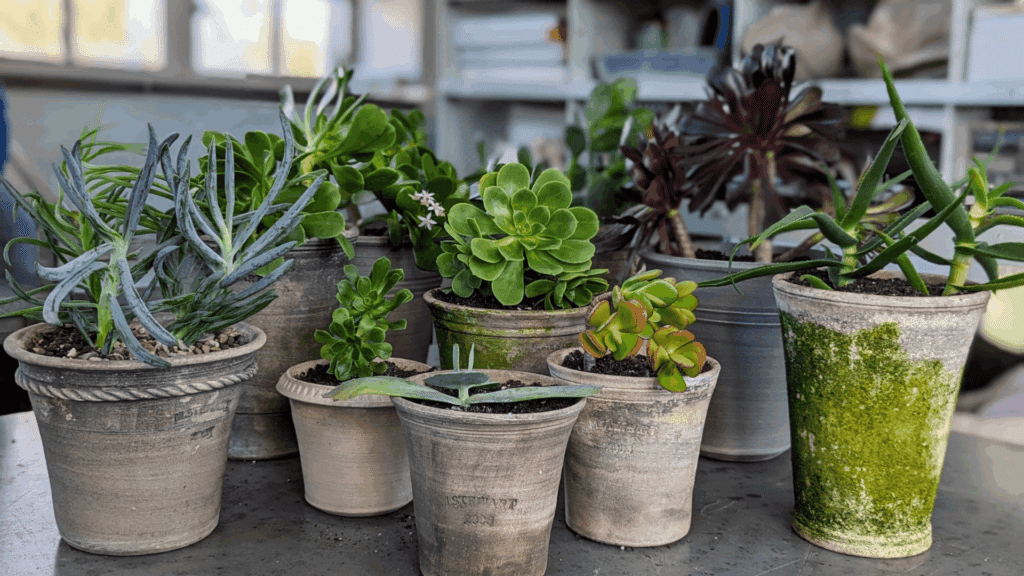
Succulents are a type of plant that store water in their leaves, stems, or roots, making them well-suited for dry conditions.
They come in many shapes, sizes, and colors, and they’re known for being easy to care for.
These plants are great for people who might not have a green thumb because they don’t require a lot of attention.
They need well-draining soil, some sunlight, and a little water. Overwatering is a common mistake, so it’s important to let the soil dry out before watering again.
Key Specifications
- Scientific Family: Crassulaceae, Cactaceae, and more
- Common Species: Aloe vera, Echeveria, Jade plant, Sedum, Agave
- Native Habitats: Deserts, tropical climates, and dry regions
- Water Storage: Leaves, stems, or roots
- Watering: Infrequent, allowing soil to dry between waterings
How to Care for Your Succulents?
Succulent care is simple once you understand their basic needs. By providing the right environment, you’ll help your succulents grow strong and healthy.
1. Watering Your Succulents
Watering is crucial for succulents, but it’s important not to overdo it. Let the soil dry out completely before watering again.
Stick your finger into the soil to check its dryness. If it feels dry, water the plant until the excess drains out.
Never let succulents sit in water, as this can cause root rot. Use a well-draining pot to ensure the water can escape easily.
Succulents need less frequent watering compared to other plants, so avoid giving them too much water at once.
2. Sunlight Needs
Succulents need bright, indirect sunlight to stay healthy. Too much direct sunlight can cause sunburn, while too little light leads to leggy growth.
Place your succulents near a window that gets moderate sunlight, preferably facing east or west.
If you don’t have enough natural light, consider using artificial grow lights.
Succulents like Aloe Vera and Jade Plants can tolerate more direct sunlight, while others, like Echeveria, prefer filtered light. Ensure your plants receive enough light to maintain their compact, healthy shape.
3. Soil Requirements
Succulents need well-draining soil to prevent root rot. Use a cactus or succulent mix, or improve regular potting soil by adding perlite or sand.
This helps the water drain quickly and prevents the soil from becoming waterlogged.
When repotting, always choose a pot with drainage holes to allow excess water to escape. Avoid heavy, moisture-retaining soils that can suffocate succulent roots.
A well-draining mix ensures the roots stay dry between waterings, which is key to keeping your succulents healthy and thriving.
4. Temperature and Humidity
Succulents grow in warm, dry conditions and prefer temperatures between 60°F and 80°F (16°C–27°C). They can tolerate heat but should be protected from freezing temperatures.
Succulents don’t like high humidity, as it can promote mold growth and rot.
Keep them in areas with good air circulation to prevent moisture buildup. Avoid placing them near drafts or cold windows during winter.
If you grow succulents outdoors, make sure to bring them inside if the temperature drops below freezing.
5. Potting and Repotting
Succulents should be repotted when they outgrow their container. Choose a pot that’s just one size larger than the current one, with drainage holes.
Repotting helps the plant grow healthy roots and ensures it has enough space.
Carefully remove the plant from its old pot, gently shake off excess soil, and place it in the new pot.
Fill the new pot with well-draining soil, and water lightly after repotting. Repot your succulents every 1-2 years to refresh the soil and avoid overcrowding.
Seasonal Care Tips for Healthy Succulents
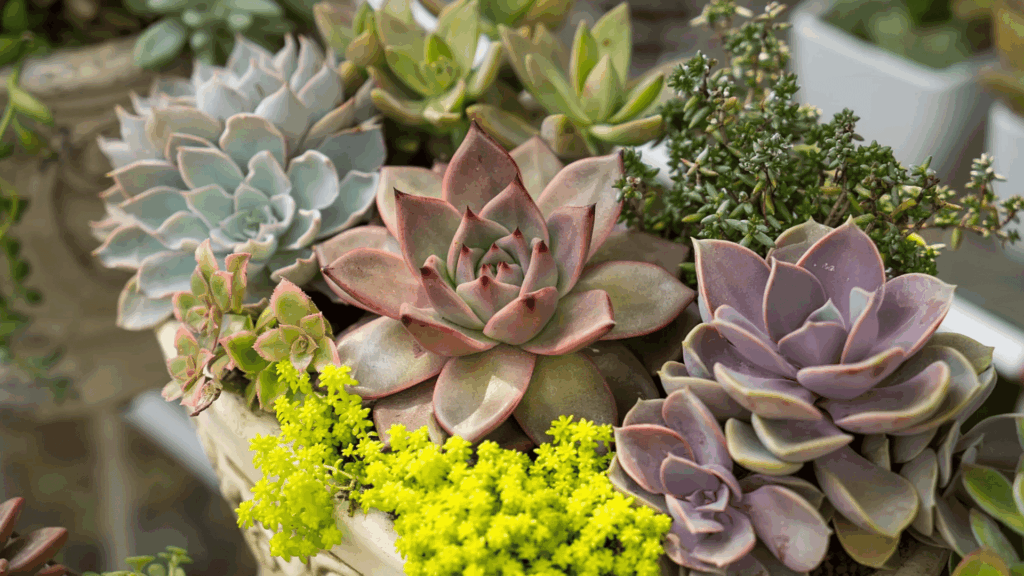
Succulents require different care depending on the season. Adjusting their routine for each season helps them stay healthy and vibrant all year round.
- Spring: Increase watering as the weather warms up, but ensure the soil dries between waterings. Repot or prune any leggy growth.
- Summer: Ensure they get plenty of bright, indirect sunlight. Water them sparingly, as higher temperatures may dry the soil faster.
- Fall: Gradually reduce watering as succulents enter dormancy. Keep them in a cooler spot with indirect light to help them rest.
- Winter: Succulents are dormant and need minimal water. Keep them in a warm, dry area and avoid placing them near cold drafts.
Simple Succulent Care Routine for Beginners
Succulents grow with minimal effort, storing water in their leaves for resilience in dry conditions. Perfect for busy beginners, they add effortless greenery to desks, shelves, or windowsills.
| Step | Frequency | Action | Tips |
| Light | Daily | Place in bright, indirect sunlight for 6+ hours. | Rotate pots weekly for even growth; use grow lights indoors during winter. |
| Watering | Every 1-3 weeks | Water deeply until it drains out the bottom, then let the soil dry completely. | Check soil with finger—dry 1-2 inches deep before watering; reduce in winter. |
| Soil & Pot | Once initially, repot every 1-2 years | Use well-draining cactus/succulent mix in terracotta or pots with drainage holes. | Avoid overpotting; fresh soil prevents root rot. |
| Temperature & Humidity | Ongoing | Keep at 60-80°F (15-27°C); low humidity is ideal. | Protect from frost; group plants to slightly boost humidity if too dry. |
| Fertilizing | Spring-Summer, every 4-6 weeks | Apply diluted balanced fertilizer (e.g., 10-10-10 at half strength). | Skip in fall/winter; overfeeding causes leggy growth. |
| Pruning & Propagation | As needed (seasonally) | Trim dead leaves; propagate leaves or cuttings in dry soil. | Let cuttings callous 1-2 days before planting for success. |
| Pest Check | Weekly | Inspect for mealybugs or aphids; wipe with alcohol if spotted. | Isolate affected plants; neem oil prevents infestations. |
Common Mistakes to Avoid in Succulent Care
Succulents are simple to care for, but a few small mistakes can lead to big problems. Being aware of these issues can help you avoid common pitfalls and keep your plants healthy.
- Overwatering: Succulents need less water than most plants. Overwatering is one of the most common mistakes and can lead to root rot.
- Using the Wrong Soil: Regular potting soil retains too much moisture. Succulents require well-draining soil to grow.
- Not Enough Sunlight: Succulents need bright, indirect light. Lack of sunlight can lead to leggy growth and poor health.
- Wrong Pot Choice: A pot without drainage holes traps water, causing root rot. Always use pots with drainage.
- Ignoring Temperature Needs: Succulents prefer warmth. Exposure to cold drafts or freezing temperatures can damage or kill them.
Conclusion
Caring for succulents is simple once you know the basics: water them carefully, give them the right amount of sunlight, and ensure they’re in well-draining soil.
By adjusting your care routine to the seasons and avoiding common mistakes, you’ll help your succulents grow year-round.
If you’re a beginner or experienced plant owner, following these straightforward tips can make all the difference in keeping your plants healthy and vibrant.
Now it’s your turn! Have you tried any of these tips, or do you have your own secret succulent care tricks?
Drop a comment below and share your experiences, or feel free to ask any questions you have.