

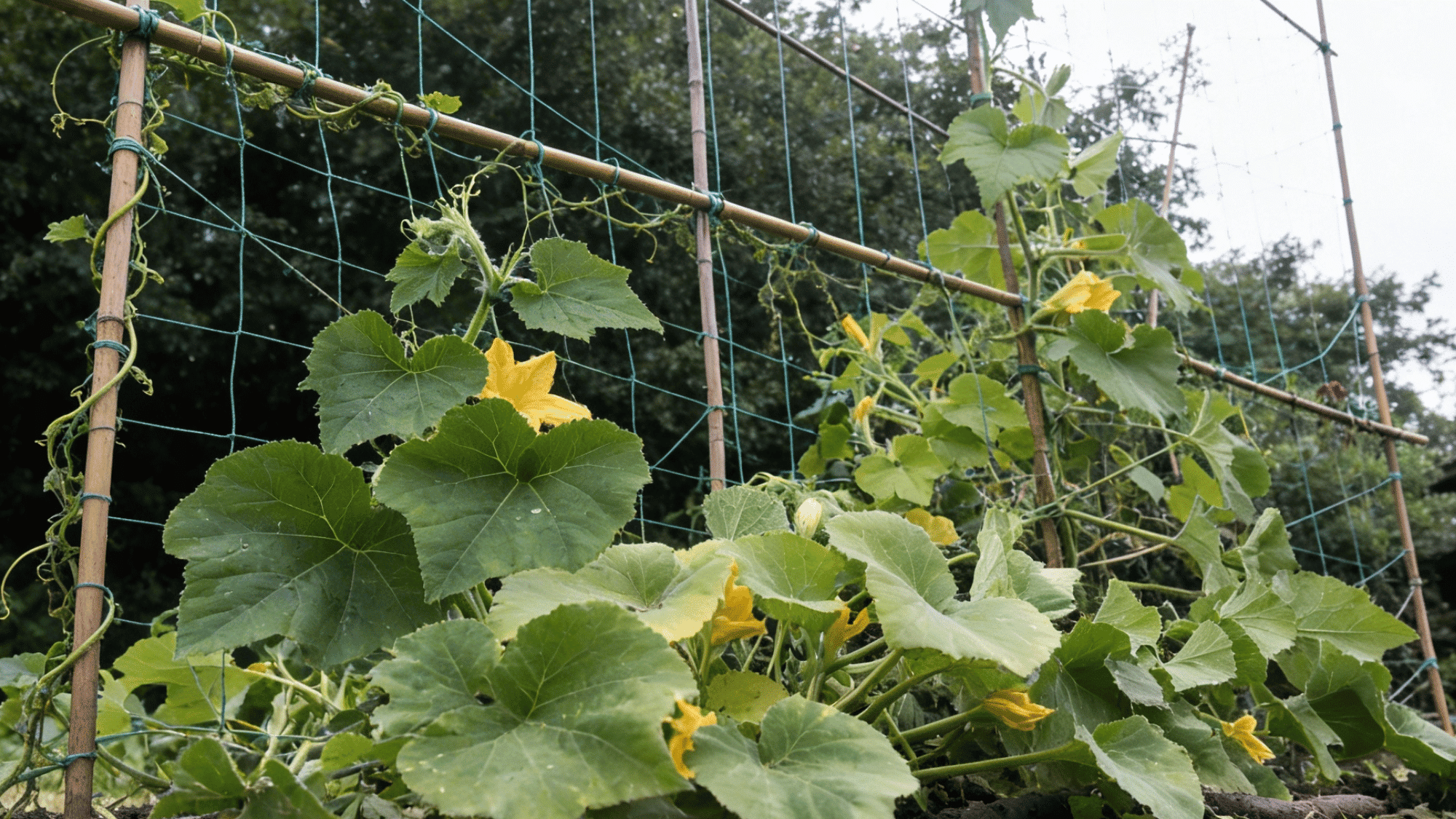
Growing squash can be tricky. These sprawling plants love to take over garden beds. Their vines spread far and wide, eating up precious space.
Most gardeners struggle with limited room. Traditional squash growing methods need lots of ground area.
Vertical growing changes everything. It saves space, improves air circulation, and makes harvesting easier. Plus, it keeps fruits off the ground where pests and rot can strike.
This blog shows exactly how to grow squash upward instead of outward. The techniques are simple, the results impressive. Small garden? No problem. Vertical squash growing works in spaces of any size.
Benefits of Growing Squash Vertically
Growing squash vertically offers real advantages for any garden.
Space becomes less of an issue when vines grow up instead of out. This method works great for small yards, raised beds, or crowded plots.
Vertical growing keeps fruits cleaner and healthier. Off the ground, squash stays dry and away from soil-borne diseases. Pests have a harder time reaching them, too.
Harvesting becomes simpler when everything’s at eye level. No more bending or searching through tangled vines. Air flows better around vertical plants, reducing mildew problems. The setup might take some effort upfront, but the payoff is worth it.
Best Squash Varieties for Vertical Growing

Not all squash varieties work well vertically. Some are better suited for climbing, while others produce fruits that are simply too heavy.
- Summer Squash (Zucchini): Zucchini grows fast and produces abundantly on vertical supports. The fruits remain lightweight, making them perfect for trellises without risking vine breakage.
- Tromboncino Squash: This Italian heirloom climbs naturally with vigorous vines. The long, curved fruits hang beautifully and resist borers better than traditional varieties do.
- Yellow Crookneck Squash: Crookneck varieties adapt well to vertical structures. Their smaller fruits won’t weigh down supports, and the upright growth improves air circulation around plants.
- Delicata Squash: Delicata produces compact winter squash perfect for trellising. The fruits are small enough to be easily supported, and they store well after harvest.
- Pattypan Squash: These small, disc-shaped squashes work wonderfully on vertical setups. Their unique shape and light weight make them ideal candidates for climbing garden structures.
How Strong Does a Squash Trellis Need to Be?
Squash vines and fruits can get surprisingly heavy. A weak trellis will sag, bend, or collapse mid-season when plants reach full size.
The structure needs to handle significant weight. Summer squash varieties are lighter, but winter squash can produce fruits weighing several pounds each. Multiple fruits on one vine add up quickly.
Sturdy materials make all the difference. Flimsy stakes or thin wire won’t cut it. The trellis must withstand wind, rain, and the constant pull of growing vines.
Strong doesn’t mean expensive, though. Proper construction matters more than fancy materials.
Step-by-Step Instructions on Growing Squash Vertically
Growing squash vertically saves space, improves airflow, reduces disease, and increases yields with proper support and consistent care.
Step 1: Prepare the Soil Properly
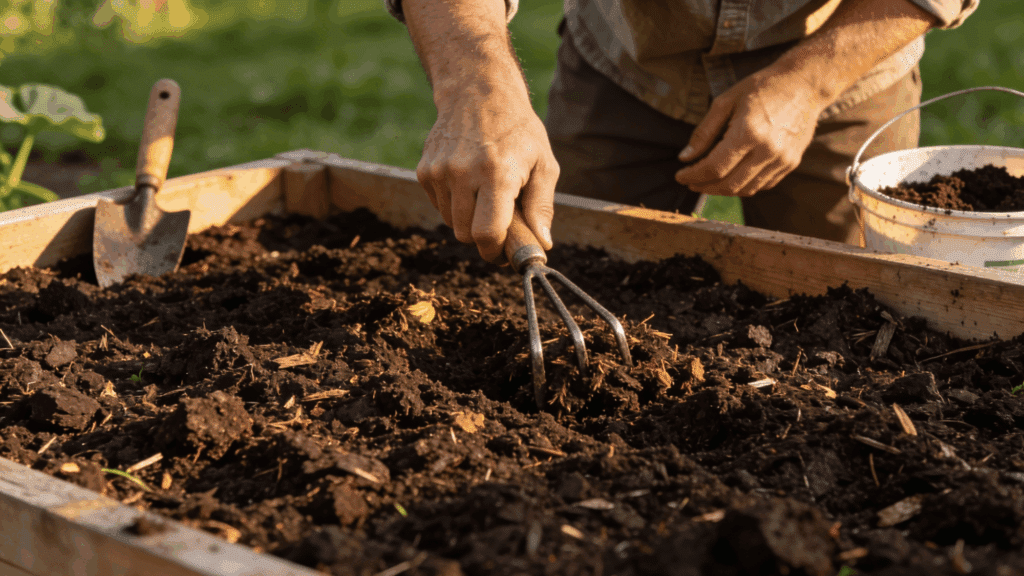
Healthy soil is the foundation of successfully growing squash vertically. Use rich, compost-heavy soil that drains well but retains moisture.
Mix in aged compost or well-rotted manure before planting. Squash prefers a slightly acidic to neutral soil pH between 6.0 and 6.8.
Add a balanced organic fertilizer (such as 10-10-10) at planting time to encourage strong root and vine development.
Step 2: Install the Trellis Before Planting
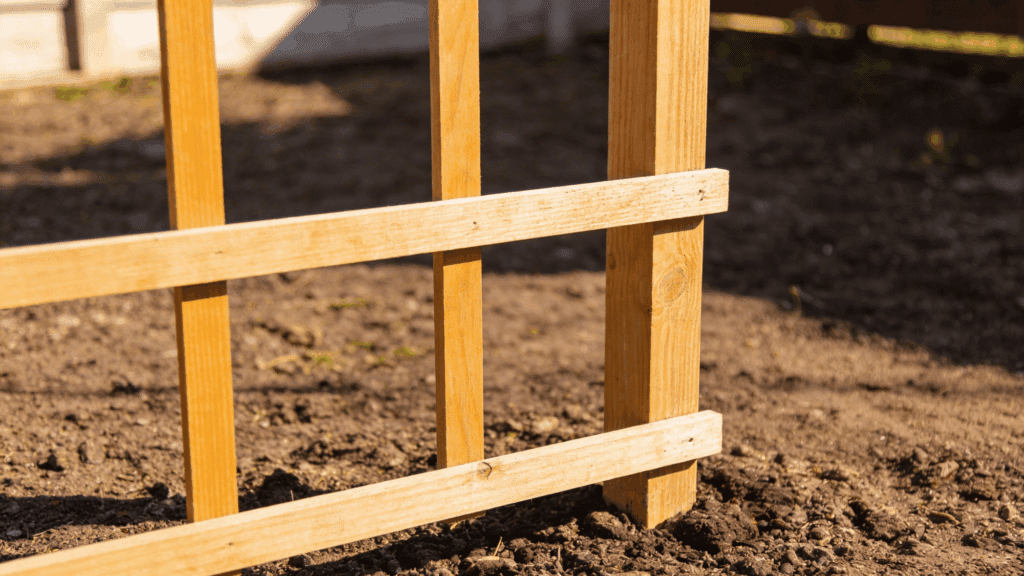
Always install your trellis before planting seeds or seedlings.
Squash roots spread quickly, and adding support later can disturb the root system and slow growth.
Choose a sturdy trellis such as cattle panels, wooden A-frames, or heavy-duty garden netting. Secure it firmly into the ground so it can handle mature vines and heavy fruit without tipping over.
Step 3: Plant Squash at the Correct Spacing
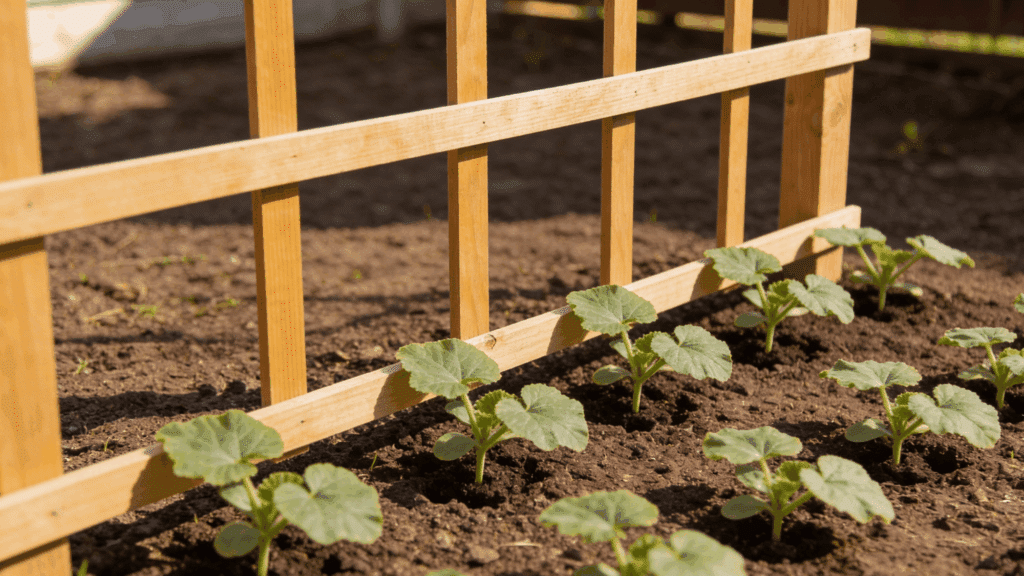
Proper spacing ensures good airflow and reduces the risk of powdery mildew. Plant squash 18–24 inches apart at the base of your trellis.
Avoid overcrowding, as dense foliage traps moisture and invites pests. If growing multiple rows, leave at least 3–4 feet between them.
Good spacing allows vines to climb easily and keeps maintenance, watering, and harvesting manageable.
Step 4: Train and Tie Squash Vines
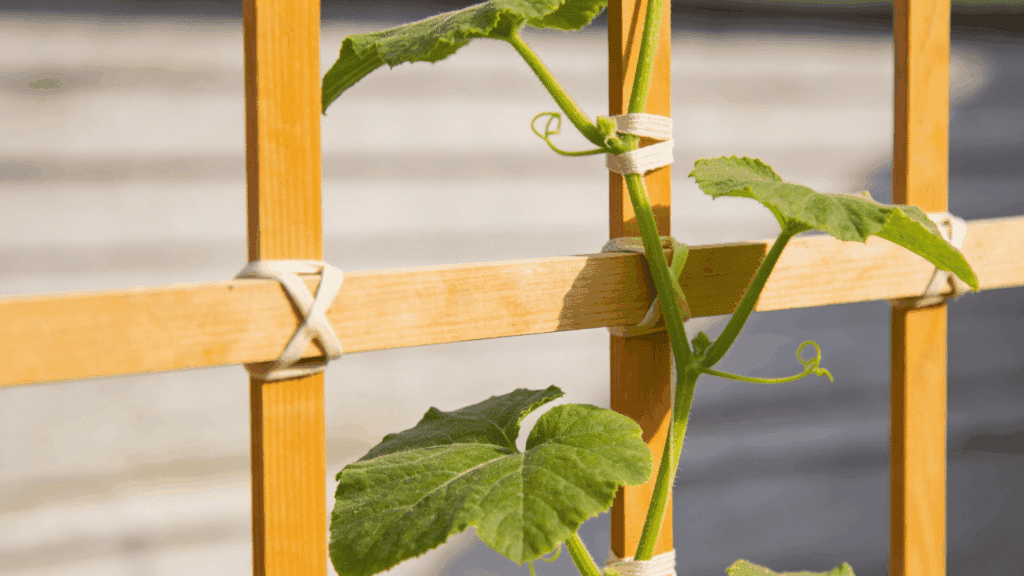
As vines grow, gently guide them toward the trellis and loosely tie them using soft garden twine, plant clips, or fabric strips. Avoid tight knots that can damage stems.
Check vines every few days and reposition them as needed.
Light pruning of overcrowded leaves improves airflow and visibility, helping you monitor for pests and encouraging healthier vertical growth.
Step 5: Support Heavy Squash Fruit
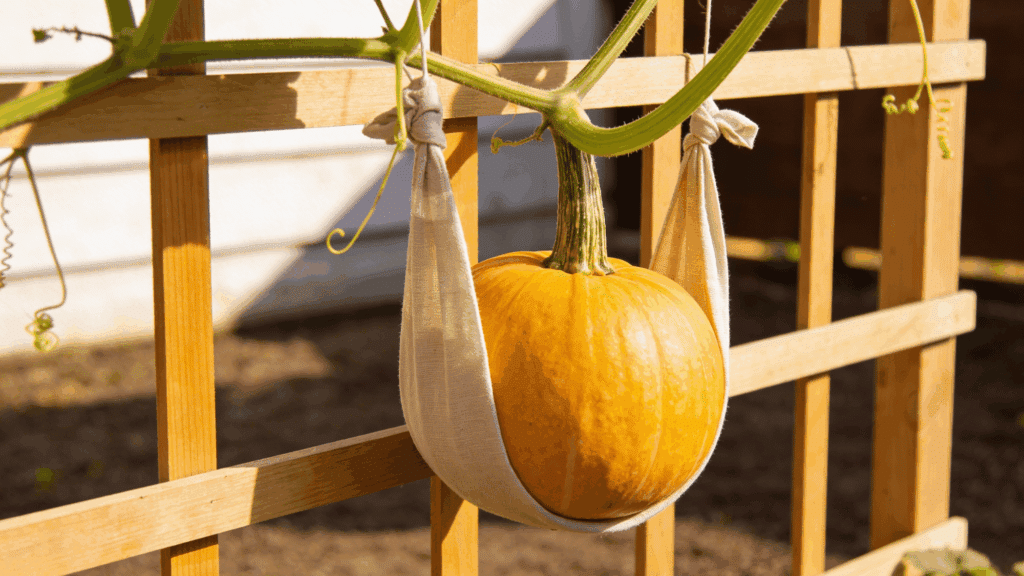
Large squash varieties may need extra support once fruit begins to develop.
Create slings using old T-shirts, mesh bags, or pantyhose, tying them securely to the trellis. This prevents fruit from pulling down the vine and causing breakage.
For smaller varieties, sturdy netting often provides enough support. Regularly inspect vines to prevent strain and ensure strong, productive plants.
Common Problems When Growing Squash Vertically
Growing squash vertically solves many issues, but it creates new challenges too. Knowing these problems ahead helps gardeners prepare and respond effectively.
| Problem | Solution |
|---|---|
| Heavy fruits breaking vines | Use fabric slings or mesh bags to support individual fruits and distribute weight evenly across the trellis structure. |
| Vines do not climb naturally | Gently train young vines onto supports and secure them loosely with soft ties until they grip on their own. |
| Trellis collapsing under weight | Anchor posts deeply in the ground and use sturdy materials like metal or thick wood that won’t bend easily. |
| Difficulty watering roots | Install drip irrigation or soaker hoses at the base before vines grow tall and cover the ground area completely. |
| Fruits rotting where they touch the trellis | Create slings that hold fruits away from contact points, allowing air to circulate around all sides of the squash. |
| Tangled vines blocking sunlight | Prune excess foliage and redirect vines regularly to maintain spacing and ensure light reaches all parts of the plant. |
How to Increase Your Vertical Squash Yield
Getting more squash from vertical plants requires strategic care. Yield doesn’t just happen on its own, even with perfect trellises and healthy vines.
Proper fertilization makes a huge difference. Squash plants are heavy feeders that need consistent nutrients throughout the growing season. Compost and balanced fertilizers keep them productive.
Regular harvesting encourages more fruit production.
When squash stays on the vine too long, plants slow down their output. Picking frequently signals the plant to keep producing.
Pollination matters too. Hand-pollinating flowers ensures better fruit set, especially in areas with fewer bees.
Pruning selective leaves improves airflow and directs energy toward fruit development instead of excessive foliage growth.
To Conclude
Vertical squash growing transforms cramped gardens into productive spaces. The technique delivers cleaner fruits, easier maintenance, and impressive harvests from minimal ground area.
Success comes down to preparation. Choose climbing-friendly varieties, build sturdy supports, and stay on top of training and care.
The investment pays off season after season. Healthier plants, better yields, and less back-breaking work make vertical growing worth the initial effort.
Time to give those squash vines somewhere to climb and watch the garden thrive.