

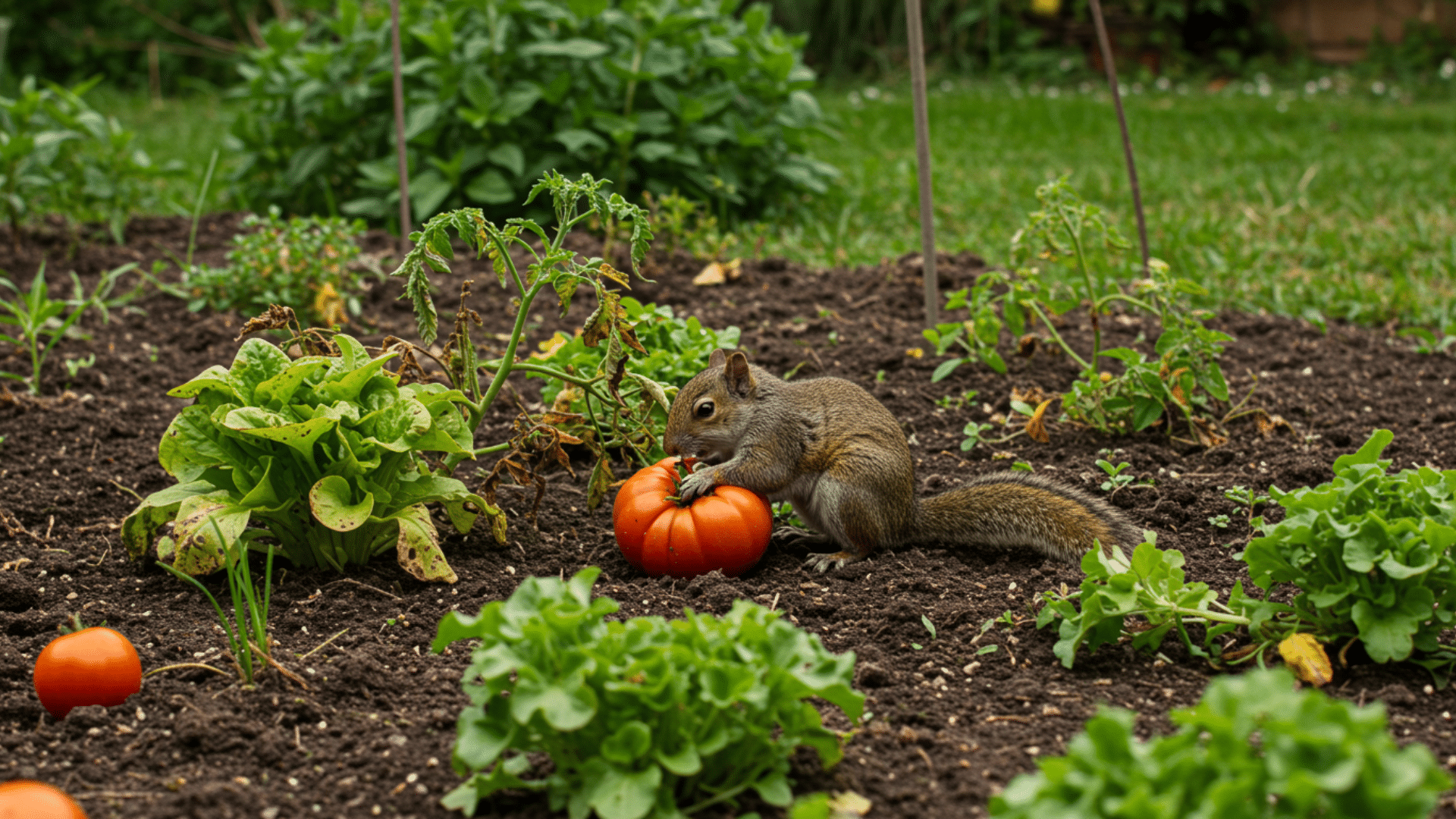
It starts with a few holes. Then a half-eaten tomato. Before long, the garden looks like a squirrel’s playground. For many gardeners, this is a familiar scene.
Squirrels are quick, clever, and always hunting for food. They don’t care if it’s a flower bed or a veggie patch.
While the damage can be annoying, it’s also a chance to learn what works. This blog gathers tips from real gardeners who’ve found ways to deal with the problem.
Just honest ideas that people have tried, tested, and shared. Let’s take a look at what helped them take back their gardens.
Why Squirrels Love Gardens
Squirrels are always searching for food. They eat fruits, seeds, nuts, vegetables, and even flower buds. Gardens are full of all these things. That’s why squirrels keep coming back. It’s like a free buffet to them.
But food is not the only reason. Some squirrels dig holes to hide nuts for later. Others tear up plants or pull leaves just to build nests. They don’t care how much effort went into your garden. They follow their needs and instincts.
Understanding this helps gardeners make smarter choices. The goal is not to hurt squirrels. It’s meant to make the garden less fun and easier for them.
Signs Squirrels are Damaging Your Garden
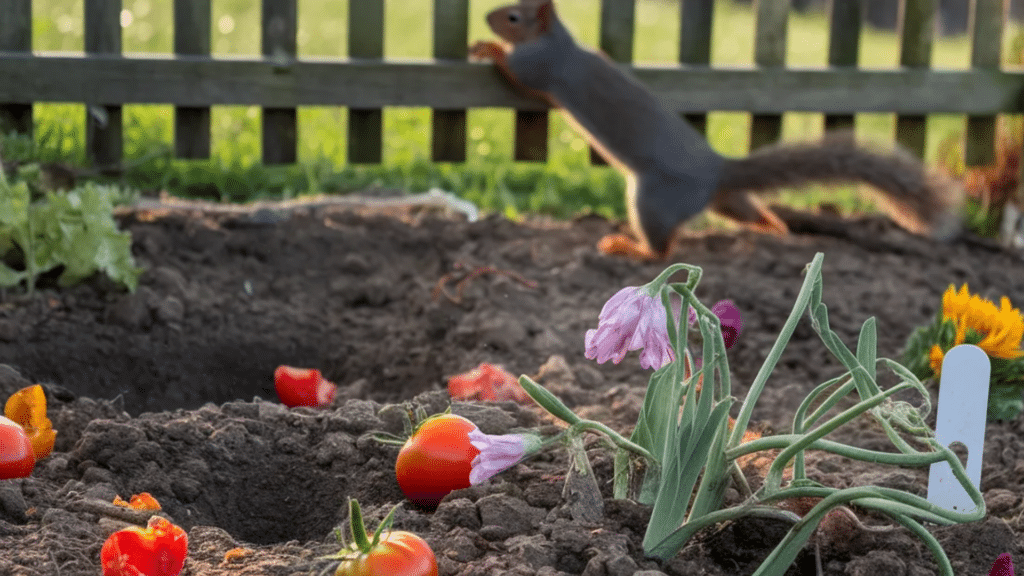
Sometimes, it’s hard to know what animal is causing the damage. Here are a few signs that squirrels are the problem:
- Half-eaten fruits or vegetables
- Holes dug in flower beds or pots
- Broken stems or missing buds
- Bite marks on plastic plant labels
- Displaced mulch or soil
- Squirrels running across fences or trees nearby
Many gardeners report seeing squirrels early in the morning or before sunset. If these signs show up after those times, it’s likely squirrels are to blame.
Simple Ways to Keep Squirrels Out of the Garden
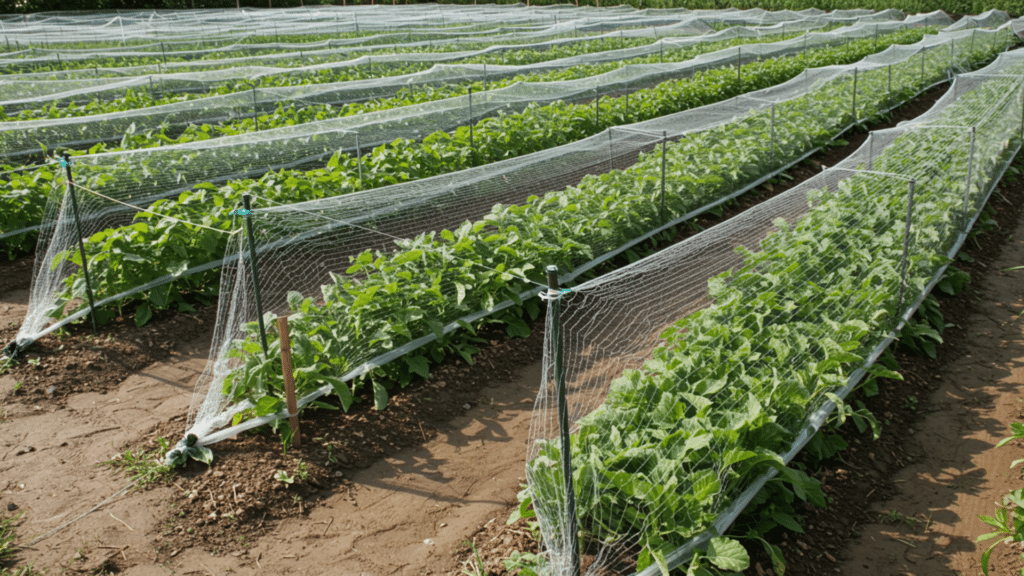
Here are tried-and-true ways gardeners have used to keep squirrels out of garden beds, pots, and planters. These ideas come from real experiences and can be safe, simple, and easy to try at home.
1. Use Smells Squirrels Hate
Squirrels have strong noses. Some smells bother them and can help keep them away. Gardeners often use these natural scents:
- Peppermint oil: Many say placing a few cotton balls soaked in peppermint oil around the garden helps.
- Garlic spray: A mixture of garlic and water sprayed on plants has kept squirrels away in some gardens.
- Vinegar: Spraying vinegar on garden paths or fences can deter squirrels from coming back.
- Cayenne pepper: Sprinkling it around soil or on plant leaves has worked for several gardeners.
You may need to reapply after it rains. But these strong smells often make the garden less appealing.
2. Try Motion-Activated Sprinklers
Some gardeners use sprinklers that spray water when they detect movement.
These are called motion-activated sprinklers. Squirrels don’t like surprises. When they get sprayed, they quickly run away.
These tools are safe and don’t harm animals. You can place them near fruit trees, raised beds, or even flower pots. They work well during the day when squirrels are most active.
3. Use Garden Netting or Covers
Physical barriers are one of the most effective ways to keep squirrels out of garden beds. Many gardeners use:
- Bird netting over vegetables
- Floating row covers for leafy greens
- Wire cages around pots or small raised beds
Make sure the netting is secured so squirrels can’t crawl underneath. This method works best for small areas and single plants like tomatoes, strawberries, and beans.
4. Remove Things That Attract Them
Sometimes, the garden isn’t the only thing squirrels want. Bird feeders, trash bins, and compost piles also attract them.
To reduce squirrel visits:
- Use squirrel-proof bird feeders
- Keep compost bins covered
- Don’t leave pet food outside
- Pick ripe fruits before they fall
- Clean up fallen seeds or nuts
By removing other food sources, you make your garden less tempting.
5. Use Garden Decoys and Fake Predators
Some gardeners use decoys to scare squirrels away. These include:
- Plastic owls or snakes
- Reflective tape
- Spinning pinwheels
- Wind chimes
These tricks work because squirrels think a predator is nearby. However, they may get used to them after a while. Move the decoys every few days so squirrels don’t realize they’re fake.
6. Block Entry Points and Climbing Paths
If squirrels are climbing fences, trees, or walls to get into your garden, you may need to block their path.
Tips that have worked:
- Wrap metal sheets around tree trunks so squirrels can’t climb
- Add plastic piping to fence tops to make it hard to grip
- Trim branches that hang over your garden
- Seal holes in sheds or nearby buildings
Stopping how they get in is often half the battle.
7. Use Squirrel-Resistant Plants
Some plants naturally repel squirrels. They don’t like the smell or taste of these, so they tend to avoid them.
Gardeners often use:
- Mint
- Daffodils
- Marigolds
- Alliums (onion family)
- Hyacinths
While these won’t fully stop them, they can help build a barrier around more vulnerable plants.
8. Try Noise to Scare Them
Squirrels like quiet places where they feel safe. Loud or unusual sounds can scare them off.
Some ideas from gardeners include:
- Hanging wind chimes
- Using a small radio with talk shows or music
- Battery-operated noise makers
This method is easy and safe. It doesn’t hurt the squirrels, just makes them nervous.
9. Add Chicken Wire Under the Soil
Squirrels often dig to find bulbs or hide food. One smart way to stop this is to place chicken wire under the soil.
This trick works well for new garden beds or planters. It doesn’t hurt the plants and makes it harder for squirrels to dig holes.
10. Use Homemade Sprays
Some gardeners use homemade sprays made from simple items. These are often cheaper than store products and easy to make.
Popular homemade sprays include:
- Water + cayenne pepper + dish soap
- Water + garlic + onion
- Apple cider vinegar spray
Spray them on garden paths, fences, and even plant leaves (test first on one leaf). Reapply after rain. Gardeners say these sprays don’t always work right away, but can help when used often.
11. Let the Dog Help
If you have a dog, letting it roam the yard can help. Squirrels get scared when they see or smell a dog nearby.
You don’t have to rely only on your pet. But many people said their dogs helped keep squirrels out of garden beds just by being around.
12. Use Raised Garden Beds
Raised beds help in two ways:
- Squirrels have a harder time digging into them.
- You can cover them easily with mesh or netting.
This method works well in small backyards and patios where space is limited. It also makes watering and harvesting easier.
13. Don’t Use Harmful Traps or Poison
Many people ask about traps or poison, but these methods are not safe. They can hurt squirrels, pets, birds, or even kids.
Most gardeners in forums and communities say it’s better to use kind methods. The goal is to keep squirrels out of garden spaces, not to harm them.
Safe choices are better for the whole garden environment.
Real Experiences Shared by Gardeners
Many gardeners have shared what worked for them when squirrels started causing trouble. Here are some quotes from garden forums and community groups:
“Chicken wire under the dirt worked like magic. No more digging!”
This method stops squirrels from digging up bulbs and seeds.
“Peppermint oil kept them away for a while, but I had to switch to garlic spray later.”
Trying different scents can help when one stops working.
“They hated the motion sprinkler. Ran away every time.”
A sudden spray of water is enough to scare them off.
“The fake owl helped at first, but they got used to it. Moving it often helped more.”
Changing the owl’s location made it feel real to the squirrels.
These stories show that every garden is a little different. What works in one yard might not work in another. That’s why it helps to try a few methods and see which ones give the best results.
To Conclude
Gardening should be fun, not a daily fight with squirrels. With the right steps, it’s possible to enjoy your space without the mess and damage.
Many gardeners have shared ideas that worked for them, and there’s no harm in trying something new. Focus on what fits your garden, your time, and your budget.
Even small changes can lead to big results. Stay kind to the animals, but firm about your space.
Have squirrels been causing trouble in your garden? Leave a comment and tell us what’s worked for you, or what hasn’t. Your tip might help someone else!