

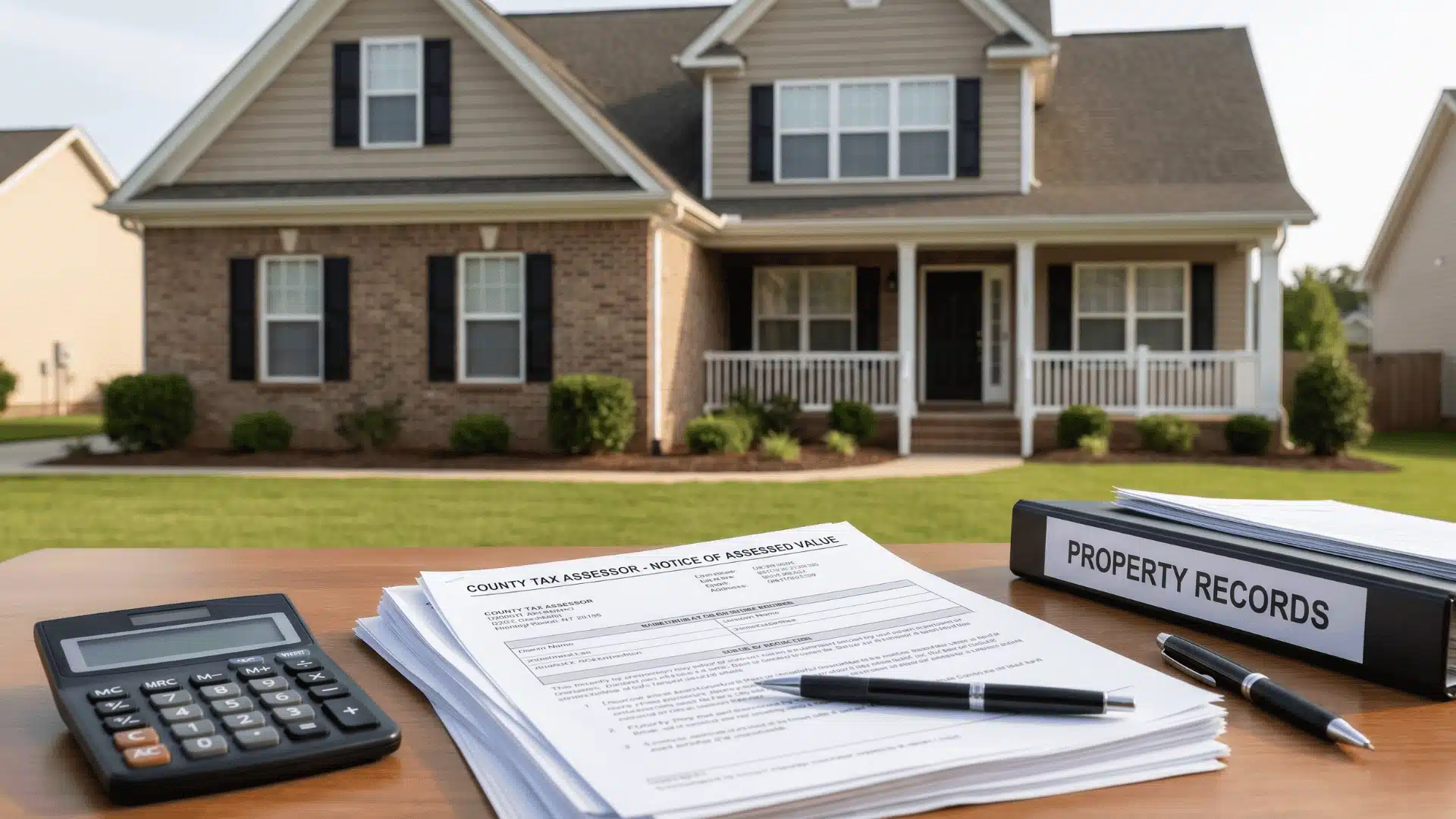
Property taxes feel fixed, like a bill you receive and pay without question. But knowing how to lower property taxes starts with understanding that the number on that notice is the result of a calculation, and calculations can be wrong.
Assessors work from records that go outdated, miss details, and sometimes describe a home that doesn’t match reality. That gap between what’s on file and what actually exists is where real savings happen.
Understanding which parts of the bill you can actually influence and acting on them in the right order changes how you approach the whole thing. Start with what your assessor has on record about your home.
How to Lower Property Taxes: What Actually Controls Your Bill
Your property tax bill isn’t based on what you paid for your home. It’s based on what your local assessor thinks it’s worth, and those two numbers are often different.
That number is called your assessed value. Multiply it by your local tax rate, and you get your bill. Which means if the assessed value is wrong, your bill is wrong.
The assessment isn’t a precise calculation; it’s an estimate built from public records, drive-by observations, and regional sales data.
Wrong square footage, missing details, and outdated comparisons show up more often than you’d expect. That fallibility is exactly what makes a lower bill possible.
The math works like this. Your assessed value, minus any exemptions you qualify for, gives you your taxable value. That taxable value, multiplied by your local millage rate, produces the bill.
Two things sit inside that formula: reduce the assessed value or increase your exemptions. Either one lowers the number the rate gets applied to.
Check Your Property Tax Card for Errors
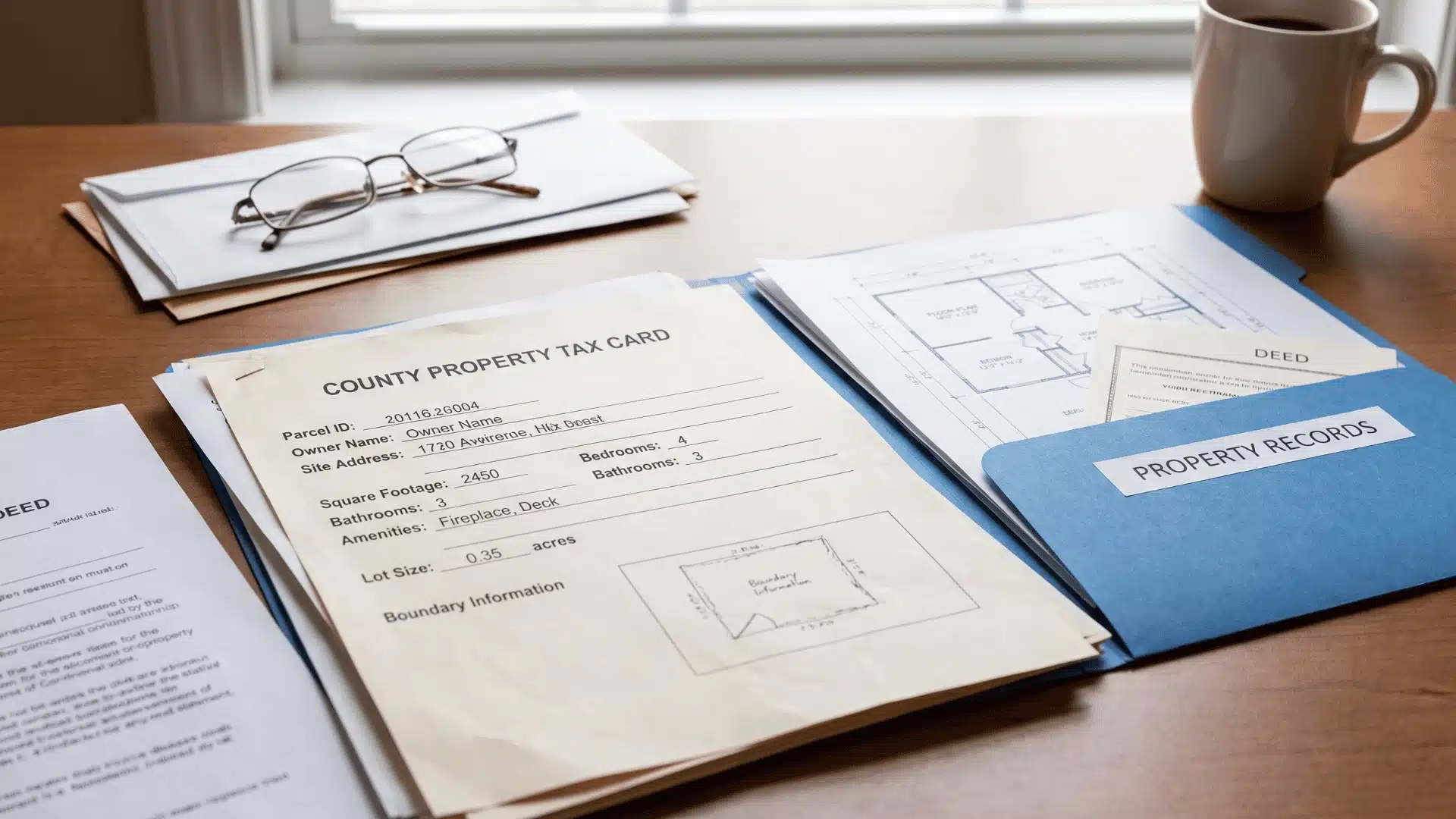
Your property tax card is the assessor’s official record of your home. Every detail on it feeds directly into your assessed value, so errors on it mean you’re being taxed on a home that doesn’t exist.
You can usually find your tax card online through your county assessor’s website. If it’s not there, a quick call to the office gets you a copy.
When you have it, check these details against what your home actually has:
- Square footage of living space
- Number of bedrooms and bathrooms
- Listed amenities, pools, finished basements, detached garages
- Lot size and boundary lines
These errors come up regularly: a pool that was removed, a basement listed as finished, a bathroom that exists only on paper. Each one inflates your assessed value without you knowing.
If you find something wrong, skip the formal appeal. A correction request is faster; bring photos, a floor plan, or a permit record, and the assessor updates the card directly.
How to File a Property Tax Appeal, and What Evidence Actually Wins
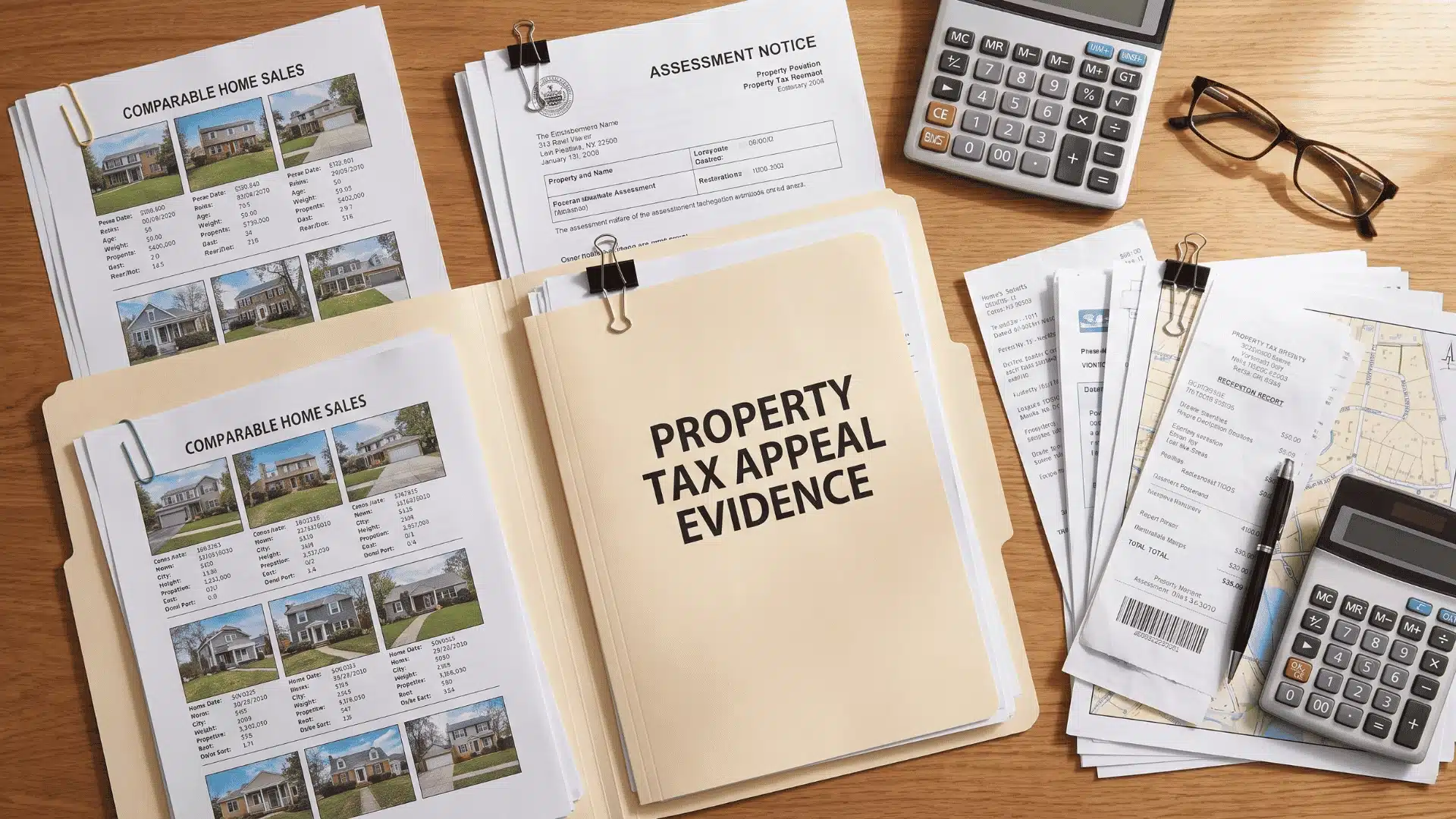
A property tax appeal is really just showing that your home was assessed higher than what similar homes actually sold for. Filing isn’t the hard part; what you bring with you is.
Two things make an appeal worth pursuing. Your assessed value is higher than what your home would sell for right now. Or it’s noticeably higher than similar homes nearby that sold recently.
The filing window is tight, usually 30 to 45 days from your assessment notice. Miss it, and you’re waiting a full year. Open that notice the day it arrives and find your deadline before you do anything else.
How to Find and Qualify Valid Comparable Sales
Not all comparable sales carry the same weight with a review board. A comp that looks reasonable to you can still be dismissed if it doesn’t meet the standard they apply.
A valid comp has to clear three filters:
1. Proximity: It has to be in your neighborhood or subdivision, not just your ZIP code. A sale two streets over carries more weight than one across town.
2. Recency: It needs to have sold within the past 12 months. Older sales reflect a market that may no longer exist, and boards apply this strictly.
3. Similarity: Square footage should be within roughly 10 to 15 percent of yours, with the same structure type, similar lot size, and comparable condition.
Use sold data from your county assessor or a free property search tool. Ignore listing prices. Aim for three to five strong comps that meet all filters. One good comp beats five weak ones.
What Happens at the Hearing
The hearing is more straightforward than most homeowners expect. You’re not going to court; you’re presenting a figure that doesn’t align with the evidence.
The setup is simple. You’ll present your evidence to a review board of two or three people. During your presentation, explain why your assessed value does not align with the market, present your comparable properties, and answer any questions from the board.
The ruling may come the same day, or the board may notify you by mail within a few weeks. A clean packet with three qualifying comps is stronger than persuasion. Keep it factual and brief, and let the numbers speak.
If your first appeal is denied, most jurisdictions allow a second-level appeal to a state board or tax court. Only pursue it if the dollar difference justifies the effort.
Exemptions that Reduce Your Taxable Value, and How to Claim Them
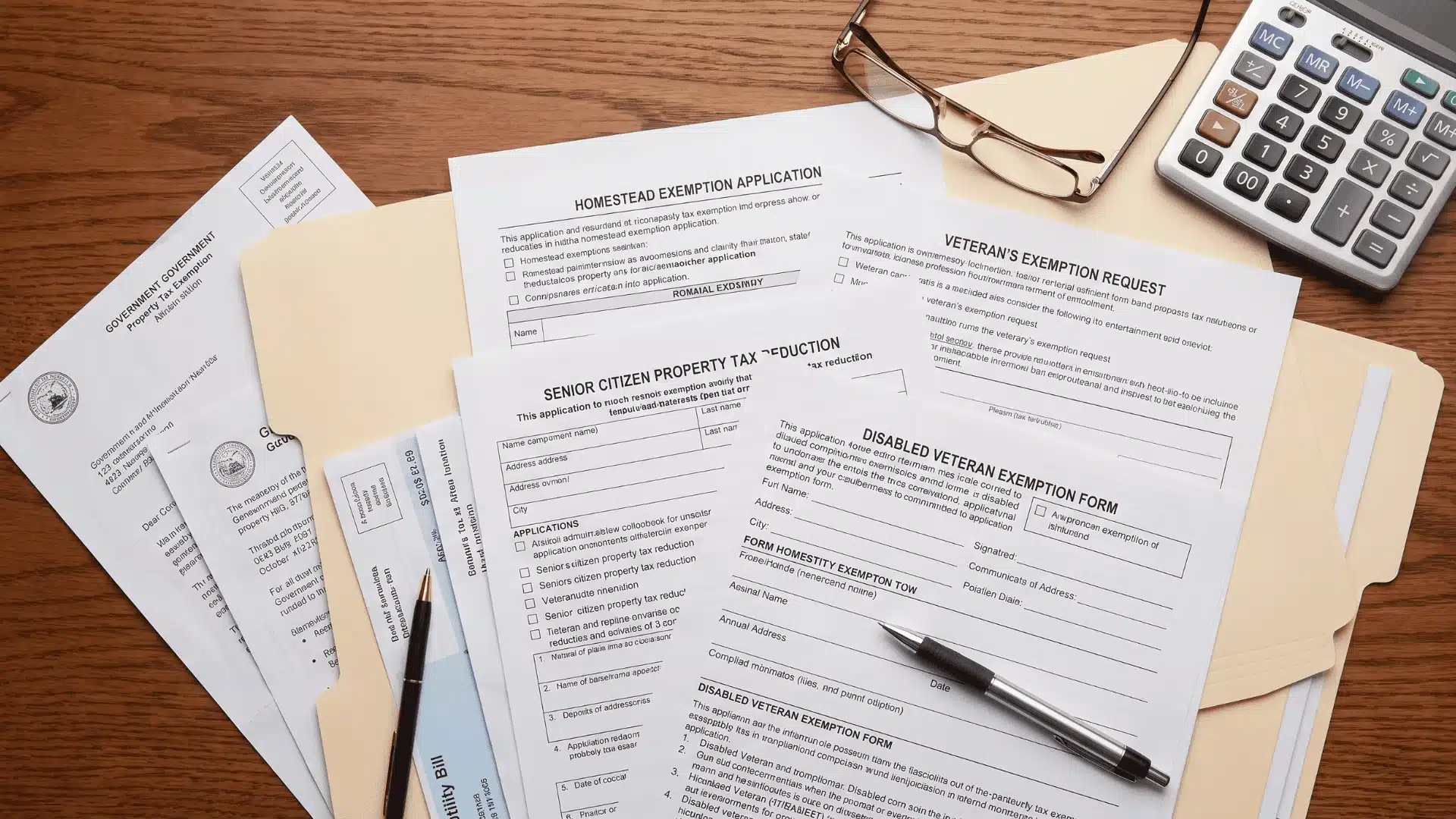
A property tax exemption reduces the portion of your home’s value that gets taxed, not the rate itself, and you have to apply for it. It doesn’t arrive automatically.
An exemption lowers your taxable value before taxes are calculated. While true, no property tax situations are rare, these programs can significantly reduce your bill.
- Homestead exemption: For owners who live in the home as their primary residence. It’s the most widely available and often the most valuable.
- Senior exemption: For homeowners aged 65 and older, many states offer reductions or freezes. While no property tax for seniors programs exist in some areas, eligibility and benefits vary by state.
- Veteran and disabled veteran exemption: Substantial reductions for qualifying veterans or their surviving spouses. Benefit levels vary significantly by state.
- Circuit breaker program: Caps your property tax as a percentage of your household income, designed for homeowners whose tax burden has outgrown what they earn.
Check your local tax authority’s website for available programs. Rules vary, and you must apply to qualify. Miss the deadline, and you lose the benefit for that tax year.
Time Home Improvements to Avoid Triggering a Higher Assessment
Pulling a permit for a structural improvement before a scheduled assessment means that improvement gets included in your assessed value, and your bill goes up for the next full cycle.
Structural work that requires a permit, additions, garages, decks, and finished basements is visible to assessors and factored in. Cosmetic interior updates typically don’t.
The timing logic is simple. Pull a permit right before your neighborhood’s evaluation cycle, and the higher value locks in immediately. Delay until after, and you defer the increase by a full assessment period.
Permit Timing Does Not Work the Same Everywhere
This doesn’t apply everywhere. In states with automatic reassessment on sale, California’s Proposition 13 being a well-known example, permit timing has little effect.
Some jurisdictions also reassess annually regardless of permits. Check how your county handles it before planning around this.
Assessor’s offices typically publish their reassessment schedule online. Checking it before you break ground is one of the simplest ways to avoid an unnecessary tax increase.
Wrapping Up
Lowering your property taxes isn’t about finding loopholes; it’s about making sure the numbers are accurate. An incorrect tax card or an exemption you never applied for quietly costs you money year after year.
The strategies in this blog work because they address the calculation directly, not the rate. Start with your tax card, check your assessed value against recent sales, and find out which exemptions your county offers.
One of those three actions alone can make a meaningful difference. If you haven’t reviewed your bill this year, now is the right time to learn how to lower property taxes and act on it.
Frequently Asked Questions
How long does a property tax appeal take?
Most appeals are resolved within 60 to 180 days of filing, depending on the county’s caseload and whether a formal hearing is required. Some jurisdictions offer an informal review stage that can help settle the matter more quickly. Filing closer to the deadline does not typically delay the outcome, but missing the deadline forfeits the right to appeal for that assessment year.
Can I lower my property taxes if my home’s value has dropped?
Yes. If your home’s current market value is lower than its assessed value due to neighborhood decline, damage, or a broader market correction, that gap is grounds for an appeal. You will need recent comparable sales or a current appraisal to document the decline. The assessor is not required to proactively update your value.
Do property tax exemptions reduce my mortgage payment?
If your mortgage includes an escrow account for taxes, a successful exemption will reduce the tax portion of your escrow payment, which lowers your monthly payment after the next escrow review. The reduction does not take effect immediately; most servicers recalculate escrow once per year.
What is a circuit breaker property tax program?
A circuit breaker program caps the percentage of household income a homeowner pays in property tax, preventing the tax burden from exceeding what the household can reasonably afford. Eligibility thresholds and benefit amounts vary significantly by state. Most programs require an annual income verification application through the state revenue or taxation department.