

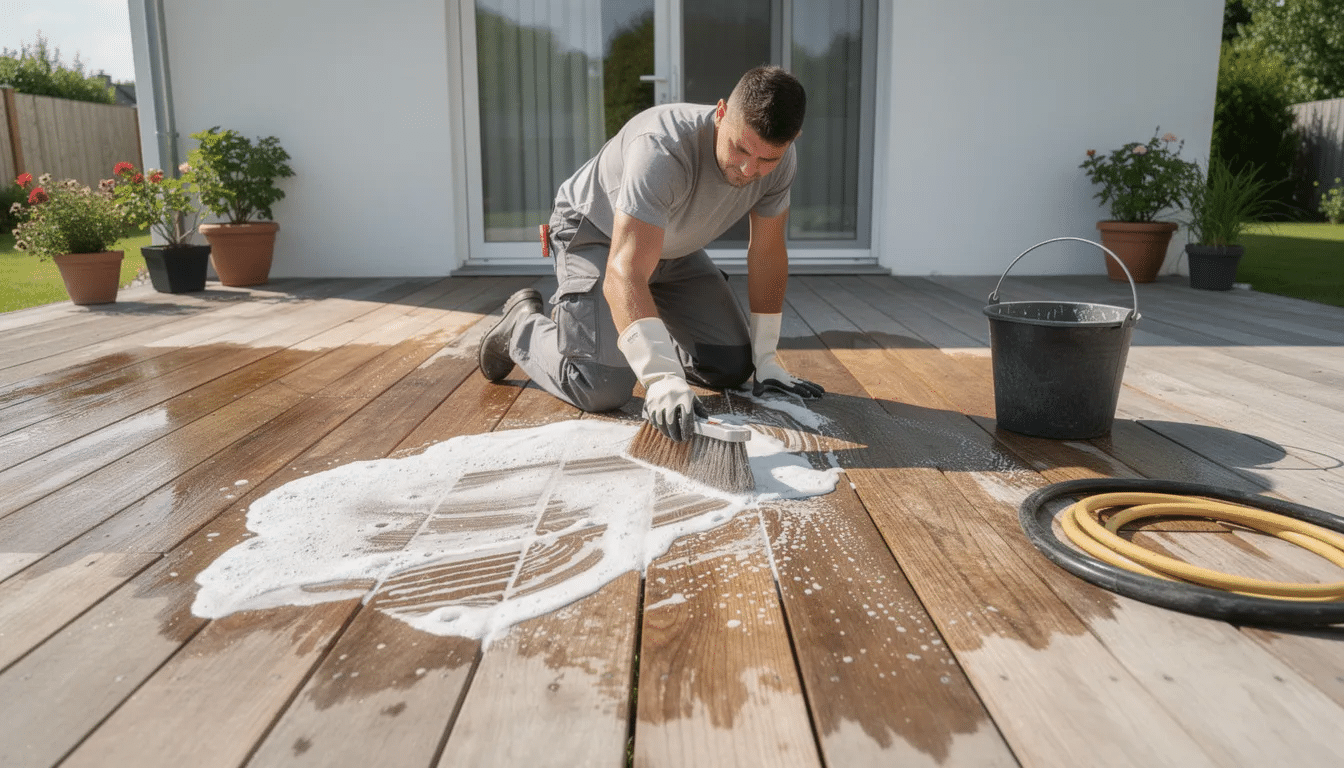
Your deck is more than just a place to host barbecues; it’s a significant investment in your home and your quality of life. Unlike indoor spaces, however, your deck is constantly exposed to the harshest elements: from blistering sun and heavy rain to snow and mildew.
Over time, this exposure can lead to fading, splintering, warping, and eventually, expensive structural damage. While the initial build quality is crucial, the real secret to maximizing your deck’s lifespan and protecting your investment for decades – lies in consistent, quality maintenance. Knowing when and how to protect the wood is the difference between a minor annual cleanup and a major, costly overhaul.
In this guide, we will walk you through the essential steps to keep your deck looking beautiful and standing strong for years to come.
1. Understanding Your Deck’s Natural Lifespan
Before diving into scrubbing and sealing, it is vital to understand the materials under your feet. Different decking materials age at dramatically different rates, and understanding your specific deck’s timeline helps you plan the right maintenance strategy.
1.1 Pressure-Treated Lumber
This forms the backbone of most residential decks. A pressure-treated wood deck typically lasts 15-20 years with basic maintenance, but extend the life through proper care, and you’re looking at 30 years or more. The key is to remember that while pressure-treated wood comes pre-loaded with preservatives, those chemicals don’t make it invincible – they simply buy you time to maintain it properly.
1.2 Cedar and Redwood
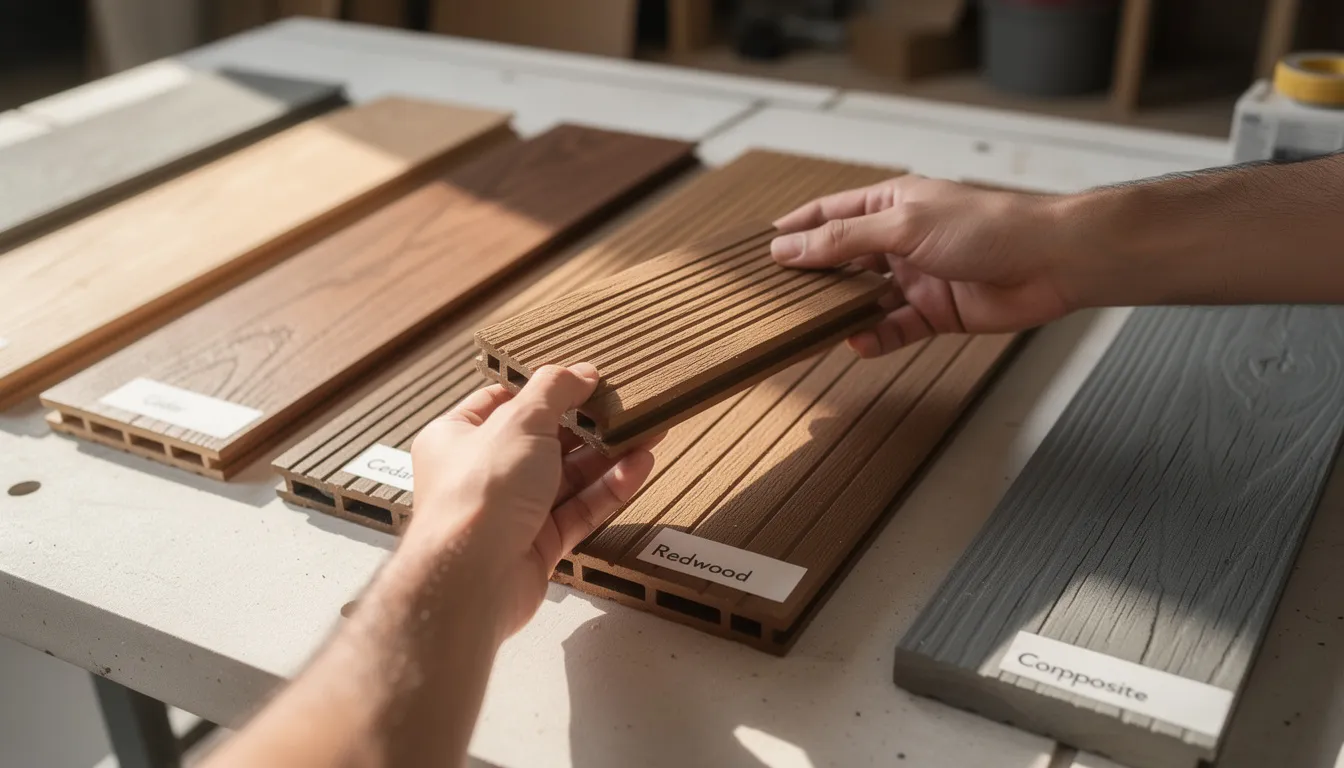
These woods bring natural beauty and built-in rot resistance. These naturally durable options can easily hit 20-30 years. With meticulous care, some cedar decks last 40 years while maintaining their structural integrity. The trade-off? They need more frequent attention to preserve that natural beauty and prevent UV damage.
1.3 Exotic Hardwoods (Ipe, Mahogany)
These are the marathon runners of decking materials. Dense, tropical woods can last 25-50+ years with minimal upkeep. They’re incredibly resistant to rot, insects, and weather, though they’ll gray without UV protection and require specialized fasteners due to their density.
1.4 Composite Decking
Composite hits the sweet spot for many homeowners. Quality composite boards last 25-50 years depending on the brand, with leaders like Trex offering extensive warranties. However, remember that while the surface is composite, the structure underneath is usually still wood. Your deck’s total durability depends on maintaining both components.
2. The Annual Deep Clean: Preventing Mold, Mildew, and Grime
Just like your home’s interior, your outdoor living space needs a dedicated spring cleaning. This isn’t just about aesthetics; it’s about removing the winter residue that acts as a breeding ground for rot.
2.1 Sweep and Clear
Before you spray a drop of water, you need to clear the deck surface completely. Remove all furniture, planters, and grills.
Key steps:
- Debris removal: Sweep away leaves, pine needles, and dirt.
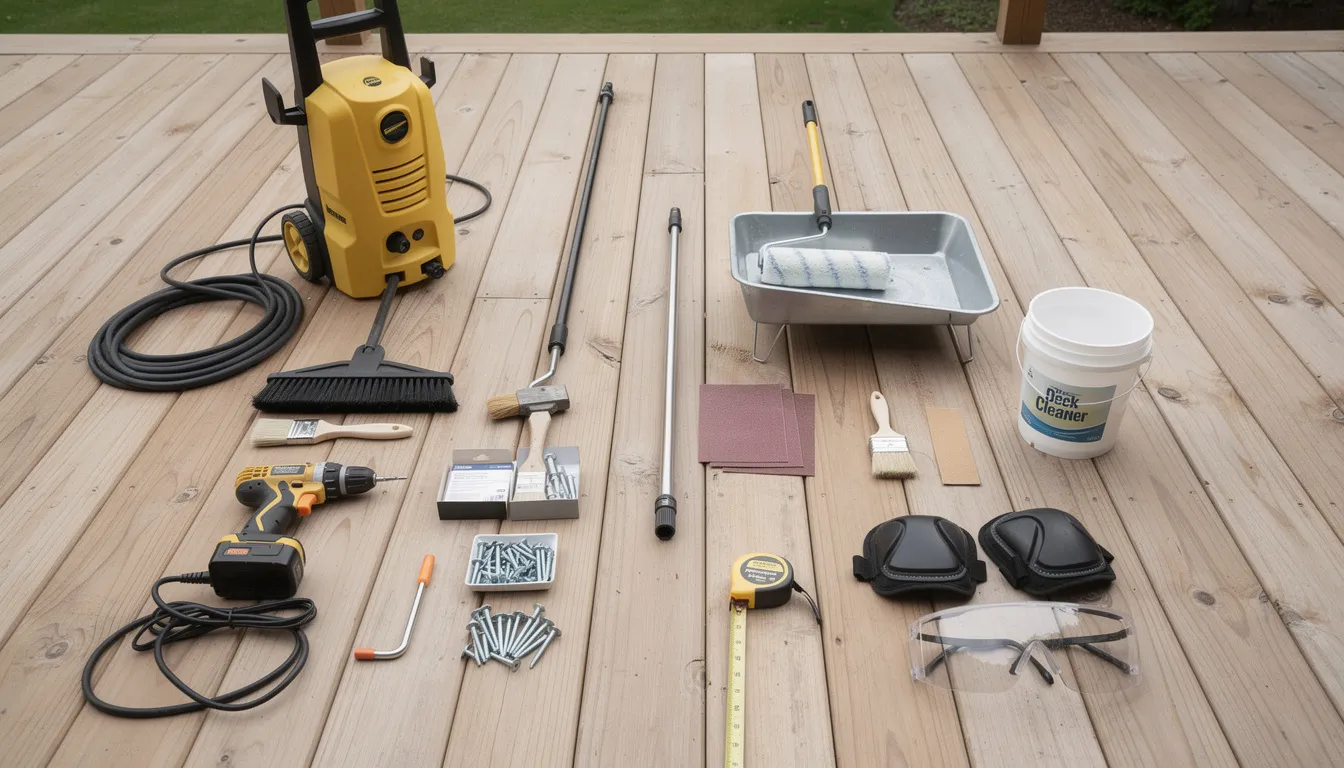
- Gap cleaning: Use a putty knife or a specialized tool to dislodge debris stuck between the boards. This is critical because organic matter trapped here holds moisture against the wood, accelerating decay.
2.2 The Right Wash
Many homeowners make the mistake of blasting their deck with high-pressure water or harsh bleach, which can damage wood fibers and strip the natural color.
Best practices:
- Use a specialized cleaner: Opt for a deck cleaner specifically formulated to target mildew and organic growth without being overly aggressive.
- Soft wash technique: If you use a pressure washer, keep it on a low setting (under 1200 PSI) and use a fan tip. The goal is to lift grime, not carve the wood.
3. The Seal and Protect Cycle: Guarding Against Weather Damage
Wood is porous, and water is its enemy. Sealing or staining is the barrier that keeps moisture out and UV rays at bay. Neglecting this step is the fastest way to age your deck.
3.1 The Water Bead Test
How do you know if it’s time to reseal? Perform this simple test: sprinkle water on a few different areas of your deck.
- If it beads up: Your sealant is working.
- If it soaks in and darkens the wood: The seal is broken, and it’s time to reapply.
3.2 Choosing the Right Product
Your choice of finish affects both the look and the level of protection.
- Clear sealants: Allow the natural grain to show but offer the least UV protection.
- Semi-transparent stains: A popular middle ground that adds color and UV resistance while still showing wood grain.
- Solid stains: Offer the highest protection against sun and weather but hide the grain completely.
3.3 Prep is King
You cannot simply paint over a dirty or failing finish. For the new sealant to adhere, the wood pores must be open. This often involves sanding down rough spots or using a chemical stripper to remove old, peeling stain.
While many homeowners can handle a basic wash, the deep sanding, stripping, and application of high-quality coatings can be labor-intensive and technically difficult. If the wood is graying significantly or the old finish is stubborn, comprehensive deck maintenance and restoration is often required to strip the surface back to raw wood effectively. Recognizing when a job requires professional equipment can save you from a patchy, short-lived finish.
4. A Seasonal Calendar for Deck Care
Successful deck longevity follows nature’s calendar. Each season brings specific challenges and opportunities to protect your investment.
Spring: Preparation
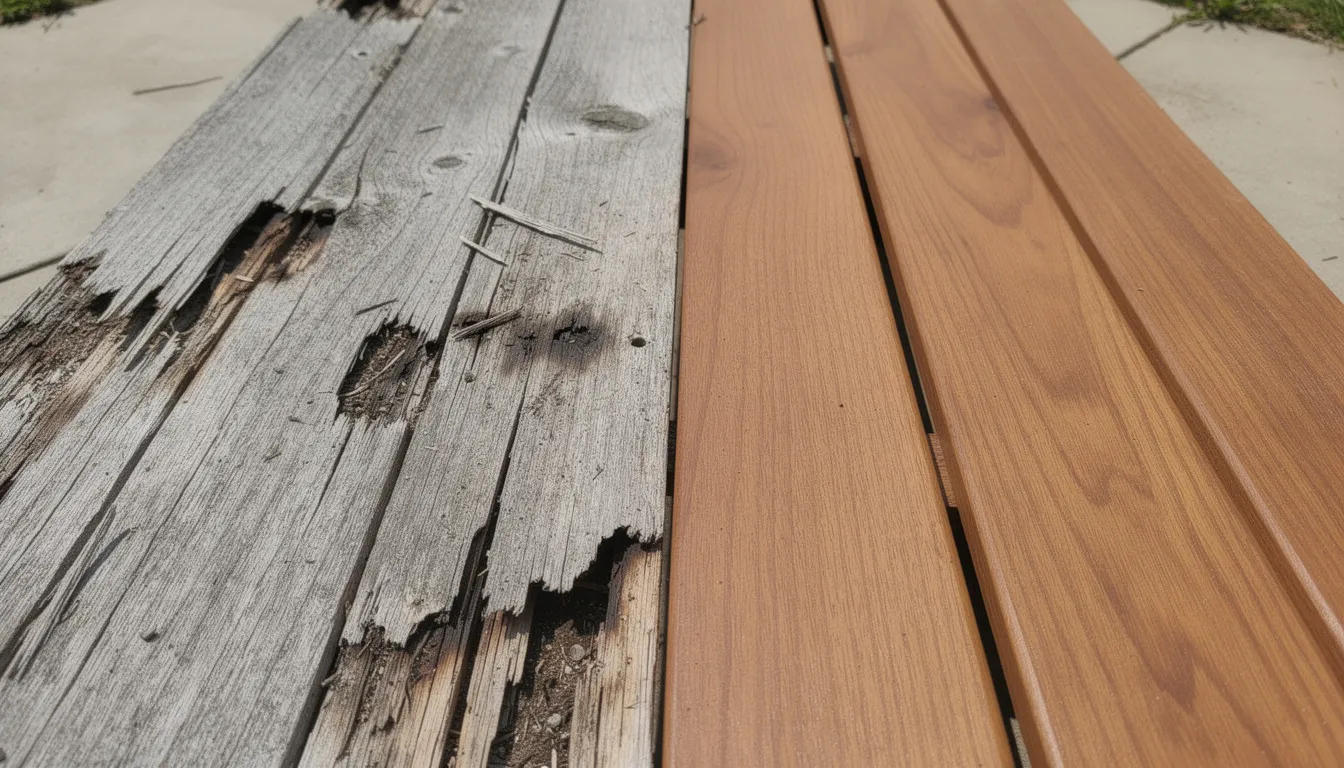
Spring kicks off your maintenance year. Start with a thorough inspection after winter’s toll. Look for loose fasteners, cracked boards, and any structural issues that developed during freeze-thaw cycles. Follow this with your annual deep clean to remove winter grime. Address minor repairs promptly while they’re still manageable and inexpensive.
Summer: Immediate Threats
Summer care focuses on preservation. Monthly sweeping prevents debris accumulation, and spills must be cleaned immediately before they penetrate or stain (especially hot grease from grills). UV protection becomes critical here – consider shade solutions like pergolas or awnings for decks in full sun exposure.
Fall: Winter-Proofing
Remove leaves promptly! Wet leaves create stains and provide perfect conditions for decay. Clean your gutters to prevent overflow onto your deck. Complete your final inspection before cold weather hits, addressing any issues that could worsen during winter.
Winter: Protection
Store lightweight furniture to prevent wind damage. Manage snow loads carefully; use plastic shovels rather than metal to avoid scratching the deck surface. Leaf blowers work excellently for light snow. Avoid rock salt and harsh deicing chemicals, as they can discolor some composite surfaces and dry out wood.
5. Proactive Maintenance: Small Fixes That Avert Big Problems
Catching problems early is the key to cost savings. Bi-annual inspections – spring and fall – catch problems while they’re still fixable.
5.1 Structural Warning Signs
- The screwdriver test: If you suspect a board is rotting, press a screwdriver into it. If it sinks in easily or the wood feels spongy, that piece needs immediate attention.
- Railings: Test railings by pushing firmly – they should feel solid with no movement.
- Bounce: Bouncy or spongy boards indicate structural issues underneath. Any visible sagging suggests overloading or deteriorated supports.
5.2 Hardware and Fasteners
As wood expands and contracts with the seasons, nails and screws can work themselves loose.
- Fastener check: Tighten loose screws to prevent tripping hazards.
- Rust: Rusted fasteners lose holding power and stain surrounding wood.
- Brackets: Check joist hangers and brackets; deteriorated metal compromises structural integrity even when surrounding wood looks acceptable.
5.3 Drainage Awareness
Water sitting on or under your deck is a recipe for disaster. Ensure your downspouts are directing water away from the deck’s support posts. Check that the landscape grading doesn’t pool water underneath the structure, which can rot the posts from the bottom up.
6. Protective Measures to Extend Deck Life
Prevention beats repair every time. Smart protective measures add years to your deck’s lifespan while reducing maintenance hassles.
- Furniture pads: Install felt pads under all furniture legs and use coasters under planters to prevent water rings.
- Joist tape: If you are doing repairs, consider installing joist tape over exposed beam tops to prevent water infiltration through fastener holes.
- Traffic management: Install entry mats to capture dirt before it reaches deck boards. Consider removable runners for high-traffic sections during parties.
- Vegetation: Maintain vegetation clearance to prevent moisture retention and pest habitat. Today’s small shrub might create shade and moisture problems in a few years.
Conclusion
A well-maintained deck is a retreat that offers decades of enjoyment. By staying on top of cleaning, keeping your sealant fresh, and inspecting for minor repairs, you are actively protecting your home’s value.
However, we understand that life gets busy, and sometimes a deck needs more than a weekend DIY project to return to its former glory. For homeowners who need more than a simple cleaning or are facing advanced rot and structural issues, consulting a specialized service like Deck Guardian can be the most cost-effective solution. Their expertise ensures that your deck isn’t just clean but professionally restored and protected for the long haul.
Frequently Asked Questions
How often should I stain or seal my deck? It depends on your climate and the product used, but typically every two to three years. The best indicator is the water bead test: if water soaks into the wood rather than beading up on the surface, it is time to reseal immediately.
Can I simply paint over my old deck stain? No. New product cannot bond effectively to dirty or peeling finishes. For a lasting result, you must sand or strip the surface back to raw wood. Skipping this step leads to flaking and poor protection.
Is pressure washing safe for wood decks? Only if done carefully. High pressure can gouge the wood and force moisture deep into the fibers, causing rot. We recommend a “soft wash” approach: let a specialized cleaning solution do the work, then rinse with low pressure (under 1200 PSI).
My deck has turned gray. Is it ruined? Likely not. That gray color is usually just surface-level sun damage. Beneath that weathered layer, there is often healthy, vibrant wood. A deep sanding and restoration can usually bring back the natural color without needing to replace the boards.
When should I hire a professional? Weekend DIY is great for basic cleaning, but you should call an expert for structural repairs, extensive rot, or deep restoration. If the job requires industrial sanding or stripping hazardous chemicals, professional help ensures the job is done safely and effectively.