

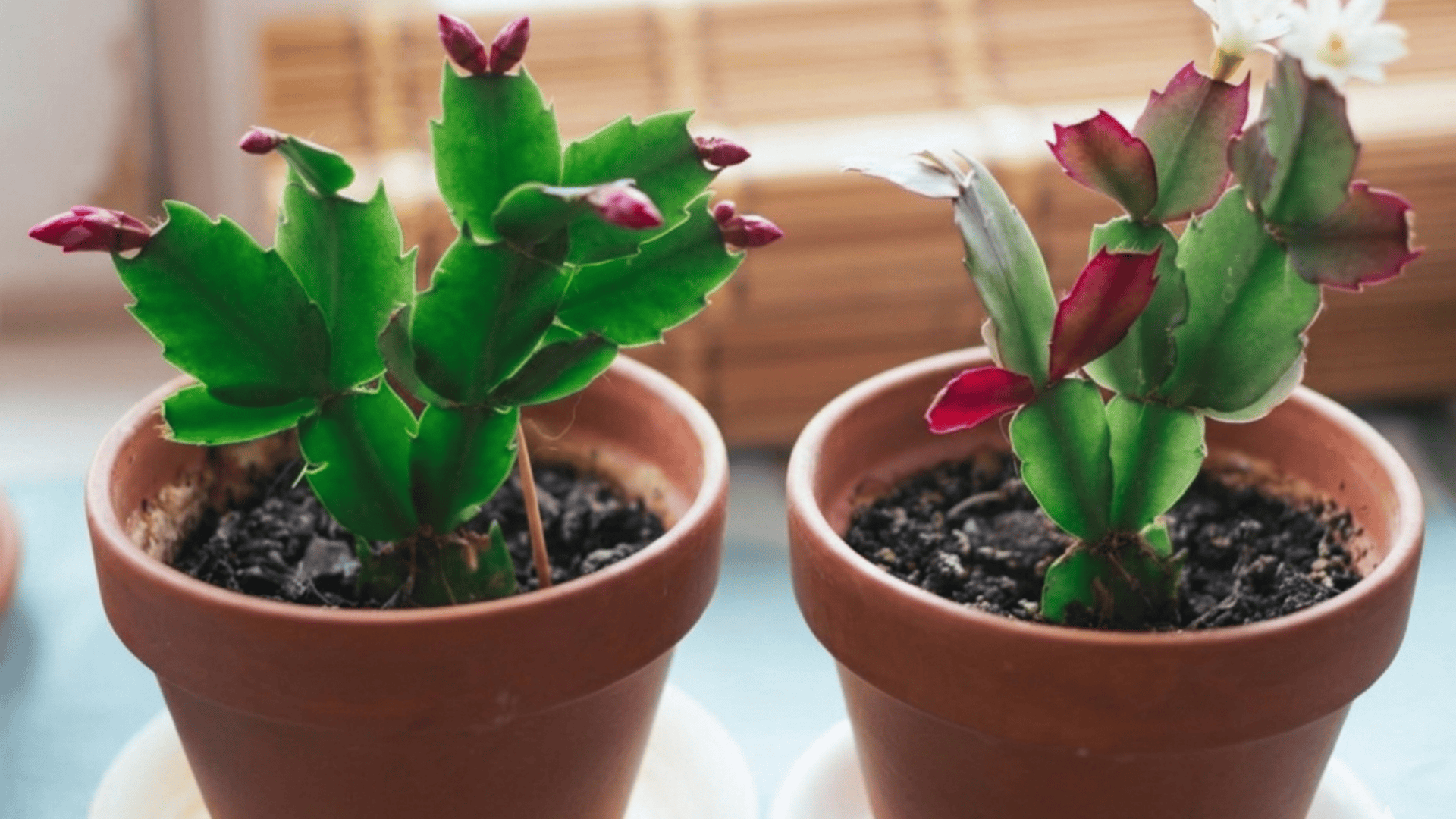
I used to think growing more cactus plants was difficult, but once I tried it, I realized how simple it can be.
If you want to learn how to propagate a cactus, you are in the right place. You don’t need special skills or expensive tools to get started.
With a little care and the right steps, you can grow new plants from one healthy cactus.
It’s a great way to save money and grow your home collection.
In this guide, I will show you easy methods like cuttings, pads, seeds, and offsets. You will also learn the best time to start, the tools you need, and how to care for your cactus after propagation.
By the end, you will feel more confident and ready to grow healthy cactus plants on your own.
What Is Cactus Propagation?
Cactus propagation means making a new cactus from an existing one. You don’t need to buy a new plant each time. You can grow more using parts of a healthy cactus, like a cutting, a small offset, or seeds.
It is a simple way to grow your plant collection at home.
Many people like it because it saves money and feels good. You can also use it to fix a damaged plant.
It is easy for beginners and does not require special skills. The best time to propagate a cactus is during warm months, such as spring and early summer.
This is when the plant grows faster and forms roots easily. Warm weather helps new plants settle well.
Avoid the cold months when growth slows, and cuttings may fail. Right timing improves success.
Types of Cactus You can Propagate
Not all cacti look the same, but many types are easy to propagate at home. Each type may use a slightly different method, so it helps to know what you have.
- Columnar Cactus: Tall, upright cacti like San Pedro can be cut into sections and replanted. Each piece can grow into a new plant if handled well.
- Paddle Cactus (Opuntia): These have flat pads that can be removed and planted. The pads root easily once they dry and form a callus.
- Ball Cactus: Round cacti can be propagated using offsets or small pups that grow around the base. These can be separated and replanted.
- Clumping Cactus: These grow in clusters and produce many small offsets. You can gently divide them into separate plants.
- Epiphytic Cactus: Types like Christmas cactus grow well from stem cuttings. Small segments can root quickly in moist soil.
- Globular Cactus: These often produce pups over time. Removing and planting these pups is the easiest way to grow new plants.
How to Propagate a Cactus Plant?
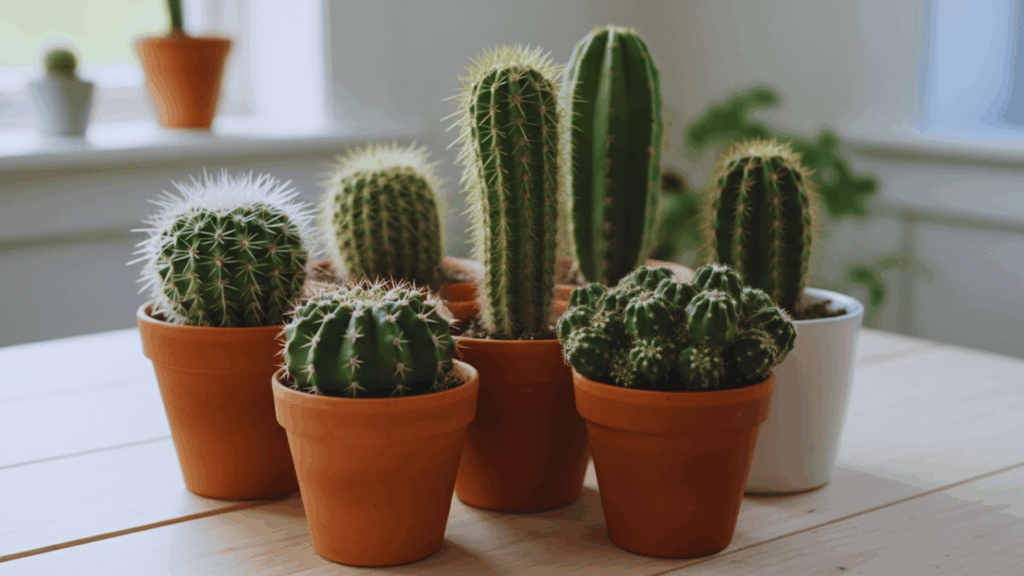
Different cactus types require different methods for growing new plants. Choosing the right method helps achieve better and faster results.
1. Propagating Cactus Using Stem Cuttings
This is one of the easiest ways to grow a new cactus at home. It works well for many common cactus types, especially tall or columnar ones.
Start by selecting a healthy stem and cutting it with a clean tool.
Let it dry for a few days so it forms a protective layer. Then place it in dry, well-draining soil and wait. Water lightly only after roots begin to grow.
Keeping the cutting in bright but indirect light helps support steady growth and keeps the plant healthy over time.
2. Growing Cactus from Pads
This method works best for flat cacti, such as prickly pear, and is simple to follow. Gently remove a healthy pad and allow it to dry for a few days before planting.
This step helps reduce the risk of rot. Place the pad upright in dry soil and leave it undisturbed. Roots begin to form over time when conditions are right.
Avoid watering too early, as excess moisture can cause damage. Good light and proper care help the pad grow into a strong and healthy cactus plant.
3. Propagating Cactus from Seeds
Growing cactus from seeds takes more time, but it works well for rare types. Begin by filling a tray with light, well-draining soil and sprinkling the seeds on top.
Keep the soil slightly moist and lightly cover it to retain moisture.
Growth is slow at first and requires patience. Place the tray in a warm spot with indirect light for better results.
This method requires more care than others but allows many plants to grow at once, making it useful for expanding a collection.
4. Propagating Cactus from Offsets
This method works well for cacti that grow small offshoots, often called pups. These small plants grow around the base of the main cactus and are easy to remove.
Gently separate a healthy offset using a clean tool.
Let it dry for a few days so the cut area can heal. After that, place it in dry, well-draining soil.
Avoid watering right away and wait until roots begin to form. Keep it in bright, indirect light. This method is simple and yields faster results than growing from seed.
5. Grafting Cactus Plants
Grafting is a method used to join two cactus plants, so they grow as one. It is often used for rare or slow-growing cactus types.
A healthy top cactus is cut and placed onto a strong root cactus.
Both parts must be properly aligned for growth to occur. After joining, they are kept in a warm, indirect-light environment.
This method needs more care but helps weak cacti grow faster. It is useful for saving damaged plants and improving growth in difficult conditions.
How to Care for a Cactus Plant After Propagation?
Young cactus plants need the right care to grow strong and settle well. Simple steps like light, water, and soil can help them grow better.
- Bright Indirect Light: Keep the cactus in a place with soft, bright light. This supports steady growth without stressing new roots.
- Water Carefully: Wait until the soil is fully dry before watering again. Too much water can cause root damage and slow down growth.
- Limit Direct Sun: Avoid placing the cactus in strong sunlight at first. New plants are sensitive and can be easily damaged.
- Watch For Damage: Check the plant often for soft spots or color changes. Early action can prevent bigger problems, such as rot.
- Stable Temperature: Keep the plant in a warm and steady environment. Sudden temperature changes can affect growth and root health.
Best Soil for Cactus Propagation
The right soil plays a big role in successful cactus propagation. Cactus soil must drain water quickly so roots do not stay wet for too long.
Use a light mix made of regular potting soil, sand, and perlite or small gravel.
This helps air reach the roots and prevents rot. Avoid heavy or clay soil because it holds too much water.
You can also use a ready-made cactus or succulent mix from stores. Before planting, make sure the soil is dry and loose.
Do not press it too hard, as roots need space to grow. Good soil keeps roots healthy and supports steady growth.
A well-draining mix also reduces the risk of fungal problems and helps new cactus plants settle faster.
Helpful Tips for Healthy Cactus Growth
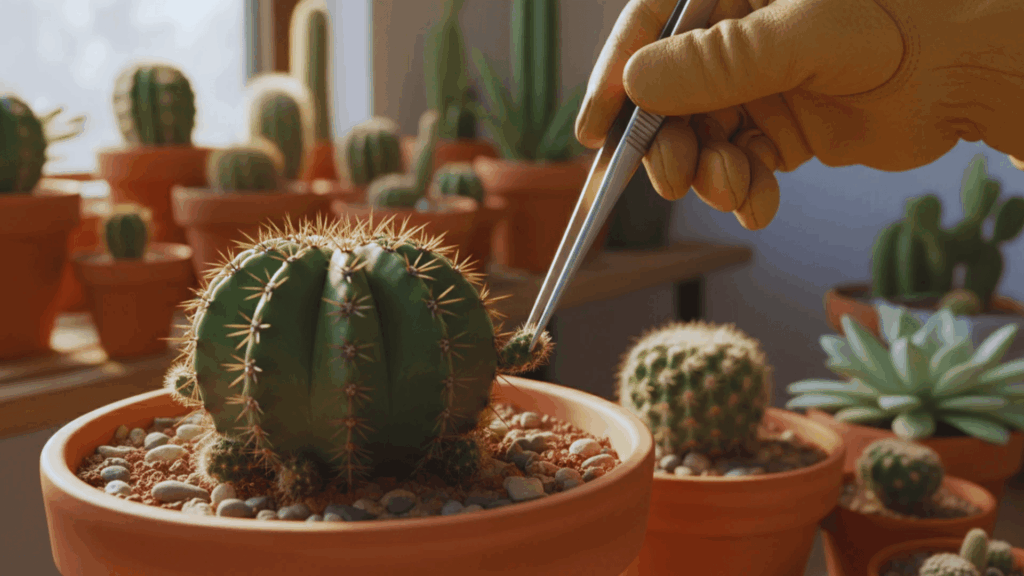
A few simple habits can make cactus propagation easier and more reliable. Focusing on basic care helps plants grow strong from the start.
- Choose the Right Time: Start during warm months, such as spring or early summer, to help roots grow faster and improve success.
- Use the Right Soil: Choose light, well-draining soil for planting to prevent water buildup and support healthy roots.
- Keep Air Flow Good: Place plants in an area with fresh air. Good airflow helps reduce moisture problems and rot.
- Do Not Rush Watering: Wait until roots form before watering. Early watering can damage the cutting and slow growth.
- Handle Gently: Avoid rough handling when planting or moving. Careful handling keeps the plant safe from damage.
- Watch Growth Changes: Check the plant often for new signs. Early changes help you fix issues quickly.
Conclusion
Cactus propagation is a simple and cost-effective way to grow your plant collection. With the right method and a little patience, it becomes easy to turn one plant into many.
From cuttings and pads to seeds and offsets, each method gives you a chance to learn and improve along the way.
Paying attention to light, soil, and watering helps your plants grow strong and healthy over time. Small steps lead to great results when done with care and consistency.
The process does not need to be complicated. Even beginners can see good results by starting slow and sticking to the basics.
If you have tried propagating a cactus before, share your experience, tips, or questions in the comments below. Your insights can help others grow better, too.
Frequently Asked Questions
Can You Put Cactus Cuttings Straight Into Soil?
Yes, you can place cactus cuttings in soil, but let them dry for a few days first. This helps prevent rot and improves rooting success.
What Is the Most Common Mistake People Make when Growing Cacti?
The most common mistake is overwatering. Cacti need very little water, and too much moisture can cause root rot and kill the plant quickly.
Do Cacti Like Deep or Wide Pots?
Cacti prefer wide, shallow pots rather than deep ones. Their roots spread out more than they grow down, and wide pots also help the soil dry faster, preventing root rot.