

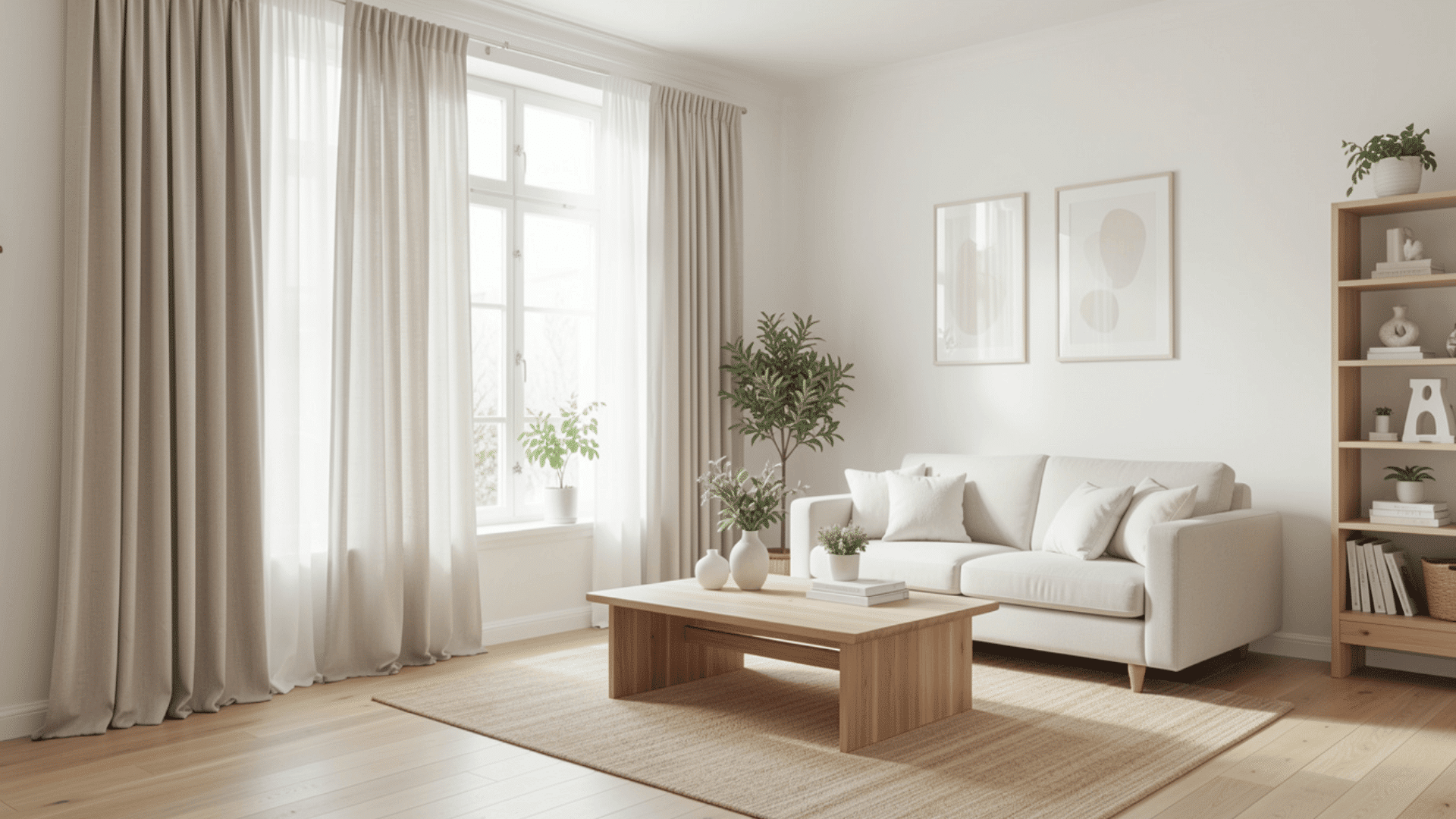
Choosing the right curtain length may seem like a small detail, but it can completely change how a room looks and feels.
Many people wonder, should curtains touch the floor, or is it okay for them to hang above it?
In most cases, curtains should either lightly touch the floor or float just above it for a clean and polished look; anything too short can make a room feel unfinished.
Interior designers often recommend floor-length curtains because they create a more refined and visually taller space.
I’ve noticed that even a slight change in curtain length can instantly make a space feel more polished and well put together.
The right curtain length can make ceilings look taller, windows appear bigger, and the room more balanced.
Even a few inches can make a big difference in the final look. With the right choice, curtains can tie the whole room together and improve its overall style.
Should Curtains Touch the Floor?
In most rooms, yes, curtains should touch the floor. Floor-length panels create a clean, finished look that makes ceilings appear taller and windows feel grander.
The most popular choice among interior designers is curtains that lightly graze the floor or hover just half an inch above it.
This works beautifully in living rooms, bedrooms, and dining rooms where a polished appearance matters.
That said, the right length also depends on practicality. In kitchens and bathrooms, shorter floating panels are a smarter choice for hygiene and ease of movement.
And if you prefer a softer, more romantic feel, letting the curtains pool two to three inches on the floor adds an intentional touch of classiness. Style and function together determine the perfect length.
Why Curtain Length Matters More than You Think
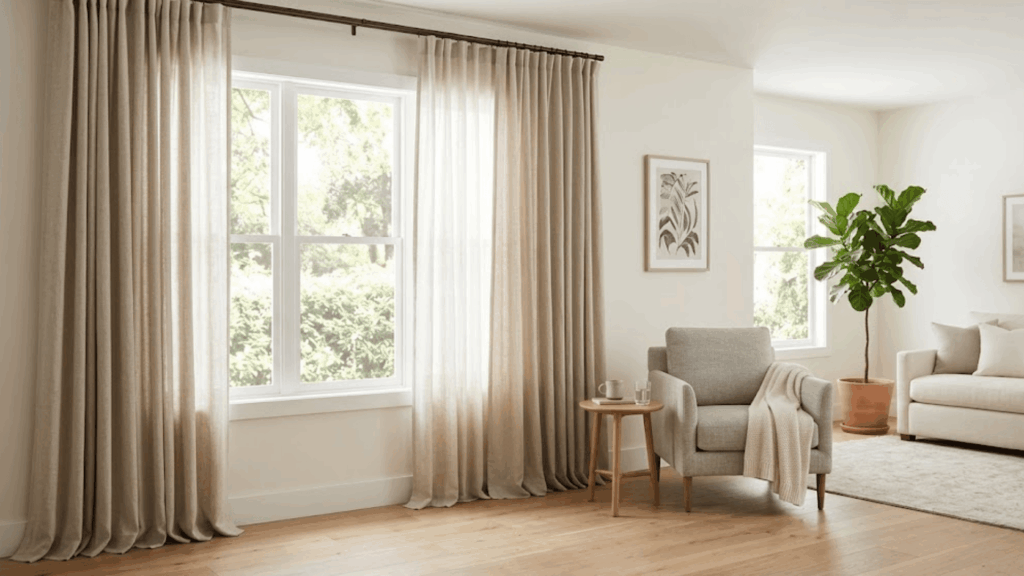
Curtain length plays an important role in how a room looks and feels. It helps create a clean and finished appearance, making the space look more put-together.
The right curtain length does several things at once. It draws the eye upward, making low ceilings feel taller.
It adds visual weight and proportion to large windows. And it creates a sense of completeness, the feeling that a room has been thought through.
Short or poorly fitted curtains break that visual flow. Even in a beautifully decorated room, curtains that stop awkwardly above the floor can make the whole space feel unfinished.
When chosen correctly, curtains not only serve a practical purpose but also enhance the design, making the space feel more comfortable, polished, and thoughtfully arranged.
How to Measure Curtains Correctly
Getting the measurement right from the start saves time and money. Here’s how:
- Install the rod first: Mount it 6–12 inches above the window frame, not right at the top. This creates the illusion of taller ceilings.
- Measure from rod to floor: Use a metal tape measure for accuracy; fabric tapes can sag and give false readings.
- Choose your hem style: Subtract ½ inch for floating panels, add 0 for grazing, or add 2–4 inches for a puddle effect.
- Always round up: If you’re between sizes, go longer. Curtains that are too short are far harder to fix than ones with a little extra length.
- Check the width: Each panel should be 1.5–2x the width of the window for full, gathered coverage when open.
Choose the Right Curtain Length
Understanding standard curtain lengths helps you choose the right style, fit, and visual impact for each room in your home
1. Sill-Length: 63 Inches
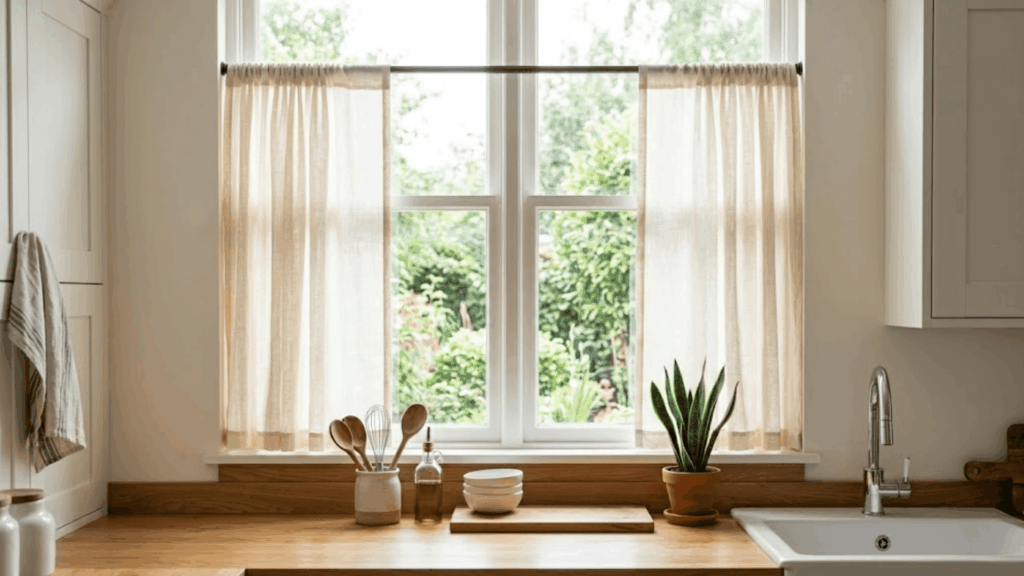
Best for small windows, café-style kitchens, or casual spaces where shorter panels make sense.
This length works particularly well in rooms where long drapes would feel out of place or create a cluttered look.
Kitchens benefit from this size because it keeps fabric away from countertops and heat sources. It also suits children’s rooms and laundry areas where practicality matters more than drama.
If you want a light, airy feel without heavy floor-length panels, 63-inch curtains are a smart, functional choice.
2. Apron Length: 84 Inches
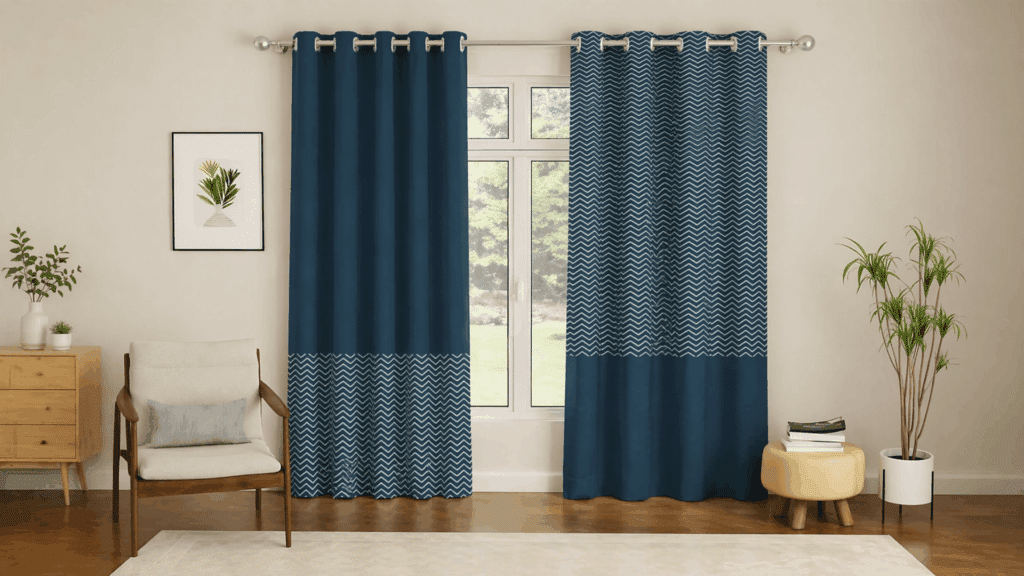
The most common length for standard 8-foot ceilings works in most living rooms and bedrooms. This is the go-to size for most homes because it fits comfortably without requiring any trimming or customization.
When hung correctly, 84-inch curtains just graze the floor, giving rooms a clean and polished appearance. They strike the right balance between casual and refined, making them versatile enough for nearly any room.
If you are buying curtains for the first time and have standard ceiling heights, this length is the safest starting point.
3. Floor Length: 96 Inches
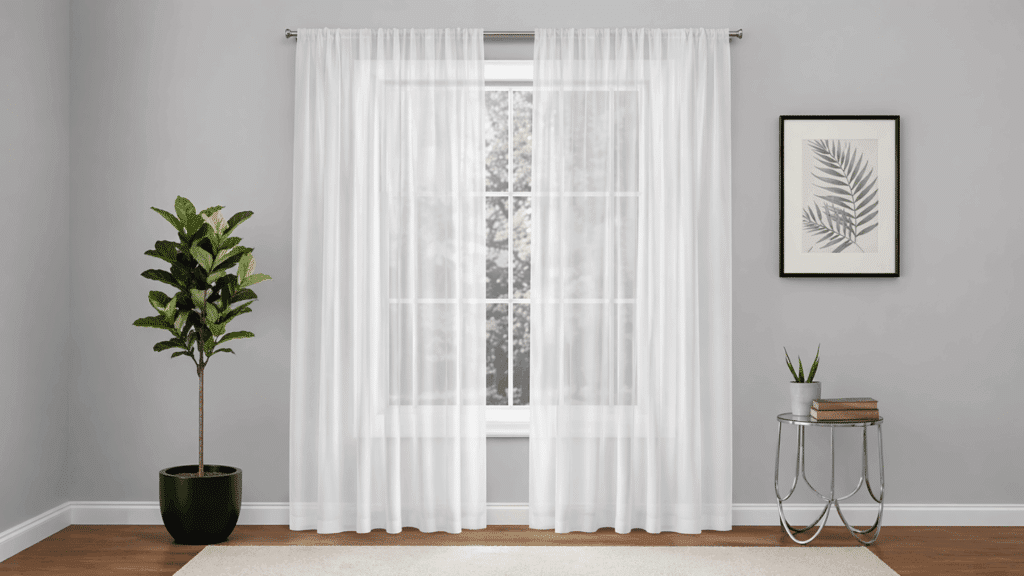
Ideal for creating the illusion of height; works well in rooms with 9-foot ceilings.
Even in rooms with standard 8-foot ceilings, 96-inch curtains can be used effectively by mounting the rod closer to the ceiling.
This draws the eye upward and makes the walls feel taller than they actually are. The result is a more open, expansive feel that instantly elevates the room.
This length is especially popular in modern interiors where clean vertical lines and a sense of airiness are priorities for the overall design.
4. Puddle Length: 108 Inches

Best for high ceilings, formal rooms, or a dramatic, floor-to-ceiling effect.
These extra-long panels make a bold visual statement and work beautifully in spaces like formal dining rooms, large living areas, or primary bedrooms with elevated ceilings.
They allow for a graceful puddle or clean break at the floor, depending on the mood you want to create.
Because of their length, fabric choice matters more here; lightweight linen or velvet both hang well and add a sense of luxury without overwhelming the space.
Floor-Length vs Floating Curtains: What’s Better?
Choosing between floor-length and floating curtains depends on the style, function, and overall look you want for your space.
- Floor-length: Touches or barely grazes the floor; best for living rooms, bedrooms, and dining rooms.
- Floating: Hovers ½ to 1 inch above the floor; ideal for kitchens, bathrooms, and high-traffic areas.
- Puddle: Extends 2–4 inches onto the floor; perfect for formal rooms and dramatic or romantic looks.
Designer Tips for a More Polished Curtain Look
Small adjustments in placement, fabric, and proportion can instantly make your curtains look more refined and intentional.
| Tip | Why It Matters |
|---|---|
| Extend the rod beyond the window frame | Mounting the rod 4–6 inches wider on each side makes the window appear larger and allows more natural light to enter. |
| Use light, natural fabrics | Linen, cotton voile, and lightweight blends drape well and add softness without making the space feel heavy. |
| Stick to one curtain style per room | Using a single style keeps the room cohesive and avoids visual clutter. |
| Choose neutral colors | Soft whites, warm creams, and greiges adapt easily to changing décor and seasons. |
| Go for full panels | Wider curtains create a fuller, more polished look compared to narrow ones. |
Common Curtain Length Mistakes to Avoid
Avoiding simple curtain mistakes can help create a clean, balanced, and well-designed space.
- Hanging the rod too low: Placing the rod directly above the window frame shrinks the perceived height of the room. Always mount higher.
- Curtains that stop mid-wall: Panels that end several inches above the floor look unintentional. Float them close to the floor or go all the way down.
- Too much puddling without intent: A slight pool looks deliberate and elegant. Excessive bunching just looks messy.
- Panels that are too narrow: Flat, stretched curtains lose their softness. Use wider panels or add an extra one per side.
- Ignoring the room’s function: Long, flowing curtains look stunning in a living room, but create safety and hygiene issues in kitchens and bathrooms.
Final Thoughts
Choosing the right curtain length is a simple way to improve the look of your home. Curtains that touch the floor or slightly float above it both work well; the key is to match the style with your space.
In most modern interiors, floor-length curtains remain the most recommended option for a clean and balanced finish.
In most spaces, floor-length curtains remain the best choice for a clean, polished finish.
But the real secret is in the details: mount the rod higher, measure carefully, choose the right hem style for the room, and use panels wide enough to drape properly.
Start with one room, get the length right, and notice how much more complete the space feels. It’s a small change that makes a surprisingly big difference.
Frequently Asked Questions
Are Blackout CurtainsNecessary for Bedrooms?
Not necessary, but highly recommended. Blackout lining significantly improves sleep quality by blocking early morning light
Can Curtains be Used without Rods?
Yes. Curtain tracks, tension rods, and wire systems are all effective alternatives, depending on the window type and mounting surface.
Do Curtain Colors Affect Room Mood?
Absolutely. Light, neutral curtains make rooms feel open and airy. Darker tones add warmth and drama.