

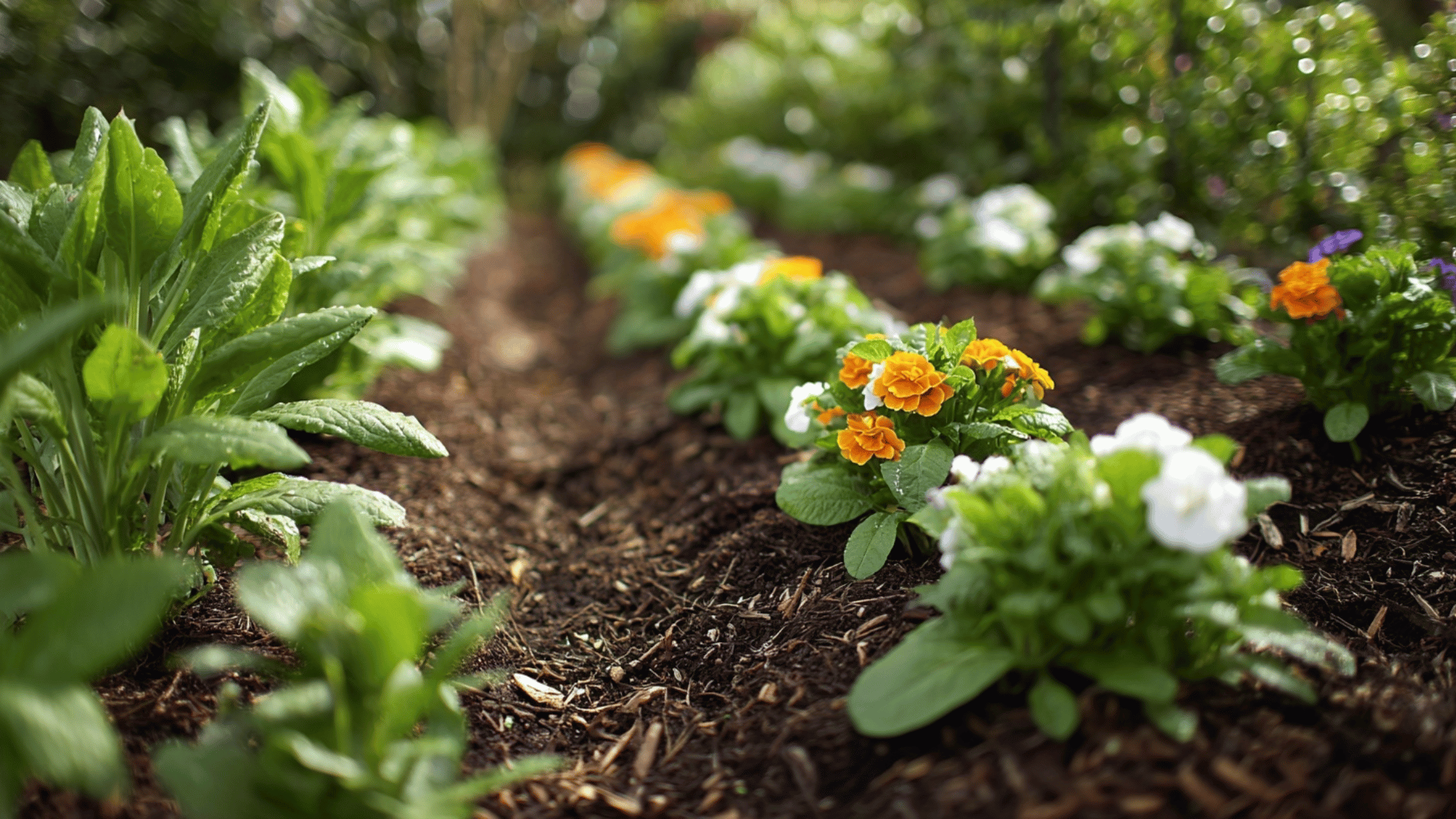
Looking to turn that patch of dirt into something special? A well-planned flower garden can change everything. But where do you start?
Most homeowners feel stuck when it comes to layout. They plant random flowers and hope for the best. The result? A messy garden that doesn’t quite work.
The good news is that creating a stunning flower garden isn’t as hard as it seems. With the right layout ideas, anyone can design a space that looks amazing all season long.
This blog shares practical flower garden layouts that actually work. From small corners to spacious yards, these ideas will help transform any outdoor space into a beautiful retreat.
Essential First Steps for Stunning Garden Layouts
Before planting a single seed, smart planning makes all the difference. These foundational steps help create a flower garden that thrives and looks beautiful from day one.
- Assess the sunlight patterns in different areas throughout the day.
- Test the soil quality and drainage to understand what flowers will grow best.
- Measure the garden space accurately before selecting plants and designing the layout.
- Choose a focal point or central feature to anchor the entire garden design.
- Sketch a rough plan on paper to visualize how everything will come together.
Top Perennial Flower Garden Layout Ideas
Perennials come back year after year, making them perfect for low-maintenance gardens. These layout ideas maximize their beauty while creating stunning displays that evolve through the seasons.
1. Cottage-Style Mixed Flower Borders

This layout features informal, overflowing borders filled with a mix of perennials, annuals, and shrubs.
Flowers are planted closely together to create a lush, romantic look with varied heights, textures, and colors. It works well along fences or pathways and attracts pollinators.
The charm comes from its slightly wild appearance, allowing plants to intermingle naturally while still feeling intentional and welcoming.
2. Circular Flower Bed with Central Focal Plant
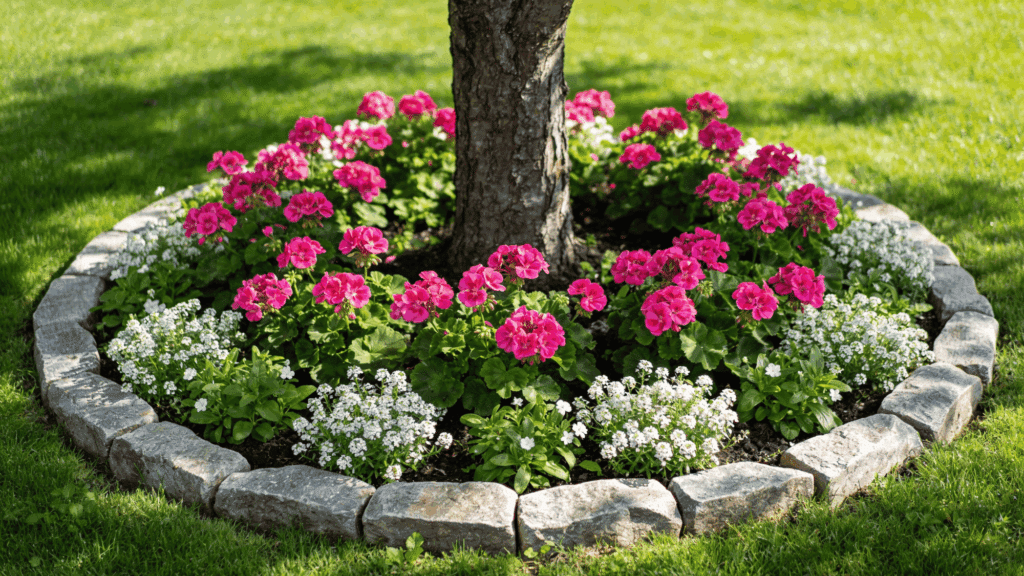
A circular flower bed is designed around a central focal element such as a small tree, shrub, statue, or tall flowering plant.
Surrounding flowers are arranged in concentric layers, usually from tallest in the center to shortest at the edges.
This layout creates visual balance and works well in open lawns or courtyards, drawing the eye inward and creating a strong, organized garden statement.
3. Raised Wooden Flower Beds
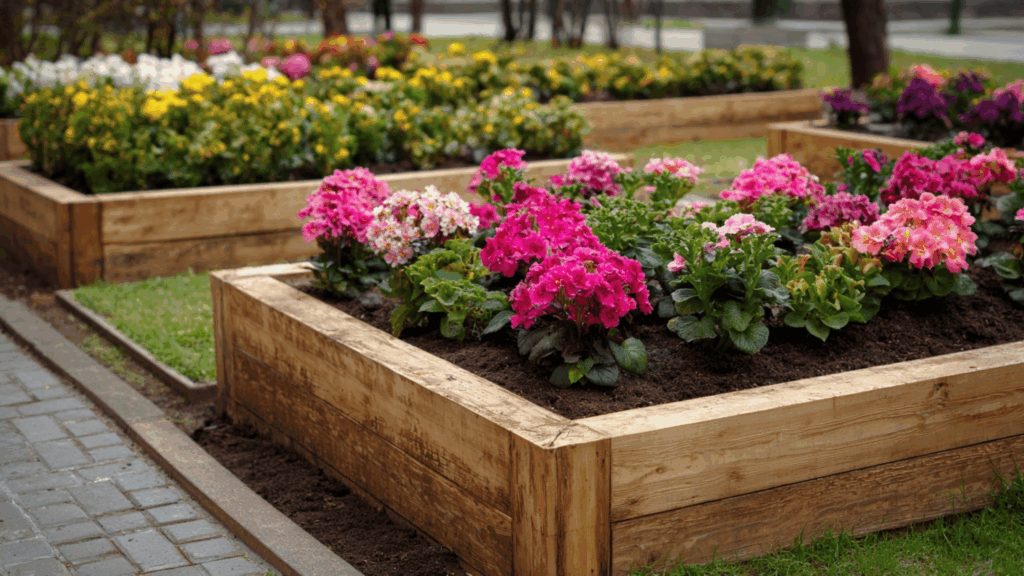
Raised wooden flower beds amplify plants above ground level, improving drainage and soil control. They are ideal for gardeners who want easier maintenance and a more transparent structure.
These beds can be rectangular, square, or custom-shaped and work well for flowers needing specific soil conditions. Raised beds also add warmth and definition to home gardens, making them suitable for both modern and rustic outdoor spaces.
4. Pathway-Lined Flower Garden
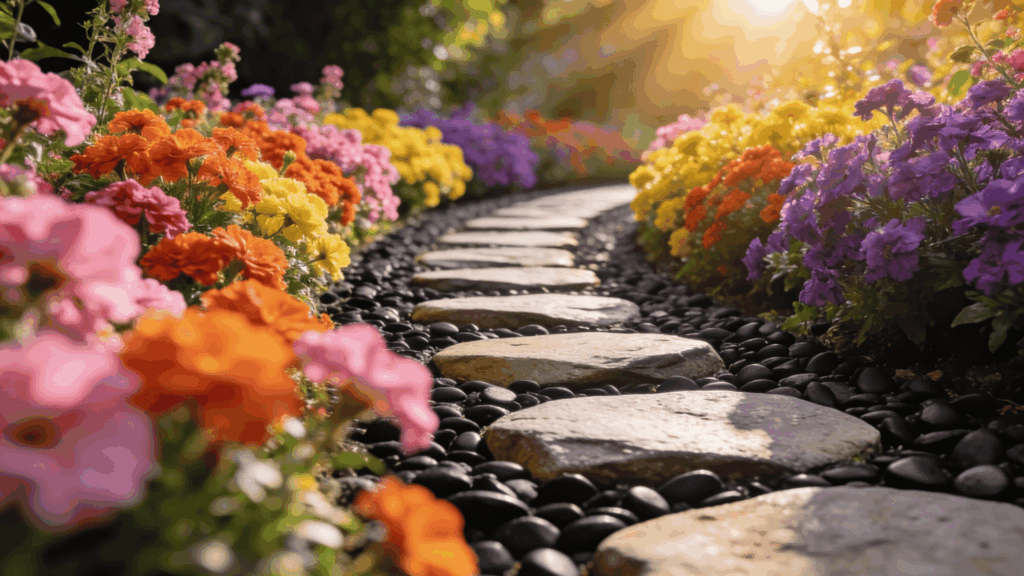
This layout places flower beds along one or both sides of a garden path, creating a guided and immersive walking experience. Flowers soften hard pathways and add color, fragrance, and texture along the route.
Planting can be symmetrical or informal, depending on style. This design works well in long gardens and helps visually connect different areas while making the garden feel inviting and thoughtfully planned.
5. Symmetrical Formal Garden Layout
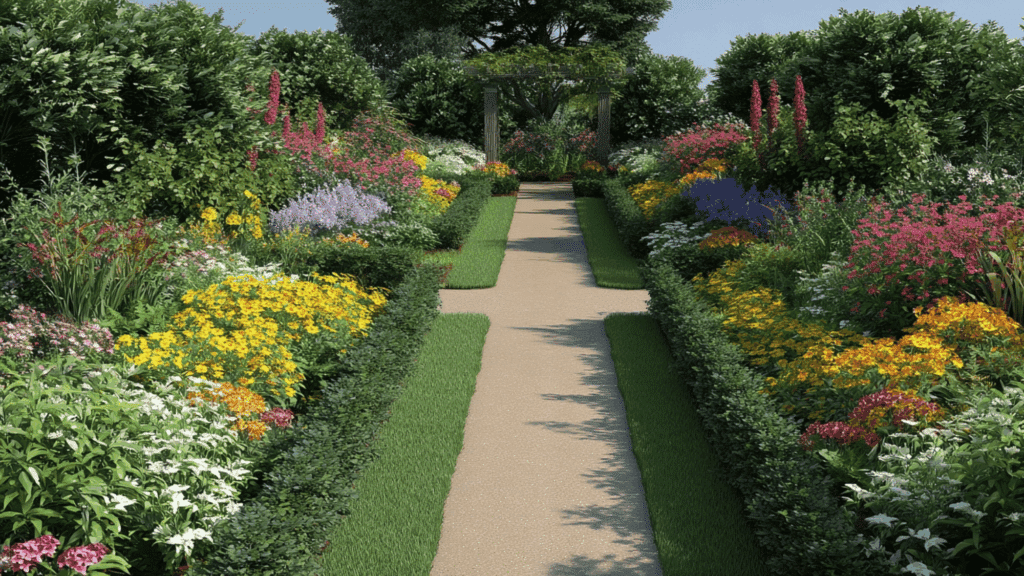
A symmetrical formal garden is based on balance, order, and repetition. Flower beds mirror each other on either side of a central axis, often paired with straight paths or hedges.
Plants are usually evenly spaced and carefully maintained. This layout suits classic homes and structured landscapes, offering a sense of elegance and calm. It works best where regular pruning and upkeep are possible.
6. Wildflower Meadow Corner
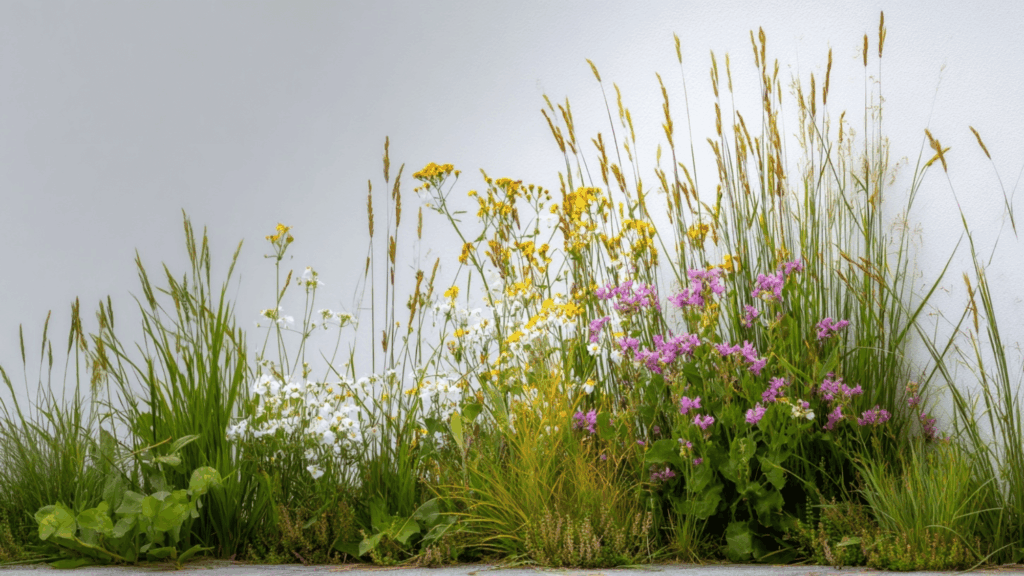
A wildflower meadow corner is a low-maintenance layout that mimics natural grassland.
It uses native or adapted wildflowers mixed with grasses to create a relaxed, natural look. This layout supports biodiversity, attracting bees, butterflies, and birds.
It works well in unused or sunny corners of a garden and requires minimal intervention once established, making it ideal for eco-friendly home gardens.
7. Vertical Flower Wall or Trellis Garden
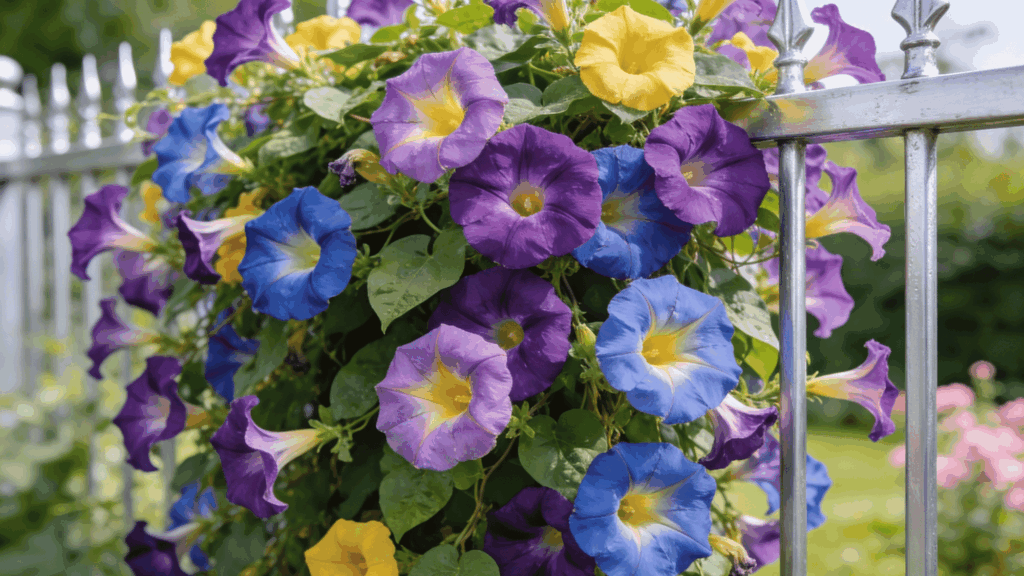
This layout uses vertical surfaces such as walls, fences, or trellises to grow flowering plants upward.
Climbers and trailing flowers maximize space, making it perfect for small gardens or patios.
Vertical gardens add height, visual interest, and privacy. They can also soften hard structures and create a living backdrop. This approach is practical, decorative, and well-suited to urban home gardens.
8. Color-Themed Flower Garden
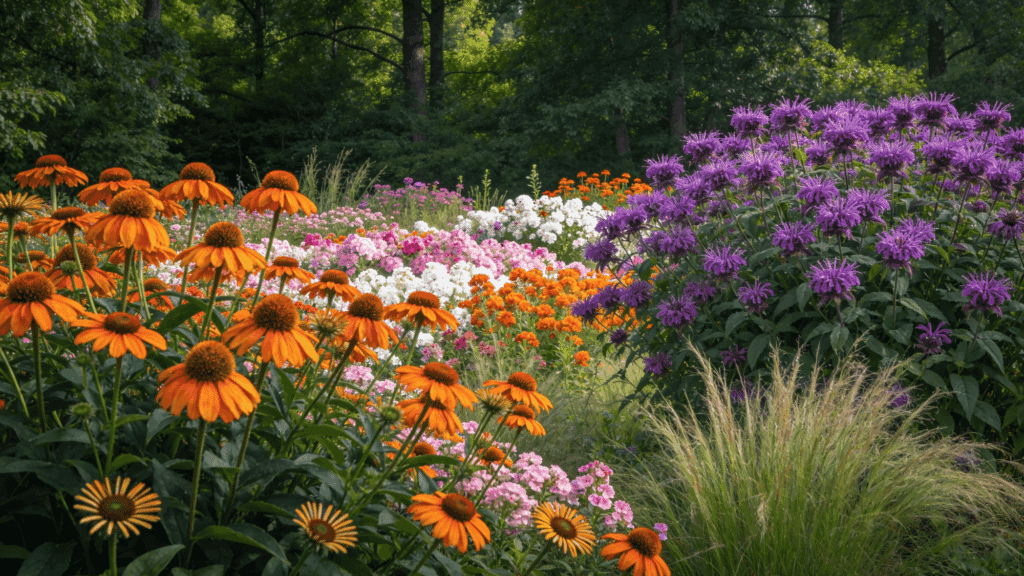
A color-themed flower garden focuses on a limited color palette, such as all whites, warm tones, or cool shades.
Flowers are chosen specifically to reinforce the theme, creating a cohesive and intentional look. This layout feels visually calm or dramatic depending on the colors used.
It works well in both small and large gardens and helps highlight design choices rather than overwhelming the space.
9. Tiered Flower Beds on a Slope
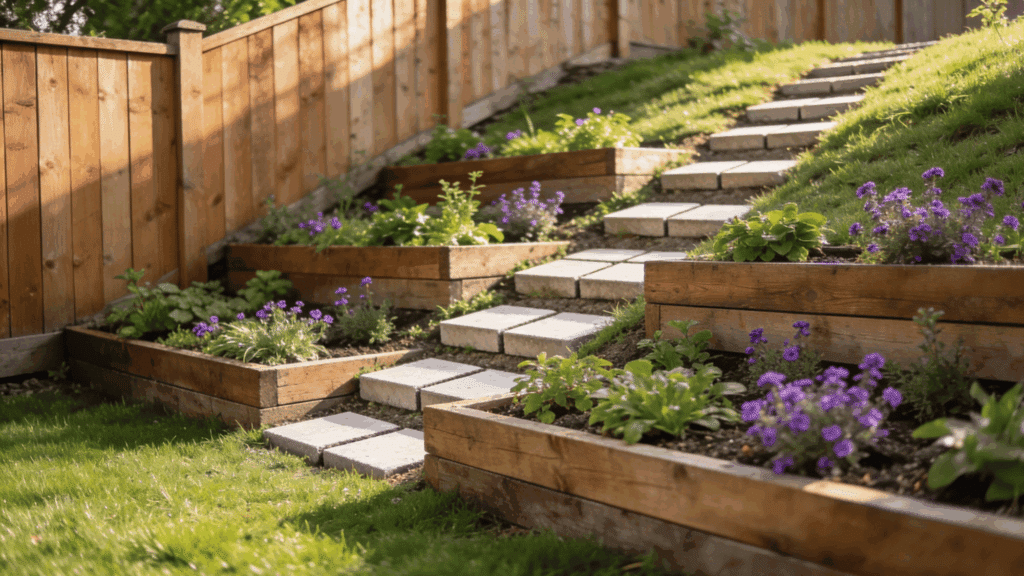
Tiered flower beds are designed for sloped or uneven ground, using steps or retaining walls to create multiple planting levels.
Each tier can feature different flower types or colors, adding depth and structure. This layout prevents soil erosion while maximizing planting space. It also improves visibility of flowers from different angles, making sloped gardens both functional and visually appealing.
10. Container-Based Flower Garden Layout
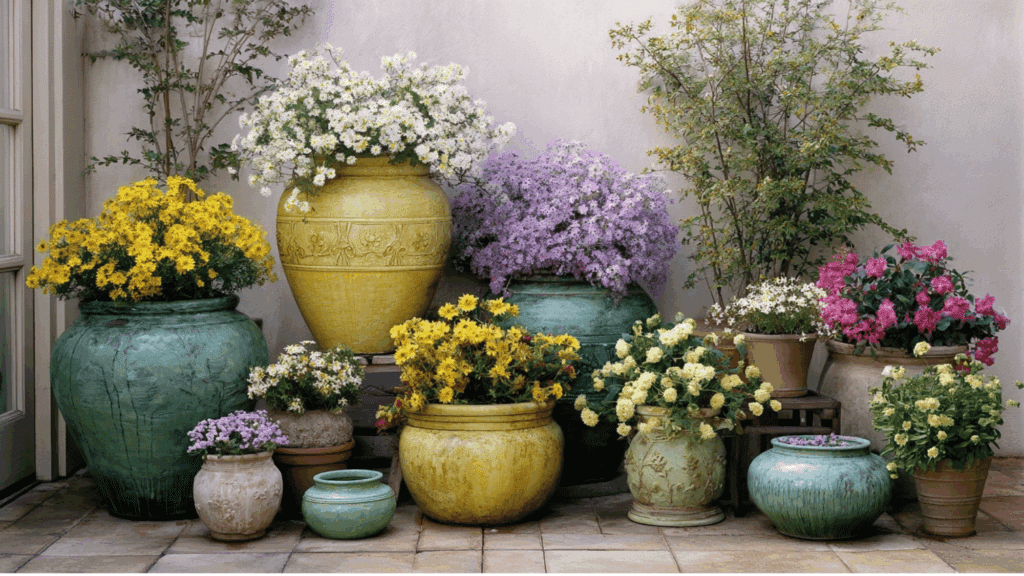
This layout relies on pots, planters, and containers instead of in-ground beds.
Containers can be arranged flexibly on patios, balconies, or small yards. They allow easy rearrangement and seasonal updates. Different sizes, materials, and heights add visual interest.
Container gardens are ideal for renters or gardeners with poor soil, offering full control over soil, drainage, and plant placement.
11. Butterfly and Pollinator Garden
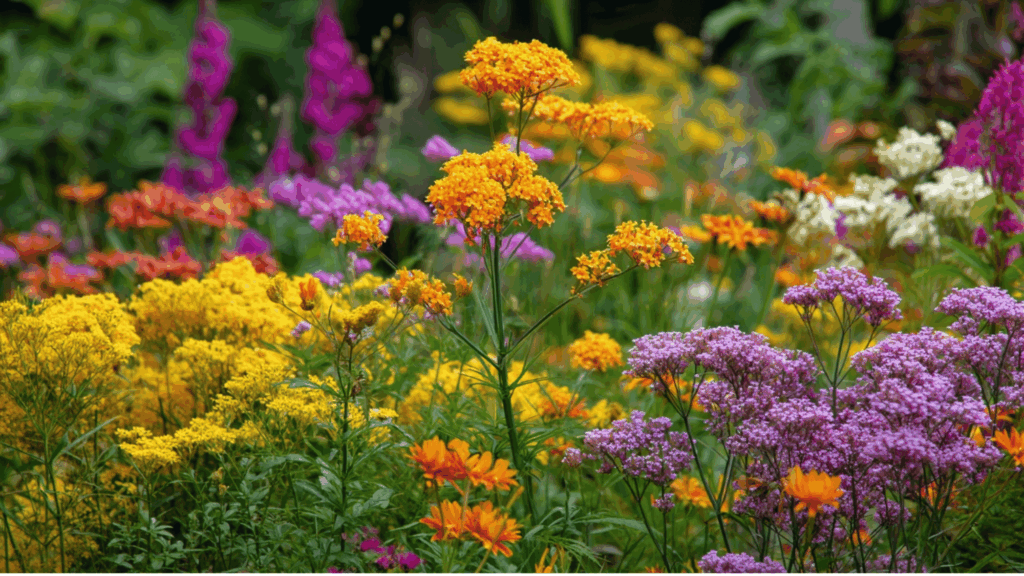
A butterfly and pollinator garden is designed with nectar-rich flowers that attract bees, butterflies, and other beneficial insects. Plants are grouped to provide continuous blooms across seasons.
This layout supports ecosystem health while adding movement and life to the garden. It works best in sunny areas with minimal pesticide use and creates a lively, colorful space that feels purposeful and rewarding.
12. Rock Garden with Flowering Plants
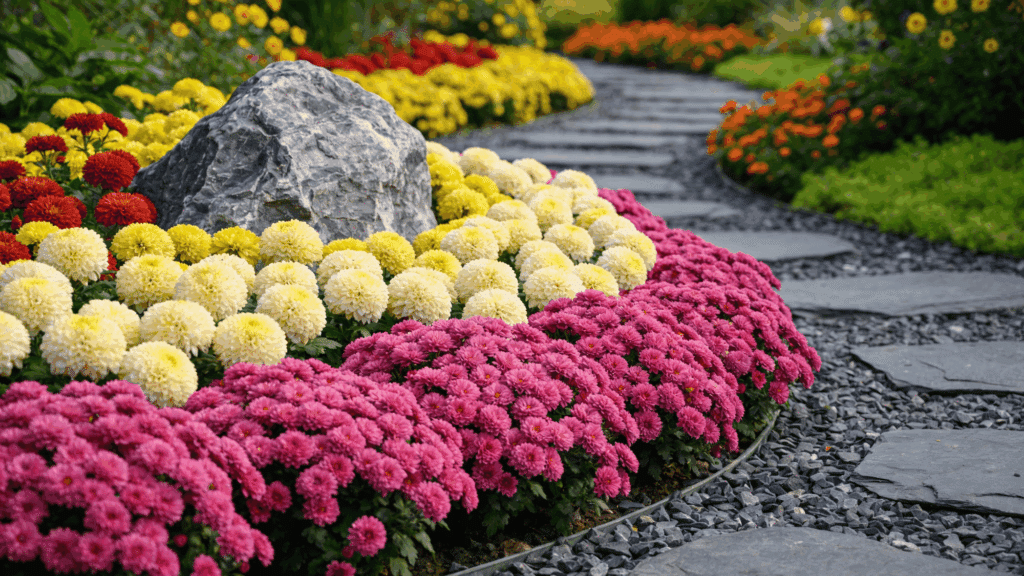
Rock gardens combine stones with drought-tolerant flowering plants to create a natural, low-water layout.
Flowers are planted between rocks to mimic alpine or dry landscapes. This design works well in sunny areas with well-drained soil. Rocks add structure and contrast, while flowers soften the look.
Rock gardens require minimal maintenance and are ideal for modern or naturalistic home gardens.
13. Spiral Herb and Flower Garden
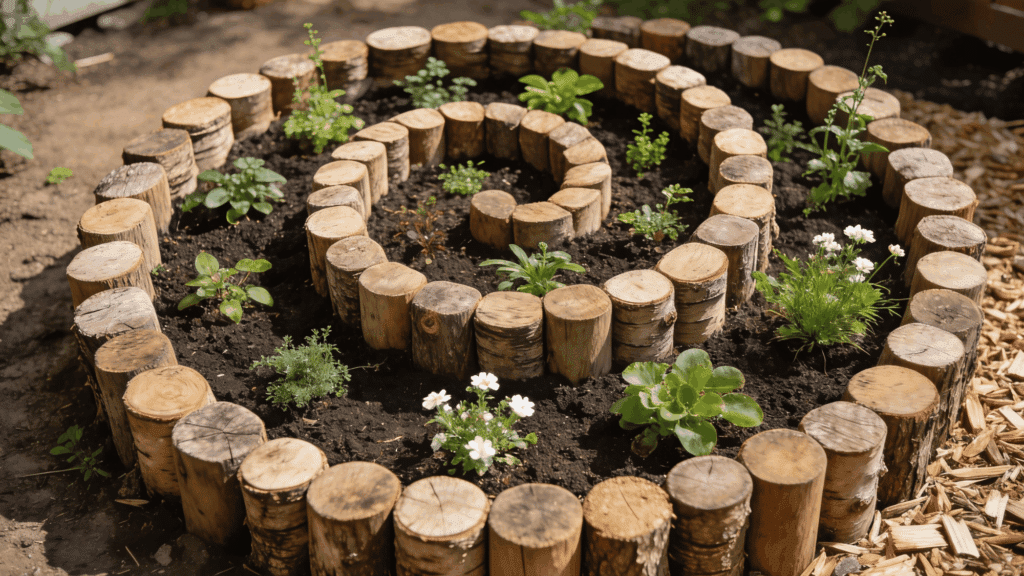
A spiral garden layout uses a coiled, upward design that creates multiple microclimates.
Flowers and herbs are planted according to their sun and water needs, with drier plants at the top and moisture-loving ones at the base.
This compact design is visually striking and space-efficient. It works well in small gardens and adds both decorative and functional value.
14. Border Garden Along Fences or Walls
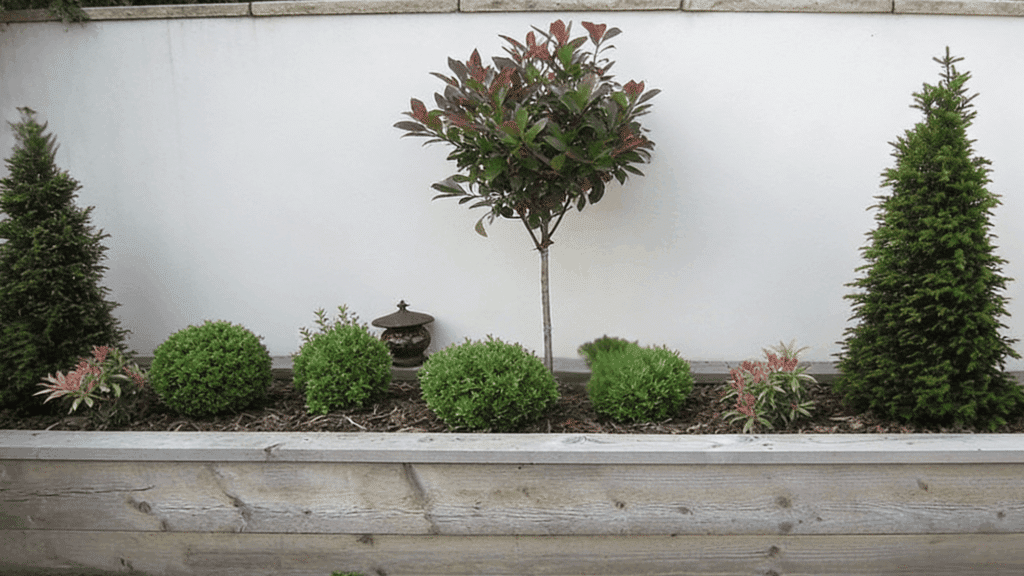
This layout places flower beds directly along fences, walls, or boundaries. Flowers soften hard edges and add color without using central garden space.
Taller plants are usually placed at the back, with shorter ones in front.
Border gardens are practical for narrow yards and help frame the garden. They also provide privacy and improve the overall visual flow of outdoor spaces.
15. Courtyard Flower Garden Layout

A courtyard flower garden is designed for enclosed or semi-enclosed spaces.
Flowers are often arranged in beds, containers, or along walls to create intimacy and focus. This layout emphasizes balance and comfort, usually incorporating seating areas.
Courtyard gardens work well with layered planting to maximize space and create a peaceful retreat, making them ideal for urban homes and private outdoor areas.
16. Tropical Flower Garden Design
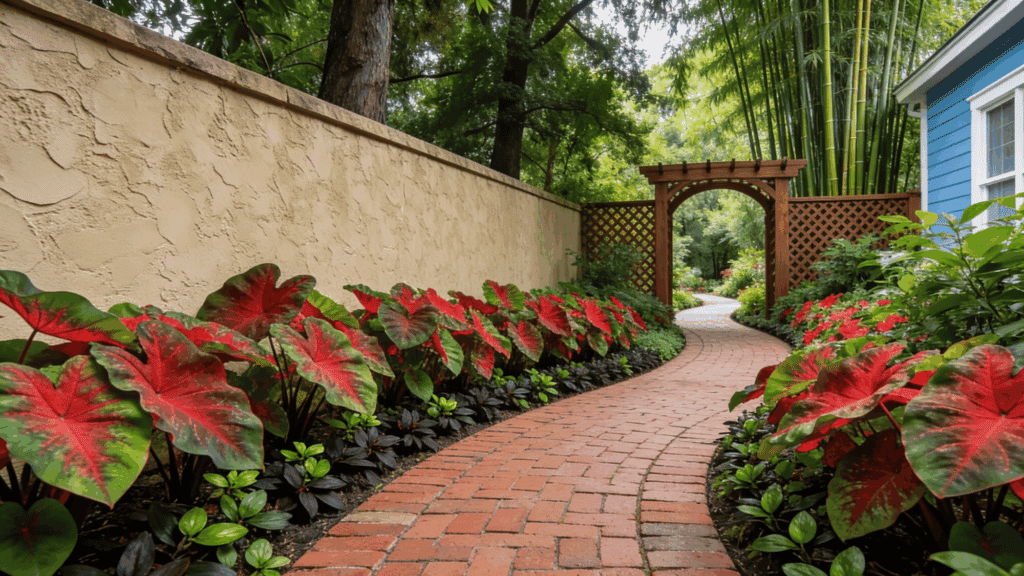
Tropical flower gardens feature bold foliage and vibrant blooms arranged in dense, layered plantings. Flowers with large leaves and bright colors create a lush, dramatic atmosphere. This layout works best in warm climates or sheltered areas.
Grouping plants closely enhances the tropical feel while reducing visible soil. It changes home gardens into exotic, resort-like spaces with strong visual impact.
17. Minimalist Geometric Flower Beds
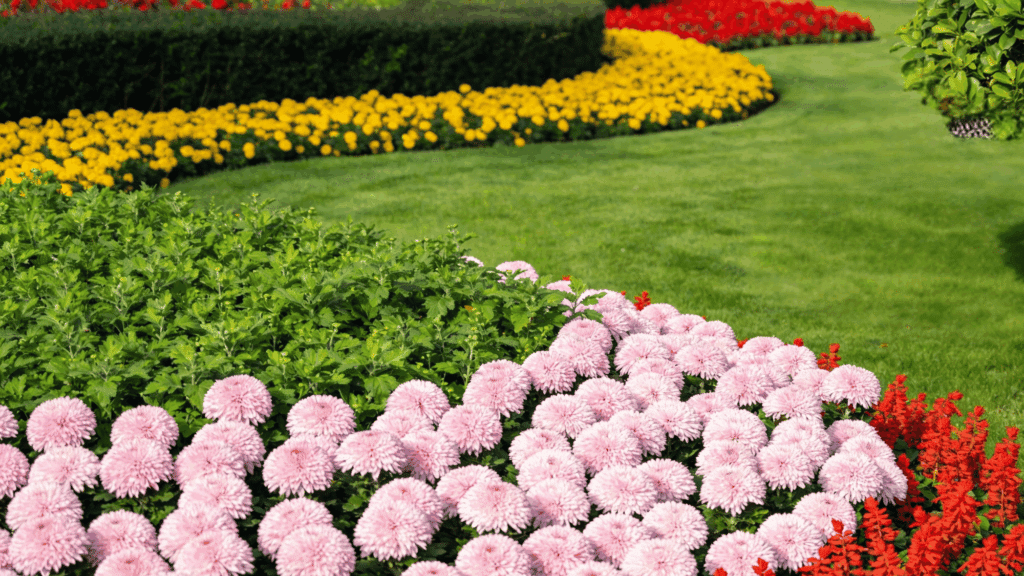
Minimalist geometric layouts use clean lines, simple shapes, and limited plant varieties.
Flower beds may be square, rectangular, or linear, emphasizing structure over abundance. Colors are often restrained for a modern look.
This design suits contemporary homes and low-maintenance preferences. It highlights form and spacing, creating a calm, uncluttered garden that feels intentional and architecturally aligned with the home.
18. Seasonal Rotating Flower Garden
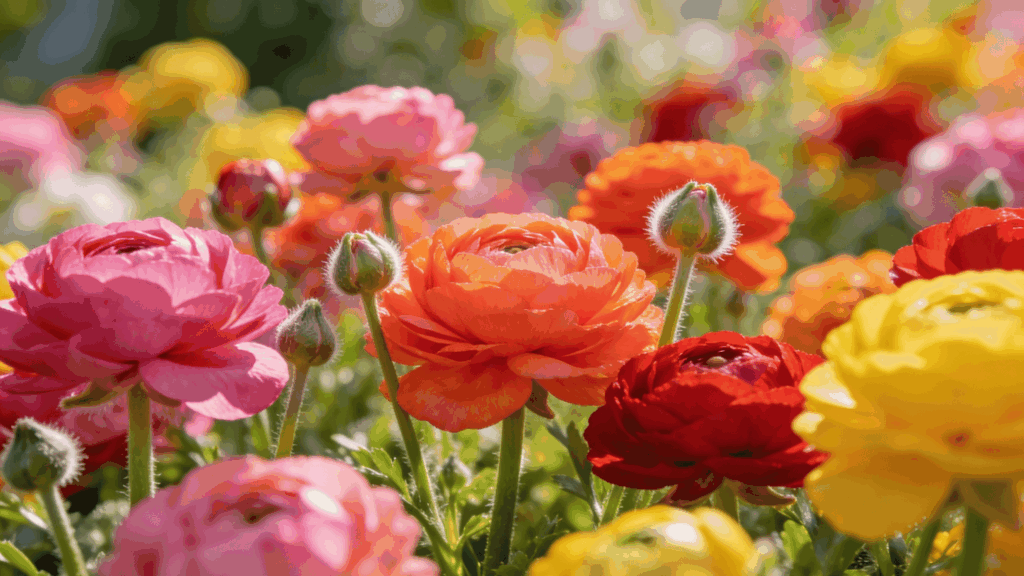
This layout is designed for change throughout the year, with flowers selected to bloom in different seasons. Beds are replanted or refreshed regularly to maintain visual interest.
This approach keeps the garden dynamic and colorful year-round. It requires planning and upkeep but rewards gardeners with constant variety.
Seasonal gardens are ideal for those who enjoy hands-on gardening and frequent updates.
19. Zen-Inspired Flower Garden
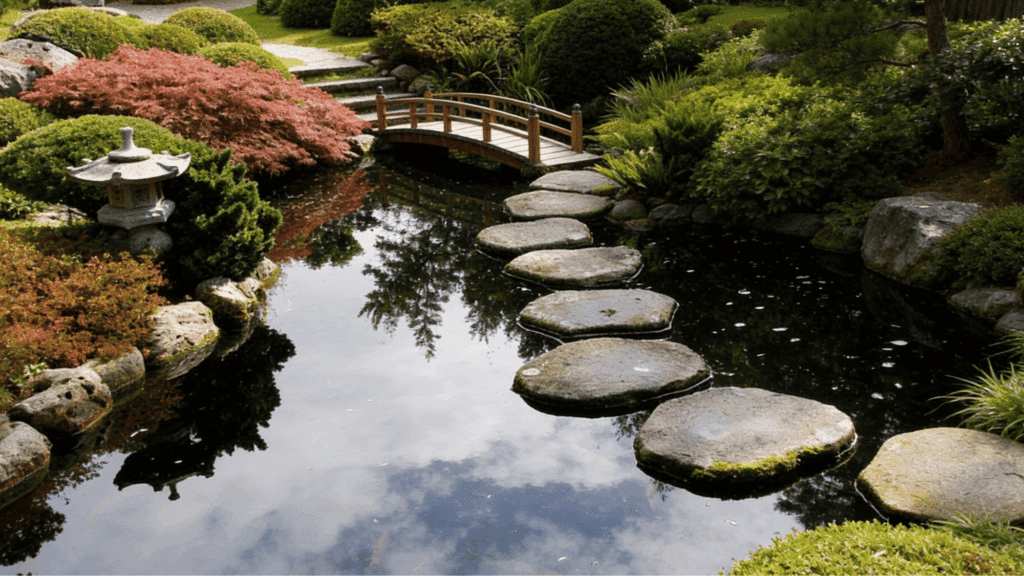
Zen-inspired gardens focus on simplicity, balance, and calm. Flowers are used sparingly and chosen for subtle colors and gentle forms.
Layouts emphasize open space, natural materials, and thoughtful placement.
This style encourages relaxation and mindfulness. It works well in small areas and pairs beautifully with stones, gravel, or water features, creating a peaceful environment within the home garden.
20. Moon Garden with White and Pale Blooms
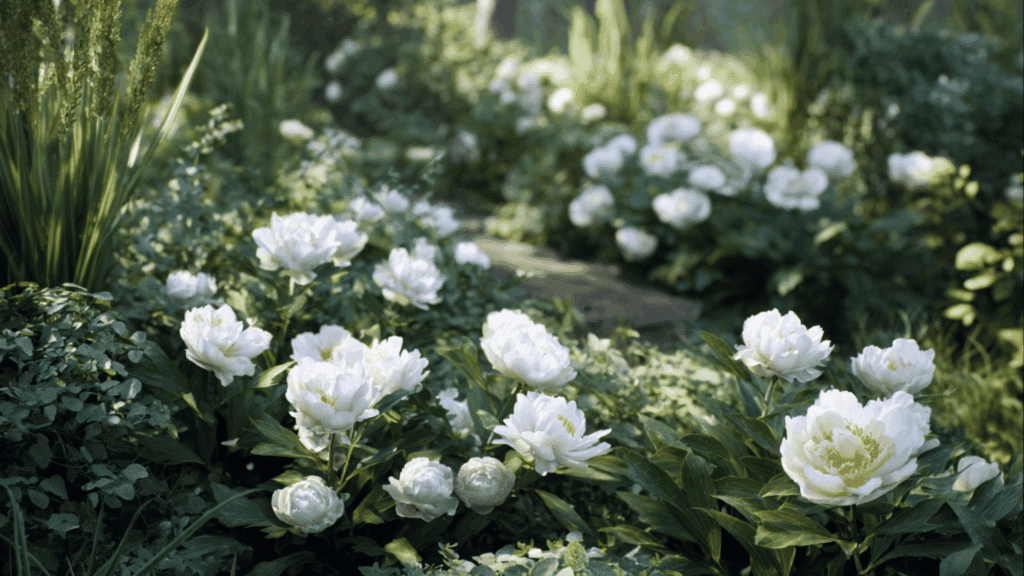
A moon garden features flowers in white and soft pastel shades that reflect moonlight and glow in the evening.
Fragrant plants are often included to enhance nighttime enjoyment. This layout is ideal near patios or bedroom windows. Pale foliage adds contrast and brightness after dark.
Moon gardens create a serene, romantic atmosphere and allow the garden to be appreciated beyond daylight hours.
21. Flower Garden with Water Feature Centerpiece
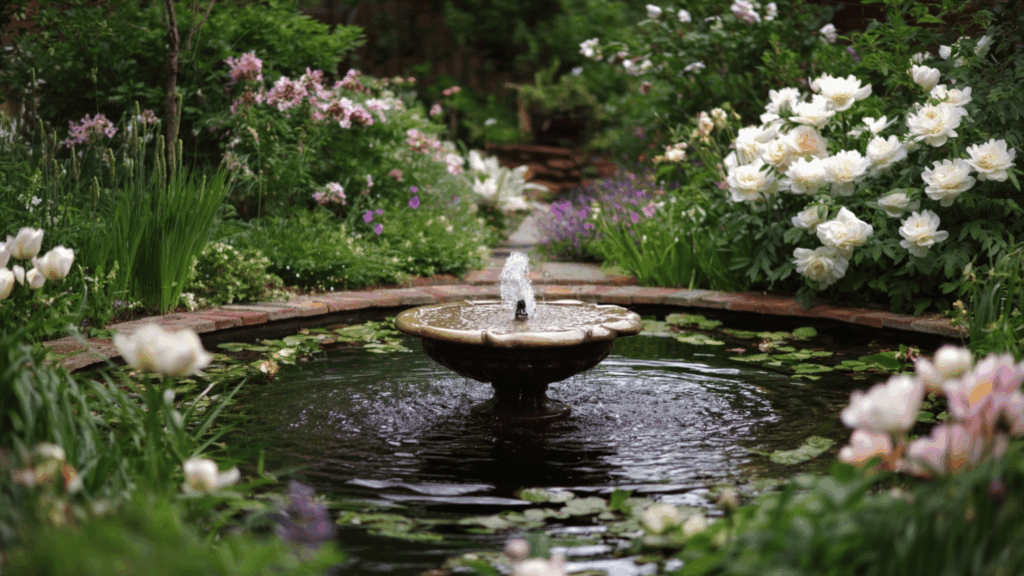
This layout centers around a water feature such as a fountain, pond, or birdbath, with flowers arranged around it. The water element acts as a focal point, while surrounding plants soften its edges.
This design adds movement, sound, and wildlife appeal. It works well in formal or informal gardens and creates a calming environment that enhances sensory experience.
22. Edible Flower Garden Layout

An edible flower garden combines beauty with practicality by growing flowers safe for consumption.
Plants are arranged like ornamental beds but chosen for culinary or medicinal use. This layout works well near kitchens or vegetable gardens. It encourages sustainable gardening and creative cooking.
Edible flower gardens add color, fragrance, and purpose, making them both decorative and functional in home settings.
23. Shaded Woodland Flower Garden
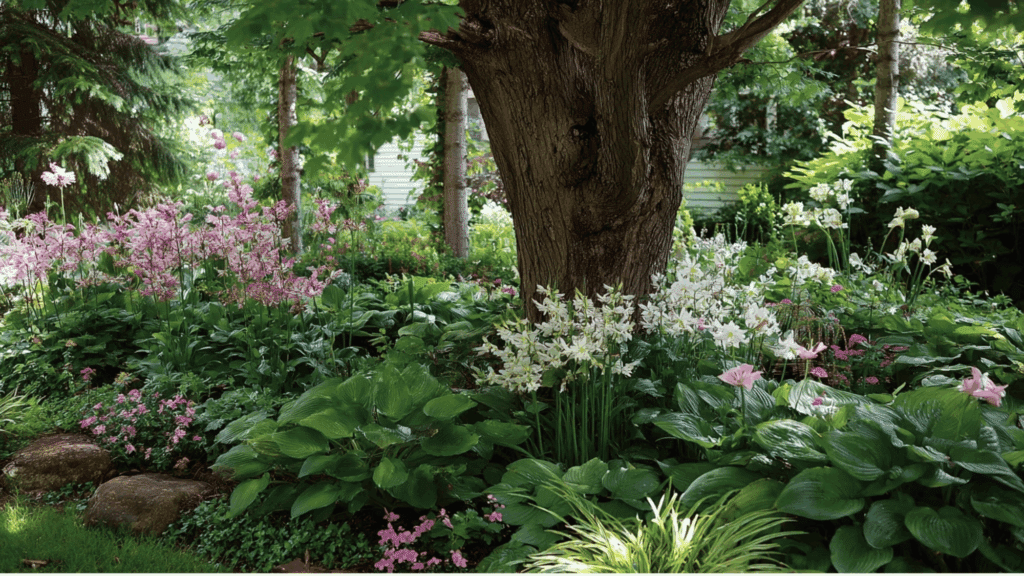
A shaded woodland flower garden is designed for areas with limited sunlight. It uses shade-tolerant flowers arranged in naturalistic patterns under trees or along north-facing walls.
This layout emphasizes texture and subtle color rather than bright blooms. It creates a calm, tranquil atmosphere and works well with leaf mulch and organic shapes, making shaded spaces feel intentional and inviting.
Common Flower Garden Layout Errors and Fixes
Even experienced gardeners make mistakes that affect their flower beds. Recognizing these common layout errors early helps save time, money, and prevents disappointment down the road.
- Planting tall flowers in front of shorter ones, blocking the view completely.
- Ignoring mature plant sizes and overcrowding the garden from the start.
- Choosing flowers with clashing bloom times, leaving gaps in seasonal color.
- Forgetting to plan pathways for maintenance access and garden care.
- Mixing plants with different water and sunlight needs in the same bed.
Wrapping Up
A stunning flower garden doesn’t happen by accident. It takes thoughtful planning, wise plant choices, and avoiding common pitfalls.
But the effort pays off when vibrant blooms change an ordinary yard into a personal paradise.
Start small if needed. Pick one layout idea that fits the space and skill level. Test the soil, plan for sunlight, and give plants room to grow.
The best gardens tell a story and bring joy throughout the year. With these layout ideas in hand, that dream garden is closer than it seems. Time to grab those gardening gloves and get started.