

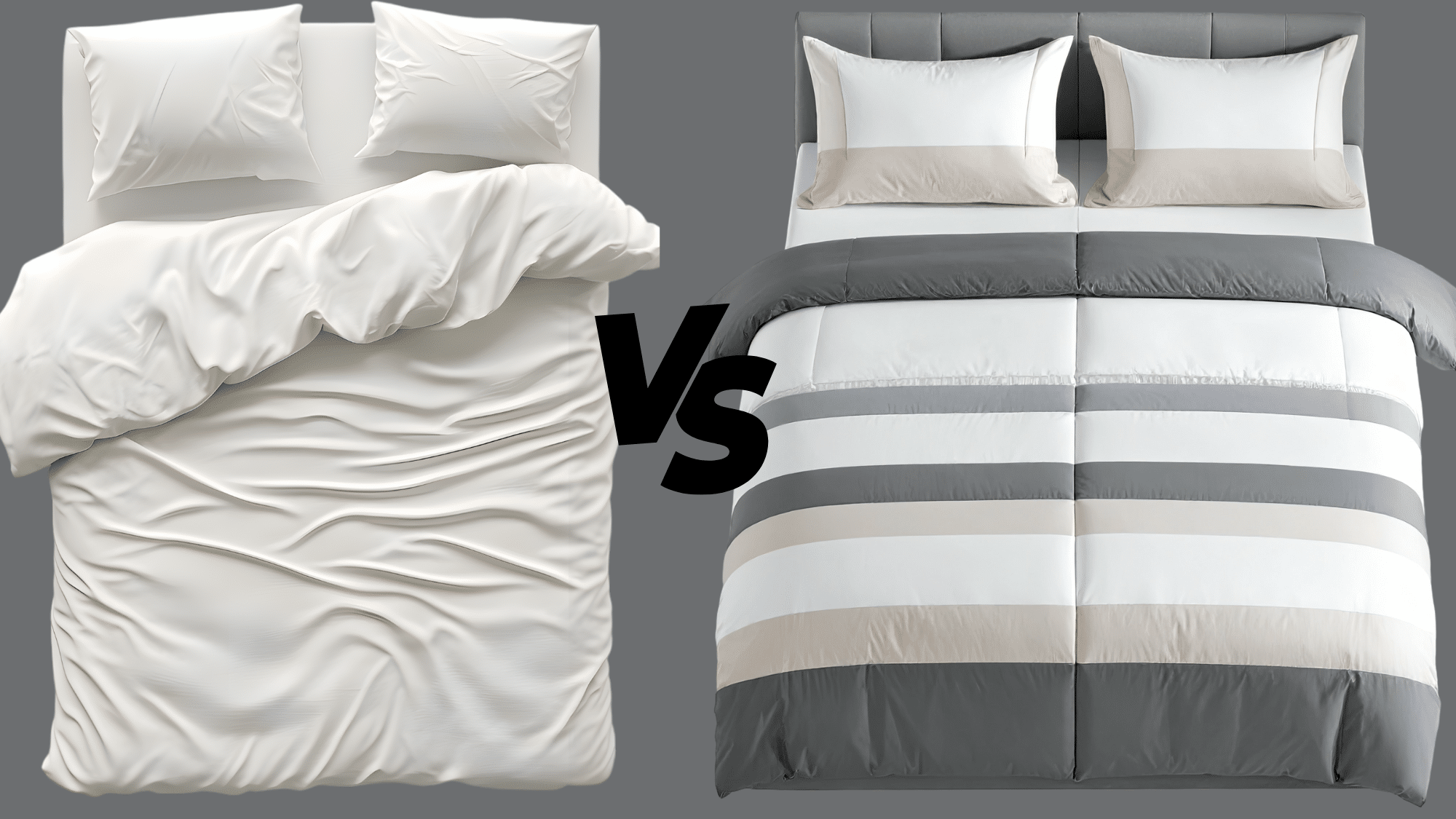
Choosing the right mattress size can significantly impact your sleep quality and bedroom functionality, yet many shoppers find themselves confused by the various options available.
One of the most common questions we encounter is: “Is a Twin XL the same as a Full?” While these two popular mattress sizes might seem similar but they actually serve different purposes.
The Twin XL vs Full debate is particularly relevant for college students, young adults furnishing their first apartments, and parents selecting beds for growing children.
If you’re shopping, this will clarify the distinctions between the mattresses, helping you decide which option best suits you.
Are Twin XL and Full the Same?
Twin XL and Full mattresses are often compared, but they are not the same. A Twin XL, making it narrow but extra long, is ideal for tall individuals or dorm rooms.
A Full mattress, also called a double, gives sleepers extra inches of width but less length than a Twin XL.
While both are meant for single sleepers, the Full offers more personal space and is better suited for adults or anyone who prefers extra room to move.
Twin XL is best for compact spaces or taller users. Because their dimensions differ significantly, bedding and bed frames are not interchangeable between the two sizes.
What is a Twin XL Mattress?
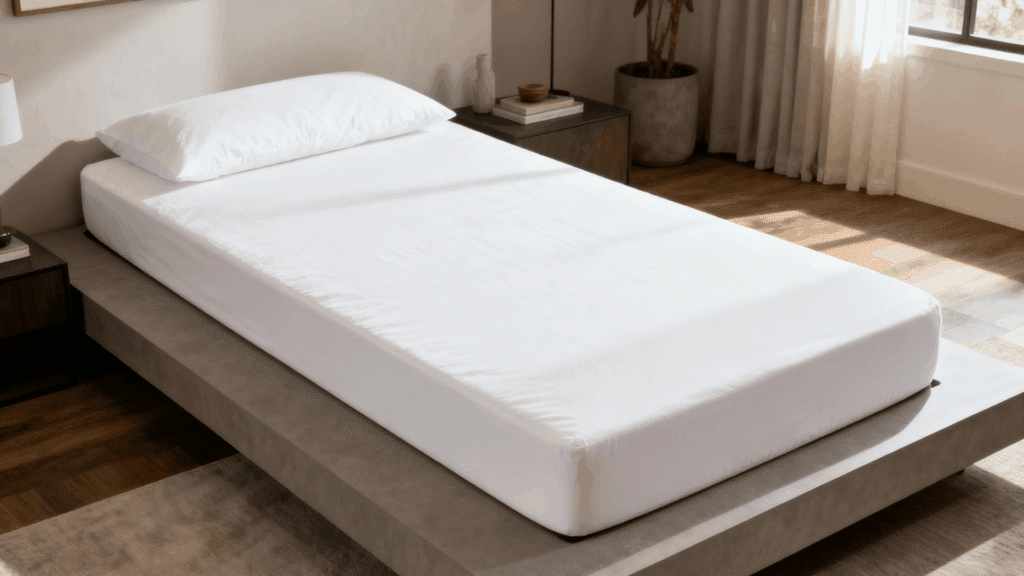
A Twin XL (Extra Long) mattress measures 38 inches wide by 80 inches long, making it 5 inches longer than a standard Twin mattress.
This extended length matches the length of Queen and King mattresses, specifically designed to accommodate taller individuals who need extra legroom but don’t require additional width.
Twin XL mattresses are the standard size for college dormitories across the United States and are increasingly popular in guest rooms and children’s bedrooms.
Pros
- Perfect for tall individuals needing extra length in limited spaces
- Standard dorm room size with widely available bedding options
- More affordable than larger mattress sizes
Cons
- Too narrow for couples or those who move frequently during sleep.
- Limited width may feel restrictive for broader individuals.
- Slightly more expensive than standard Twin mattresses.
What is a Full Mattress?
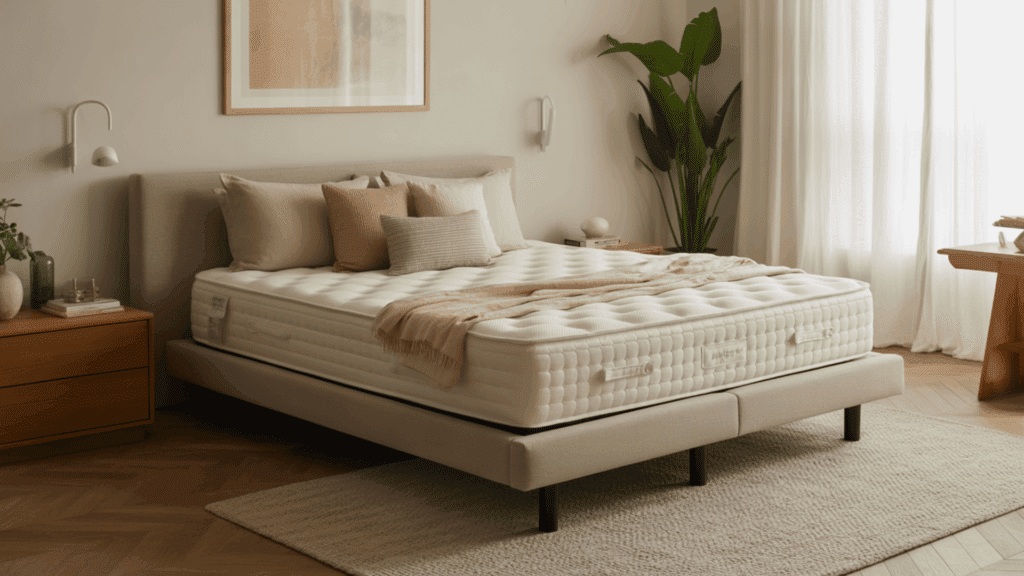
A Full mattress, also known as a Double mattress, measures 54 inches wide by 75 inches long, providing 16 inches more width than a Twin XL while being 5 inches shorter in length.
This makes it the widest mattress option under 60 inches, offering comfortable sleeping space for single adults who enjoy spreading out or couples who don’t mind sleeping close together.
Full mattresses strike an excellent balance between space efficiency and comfort, fitting well in smaller master bedrooms, guest rooms, and studio apartments.
Pros
- Provides ample width for single sleepers who move around.
- Fits comfortably in smaller bedrooms and apartments.
- More affordable than Queen or King sizes.
Cons
- Too short for individuals over 6 feet tall.
- Cramped for couples, offering only 27 inches per person.
- Bedding options are less common than Twin or Queen sizes.
Factors to Consider When Deciding Between a Twin XL or Full Mattress
Before deciding on a Twin XL or Full mattress, it’s important to evaluate a few essential factors that affect both fit and functionality.
1. Room Size: Your bedroom layout plays a big role. A Twin XL fits well in tight or narrow spaces, while a Full needs more floor area and works better in standard-sized bedrooms or guest rooms.
2. Sleep Space Needs: If you prefer extra room to move, the Full offers 16 more inches of width. A Twin XL is narrower, making it best for single sleepers who don’t mind a compact sleep surface.
3. Height of the Sleeper: Tall sleepers benefit from the Twin XL’s added length (80″). A Full mattress is shorter (75″), which may feel cramped for anyone over 6 feet.
4. Who Will Be Using the Bed: A Full mattress can accommodate a single adult comfortably and even fit two people occasionally. A Twin XL is best for teens, students, and solo sleepers.
5. Budget: Twin XL mattresses are usually more affordable. Full mattresses generally cost more due to their larger size.
6. Future Flexibility: If you may need more sleeping space later, such as turning a room into a guest space, a Full provides better long-term versatility.
7. Bedding & Accessories: Full bedding is more common and easier to find. Twin XL bedding can be slightly limited and sometimes more expensive due to demand, mainly in dorm settings.
8. Purpose of the Room: For dorms, studios, or secondary bedrooms, a Twin XL is often sufficient. For a main bedroom or multipurpose guest room, a Full is typically the more practical choice.
Pricing & Value Comparison
Below is a quick pricing and value comparison to help you see how a Twin XL differs from a Full at a glance:
| Mattress Size | Typical Price Range* | Considerations |
|---|---|---|
| Twin XL (38″ × 80″) | $450–750 | Narrow width, limited movement space and bedding are less common |
| Full (54″ × 75″) | $600–900+ | Shorter length, costs more, requires more space |
Conclusion
So, is a Twin XL the same as a Full? As we’ve seen throughout, the answer is definitely no. While both mattresses serve important purposes, they differ significantly in dimensions.
The Twin XL vs Full decision ultimately comes down to your specific needs. Consider your height, bedroom size, budget, and sleeping habits when making your choice.
Neither option is universally superior; the best choice depends entirely on your unique situation.
Next time you’re measuring your bedroom or eyeing dorm setups, which size calls to you and why? Share in the comments below!