

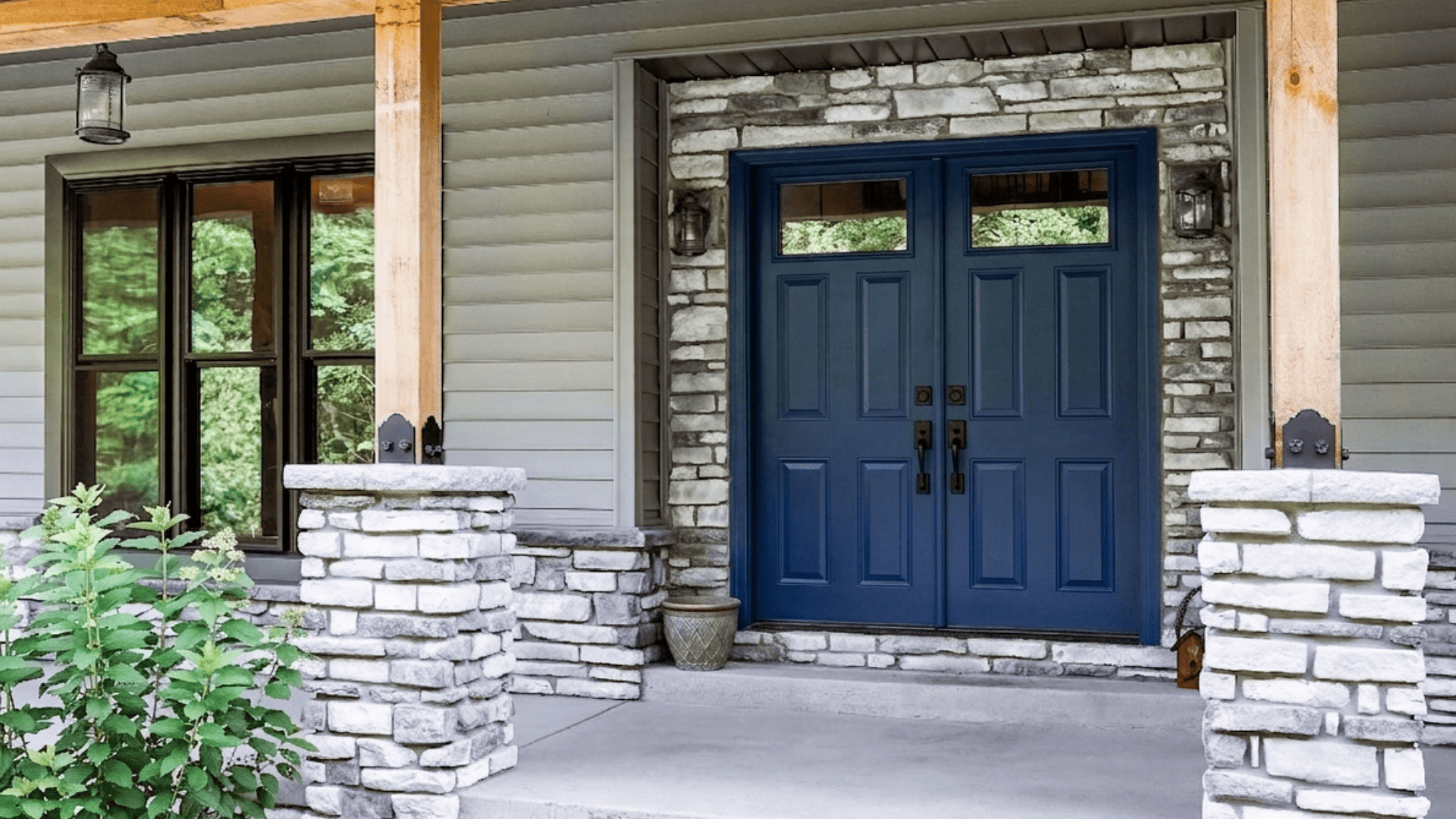
When I first started learning about doors, I thought the frame was just a simple border around the door.
But once I looked closer, I realized it has several pieces that work together to hold the door in place and help it open and close properly.
Each part plays a specific role, helping the door remain stable and function smoothly. In this guide, you will learn all the main parts of a door frame and what each one does.
If you enjoy DIY work or home repairs, knowing these parts can save you time and confusion.
The parts of a door frame include several components that support the door and keep it aligned inside the wall opening.
By the end, you will clearly understand how each part works and how it helps your door open and close the right way.
What Is a Door Frame?
A door frame is the fixed structure that surrounds and supports a door. It is built into the wall and holds the door in place so it can open and close properly.
The frame creates a strong base where the door is attached using hinges.
It also helps keep the door aligned so it does not swing unevenly or get stuck. Most door frames are made from wood, metal, or composite materials, depending on the type of door and building.
Astandard door frame has several parts, like the head at the top and the side pieces called jambs.
Together, these parts form a solid shape around the door opening.
Without a proper frame, the door would not stay secure or function the right way. It also helps seal the space and improve safety inside the home.
Main Parts of a Door Frame
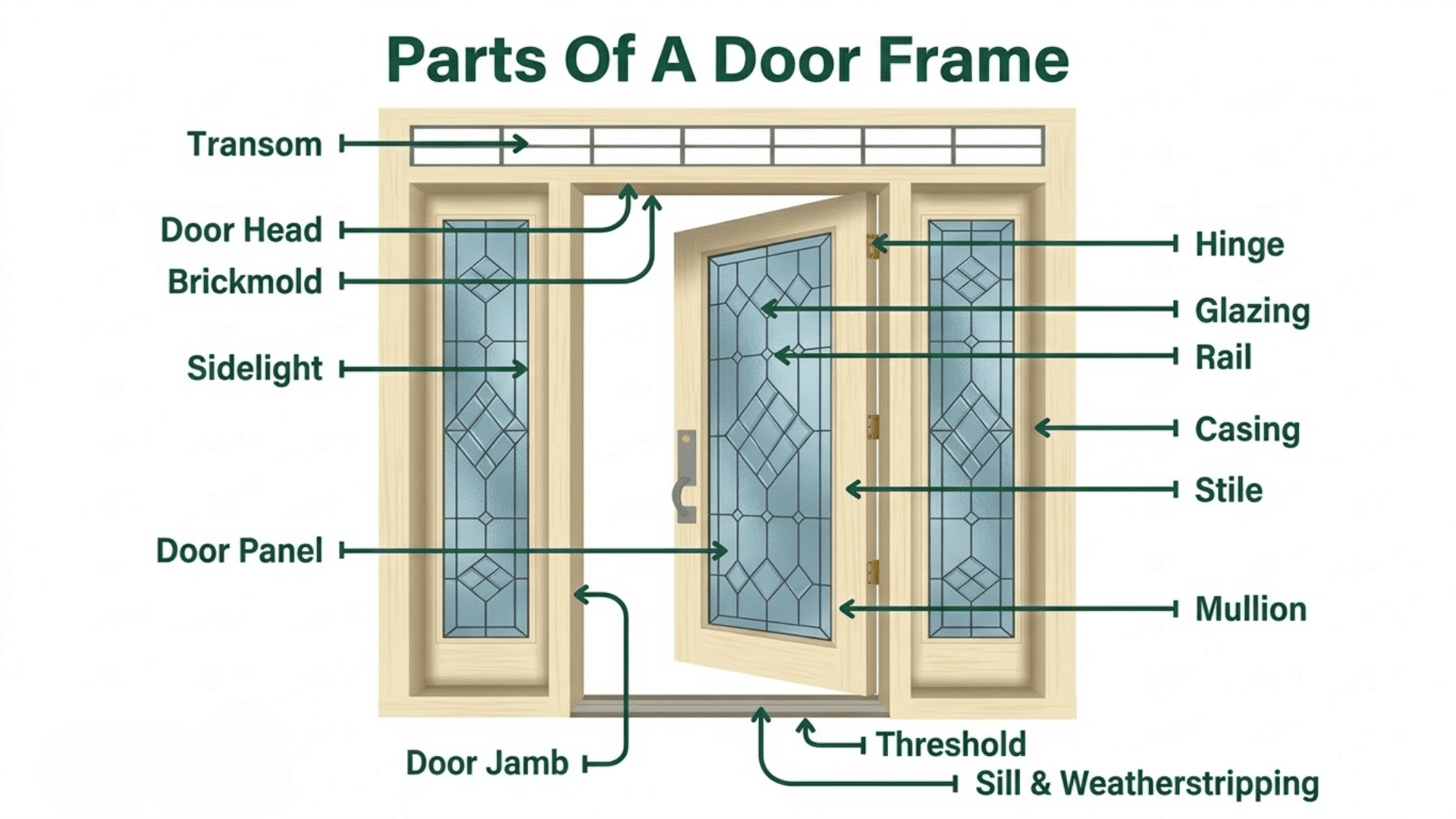
A door frame consists of several pieces that support the door and keep it aligned in the opening. Each part has a clear role in keeping the door stable and working properly.
1. Transom
A transom is the horizontal section located above the main door frame. It often holds a small window or decorative panel that sits above the door.
This feature allows extra natural light to enter the space while keeping the doorway closed.
Transoms are common in traditional homes and commercial buildings. They also add height and visual balance to the doorway.
In some designs, the transom window can open to improve airflow. Structurally, it connects to the door frame and helps support the wall area above the doorway.
2. Door Head
The door head is the top horizontal section of the door frame. It connects the two vertical side jambs and forms the upper boundary of the doorway.
This part helps maintain the shape and stability of the frame.
When the door closes, the top edge of the door aligns just below the door head. Proper alignment ensures the door fits evenly within the frame.
If the door head becomes uneven or warped, the door may not close correctly or may rub against the frame.
3. Brickmold
Brickmold is exterior trim installed around the outer edge of a door frame. It covers the gap between the door frame and the exterior wall surface.
This component helps seal the doorway and prevent water from entering around the frame.
Brickmold also improves the finished appearance of exterior doors. It is commonly made from wood, PVC, or composite materials designed to withstand outdoor conditions.
Proper sealing around the brickmold helps protect the doorway from weather damage and moisture problems.
4. Sidelight
A sidelight is a narrow vertical window installed beside a door. It is part of the door frame system and is commonly used with entry doors.
Sidelights allow natural light to enter the space while maintaining the structure of the doorway. They also make the entrance area appear wider and more open.
These glass panels can be clear, frosted, or decorative, depending on the design.
The sidelight frame connects directly to the main door frame and provides both structural support and visual appeal.
5. Door Panel
The door panel is the main surface of the door itself. It is the large section that fills the center area of the door and forms the primary barrier between spaces.
Panels can be flat, raised, or designed with decorative patterns. Many doors include multiple panels to add strength and visual detail.
The panel fits within the door’s rails and stiles, which hold the structure together.
In addition to appearance, the door panel contributes to insulation, security, and overall durability of the door system.
6. Door Jamb
The door jamb is the vertical section of the door frame that runs along both sides of the doorway. It forms the main support where the door is attached.
Hinges are installed on one side of the jamb so the door can swing open and closed.
The opposite jamb usually holds the strike plate for the lock. The jamb keeps the door aligned inside the frame and helps maintain stability.
A properly installed door jamb ensures the door closes evenly and stays secure during daily use.
7. Threshold
The threshold is the strip placed across the bottom of the doorway. It sits above the sill and forms the transition between indoor flooring and the exterior surface.
The threshold helps seal the gap between the door and the floor, preventing drafts, dust, and moisture from entering.
It also supports the bottom edge of the door when closed. Thresholds are commonly made from metal, wood, or composite materials for durability.
Proper installation helps improve insulation and protects the lower part of the doorway.
8. Sill and Weatherstripping
The sill is the bottom structural part of the door frame, located directly beneath the threshold. It provides support for the frame and helps direct water away from the doorway.
Weatherstripping is a sealing material installed around the edges of the door frame and sometimes along the sill area.
Together, these parts help block drafts, moisture, dust, and insects from entering.
Weatherstripping compresses when the door closes, creating a tighter seal. This combination improves insulation and keeps the interior space more comfortable.
9. Hinge
A hinge is the metal hardware that connects the door to the door frame. It allows the door to rotate and swing open or closed.
Hinges are typically attached to the side jamb using screws and are positioned in recessed spaces called mortises.
Most doors use two or three hinges, depending on the door’s size and weight.
Strong hinges help support the weight of the door and keep it balanced during movement. Properly installed hinges ensure smooth operation and prevent the door from sagging.
10. Glazing
Glazing refers to the glass sections installed within a door. These glass panels allow natural light to pass through while still maintaining the door’s structure.
Glazing can be clear, frosted, or decorative, depending on the design of the door. The glass is held securely within the door using frames or molding pieces.
In many modern doors, glazing is also treated for insulation and safety.
Proper glazing improves both the appearance and function of the door by adding light without weakening the structure.
11. Rail
A rail is a horizontal structural piece within the door. It runs across the width of the door and connects the vertical stiles together.
Rails help hold the door panel firmly in place and give the door its strength. Most panel doors include several rails, such as the top rail, lock rail, and bottom rail.
These sections help maintain the door’s shape and prevent it from bending over time.
Rails also support hardware like locks and handles, making them an important part of the door’s structure.
12. Casing
Casing is the trim that surrounds the door frame where it meets the wall. It covers the gap between the door frame and the wall surface, creating a neat and finished appearance.
While it is often decorative, casing also helps protect the edges of the wall from damage.
It is usually made from wood, MDF, or PVC materials.
Different styles of casing are used to match the design of a home. Properly installed casing helps the doorway blend smoothly with the surrounding interior walls.
13. Stile
A stile is the vertical structural piece located along the edges of the door. It runs from the top to the bottom of the door and connects the rails together.
Stiles provide strength and stability to the door structure. One stile usually holds the hinges that attach the door to the frame.
The opposite style typically supports the lock and handle hardware.
Because stiles carry much of the door’s structural load, they play an important role in maintaining the door’s shape and durability.
14. Mullion
A mullion is a vertical divider that separates sections within a door or window system. In door designs, it is often used to divide glass panels or connect multiple door components.
Mullions provide additional support and help maintain the structure of wider door frames.
They are commonly seen indoors with sidelights or multiple glass sections. Besides structural support, mullions also contribute to the visual design of the door.
Their placement helps keep different panels aligned while strengthening the overall door system.
Standard Door Frame Dimensions
Door frame sizes can vary based on door type and location in the home. Knowing common measurements helps with planning, fitting, and replacements.
| Part | Standard Size (Approx) | Explanation |
| Door Width | 24 “, 28”, 30”, 32 “, 36″ | Common widths used for interior and exterior doors. |
| Door Height | 80” (6 ft 8 in) | Standard height for most residential doors. |
| Frame Thickness (Jamb) | 4.5” to 6.75″ | Depends on the wall thickness and construction type. |
| Head (Top Frame) | Matches door width | Horizontal piece that sits above the door. |
| Side Jambs | Matches door height | Vertical sections that support the door sides. |
| Rough Opening Width | Door width + 2″ | Extra space for fitting and adjustments. |
| Rough Opening Height | Door height + 2″ | Allows space for frame and installation gaps. |
| Threshold Height | 1/2” to 1″ | Slight rise at the bottom for sealing and support. |
Signs of a Damaged Door Frame
Small issues in a door frame can turn into bigger problems if ignored. Checking early helps keep the door working smoothly and avoids costly fixes.
- Door sticking or not closing properly: The frame may be warped or out of alignment, causing the door to rub or get stuck.
- Visible cracks in the frame: Cracks can weaken the structure and may grow over time if not repaired.
- Gaps around the door edges: Uneven spaces can let in air, dust, or moisture, showing the frame has shifted.
- Soft or rotting wood: Moisture damage can make the frame weak, especially near the bottom sections.
- Loose hinges or screws: If the frame cannot hold hardware tightly, the door may sag or feel unstable.
- Peeling paint or swelling wood: These signs often point to moisture problems affecting the frame.
- Drafts coming through the door: Poor sealing around the frame can reduce insulation and comfort.
- Uneven door alignment: If the door looks tilted, the frame may no longer be straight or secure.
When to Repair or Replace a Door Frame?
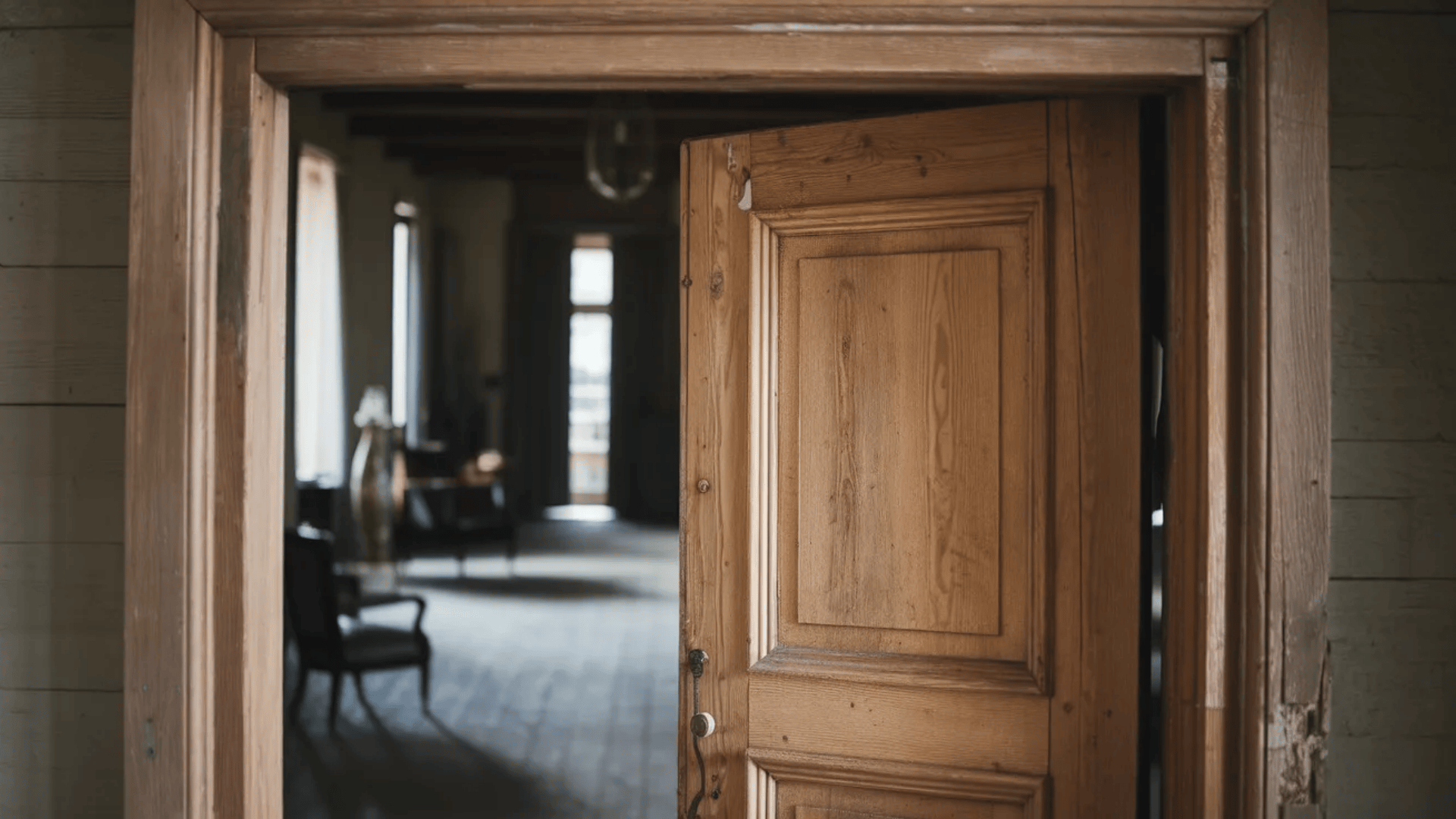
A door frame can last many years, but damage or wear may make repairs necessary. Small problems such as loose screws, minor cracks, or worn weatherstripping are usually easy to fix.
Tightening hardware, filling small gaps, or replacing trim can often restore the frame without major work.
However, some issues may require replacing the entire frame. Severe wood rot, deep cracks, or major warping can weaken the structure and affect how the door closes.
If the frame no longer holds the door securely or causes constant alignment problems, replacement may be the better option.
Exterior door frames often face moisture, temperature changes, and daily use, which can speed up damage over time. Regular inspections help catch early signs of trouble.
Addressing problems quickly can extend the life of the frame and keep the door working smoothly.
Tips to Maintain a Door Frame
Regular care can help your door frame last longer and work better. Simple checks and small fixes can prevent bigger problems over time.
- Keep the frame clean: Wipe dust and dirt regularly to prevent buildup that can affect the surface and finish.
- Check for moisture: Look for signs of water near the bottom or edges, as moisture can cause swelling or rot.
- Tighten screws and hinges: Loose hardware can affect alignment, so make sure everything stays secure.
- Inspect weatherstripping: Replace worn seals to keep out drafts, dust, and moisture.
- Repaint or seal the frame: A fresh coat protects the surface from wear, especially on exterior frames.
- Fix small cracks early: Fill minor gaps or cracks before they grow into larger structural issues.
- Ensure proper alignment: Check if the door closes evenly and adjust hinges if needed.
- Protect from impact: Avoid slamming the door, as repeated force can weaken the frame over time.
Conclusion
Understanding the parts of a door frame makes it much easier to see how a door really works.
What looks like a simple structure is actually made of several pieces that support the door, guide its movement, and help it close securely.
Once you know these components, small issues like sticking doors or loose frames become easier to identify and fix.
If you enjoy DIY projects or basic home maintenance, learning these parts can save time and help you make better repair decisions.
Even simple knowledge about door frames can make everyday home tasks less confusing.
Have you ever repaired or replaced a door frame in your home?
Share your experience, tips, or questions in the comments below. Your insight might help other readers dealing with the same problem.