

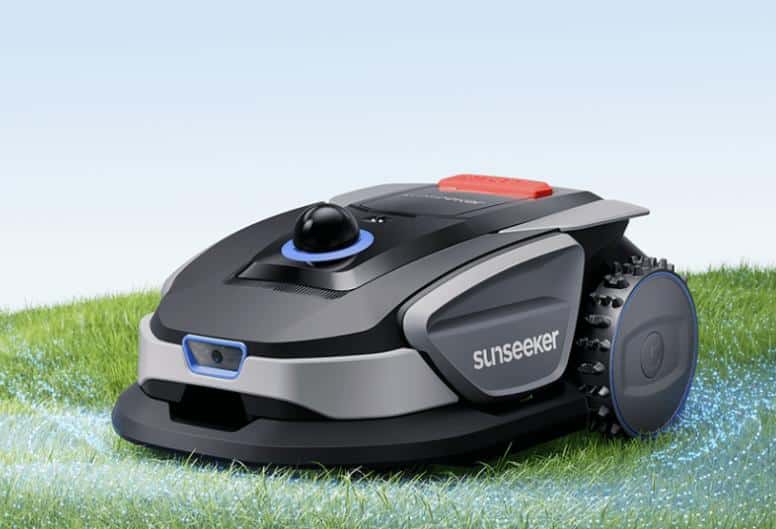
Lawn mowers work hard every season, but they do not last forever. At some point, repair bills, weak performance, or safety concerns start to outweigh the value of keeping an old machine running. Knowing when to replace your lawn mower can save money, protect your lawn, and reduce frustration. Many homeowners keep outdated mowers for too long, chasing small fixes that never solve the real problem. By watching for a few clear signs and comparing repair costs to the price of a new mower, you can decide with confidence and choose the right time to upgrade your equipment.
How Do You Know It’s Time to Replace Your Lawn Mower?
Frequent Breakdowns and Expensive Repairs
Repeated breakdowns usually signal that your lawn mower is nearing the end of its useful life. If you visit the repair shop several times each season, the machine is costing more than it’s worth. Major issues like engine failure, a damaged crankshaft, or a worn transmission quickly add up. When a single repair quote gets close to half the cost of a new mower, replacement often makes more sense. Many repair technicians use this 50 percent rule as a guideline. Constant downtime also disrupts your mowing schedule and can damage the lawn. A reliable mower should start easily and run through the job without constant fixes.
Loss of Performance and Cutting Quality
Declining performance offers another strong hint that you may need a new lawn mower. If the mower struggles to cut through grass it once handled easily, the engine may be losing power. You might notice uneven cutting, missed patches, or a ragged lawn even after sharpening or replacing the blade. Poor cutting quality can stress the grass and lead to brown tips or weak growth. Adjusting cutting height and cleaning the deck should improve results on a healthy mower. If these simple steps no longer help, worn internal parts or a tired engine are likely to blame. When performance issues persist despite regular maintenance, replacement becomes a practical choice.
Excessive Smoke, Noise, or Starting Problems
Heavy smoke from the exhaust, loud knocking noises, and ongoing starting problems can point to serious mechanical trouble. Blue smoke may mean the mower burns oil, while black smoke can indicate fuel or carburetor issues that are costly to fix. Grinding or clattering sounds often come from worn bearings or internal damage. If you pull the starter cord repeatedly or the electric start fails often, the ignition or engine may be failing. Replacing starters, coils, and carburetors on an old mower can quickly exceed its value. When simple fixes like fresh fuel, a new spark plug, or an air filter do not solve these issues, it’s time to think about retiring the mower.
Should You Repair or Replace Your Lawn Mower?
Comparing Repair Costs vs. Replacement Costs
The first step in deciding between repair and replacement is to compare costs. Ask for a detailed repair estimate and check the price of a similar new mower from trusted brands. Many experts suggest replacing the mower when repair costs are more than 50 percent of the price of a new machine. Also consider how often you have paid for repairs over the last couple of seasons. Add those past costs to the new estimate to get a full picture. A new mower usually comes with a warranty, which can offset its higher upfront price. When long-term repair spending matches or exceeds replacement cost, upgrading usually delivers better value.
Considering the Age and Lifespan of Your Lawn Mower
Lawn mowers have a typical lifespan, even with good care. Many walk‑behind gas mowers last around 8 to 10 years, while riding mowers can run 10 to 15 years, depending on hours used and maintenance. If your mower is near or beyond this range, large repairs make less sense. Parts for older models may be harder to find, and technology improves over time. Newer mowers often offer better fuel efficiency, easier starting, and improved handling. Check your owner’s manual or manufacturer’s website for expected service life. When age, heavy use, and mounting repairs line up, replacing the mower can reduce headaches and deliver a more dependable machine.
Evaluating Safety Risks and Outdated Features
Older lawn mowers may lack important safety features found on modern models. Newer machines often include blade‑brake controls, automatic shutoff, better shields, and improved handle designs. If your mower does not stop the blade quickly when you release the handle, that’s a safety concern. Worn cables, loose handles, cracked decks, or damaged guards can also increase the risk of injury. While some issues can be fixed, repeated safety problems signal it’s time to move on. An upgrade can also offer features that protect both you and your lawn, such as improved traction, better bagging, and more stable cutting decks. Safety should always weigh heavily in your repair‑or‑replace decision.
What Factors Should You Consider Before Buying a New Lawn Mower?
Before investing in a new lawn mower, think about your yard size, terrain, and how often you mow. Small, flat lawns may only need a basic push mower, while larger or hilly properties might benefit from self‑propelled or riding models. Decide whether you want gas, corded electric, or battery power, and compare noise levels, maintenance demands, and runtime. Look for convenient features such as electric start, adjustable handle height, easy deck height controls, and mulching or bagging options. Check warranty length and the availability of local service centers or authorized dealers. Reading customer reviews can reveal common issues and strengths. By matching the mower to your yard and preferences, you get better performance and a longer‑lasting machine.
Conclusion
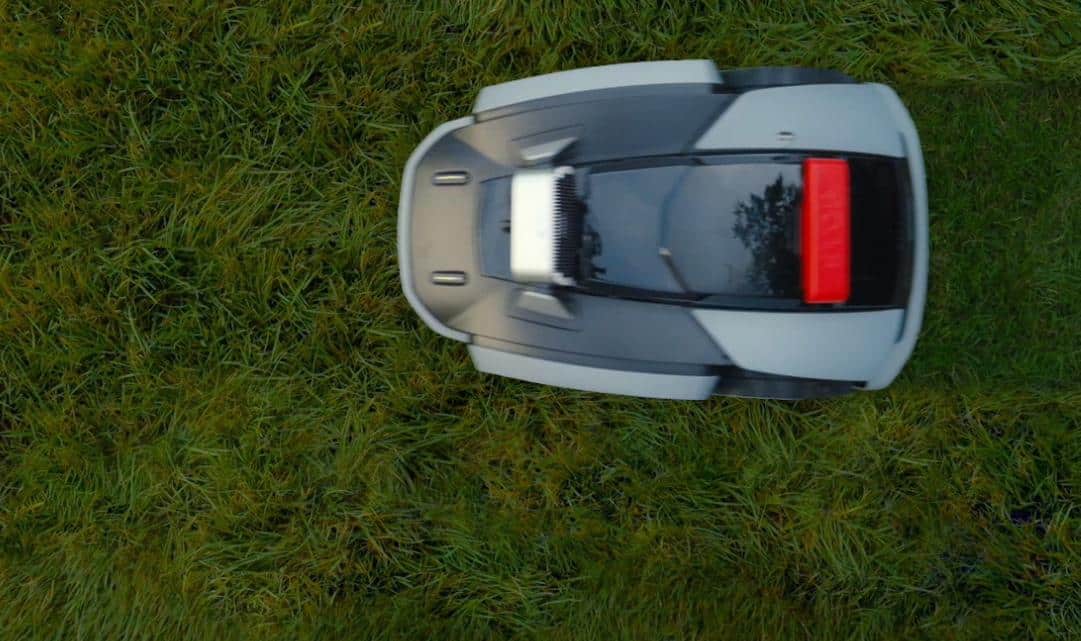
Knowing when to replace your lawn mower comes down to cost, performance, safety, and age. Frequent breakdowns, poor cutting quality, and ongoing starting or smoke issues suggest that repairs may no longer be worthwhile. Comparing repair estimates to the price of a new mower, and considering the mower’s lifespan, helps you make a smart financial decision. Modern Sunseeker mowers offer improved safety features and better efficiency, which can make mowing easier and safer. When you’re ready to buy, evaluate your yard’s needs and your budget. The right upgrade can deliver a cleaner cut, fewer hassles, and more reliable lawn care.