

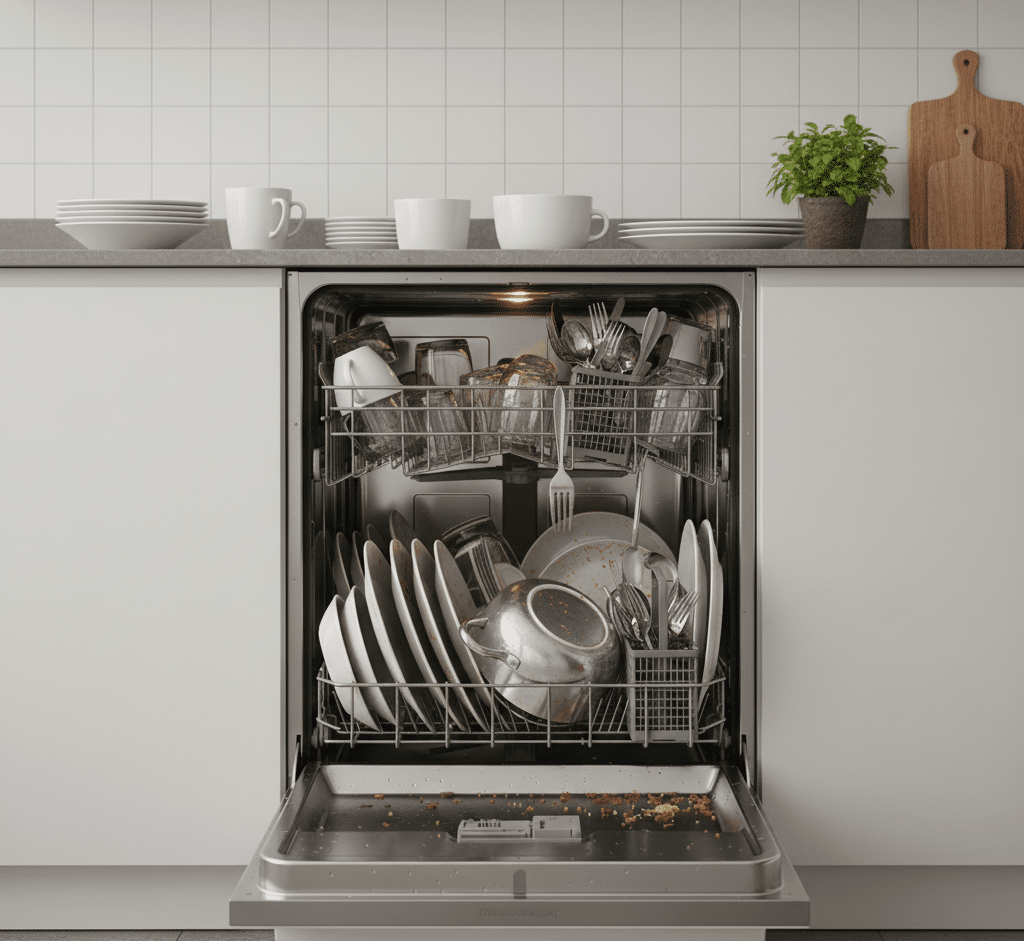
In most modern homes, the dishwasher is one of those appliances you don’t think about—until it stops doing what it’s meant to do. It quietly takes care of stacks of plates, cutlery, and cookware, saving hours of hands‑on washing every week. So when you open the door at the end of a cycle and find a pool of murky water sitting at the bottom, it’s understandably frustrating.
A dishwasher not draining properly isn’t just inconvenient. Left unresolved, standing water can lead to unpleasant smells, poor cleaning results, and even potential water damage around your kitchen. The good news? Many drainage issues are common, manageable, and preventable with the right approach.
This guide breaks down why a dishwasher may stop draining, what you can do to address the problem quickly, and how to keep things flowing smoothly long‑term. Whether you’re dealing with a one‑off blockage or recurring drainage trouble, understanding the cause is the first step toward a reliable fix.
1. Understanding Why Your Dishwasher Isn’t Draining
Before jumping into solutions, it helps to understand how a dishwasher removes water in the first place. During a wash cycle, water is sprayed around the interior, collecting food particles and detergent residue. At the end of the cycle, a pump pushes that dirty water through a filter, out via the drain hose, and into your home’s drainage system.
When something interrupts this process, water can’t exit the machine efficiently. If you notice puddling at the base of the unit, slow drainage, or dishes coming out less than clean, it’s often a sign of a dishwasher not draining as it should.
Recognising these early warning signs makes it easier to act before a minor issue turns into a more costly repair. Regular checks and light maintenance can go a long way toward keeping your dishwasher working exactly as intended.
2. Common Causes Behind Dishwasher Drainage Issues
Dishwasher drainage problems usually stem from a handful of familiar culprits. Identifying which one applies to your situation helps narrow down the most effective solution.
One of the most frequent causes is a clogged filter or drain. Food scraps, grease, and debris can gradually build up, restricting water flow and preventing proper drainage. Even with pre‑rinsing, small particles can still find their way into the system over time.
Another common issue lies with the drain pump. This component is responsible for pushing wastewater out of the appliance. If the pump becomes worn, jammed, or faulty, it may struggle to move water efficiently, leading to pooling inside the dishwasher.
Drain hoses also deserve attention. These flexible hoses can become kinked, crushed, or blocked behind cabinets or under sinks. Even a slight bend can restrict water flow enough to cause drainage issues.
Finally, some dishwashers include an air gap designed to prevent dirty water from flowing back into the machine. If this small fixture becomes blocked, it can disrupt drainage and cause water to back up unexpectedly.
3. Quick Fixes to Remediate Common Drainage Problems
If your dishwasher isn’t draining, there are a few straightforward checks you can do before calling in professional help. Many issues can be resolved with simple cleaning and adjustments.
Start with the filter. Located at the bottom of the dishwasher, this removable part catches food debris before it reaches the drain. Rinse it thoroughly under warm water and gently scrub away grease or buildup. Regular filter cleaning alone can often restore normal drainage.
Next, inspect the drain hose and air gap. Look for visible kinks, blockages, or buildup. Straightening a hose or clearing debris from the air gap may be all it takes to get water flowing again.
Some dishwashers also allow for a pump reset. Turning off the appliance at the power source for a few minutes before restarting it can sometimes reset internal components and resolve minor pump issues.
For light blockages, a natural cleaning method can help. Pouring a mixture of baking soda followed by vinegar into the drain area can loosen grease and residue. After letting it sit briefly, run a short rinse cycle to flush the system. This is a simple way to fix draining problems caused by minor buildup.
4. Know When to Seek Professional Assistance
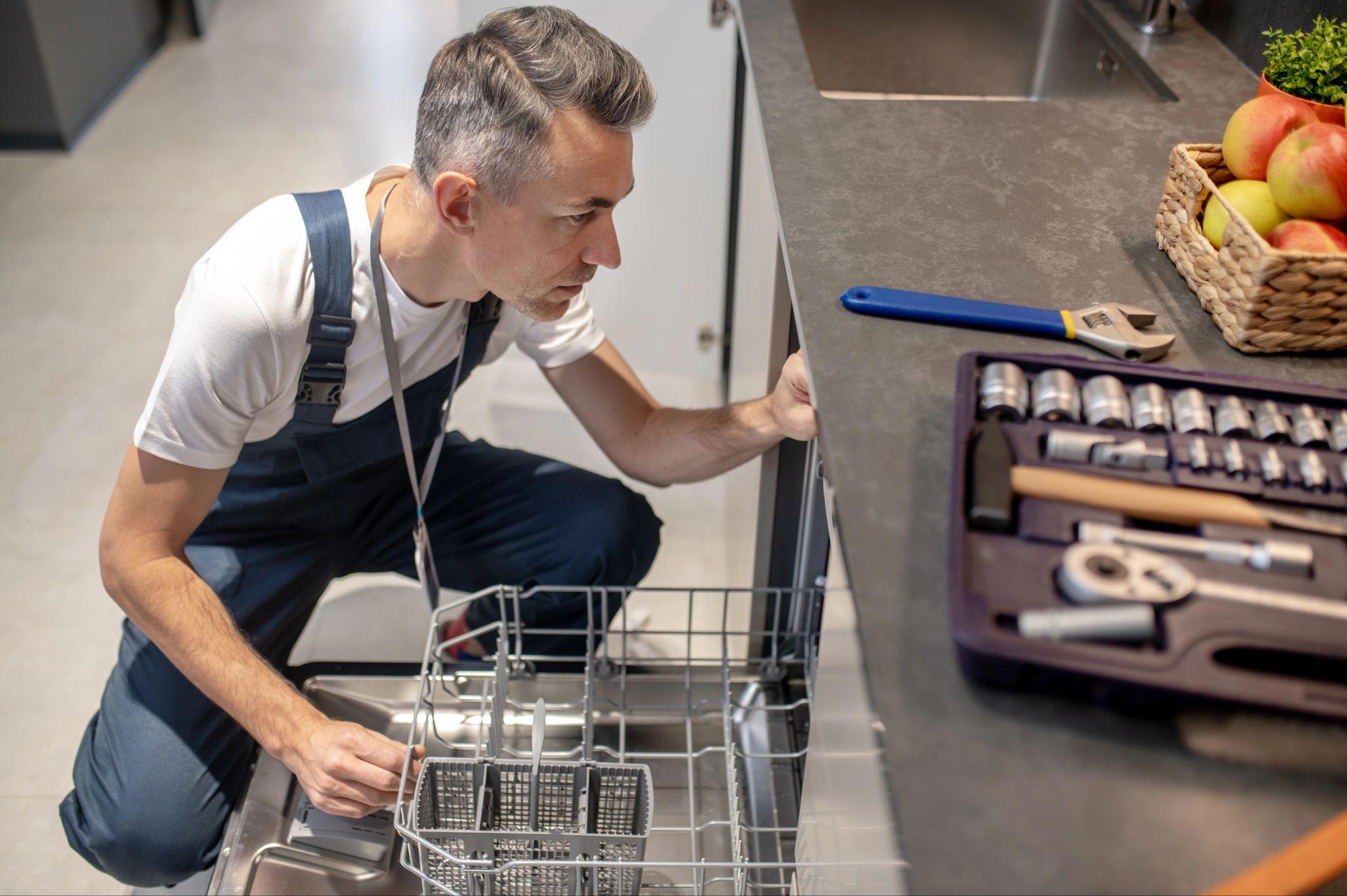
While many drainage issues are DIY‑friendly, there are times when professional assistance is the safer and smarter option. Persistent drainage problems, electrical faults, or pump failures can be complex and risky to address without experience.
If you’ve cleaned the filter, checked the hose, and reset the appliance with no improvement, it may indicate a deeper mechanical issue. Attempting repairs without proper knowledge can sometimes cause more harm than good.
A qualified technician can diagnose the problem accurately and ensure repairs are completed safely. Beyond fixing the immediate issue, professionals often spot early signs of wear or hidden faults, helping prevent future breakdowns and extending the life of your dishwasher.
5. Preventative Maintenance for Smooth, Reliable Draining
Preventing drainage issues is often easier than dealing with them after the fact. A few simple habits can help keep your dishwasher running efficiently year after year.
Proper loading is key. Overcrowding dishes or placing large items incorrectly can block spray arms and restrict water movement. This not only affects cleaning performance but can also interfere with drainage.
Routine cleaning should be part of your kitchen maintenance schedule. Regularly check the filter, wipe down seals, and inspect hoses for early signs of trouble. These quick checks can prevent small issues from escalating.
Your choice of detergent also matters. Low‑quality or excessive detergent can leave residue behind, gradually contributing to clogs. Using dishwasher‑specific, high‑quality products helps maintain a cleaner internal system and better overall performance.
Keeping Your Dishwasher Running at Its Best
A dishwasher that drains properly makes everyday kitchen life easier, cleaner, and more efficient. By understanding why drainage problems occur, knowing how to address minor issues, and taking preventative steps, you can avoid unnecessary stress and costly repairs.
If drainage problems persist or feel beyond your comfort level, seeking professional support ensures the issue is handled correctly and safely. With regular care and timely action, your dishwasher can continue doing what it does best—quietly supporting your home and saving you time, day after day.
For more practical home improvement tips and appliance care advice, explore our latest guides and keep your home running smoothly with confidence.