

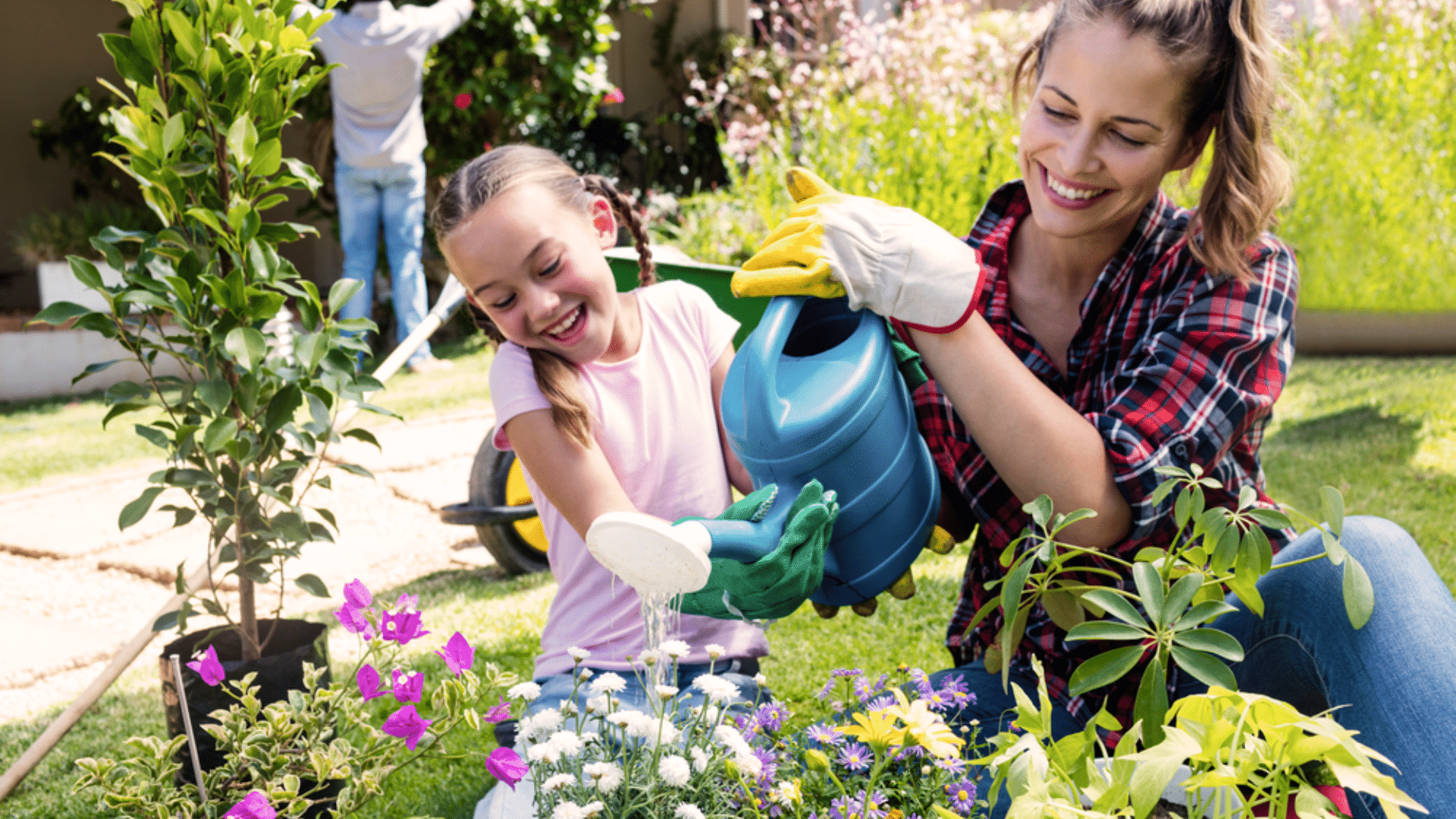
I’ve always wondered if there’s a best time to water the garden, and maybe you have too.
Some days I’d water whenever I remembered, only to see plants dry out or stay soggy. Once I figured out how much timing affects growth, things finally made sense.
It’s easier than it seems, and it can save you time, water, and stress.
In this guide, I’ll share what I’ve learned about the right time of day to water, how seasons change your routine, and why night watering can cause problems.
You’ll also learn what signs to look for when plants need more or less water, plus simple ways to make watering easier.
By the end, you’ll have clear steps that help your garden stay healthy without guessing.
Best Time to Water the Garden for Healthy Growth
Early morning is the best time to water the garden because plants can take in moisture before the day warms up.
This helps the roots grow deeper and stronger. When you water early, the soil has time to absorb the water, so less is lost to heat or wind.
It also keeps plants from sitting in damp conditions for too long. Midday watering leads to quick evaporation, and late watering can cause slow drying that may lead to leaf problems.
Morning watering gives plants a steady start and lowers stress during hot hours.
You also use water more efficiently because it goes straight to the roots instead of drying on the surface. With a simple morning routine, you give your garden the support it needs to grow well without extra work.
Best Watering Times for Each Season
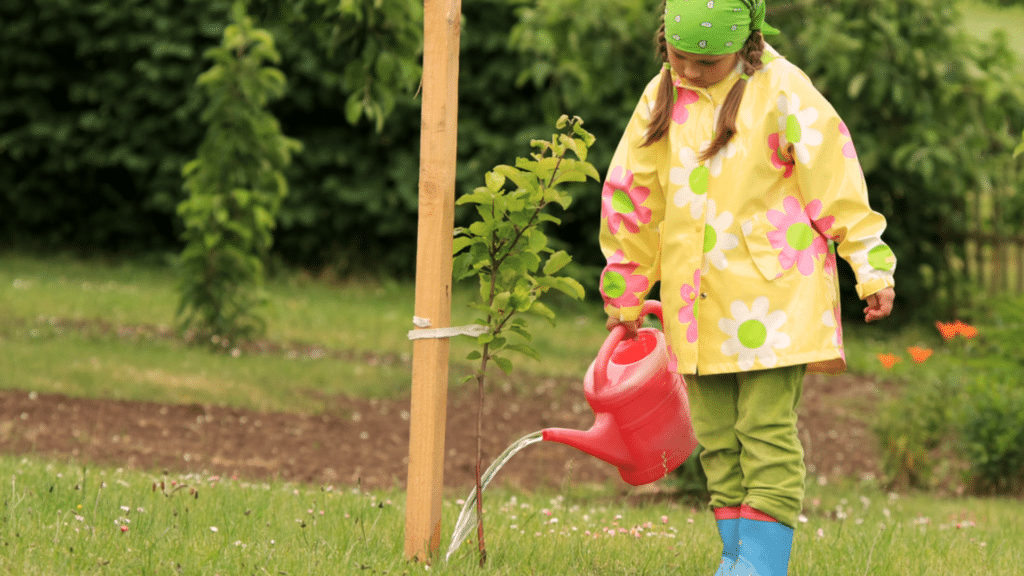
Different seasons change how fast soil dries and how much water plants use. These simple guidelines help you adjust your routine with the weather.
1. Spring Watering Tips
Spring brings cooler mornings and mild sun, so watering early in the day works best.
Plants wake up from winter and start growing again, which means they need steady moisture to build strong roots. The soil also holds water longer, so you may not need to water every day.
Spring rain often fills in the gaps, making it helpful to check the soil before adding more.
With a simple morning routine, you set a solid base for the warmer months ahead.
2. Summer Watering Tips
Summer heat makes water evaporate fast, so morning watering becomes even more important.
Plants lose moisture quickly, and dry soil can cause wilting or slow growth. You may need to water more often during long hot spells or when the soil feels dry an inch below the surface.
Mulch can help hold water and protect roots from extreme heat.
Daily checks help you stay ahead of sudden changes. Adjusting your schedule in summer keeps your garden steady through the hottest days.
3. Fall Watering Tips
Fall temperatures drop, giving the soil more time to stay moist. Early morning is still the best time to water, but you’ll likely use less water than in summer.
Plants slow their growth, so they need moisture at a gentler pace. Fall rain often reduces your work, so check the soil first before watering.
Keeping moisture balanced helps plants stay strong before winter arrives.
Good fall watering also prepares roots for the colder months, supporting healthier growth when spring returns.
4. Winter Watering Tips
Winter watering depends on your climate. In colder areas, frozen soil makes it hard for plants to absorb water, so water only on warmer days when the ground softens.
In mild regions, early morning watering still works because cooler air reduces stress.
Plants grow slowly in winter, which means they need less water than usual. Always check the soil because winter dryness can be easy to miss.
Light, occasional watering keeps roots from drying out without soaking the soil.
Is It Bad to Water Plants at Night?
Watering plants at night is usually not a good idea because the leaves and soil stay wet for too long.
This slow drying can lead to mildew, fungus, and other problems that weaken plants over time. Without sunlight, moisture sits on the surface, creating conditions where disease can grow.
Night watering also makes it harder to see how much water you’re using, which can lead to soaked soil.
Still, there are rare times when night watering is acceptable.
During extreme heat, when mornings are too hot or dry, giving plants a small amount of water in the evening can help them recover.
Make sure to water the soil directly and avoid wetting the leaves.
This reduces the chance of moisture sitting overnight. With mindful timing, you can protect your plants and keep your garden healthy.
Factors that Determine How Often to Water Your Garden
Many parts of your garden work together to decide how much water your plants need. Understanding these factors helps you set a routine that fits your space.
1. Soil Type
Soil controls how much water reaches the roots and how long that water lasts.
Sandy soil dries out quickly and needs frequent watering because it doesn’t hold moisture well.
Clay soil keeps water for a long time but can become heavy and compact, making roots sit in wet conditions if you water too often.
Loam gives plants the most balance because it drains well but still holds steady moisture.
When you know your soil type, you can plan a schedule that prevents stress, reduces waste, and supports steady growth.
2. Plant Type
Each plant has its own watering needs based on how it grows. Plants with shallow roots dry out fast and need light, regular watering.
Deep-rooted plants can reach lower moisture levels and usually do well with fewer but deeper watering sessions.
Young seedlings need close attention because their roots are small and dry quickly, while established plants can handle longer gaps.
Some plants, like succulents or herbs, naturally need less water.
Grouping similar plants together helps you water more efficiently and keeps each plant on a routine that fits its needs.
3. Weather Conditions
Weather plays a major role in how often your garden needs water. Hot and dry days pull moisture from the soil quickly, meaning you may need to water more often during heat waves.
Cooler or cloudy days slow evaporation, and plants won’t need as much.
Wind can dry soil even faster than heat, especially around containers or raised beds. Rain helps, but light rain may only wet the surface.
Checking soil depth after weather changes helps you set a routine that fits the current conditions instead of guessing.
4. Sun Exposure
Sun exposure changes how fast soil dries and how quickly plants use water. Full-sun areas warm up faster and lose moisture throughout the day, so these spots may need more frequent watering.
Shaded areas stay cool longer, and the soil holds water for more time.
Plants in partial sun fall in between and may need a balanced routine. Noticing which parts of your garden heat up or stay cool helps you adjust watering for each zone.
This keeps plants healthy and prevents overwatering in shady corners.
5. Drainage Quality
Drainage affects how water moves through the soil and how well roots can breathe.
Good drainage lets water pass through evenly so plants get enough moisture without sitting in soaked conditions. Poor drainage may leave puddles or slow-moving moisture, which can lead to root rot or weak growth.
You can improve drainage by loosening soil, adding compost, or using raised beds.
Testing your soil by watching how fast water sinks after you pour some helps you understand your garden’s needs and plan a routine that keeps roots healthy.
6. Garden Size
Garden size shapes how much water your space needs and how you manage it. Larger gardens may have different soil types, sun levels, and plant groups that each need their own routine.
Some areas may dry quickly, while others stay moist longer.
Smaller gardens are easier to track because conditions stay more even.
When you look at your layout and locate each plant group, you can set up a watering plan that fits the size of your garden and avoids wasted time and effort.
Signs of Overwatering and Underwatering Plants
These signs help you understand how your plants respond to your routine. You can use them to adjust before bigger problems develop.
- Yellowing leaves that fall off easily
- Drooping or limp leaves even when the soil feels wet
- Mushy or dark roots that may point to root rot
- Soil that stays soggy long after watering
- Slow or weak growth with soft stems
- Dry, brittle leaves that curl at the edges
- Soil pulling away from the sides of the pot or bed
- Crispy leaf tips or brown spots from lack of moisture
- Wilting that improves quickly after watering
- Stunted growth or fewer new leaves than expected
The Best Time to Water Houseplants
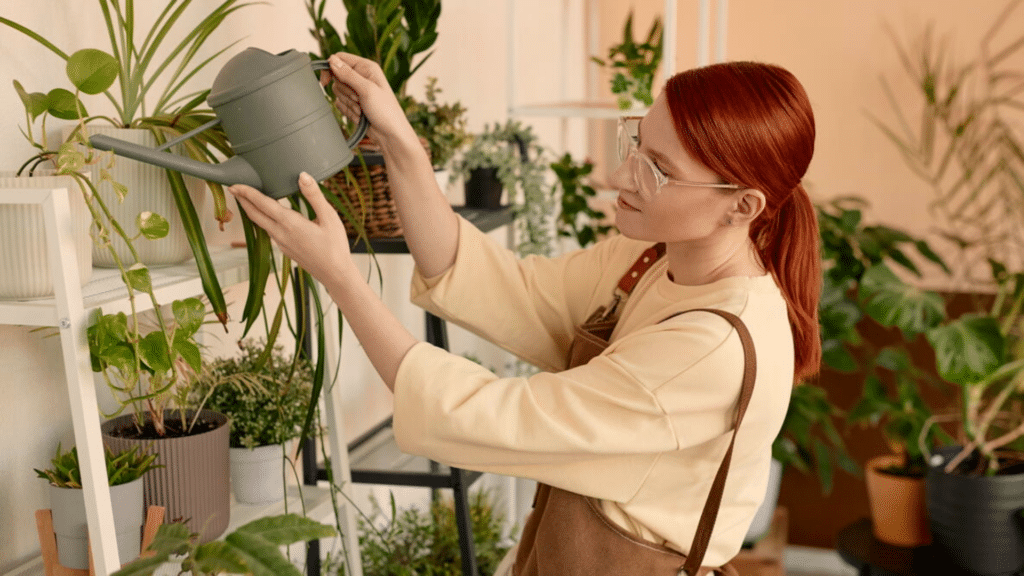
The best time to water houseplants is in the early morning because the soil can take in moisture before indoor temperatures rise.
This helps plants grow steadily and prevents damp soil from sitting too long. Indoor lighting also affects how fast the soil dries.
Plants near bright windows may need more frequent checks, while plants in low light use water slowly.
Avoid watering late in the evening because the soil stays wet longer, which can lead to fungus or weak roots. Always check the top inch of soil before adding water.
If it feels dry, it’s a good time to water. If it’s still damp, wait a little longer.
This simple routine keeps houseplants healthy and reduces common moisture problems.
How to Make Watering Your Garden Easier?
These ideas help reduce daily effort and keep your plants hydrated without constant checking. You can mix and match them based on your garden’s needs.
- Install a drip irrigation system for steady, low-waste watering
- Use a timer to keep your schedule consistent
- Add mulch to slow evaporation and keep soil moist longer
- Improve the soil with compost so it holds water better
- Group plants with similar watering needs
- Use watering globes or self-watering stakes for busy days
- Choose drought-tolerant plants for low-maintenance areas
- Water deeply but less often to support strong roots
- Keep tools like hoses and sprinklers easy to reach
- Check soil moisture with your finger to avoid unnecessary watering
Watering Tips if You Miss the Best Time to Water the Garden
If you miss the best time to water the garden, you can still support your plants with a few simple steps. Water in the late afternoon or early evening when the sun is lower, and the soil can absorb moisture more easily.
Avoid watering during the hottest hours since the water will evaporate before it reaches the roots.
Aim the water at the soil, not the leaves, to prevent moisture from sitting on the surface.
Give plants a slow, deep watering to help them recover from heat or dryness. If the soil feels very hot, wait a short while before you begin.
Adding mulch can help hold moisture until you return to your normal routine.
Take a few minutes to check your plants in the evening. This helps you notice early signs of stress and plan better for the next day.
Conclusion
Watering your garden at the right time makes plant care easier and leads to steadier growth.
When you water in the morning, adjust for each season, and watch for signs of stress, you give your plants what they need without extra work.
Small changes, like checking soil, improving drainage, or using simple tools, can make a big difference in how healthy your garden looks. As you build a routine that fits your space, you’ll start to see what works best for your plants.
I hope this guide gives you clear steps you can use right away.
I’d love to hear from you. What watering habits have helped your garden the most? Share your experience in the comments below.