

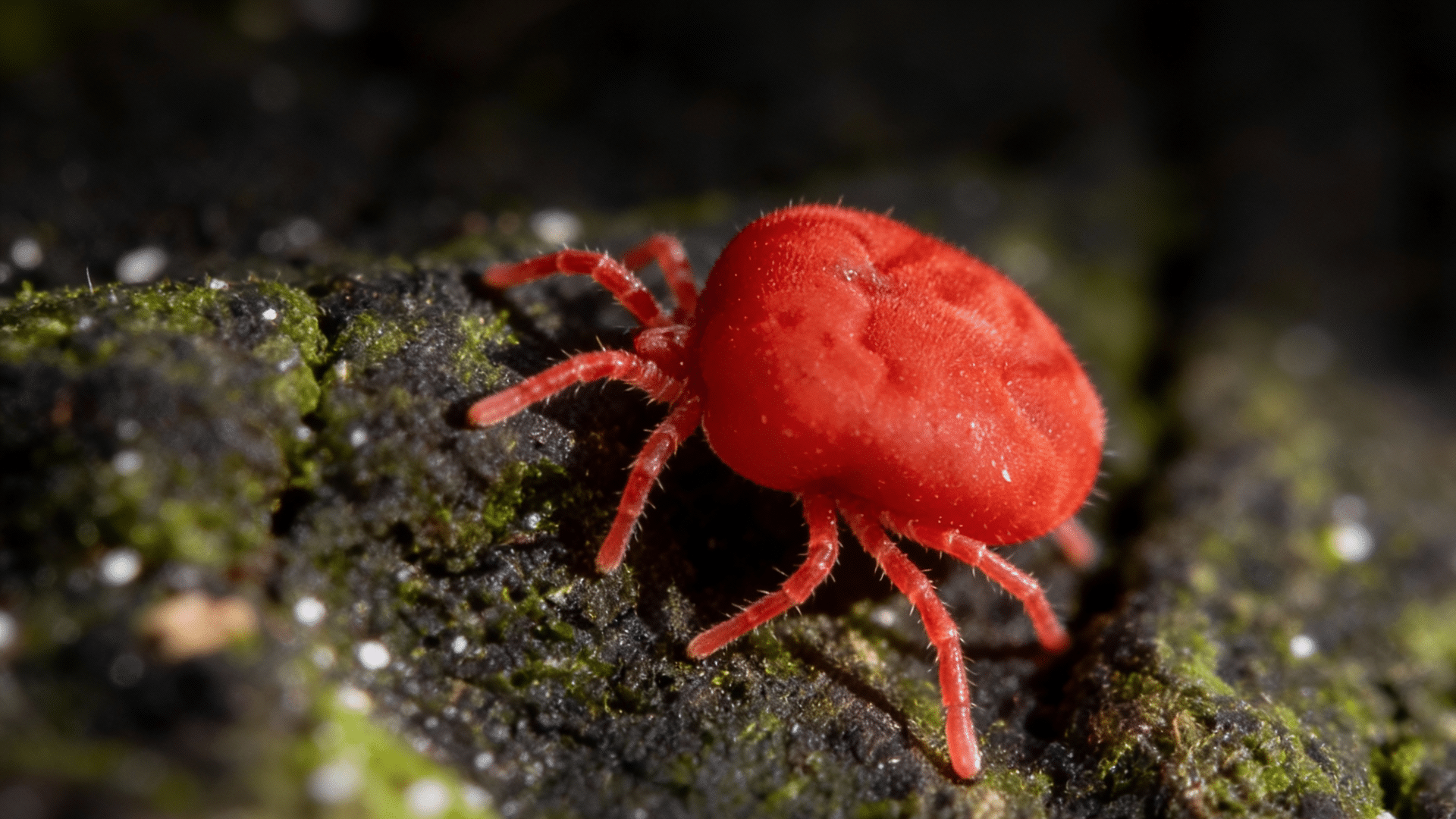
Chiggers are tiny pests that can make spending time outdoors very uncomfortable. Their bites often lead to red bumps and strong itching that can last for days.
Many people first notice a problem after working in the yard or walking through tall grass. Over time, chiggers can become a repeat issue if the yard gives them the right place to live.
This blog focuses on clear and helpful ways to deal with that problem. It explains what homeowners should know before starting treatment.
With the right steps, a yard can become safer and more enjoyable again.
Where Chiggers Live in Yard Areas
Chiggers are tiny mites that live outdoors. They are often found in grassy areas, weeds, and damp soil.
Most people do not see them, but they notice the itchy bites they leave behind. Chiggers in yard areas are common during warm months, especially late spring through early fall.
Chiggers do not jump or fly. They crawl onto skin when someone brushes against grass or plants. Once they attach, they feed for a short time and then fall off. The itching often starts hours later, which makes the source hard to identify.
Knowing how chiggers live helps with control. They prefer shade, moisture, and places with thick ground cover. A yard that stays overgrown or damp can quickly turn into a safe place for them.
Signs You Have Chiggers in Your Yard
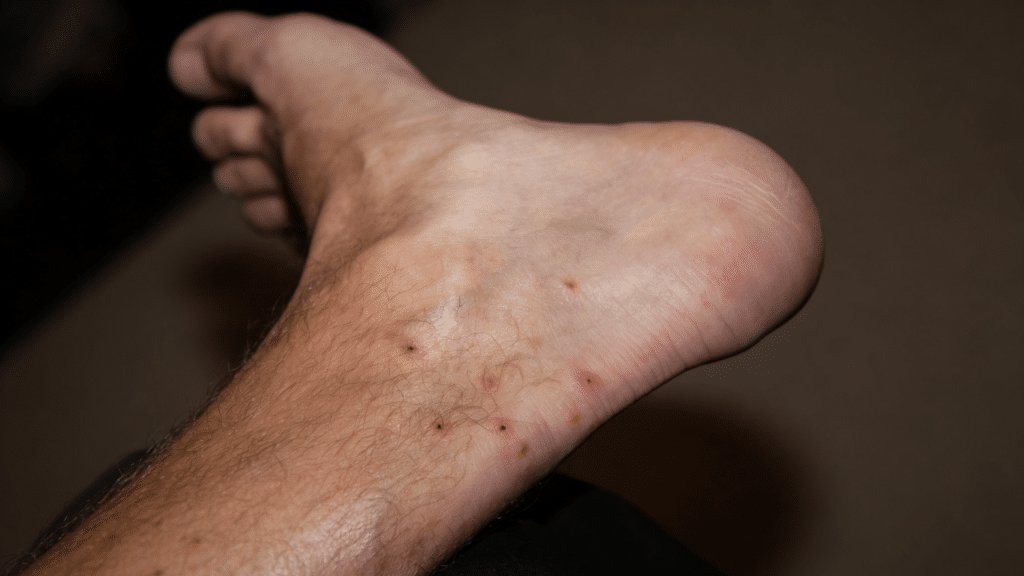
Many homeowners first suspect chiggers after dealing with itchy bites. The bites often appear around ankles, waistlines, behind knees, or where clothing fits tightly.
Common signs include:
- Red bumps that itch strongly
- Bites showing up after yard work
- Itching that lasts several days
- Bites in clusters or lines
If bites keep coming back after outdoor time, chiggers in yard spaces may be the cause. Pets can also bring chiggers closer to living areas, even if they do not show symptoms.
Why Chiggers Thrive in Yards
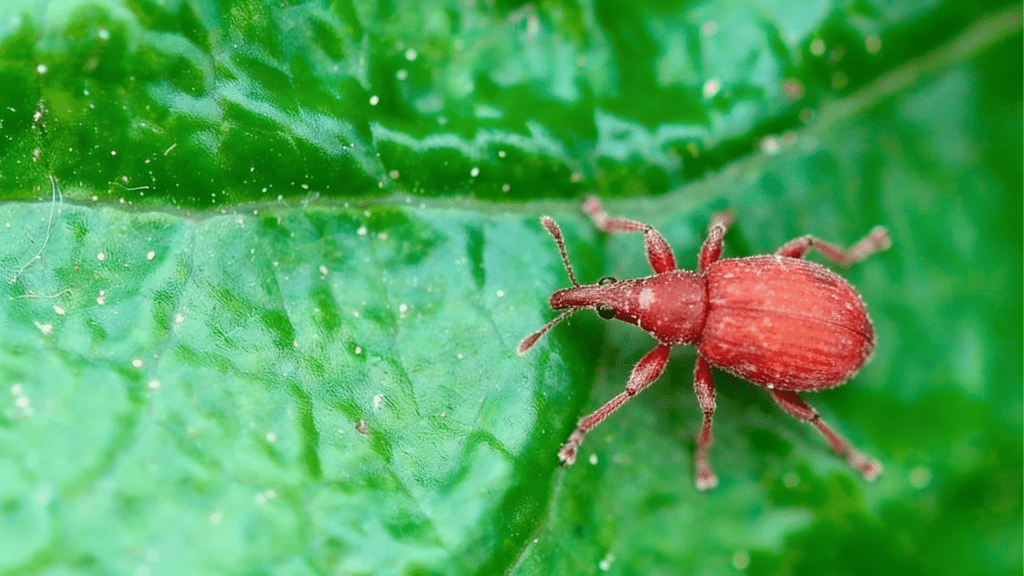
Chiggers survive best in yards that give them food and shelter. Tall grass, weeds, and leaf piles help hold moisture. This creates a cool place where chiggers can live and reproduce.
Yards with poor drainage also attract them. Water that sits in the soil keeps the ground damp. Shaded areas under trees or bushes can become chigger hotspots.
Chiggers are most active in warm weather. Their peak season usually runs from late spring to early fall. Hot and humid days are ideal for them.
Wild animals play a role, too. Rodents, birds, and deer carry chiggers across yards. Once dropped, the mites settle into the soil and grass.
How to Prepare Your Yard for Chigger Treatment
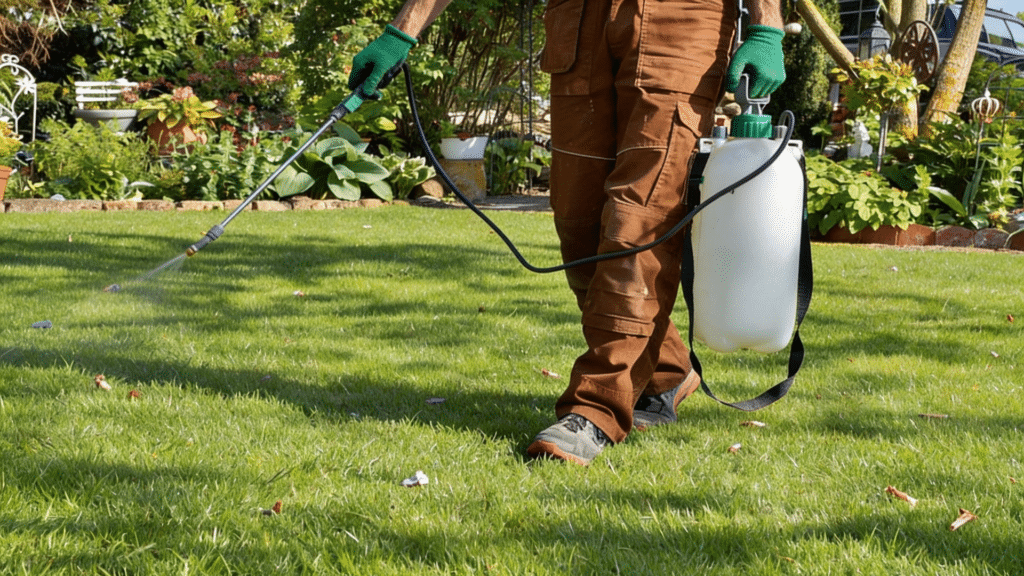
Getting the yard ready is an important step before using any treatment. Proper preparation helps reduce chiggers faster and improves long-term results.
Yard Inspection Before Treatment
Start by walking through the yard slowly and carefully. Look for tall grass, weeds, shaded areas, and places that stay damp.
Pay close attention to edges near fences, trees, and garden beds. These spots often hold the most chiggers. Knowing where the problem areas are helps focus treatment where it is needed most.
Mowing and Lawn Care to Reduce Chiggers
Cut grass regularly to keep it short and even. Short grass allows more sunlight to reach the soil, which helps dry out areas where chiggers live.
Trim weeds along fences, paths, and yard borders. Bag grass clippings instead of leaving them behind, as piles can hold moisture and shelter chiggers.
Removing Yard Debris and Ground Cover
Clear away fallen leaves, sticks, and old mulch from the yard. Remove brush piles and thin out heavy ground cover near the home.
Yard debris traps moisture and creates cool hiding spots for chiggers. Keeping the ground clean and open makes the yard less inviting to them.
Improving Yard Drainage
Check for low spots where water collects after rain. Fill these areas with soil to help water drain away.
Make sure downspouts move water away from grassy areas. Avoid watering the lawn too often. Drier soil helps reduce chiggers and supports healthier grass.
Using Insecticides for Chigger Control
Insecticides can help when chigger numbers are high. Choose products made for outdoor use and labeled for chiggers.
Apply them to grass, soil, and shaded areas where chiggers are active. Follow all label instructions and allow treated areas to dry before letting people or pets return.
Natural Ways to Get Rid of Chiggers in Yard Areas
Many homeowners prefer natural methods. These can work well when combined with good yard care.
- Diatomaceous Earth: Food-grade diatomaceous earth can help dry out chiggers. Sprinkle lightly in problem areas. Avoid breathing the dust and keep it dry.
- Sulfur Powder: Sulfur is known to repel chiggers. It can be applied to soil and grass. Some people dislike the smell, but it can be effective.
- Neem Oil Sprays: Neem oil affects insects and mites. When mixed with water and sprayed, it can help reduce chiggers in yard spaces. Reapply after rain.
Managing Pets and Wildlife to Control Chiggers
Wild animals and pets can both help spread chiggers around the yard and closer to the home. Limiting their contact with problem areas can reduce the number of chiggers over time.
Animals such as rodents, birds, and deer often carry chiggers into yards. Sealing gaps under sheds and decks helps keep animals from nesting close to the home.
Fencing can limit access to certain areas, and removing food sources makes the yard less inviting. Bird feeders should be placed far from grassy areas to reduce the spread of chiggers in yard spaces.
Pets can also move chiggers from the yard indoors. Keeping pets on regular flea and tick prevention helps protect them.
Bathing pets after extended outdoor play can wash off mites before they spread. Trimming grass in areas where pets rest or run and washing pet bedding often can further lower the risk of chiggers near the home.
When to Call a Professional
In some cases, chigger problems can be complex to control without expert help. A professional may be the best option when:
- Chigger bites keep happening even after yard care and treatment
- Large areas of the yard stay overgrown or hard to treat
- Chiggers return quickly after repeated treatments
- The yard borders woods, fields, or heavy brush
- There is concern about using insecticides safely
- Time or tools are limited for proper yard treatment
A trained professional can find problem areas and apply treatments safely and correctly.
Conclusion
Chigger problems do not disappear on their own. Without action, they can return season after season and limit how the yard is used.
The good news is that control is possible with the right approach. Focusing on lawn care, moisture control, and targeted treatment creates lasting change.
Small adjustments made regularly can lead to fewer bites and less irritation over time. A well-managed yard supports comfort and peace of mind.
Review the steps in this guide and put them into practice to reduce chiggers and make outdoor areas easier to enjoy.