

Modern homeowners desire living spaces that feel both open and defined. They seek environments filled with natural light yet offering distinct areas for different activities. Achieving this balance presents a challenge, especially in properties with limited windows or compartmentalised layouts.
An often overlooked design solution lies not in walls, but in the doors themselves. Integrating glass panels into your interior doorways represents a transformative strategy for enhancing your home’s character and functionality.
These doors act as more than simple barriers. They become sophisticated architectural features that redefine how light and space move through your rooms.
Understanding the Core Advantages
What specific benefits do glass panel doors provide for interior design? Internal glass doors offer several key advantages. They begin with the powerful enhancement of natural light diffusion.
Sunlight can penetrate deeper into your home’s floor plan, illuminating areas that might otherwise remain dim. Furthermore, they create a feeling of transparency and connection between rooms. This design makes even compact interiors feel significantly more spacious and less confined.
Bringing Light to Dark Hallways
One impactful place to install a glass panelled door is in a hallway or corridor entrance. Many hallways are internal spaces with no direct access to windows. This situation can result in a dark, tunnelled effect.
Replacing a solid door leading to a brighter living room or kitchen with one containing glass panels allows borrowed light to flood into the passageway. This simple change instantly transforms a gloomy corridor into a bright, welcoming artery of the home.
Dividing Open Plan Living Areas
Open plan living remains highly popular, but sometimes a degree of separation is needed. Noise reduction, privacy, or simply defining different zones are common reasons. A solid door can feel too heavy and isolating in this context. Installing elegant glass doors between a kitchen and living area provides the perfect solution.
These partitions offer a subtle visual and acoustic buffer while maintaining the visual flow and open atmosphere that make the design so appealing.
Creating Stylish Home Office Partitions
With remote work now commonplace, carving out a functional home office is essential. Yet, completely enclosing a workspace in a small room can feel claustrophobic. A glass panelled door to the office solves this dilemma beautifully. It allows light from the main living area to brighten the workspace.
The design prevents the occupant from feeling completely cut off from household activity. It still provides a psychological boundary that helps maintain focus during work hours.
Enhancing Small Rooms and Ensuites
Small rooms particularly benefit from glass doors. Home ensuites, powder rooms, or walk in closets are prime examples. A fully solid door can make a compact space feel even more boxed in and dark.
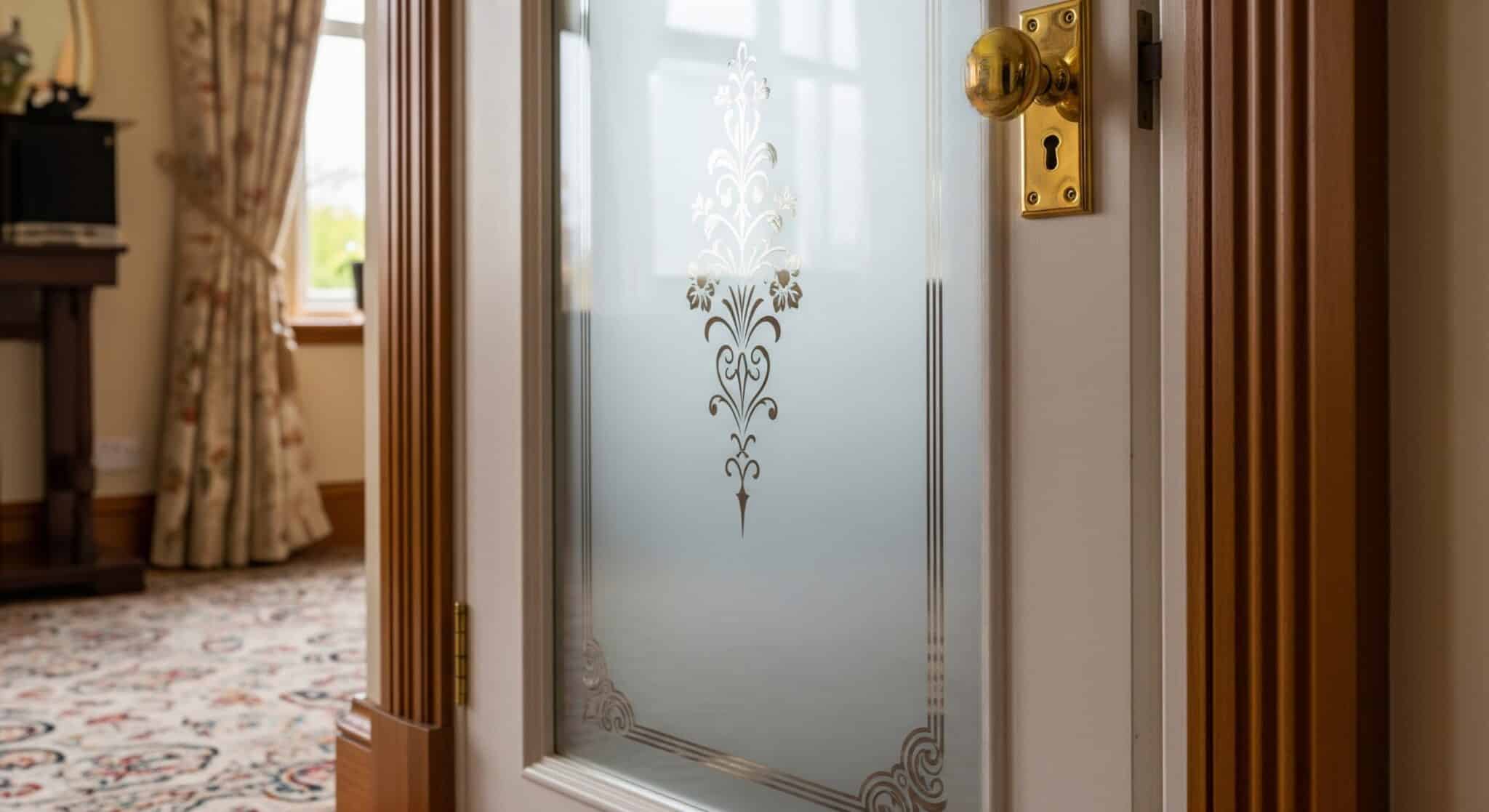
Choosing a door with a frosted or textured glass panel introduces borrowed light and a sense of airiness. This application occurs without compromising on privacy. It proves the benefits extend well beyond living areas to improve comfort in the most private home spaces.
Choosing Glass for Style and Privacy
Modern internal doors offer an extensive range of glass options to suit every need. For maximum light transmission and a contemporary look, clear, minimal framed designs are ideal.
Where privacy is a priority, attractive options like frosted or reeded glass obscure the view while softly diffusing light. Decorative leaded or stained glass can introduce a beautiful, personalised focal point. This is especially effective in period properties or eclectic interiors.
Selecting a Complementary Door Frame
The material and finish of the door frame are crucial for the overall aesthetic. Sleek, painted timber frames in white or black offer classic versatility. For a more rustic or Scandinavian feel, natural wood frames in oak or ash bring warmth.
Contemporary aluminium frames provide an ultra slim, modern profile that maximises the glass area. The frame should harmonise with your existing interior trim to ensure a cohesive look.
Achieving the Desired Atmosphere
Ultimately, incorporating glass into your interior doors is a design decision that prioritises light, connection, and spatial perception. These doors break down visual barriers. They invite brightness into every corner of your home. The effect makes your property feel more expansive and thoughtfully designed.
By understanding where and how to use them, you can harness their unique properties. The goal is to create a lighter, brighter, and more beautifully connected home for your family.