

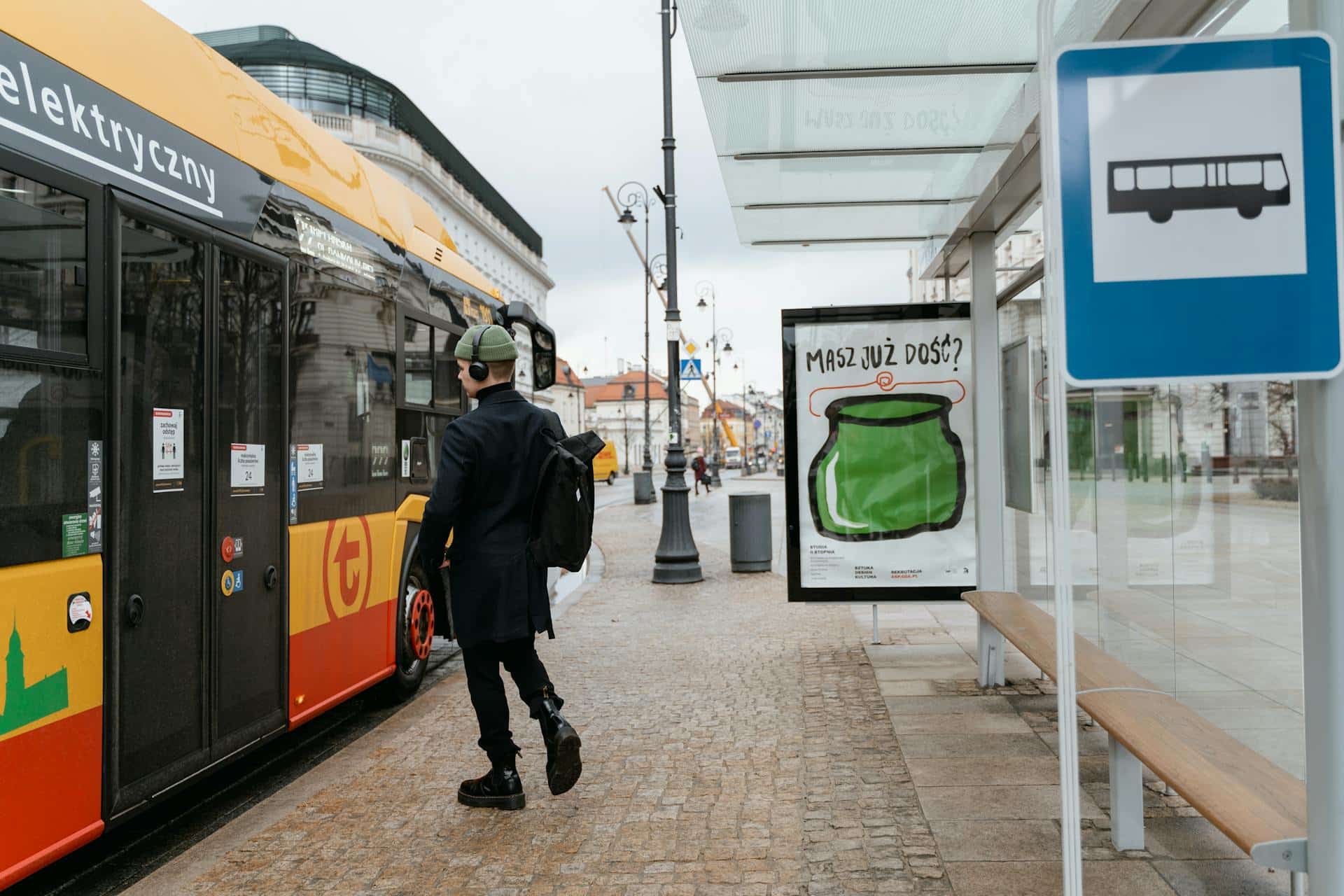
Ever noticed how city furniture is getting smarter? The humble bus shelter isn’t so humble anymore. These days, urban designers are creating structures that do triple duty – they give you a place to sit, protect you from the weather, and even power up your devices. It’s pretty amazing when you think about it.
The Evolution of Street Furniture
Picture this: you’re waiting for the bus on a scorching summer day. Your phone’s dying, you’re melting in the heat, and that old concrete bench isn’t doing you any favors. Now imagine the same scenario, but with a solar-powered shelter that’s got built-in charging stations and actual comfortable seating. Game changer, right?
The thing is, cities are finally catching on to what residents have known forever. We need our public spaces to work harder. Gone are the days when a basic bench could cut it. Today’s urban dwellers expect their city furniture to be as connected and efficient as everything else in their lives.
Solar Power Changes Everything
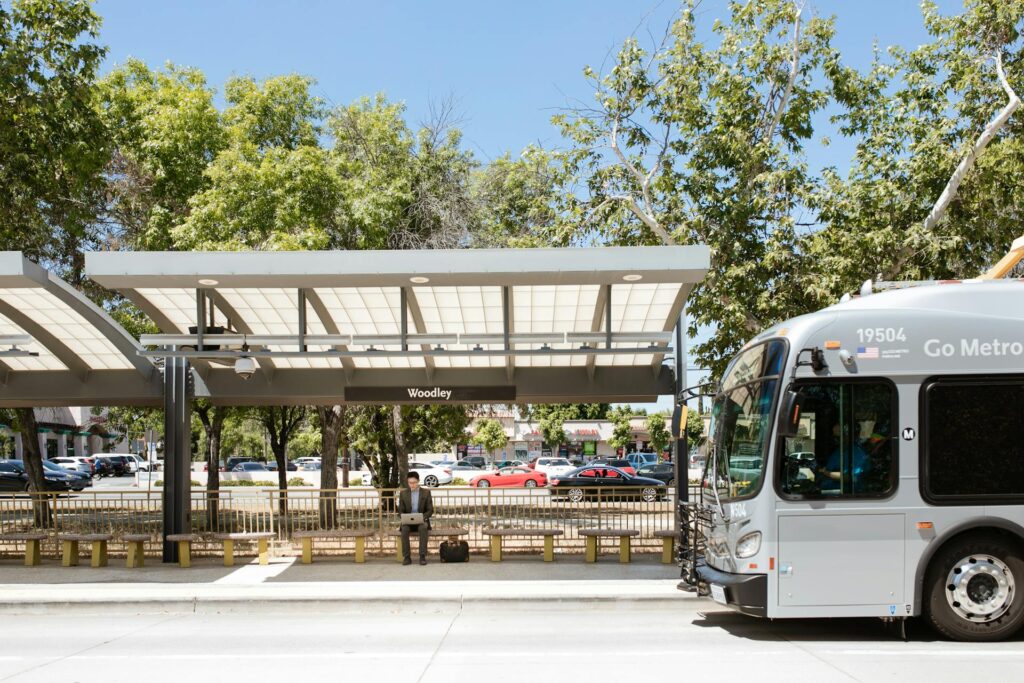
Here’s where it gets really interesting. Solar technology has become so accessible that integrating it into everyday city structures makes total sense. Those panels sitting on top of your bus shelter? They’re not just keeping you cool – they’re generating clean energy that can power LED lighting, USB charging ports, and even Wi-Fi hotspots.
The best part is how quietly this revolution is happening. You might not even notice the solar panels at first glance, but you’ll definitely appreciate being able to charge your phone while you wait. It’s one of those innovations that feels obvious once you experience it.
Companies like Felton Industries Australia are leading this charge, creating shelter systems that blend functionality with sustainability. Their approach shows how thoughtful design can address multiple urban challenges at once.
More Than Just Weather Protection
But here’s the thing about modern urban shelters – they’re solving problems we didn’t even realize we had. Take accessibility, for example. Traditional bus stops were basically an afterthought for anyone using a wheelchair or mobility aid. Today’s designs incorporate proper seating options, adequate space, and clear sightlines that work for everyone.
The materials have evolved too. We’re talking about structures that can withstand extreme weather while requiring minimal maintenance. Smart, considering how much cities spend on upkeep of public infrastructure.
The Comfort Factor
Honestly, comfort matters more than we give it credit for. A well-designed seat with proper back support can make the difference between a pleasant wait and a miserable one. Add some protection from wind and rain, and suddenly public transport becomes a lot more appealing.
The psychological impact is real too. When your city invests in quality public furniture, it sends a message that your comfort and convenience matter. It’s a small thing that makes a big difference in how people feel about their community.
Looking Ahead
The really exciting part? We’re just getting started. Future iterations might include air purification systems, real-time transport information displays, or even weather sensors that feed data back to city management systems.
Some pilot programs are already testing interactive features – imagine booking your next rideshare directly from your bus shelter or accessing local business information while you wait. The possibilities are genuinely endless.
The truth is, our cities are becoming smarter, and our street furniture needs to keep up. When something as simple as a bus shelter can generate clean energy, charge devices, and provide genuine comfort, it makes you wonder what other everyday objects could get a similar upgrade.
These aren’t just places to wait anymore. They’re becoming genuine community assets that improve daily life in small but meaningful ways. And honestly, it’s about time.