

Bing Crosby’s houses still spark interest because they reflect a quiet, private side of a very public star.
I often see readers like you curious about where he lived and what those homes say about his life beyond music and film. In this article, I have shared the key places Bing Crosby called home.
You’ll learn where his houses were located, why certain areas mattered, and how his lifestyle shaped each property.
I also covered the design choices seen in his homes, from layout to overall style.
You’ll also learn about the history behind these properties, including how they changed over time and what happened to them later.
If you want a clear look at Bing Crosby’s homes without fluff, this guide gives you the facts in a simple, easy-to-read way. This helps you understand legacy through the places he lived.
Who Was Bing Crosby?
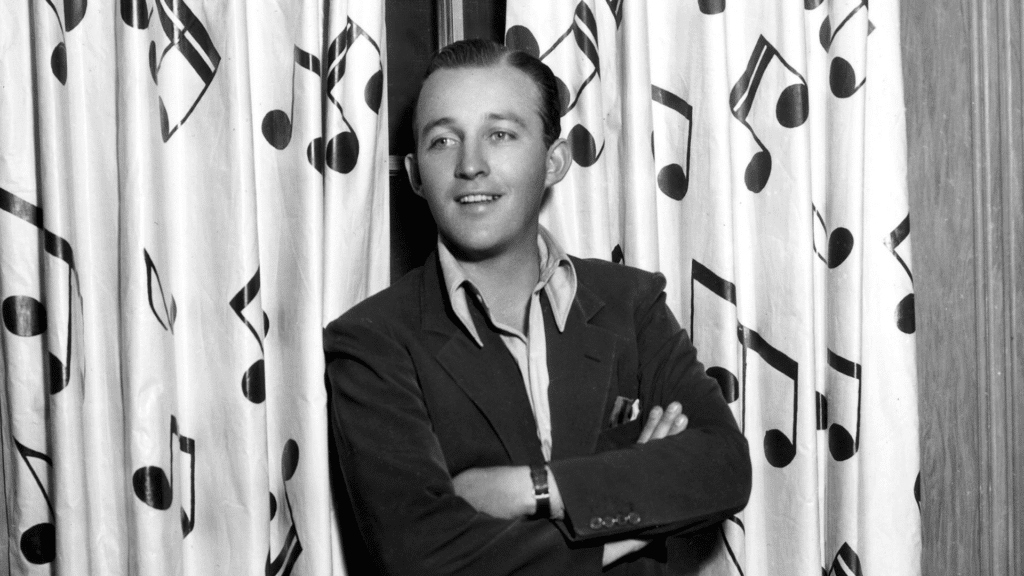
Bing Crosby was one of the most well-known entertainers of the 20th century. He rose to fame as a singer, actor, and radio star, becoming a familiar voice in American homes.
His smooth singing style and relaxed screen presence helped him stand out.
Over time, his work in music and film brought him steady success and long-term income.
This success gave him the freedom to choose where and how he lived. Instead of flashy living, he preferred comfort and privacy.
He focused on homes that fit family life and allowed space away from the spotlight. His housing choices reflected a balance between fame and a desire for a normal life.
As his career grew, his homes also changed, becoming larger and more private, while still practical.
This mix of fame, stability, and personal comfort shaped the places he called home.
Bing Crosby’s California Homes and Locations
Bing Crosby owned several homes in California during different stages of his life. Each location reflected his need for privacy, comfort, and access to work.
1. Los Angeles Area Residences
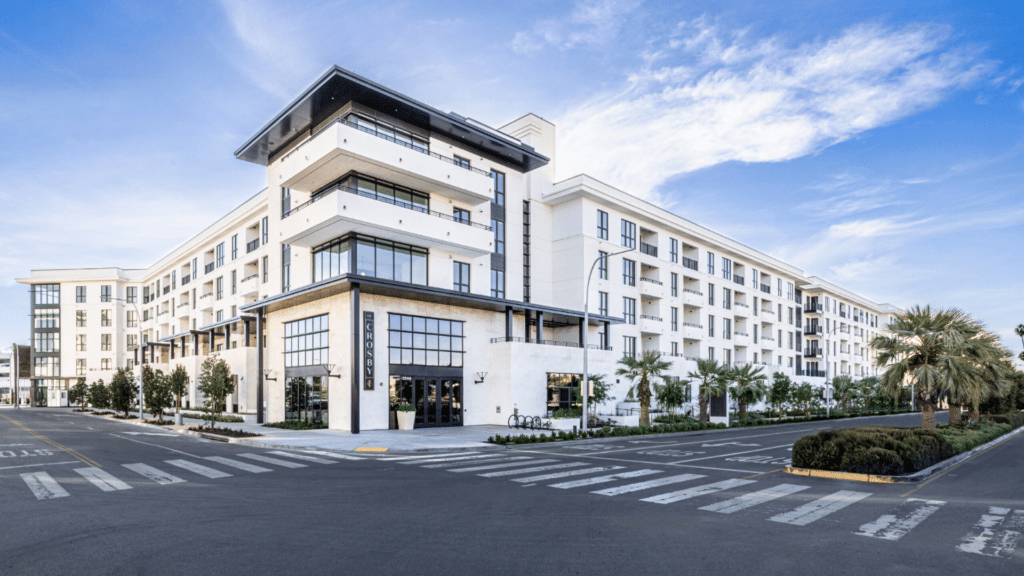
Bing Crosby spent much of his career based in the Los Angeles area, where film studios and radio networks were located. Living close to work made daily schedules easier and reduced travel time.
These homes were often set in quiet neighborhoods that offered privacy from public attention.
The properties were comfortable rather than flashy, designed for family living and rest between projects.
His Los Angeles residences balanced professional needs with a desire for a calm home life away from cameras and crowds.
2. Hillsborough, California Estate
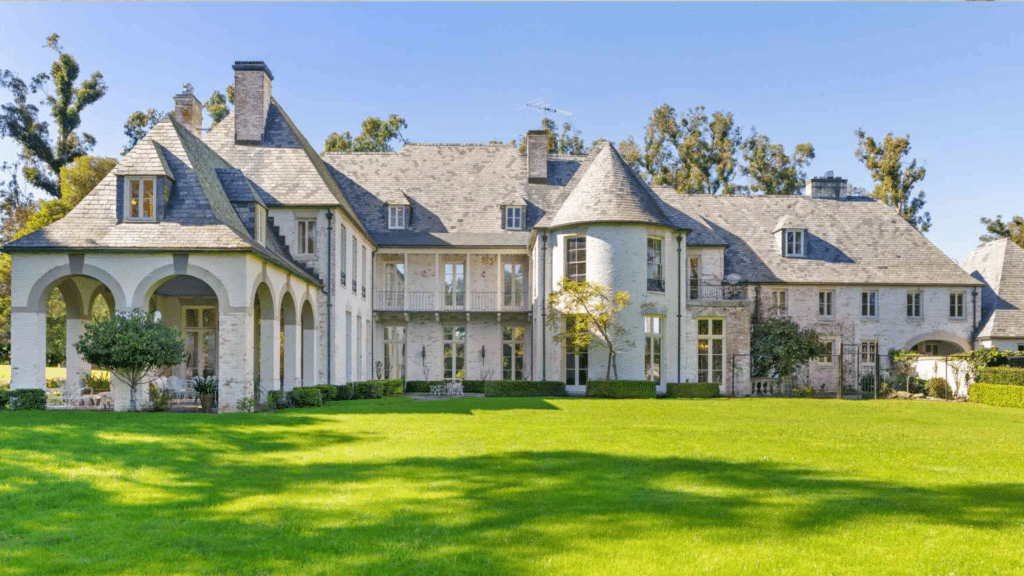
The Hillsborough estate is one of Bing Crosby’s most well-known California homes. Located in Northern California, the area was known for large properties and privacy.
This home gave him space to step away from Hollywood while still staying connected to major cities.
The estate included generous living areas and outdoor space, making it suitable for family life and entertaining guests.
Hillsborough’s quiet setting matched his preference for a low-key lifestyle later in his career.
3. Other California Properties Over Time

Over the years, Bing Crosby owned or stayed in other California properties tied to career shifts and personal needs.
Some homes were used for shorter periods, while others supported longer family stays.
These properties often followed similar patterns in location and layout, favoring peaceful settings and practical design.
As his career evolved, his housing choices adjusted as well, showing how work demands, age, and family life influenced where he chose to live in California.
Historic Value of Bing Crosby’s Properties
Bing Crosby’s properties hold value because they connect directly to his long and influential career.
These homes are not just places he lived. They reflect how a major public figure lived away from the spotlight.
Each property offers insight into the daily life of someone who shaped music and film history. This gives the homes meaning beyond size or location.
Collectors and historians often view these properties as part of cultural history, not just real estate.
Over time, public interest has stayed steady because Crosby’s work remains widely known.
His homes help preserve a physical link to that legacy. They show how fame, privacy, and family life came together in real spaces.
This lasting interest keeps his properties relevant even decades after his passing.
The Famous Hillsborough Estate
The Hillsborough estate was located in Hillsborough, California, a quiet and private area known for large homes and open land.
The setting offered distance from busy city life, which suited Bing Crosby’s need for space and privacy.
The property sat on several acres, giving room for family life and daily routines without public attention. The house itself was large but practical, with a layout designed for comfort rather than display.
It included wide living areas, multiple bedrooms, and outdoor space for rest and recreation.
This estate stood out because it reflected Crosby’s long-term lifestyle choices, not short-term fame. Unlike some of his other homes, Hillsborough became a stable base during his later years.
Its size, quiet location, and thoughtful design made it his most recognized property and a key part of his housing history.
Architectural Styles Seen in Bing Crosby’s Houses
Bing Crosby’s homes reflected the building styles common during his lifetime. These styles focused on comfort, privacy, and practical living rather than show.
1. Traditional American Home Design
Many of Bing Crosby’s houses followed traditional American design. These homes featured balanced layouts, pitched roofs, and simple exterior details.
Inside, rooms were planned for daily living, with clear spaces for family time and rest.
The style was popular during the mid-1900s and suited long-term use. It avoided bold trends and focused on reliability.
This approach matched Crosby’s preference for steady, private living rather than attention.
The design supported comfort and made his homes easy to live in year after year.
2. Influence of Mid-Century Architecture
Some of Crosby’s homes showed light mid-century influence.
This included open living areas, larger windows, and better flow between rooms. These features helped bring in natural light and made spaces feel open without being flashy.
The design reflected changes in how families lived during that era. Homes became more practical and relaxed.
This style fit Crosby’s later years, when comfort and ease mattered more than formality or public image.
3. Focus on Privacy and Functional Layouts
Across all his homes, privacy played a major role in design choices. Houses were often set back from roads and surrounded by landscaping.
Layouts separated private family areas from guest spaces. This made daily life quieter and more controlled.
The focus stayed on function, not display. Rooms served clear purposes and avoided wasted space.
These design choices helped Crosby live comfortably away from public attention while still enjoying well-built, lasting homes.
How Bing Crosby’s Homes Changed Over Time?
Bing Crosby’s homes changed as his career and personal life evolved. Early on, his residences were more modest and closer to work centers, which made daily life easier during busy years.
As his fame and income grew, his housing needs expanded. Later estates offered more space for family, rest, and privacy.
The locations also shifted, moving toward quieter areas away from public attention.
These homes were larger in scale and designed for long-term living rather than short stays. Family life played a major role in these changes, shaping how each home was used.
Over time, his properties reflected stability, comfort, and a clear move away from the fast pace of early career years.
Real Estate Sales and Property Values
Bing Crosby’s homes have seen several ownership changes over the years, especially as properties passed into private hands after his lifetime.
Some homes were sold quietly, while others gained attention due to their history.
Celebrity ownership often added interest and value, even when the homes were not publicly promoted.
Buyers were drawn to the connection, not just the structure or location. Market value was shaped by factors like condition, location, and privacy, along with Crosby’s name.
Over time, interest has remained steady rather than extreme.
His legacy helped keep these homes relevant in the market, especially among collectors and history-minded buyers.
While prices followed normal real estate trends, the link to Bing Crosby gave these properties added meaning and long-term appeal beyond standard home sales.
Why Bing Crosby’s Houses Still Draw Interest?
Bing Crosby’s homes continue to attract attention decades later. They offer a real-world link to his life beyond music and film.
1. Connection to a Lasting Cultural Figure
Bing Crosby remains an important figure in American entertainment history.
His music and films are still widely known, which keeps interest in his personal life strong.
Homes connected to him offer a physical link to that history. People enjoy seeing where he lived and how he spent time away from the public eye.
This connection helps the houses stay relevant, even as years pass, because they represent a quieter side of a well-known career.
2. Appeal of Privacy and Traditional Living
Many of Crosby’s homes were built in quiet areas and designed for privacy.
This continues to appeal to modern readers and buyers. The layouts focus on family life, comfort, and separation from public spaces.
These features feel practical even today. People often compare these homes to modern celebrity houses and notice the difference.
The focus on normal living makes them relatable and adds to long-term interest.
3. Ongoing Interest from Collectors and Media
Collectors, historians, and media outlets continue to reference Crosby’s homes.
Articles, listings, and documentaries often mention these properties when discussing his life. This ongoing attention keeps the homes in public view.
Even when properties change owners, the story follows. Interest is not driven by hype but by history.
This steady attention helps explain why these homes are still discussed and researched today.
What Happened to Bing Crosby’s Homes Today?
Today, most of Bing Crosby’s homes are privately owned and no longer connected to his family. Over time, these properties were sold, remodeled, or updated to fit modern needs.
Some homes kept their original layout, while others were changed by new owners.
Very few public markers remain to show that Crosby once lived there, as privacy is still respected.
The homes are mainly used as private residences rather than museums or tourist sites. Even so, their history is often noted in real estate records and past listings.
Crosby’s real estate footprint now exists mostly through documentation and public interest, not public access.
While the buildings remain, the legacy lives on through stories, archived sales, and continued curiosity about where and how he lived.
Conclusion
Bing Crosby’s homes reflect how his life, values, and career shaped where he lived.
From California properties to the well-known Hillsborough estate, each home reflected a focus on comfort, privacy, and long-term living.
The styles stayed practical, and the locations supported family life away from constant attention.
Even today, these homes still matter because they connect real spaces to a lasting legacy.
They help you understand the person behind the public image. If you enjoy learning about celebrity homes and the stories tied to them, this history adds real context.
I’d love to hear your thoughts. Have you visited, researched, or read about any of Bing Crosby’s homes before?
Share your experience or questions in the comments below.