

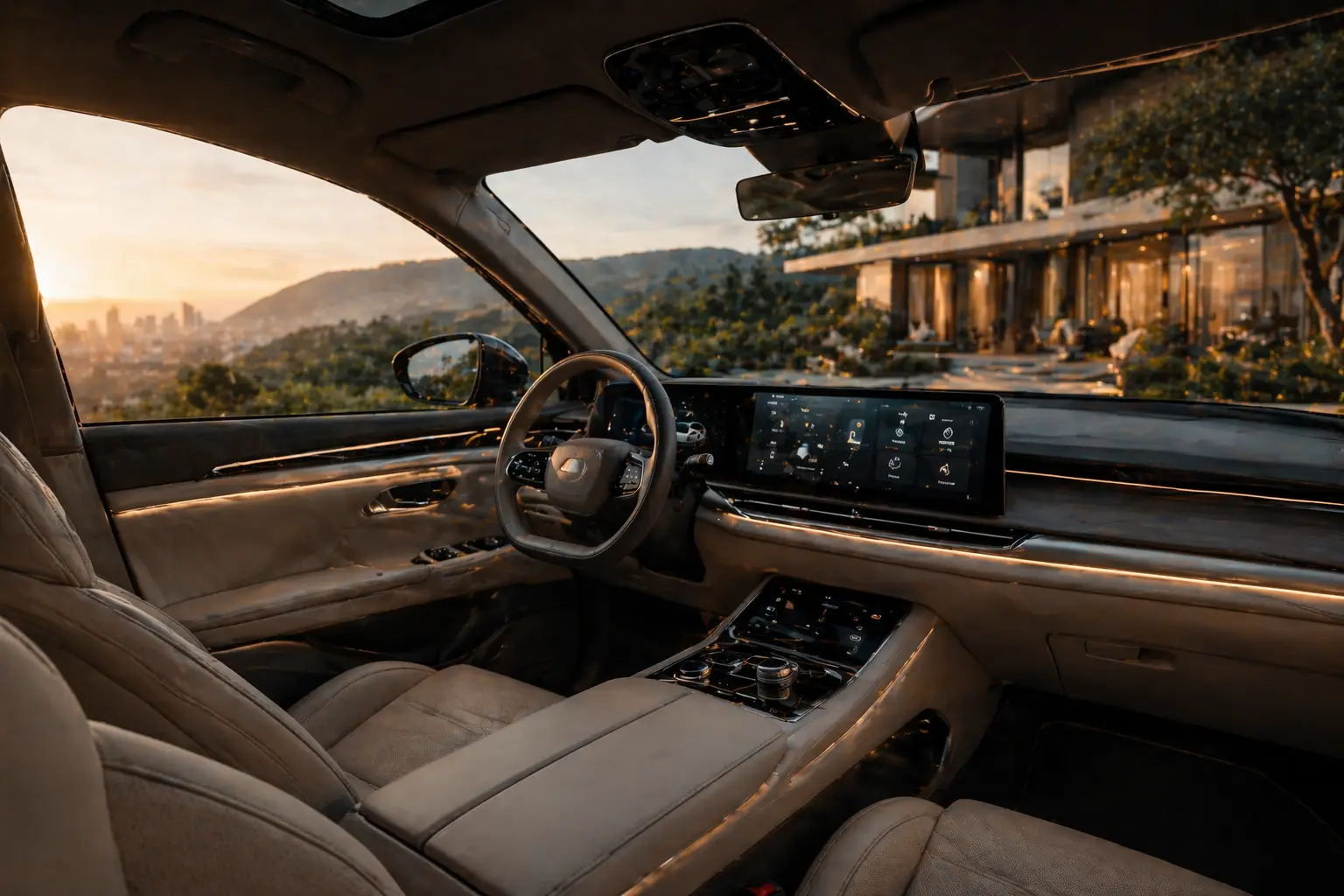
There was a time when comfort was location-specific. Home was where you relaxed, the office was where you worked, and the car was simply a means of getting between the two. Each space had its own expectations, limitations, and design logic.
That separation is fading. Today, people increasingly expect a consistent level of comfort, control, and familiarity across all environments—including their vehicles. The car is no longer treated as a transitional space, but as an extension of the same standards applied to homes and workplaces.
This shift is not accidental. It reflects deeper changes in technology, lifestyle, and how individuals define comfort itself.
From Functional to Experiential Design
Historically, car interiors were designed around function. Controls needed to be accessible, seating needed to be supportive, and visibility needed to be clear. Comfort existed, but it was secondary to mechanical priorities.
Modern vehicles, however, are designed as experiences. Materials, lighting, acoustics, and digital interfaces are all carefully considered to create an environment that feels controlled and cohesive.
This mirrors a broader trend in residential design. Homes are no longer just places to live—they are environments curated for specific emotional and sensory outcomes. Soft lighting, quiet acoustics, temperature stability, and intuitive layouts are all part of the expectation.
The convergence is clear: both cars and homes are being designed not just for use, but for how they feel to inhabit.
The Influence of Digital Consistency
One of the biggest drivers of this shift is digital technology.
People now interact with unified digital ecosystems throughout the day—smartphones, cloud services, connected devices—and expect continuity between them. That expectation naturally extends into physical environments.
In cars, this takes the form of integrated infotainment systems, voice controls, and user profiles that store preferences. In homes, it appears as smart lighting, climate control, and connected appliances.
The key is not the presence of technology itself, but its consistency. Users expect interfaces to behave predictably across contexts. Adjusting temperature in a car should feel as intuitive as doing so at home.
This expectation reduces friction. It also reshapes how comfort is defined—not as a static condition, but as a responsive system.
The Car as a Third Space
Sociologists often refer to “third spaces” as environments that are neither home nor workplace, but still play a meaningful role in daily life. Increasingly, the car is becoming one of these spaces.
Commutes are no longer purely functional. They are used for calls, reflection, entertainment, or simply decompression between activities. Longer drives blur the line even further, turning the vehicle into a temporary living environment.
As a result, expectations rise. If someone spends significant time in a car, they begin to expect the same level of comfort they would demand from other spaces.
This includes not just physical comfort, but emotional and cognitive ease—quiet cabins, intuitive controls, and minimal disruption.
Material and Sensory Alignment
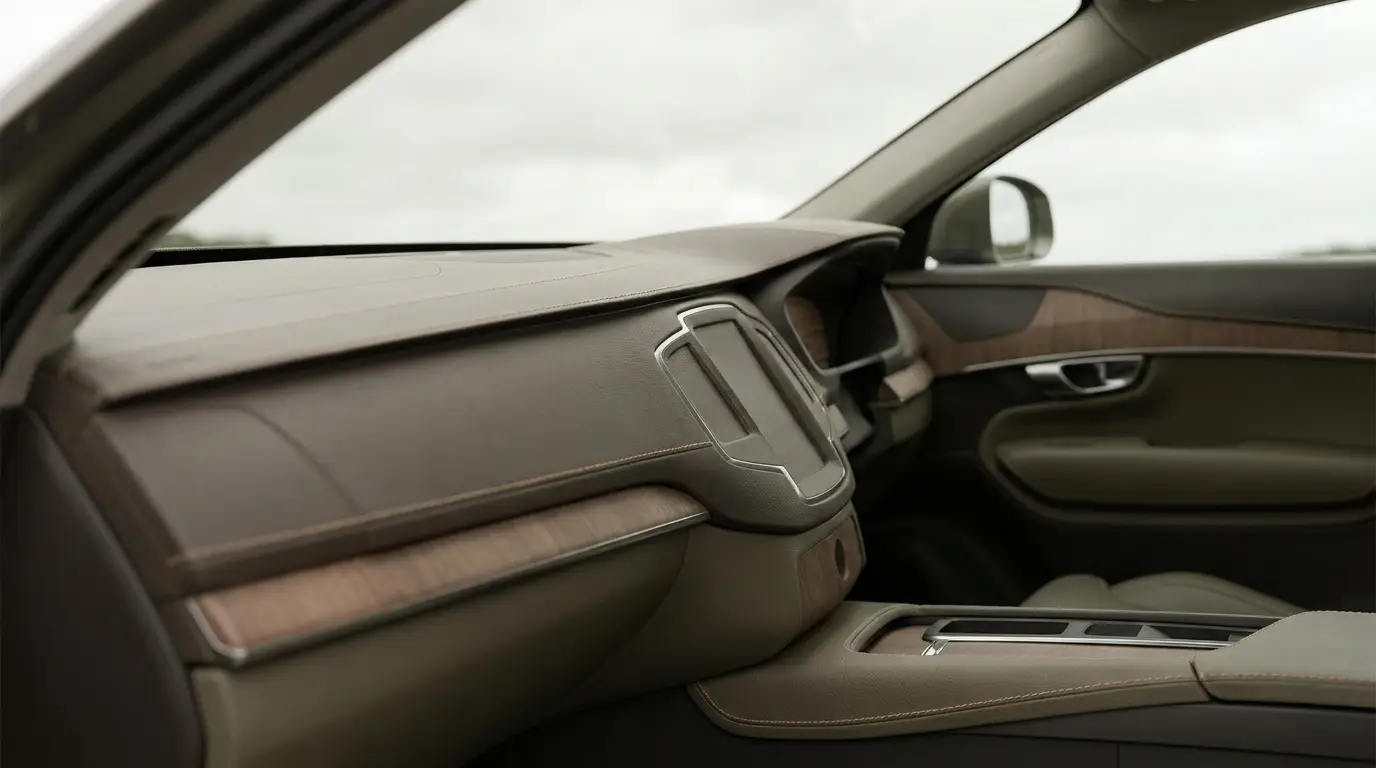
Another factor in this convergence is the alignment of materials and sensory design across environments.
Automotive interiors increasingly borrow from residential aesthetics: softer textures, warmer tones, and more refined finishes. At the same time, homes are adopting elements traditionally associated with automotive precision—clean lines, integrated storage, and controlled lighting.
This crossover creates a sense of familiarity. Moving from house to car no longer feels like entering a completely different environment. Instead, there is a continuity of experience.
Sound design also plays a role. Reduced cabin noise, improved insulation, and curated audio systems mirror the quiet, controlled acoustics people expect at home.
Personalisation as a Standard Expectation
Comfort is no longer one-size-fits-all. Personalisation has become central to how people define a comfortable space.
In vehicles, this is reflected in adjustable seating, climate zones, driver profiles, and configurable interfaces. The car adapts to the individual rather than forcing the individual to adapt to the car.
Homes are following a similar trajectory. Lighting scenes, temperature schedules, and even furniture arrangements are increasingly tailored to personal habits.
This expectation extends beyond interior functionality. The external identity of a vehicle—how it looks and is perceived—also contributes to the overall sense of ownership and comfort. In the UK, subtle forms of personalisation, including registration presentation, remain part of how drivers express individuality.
Within this broader ecosystem, companies like Number 1 Plates operate as part of the infrastructure that supports personal identity in automotive ownership. It reflects a wider cultural shift where comfort is not just about physical ease, but about alignment between environment and self.
Control and Predictability
At the heart of modern comfort is control. People want environments that respond predictably to their needs.
In cars, this means systems that anticipate driver behaviour—automatic climate adjustments, adaptive seating, and driver assistance features that reduce effort without removing agency.
In homes, similar expectations exist. Heating systems adjust based on occupancy, lighting responds to time of day, and devices integrate seamlessly into daily routines.
This predictability reduces cognitive load. When environments behave consistently, users spend less energy managing them and more energy engaging with what they are doing.
Mobility and the Redefinition of “Home”
As mobility increases and work patterns become more flexible, the definition of “home” itself is evolving.
For some, the car becomes a primary environment during significant portions of the day. For others, it serves as a transitional space that needs to maintain continuity between different settings.
In both cases, the expectation is the same: comfort should travel with you.
This has implications beyond design. It changes how people think about ownership, value, and the role of vehicles in daily life. A car is no longer just transport—it is part of a network of environments that collectively define how someone experiences their day.
The Subtle Shift in Expectations
What makes this trend particularly significant is how quietly it has taken hold. There has been no single moment where expectations changed. Instead, they have evolved gradually, driven by technology and lifestyle shifts.
People rarely articulate that they expect their car to feel like their home. Yet dissatisfaction arises when that expectation is not met.
A noisy cabin, an unintuitive interface, or a lack of personalisation feels more disruptive now than it would have a decade ago. The baseline has moved.
Conclusion: Comfort Without Boundaries
The rise of mobile comfort reflects a broader shift in how environments are designed and experienced. Boundaries between spaces are becoming less important than the continuity between them.
Cars, homes, and workplaces are no longer isolated domains. They are connected parts of a larger system where comfort, control, and personalisation are expected to remain consistent.
In this context, the car is no longer just a vehicle—it is an extension of the environments people already inhabit. And as that expectation continues to grow, the distinction between moving through space and living within it will become increasingly difficult to define.