

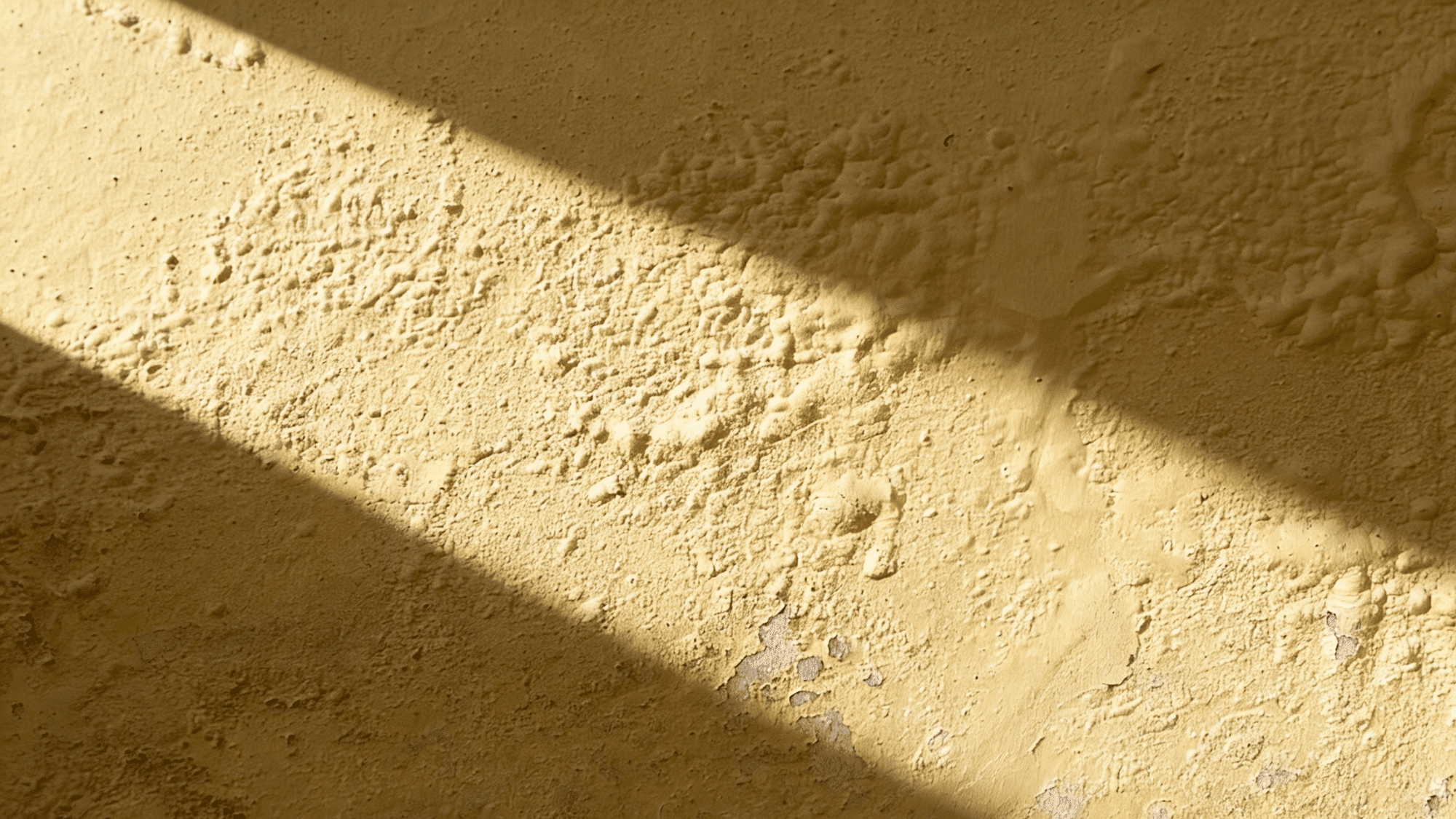
Has this ever happened to you that a fresh coat of paint looked perfect yesterday? But today?
Tiny bubbles have appeared across the wall like unwelcome guests. It’s frustrating, annoying, and honestly, kind of confusing. Paint bubbles don’t just happen for no reason.
Something’s going on beneath that surface; water trapped where it shouldn’t be, improper prep work, or maybe even heat playing tricks.
Understanding what’s behind those bubbles is the first step to fixing them for good. This post breaks down the main culprits and what you can do to keep walls smooth and bubble-free.
Why Does Paint Bubble on Walls?
Paint bubbles show up when something goes wrong during or after application. They’re basically tiny pockets of air or moisture that get trapped under the paint film.
When this happens, the paint loses its grip on the wall and lifts up, creating those annoying bumps.
Sometimes bubbles appear right away, and other times they take days or even weeks to show themselves. The tricky part? There’s usually more than one reason behind them.
Moisture is often the main troublemaker, but poor surface prep, extreme temperatures, and low-quality paint can also contribute.
What Causes Paint to Bubble?
Paint bubbles form when certain conditions disrupt proper adhesion. Here are the most common reasons behind this frustrating problem:
- Moisture trapped beneath the surface pushes paint away from the wall.
- Painting over dirty or greasy walls prevents proper bonding.
- Applying paint in extreme heat causes it to dry too quickly.
- Using low-quality or old paint leads to poor film formation.
- Skipping primer on porous surfaces creates uneven absorption and weak spots.
Why Moisture is the Leading Cause of Paint Bubbling
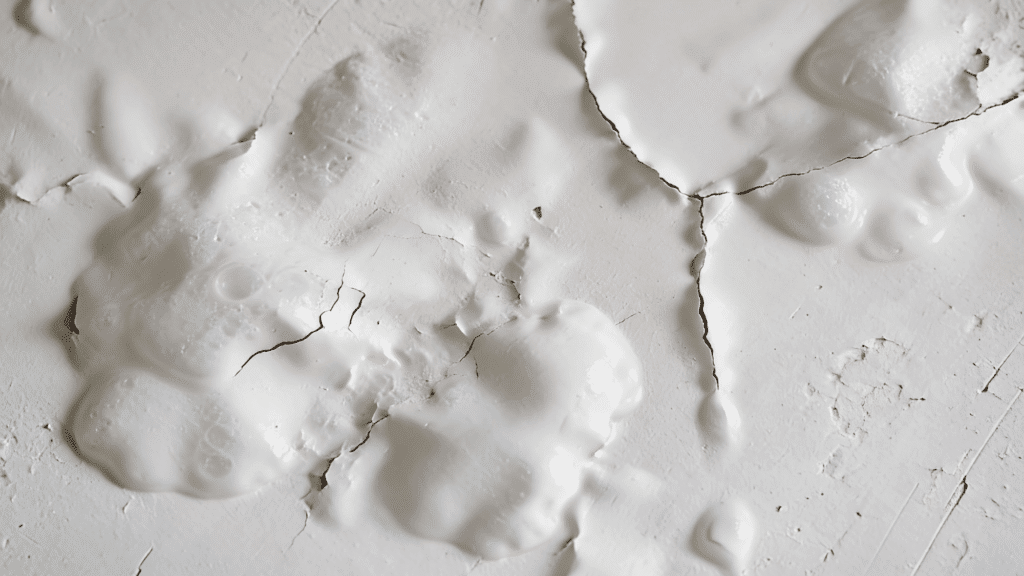
Moisture is public enemy number one when it comes to paint bubbles. It sneaks in from all directions; through leaky pipes, humid air, or even condensation on cold walls.
Once moisture gets between the paint and the wall surface, it has nowhere to escape. The paint acts as a seal, trapping water beneath it.
As that moisture tries to evaporate or move outward, it pushes against the paint film, creating those telltale bubbles.
What makes moisture especially tricky is that it’s not always visible right away. A small leak behind the wall can go unnoticed for weeks while slowly destroying a fresh paint job from the inside out.
Poor Surface Preparation That Leads to Paint Bubbles
Skipping proper prep work is one of the fastest ways to end up with bubbled paint. Walls need to be clean, dry, and smooth before any paint goes on.
Dirt, dust, grease, and old flaking paint create barriers that stop new paint from sticking properly.
When paint can’t bond to the surface beneath it, it starts to lift and bubble. Even tiny amounts of residue can cause problems.
Rushing through the prep stage might save time initially, but it usually means redoing the entire job later. A little extra effort upfront makes all the difference in getting long-lasting results.
Environmental Factors That Cause Paint to Bubble
Temperature, humidity, and moisture levels all play major roles in how paint performs. These environmental conditions can make or break a paint job.
1. High Humidity Levels: When humidity is too high during painting, moisture gets trapped between the paint and the wall. This creates the perfect conditions for bubbles to form as the paint dries.
2. Extreme Heat: Painting in hot weather causes the outer layer to dry too fast while the inner layer stays wet. This uneven drying process forces air pockets to form underneath the surface.
3. Direct Sunlight Exposure: Walls that get constant sunlight heat up quickly, making paint dry unevenly. The rapid temperature changes cause expansion and contraction, which weakens the paint’s grip and leads to bubbling.
4. Leaks Behind Walls: Leaks, plumbing issues, or poor ventilation push moisture through walls from the inside. This hidden water has nowhere to go except up through the paint, creating bubbles along the way.
Application Mistakes That Make Paint Bubble
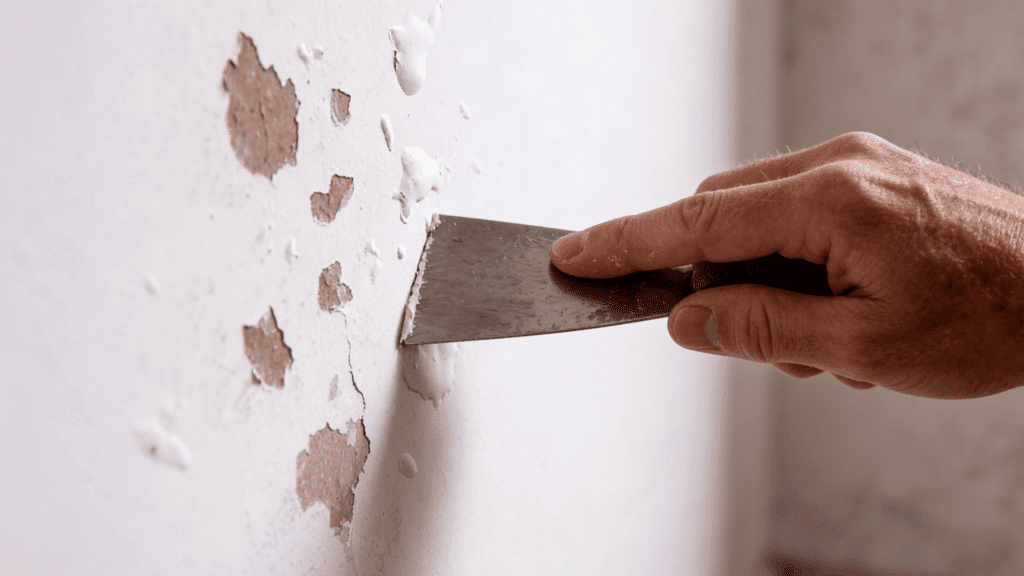
Even with perfect conditions and prep, poor painting technique can still cause bubbles. Small application errors often lead to big problems down the line.
- Applying paint too thickly traps solvents beneath the surface, preventing them from evaporating properly.
- Painting over wet or damp surfaces locks moisture under the fresh coat.
- Skipping the drying time between coats prevents the base layer from curing completely.
- Using the wrong roller or brush type creates uneven application and air pockets.
- Shaking paint cans vigorously introduces excess air bubbles into the mixture.
- Painting during unsuitable weather ignores temperature and humidity requirements for proper drying.
How to Fix Paint Bubbling on Walls
Fixing bubbled paint isn’t complicated, but it does require patience and the right approach. The first step is figuring out what caused the bubbles in the first place.
Once that’s clear, the repair process can begin. Most fixes involve scraping off the damaged paint, properly prepping the surface, and repainting the area.
Sounds simple enough, right? But rushing through any step will likely bring those bubbles back.
The key is to address the root cause, whether it’s moisture, poor prep, or application errors, before putting fresh paint on the wall. Taking time to do it right means the repair will actually last and look professional.
Final Thought
Bubbled paint doesn’t have to be a mystery anymore. Now the signs are clear: moisture problems, rushed prep work, bad timing with the weather, or sloppy application techniques.
Each one leaves its mark. Fixing bubbles means more than just scraping and repainting. It means solving the actual problem first.
Check for leaks. Clean surfaces thoroughly. Wait for the right conditions. Take time between coats.
Do these things, and those walls will stay smooth for years. No more surprises down the road. Just clean, professional-looking paint that actually lasts.