

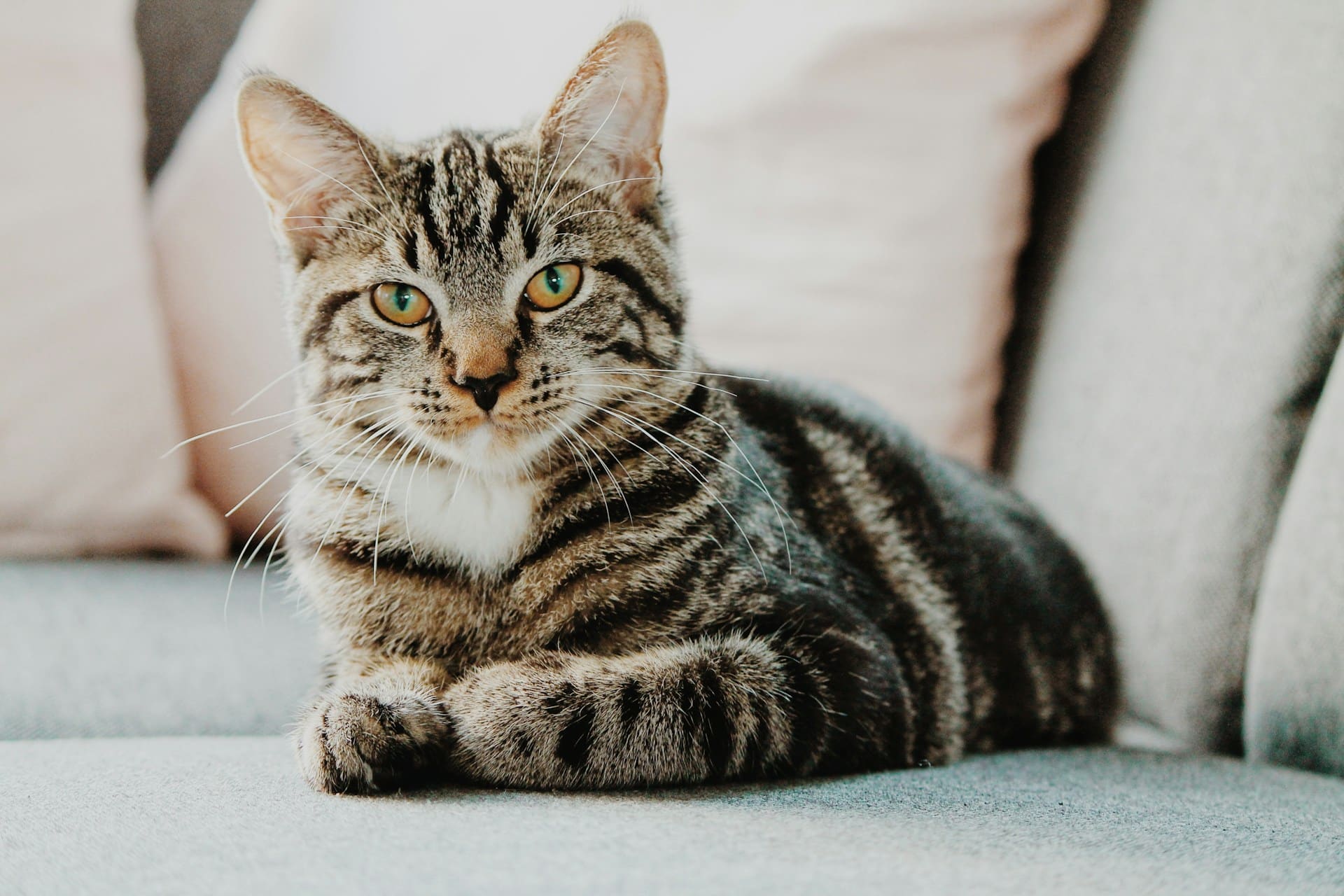
Many Australian cat owners assume that keeping their cat strictly indoors removes most risks to their health and safety. After all, an indoor cat is protected from traffic, dog attacks, and neighbourhood hazards. But does that mean pet insurance is unnecessary?
The short answer is no. Even indoor cats can face unexpected medical issues, and veterinary care in Australia can be costly. This article explores whether indoor cats need insurance for cats, what risks still apply, and how Australian cat owners can make an informed decision.
Understanding the Risks for Indoor Cats
While indoor cats are generally safer than outdoor cats, they are not risk-free. Cats are curious, agile, and prone to accidents, even within the home.
Common Health Risks for Indoor Cats
Indoor cats can experience a range of medical issues, including:
- Accidental injuries such as falls from furniture or balconies
- Foreign body ingestion, including string, hair ties, or small household objects
- Poisoning from toxic houseplants, cleaning products, or human medications
- Chronic illnesses like diabetes, kidney disease, arthritis, or dental disease
- Sudden medical emergencies, such as urinary blockages or gastrointestinal issues
None of these risks is prevented simply by staying indoors. In fact, many veterinary emergencies occur entirely within the home environment.
The Cost of Veterinary Care in Australia
Veterinary care in Australia is of a high standard, but it can be expensive, particularly when emergencies or specialist treatment are involved.
As a general guide:
- A standard consultation may cost $80–$120
- Diagnostic tests such as blood work or imaging can range from $200–$1,000
- Emergency surgery can exceed $3,000–$6,000
- Ongoing treatment for chronic illness can cost thousands of dollars per year
For indoor cats that live longer on average, the likelihood of developing age-related conditions is higher. Insurance can help manage these long-term costs.
What Pet Insurance Covers for Indoor Cats
Most Australian pet insurance policies do not differentiate between indoor and outdoor cats. Coverage is based on medical need, not lifestyle.
Depending on the policy, insurance may cover:
- Accidents and injuries
- Illnesses and infections
- Emergency care and hospitalisation
- Diagnostic tests and imaging
- Surgery and specialist treatment
- Some hereditary or congenital conditions
Optional extras may include routine care such as vaccinations, dental cleaning, and parasite prevention.
Is Insurance Worth It for an Indoor Cat?
Whether insurance is worthwhile depends on your financial circumstances, risk tolerance, and your cat’s age and health.
When Insurance Makes Sense
Pet insurance is often a good choice if:
- You want peace of mind against unexpected large expenses
- Your cat is young and healthy, making premiums more affordable
- You would struggle to pay several thousand dollars for emergency care
- You want to pursue the best available treatment without financial stress
When It May Be Less Suitable
Insurance may be less appealing if:
- Your cat is older with pre-existing conditions that may not be covered
- You have significant savings set aside specifically for veterinary care
- You are comfortable self-funding all medical costs
However, even financially prepared owners can be caught off guard by sudden emergencies.
Indoor Cats Often Live Longer and That Matters
Indoor cats in Australia commonly live well into their teens or beyond. While longevity is a positive outcome, it also increases the likelihood of chronic conditions such as:
- Kidney disease
- Hyperthyroidism
- Arthritis
- Heart disease
- Dental disease
These conditions often require ongoing diagnostics, medication, and veterinary monitoring. Insurance can help spread these costs over time rather than absorbing them all at once.
Choosing the Right Policy in Australia
If you decide that insurance is right for your indoor cat, it is important to choose a policy carefully.
Key Factors to Consider
- Coverage limits: Annual and per-condition limits
- Exclusions: Pre-existing conditions and waiting periods
- Excess and reimbursement rate: How much you pay upfront versus what is refunded
- Chronic illness coverage: Essential for long-term conditions
- Optional extras: Routine care may or may not be worth the added cost
Reading the Product Disclosure Statement (PDS) is essential to avoid surprises later.
Alternatives to Pet Insurance
Some Australian cat owners prefer alternatives such as:
- Maintaining a dedicated veterinary savings account
- Using payment plans or veterinary finance options
- Combining savings with a lower-level insurance policy
While these approaches can work, they require discipline and may not fully protect against high-cost emergencies.
Final Thoughts
Indoor cats may be safer than outdoor cats, but they are not immune to illness, injury, or unexpected medical emergencies. In Australia, where veterinary costs can escalate quickly, pet insurance can provide financial security and peace of mind.
Ultimately, whether an indoor cat needs insurance depends on your circumstances. However, for many Australian households, insurance is less about likelihood and more about preparedness, ensuring that when the unexpected happens, decisions are based on what is best for the cat, not what is affordable at the time.