

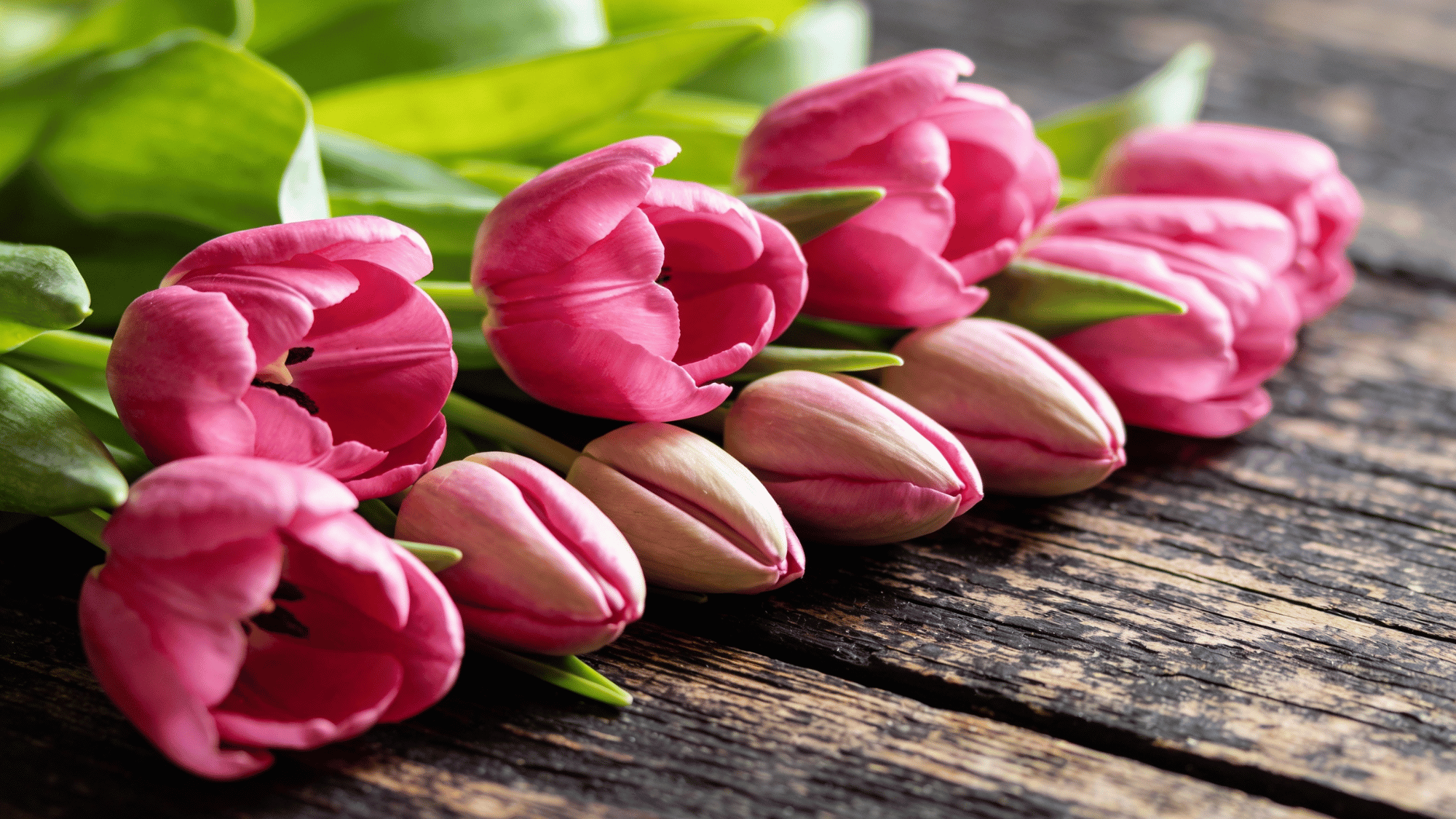
Looking at those bright tulip blooms can make anyone smile. But keeping them happy? That’s where things get tricky.
Many people bring tulips home full of hope, only to watch them droop within days. The petals fall. The stems get floppy. And suddenly, that cheerful bouquet looks sad sitting on the counter.
Tulips aren’t complicated flowers, but they do have their quirks. They require specific care that differs from that of other blooms. Get it wrong, and they won’t last. Get it right, and they’ll brighten up a space for much longer than expected.
This blog breaks down exactly what tulips need to stay fresh and vibrant. No guesswork, just practical steps that actually work.
Tulip Care by Growing Method
Different tulip setups need different approaches. Whether they’re in a vase, potted indoors, or planted outside in containers, each situation has its own rules for keeping tulips healthy.
How to Take Care of Cut Tulips in a Vase
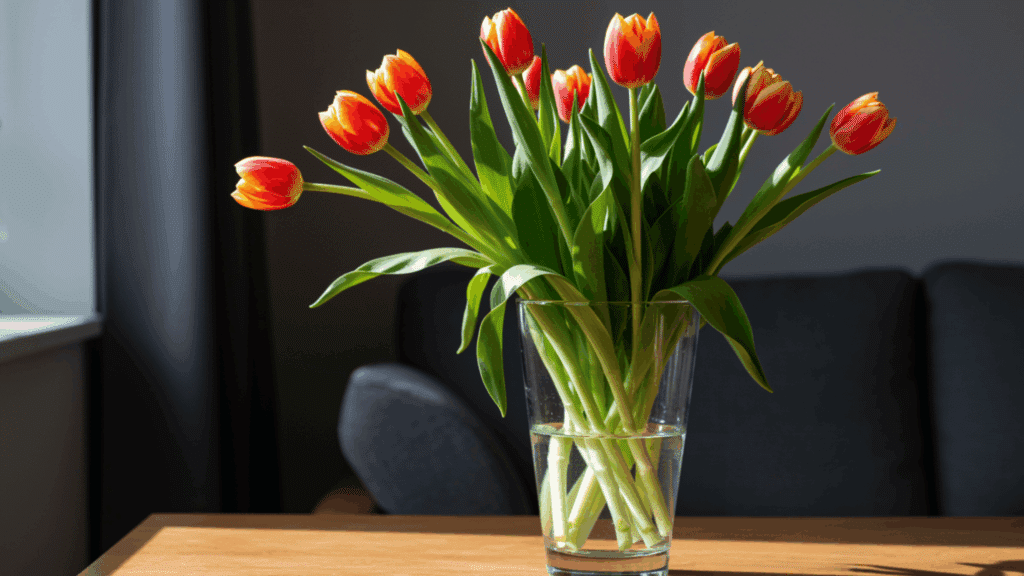
Cut tulips need clean water, regular trimming, and cool conditions to stay fresh and vibrant in vases.
- Trim stems at a 45-degree angle before placing them in the vase. This increases water absorption and prevents stems from sitting flat against the bottom, which blocks water flow completely.
- Change water every two days to prevent bacterial growth. Cold, fresh water keeps tulips perky longer and stops stems from getting slimy or developing that unpleasant smell.
- Remove all lower leaves that touch the waterline. Submerged foliage rots quickly and contaminates the water, shortening the lifespan of the entire bouquet significantly.
- Keep the vase in a cool spot away from direct sunlight and heat sources. Tulips open faster in warmth, which means they’ll fade quicker than they would in cooler conditions.
How to Take Care of Potted Tulips Indoors
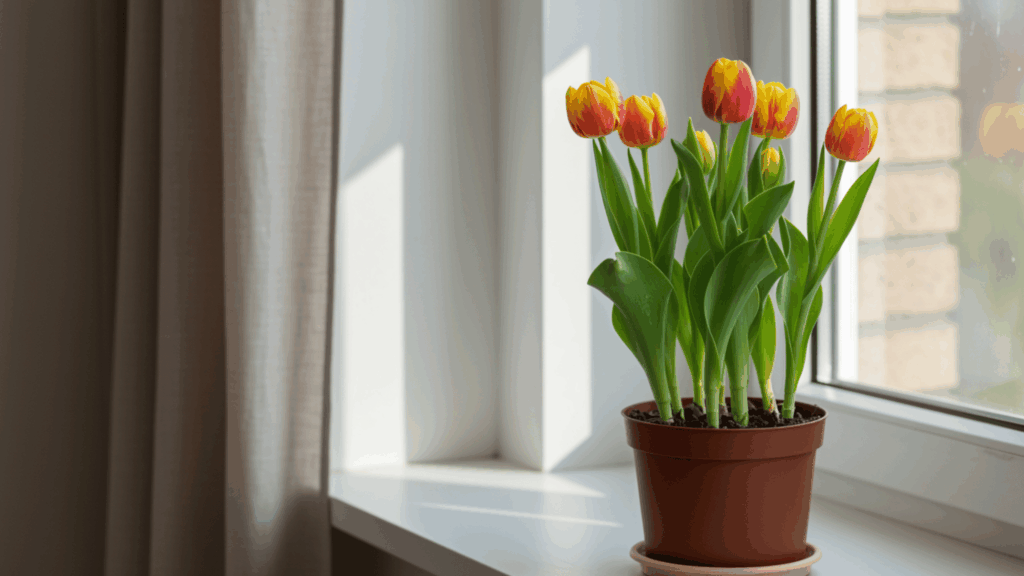
Indoor potted tulips thrive with proper lighting, consistent moisture levels, and temperatures that prevent blooms from fading too quickly.
- Place them in bright, indirect light near a window but not in harsh sun. Too much direct light causes blooms to fade quickly, while too little makes stems stretch and weaken.
- Water when the top inch of soil feels dry to the touch. Overwatering leads to bulb rot, while underwatering causes drooping. The soil should stay slightly moist but never waterlogged or soggy.
- Keep room temperature between 60-70°F for best results. Cooler temperatures extend bloom time, while warmer rooms make flowers open and fade faster than desired.
- Rotate the pot every few days so all sides get equal light exposure. This prevents stems from leaning heavily toward the window and keeps the plant growing upright and balanced.
How to Take Care of Tulips in Containers Outdoors
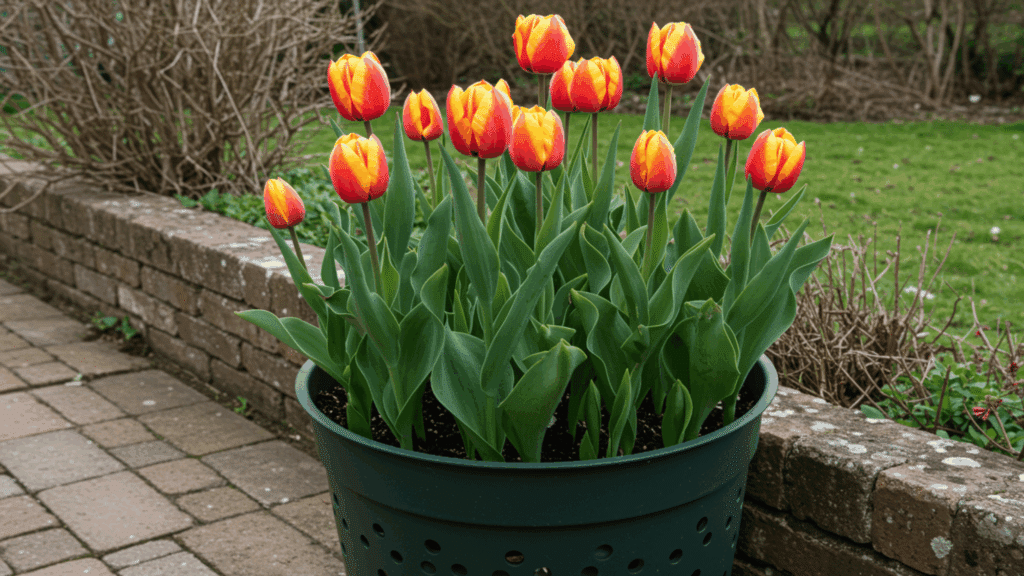
Outdoor container tulips require good drainage, an appropriate soil mix, and protection from weather extremes to flourish properly.
- Ensure containers have drainage holes at the bottom to prevent water from pooling. Standing water rots bulbs quickly, especially during rainy periods or with frequent watering schedules.
- Use well-draining potting mix rather than garden soil, which compacts easily in containers. A mix designed for bulbs or adding perlite improves drainage and keeps roots healthy throughout the season.
- Water when rainfall is insufficient, but don’t overdo it. Outdoor tulips typically need less watering than indoor plants, especially if they receive regular rain. Check soil moisture before adding water.
- Protect from extreme weather by moving containers to sheltered spots during heavy storms or late frosts. Tulips handle cold well, but harsh winds and freezing rain can damage emerging blooms.
What to Do With Tulips After They Bloom
Once tulips finish blooming, many people toss them out. But there’s actually more to the story, especially with potted and outdoor tulips.
The period after flowering is critical for bulbs that can bloom again next year. Cut tulips in vases have reached their end, but potted and planted tulips still have life left in them.
The bulbs store energy during this time, preparing for the next growing season. How they’re treated now determines whether they’ll return with flowers or fade away completely.
Deadheading spent blooms, managing foliage properly, and understanding when to cut back stems all play important roles. Different tulip types require different aftercare.
Some can naturalize and return annually, while others are best treated as one-season wonders. Knowing what to do next saves time, money, and disappointment down the road
Tulip Care Mistakes That Shorten Their Lifespan
Small mistakes can dramatically reduce how long tulips last. Avoiding these common errors keeps blooms fresh and vibrant much longer.
1. Using warm or room temperature water instead of cold water speeds up blooming and bacterial growth, causing tulips to wilt and fade within just days.
2. Placing them near ripening fruit exposes tulips to ethylene gas, which ages flowers rapidly. Bananas and apples are especially problematic for nearby blooms.
3. Skipping stem trims allows the ends to seal over, blocking water absorption. Tulips literally can’t drink, leading to drooping stems and premature wilting overall.
4. Leaving foliage submerged in water creates a breeding ground for bacteria. The contaminated water clogs stems and creates foul odors while killing flowers faster.
5. Overwatering potted tulips causes bulb rot and root damage. Soggy soil suffocates roots and creates fungal problems that destroy the plant from the underground.
6. Cutting back leaves too early on potted or outdoor tulips prevents bulbs from storing energy. Without this process, they won’t have the resources to bloom again.
7. Placing vases in direct sunlight or near heat sources makes tulips open too quickly. The accelerated blooming means they fade in half the normal time.
Conclusion
Tulips don’t ask for much, just the right conditions and a bit of attention. Fresh water, proper trimming, and cool temperatures go a long way toward extending their beauty.
For potted varieties, the care continues even after petals drop, giving bulbs a chance to recharge for next season.
The mistakes are easy to avoid once they’re known. Skip the heat, change the water, and resist cutting back too soon. These small adjustments make the difference between tulips that last days versus ones that stick around for weeks.
With these tips in hand, those vibrant blooms can brighten any space much longer than expected.