

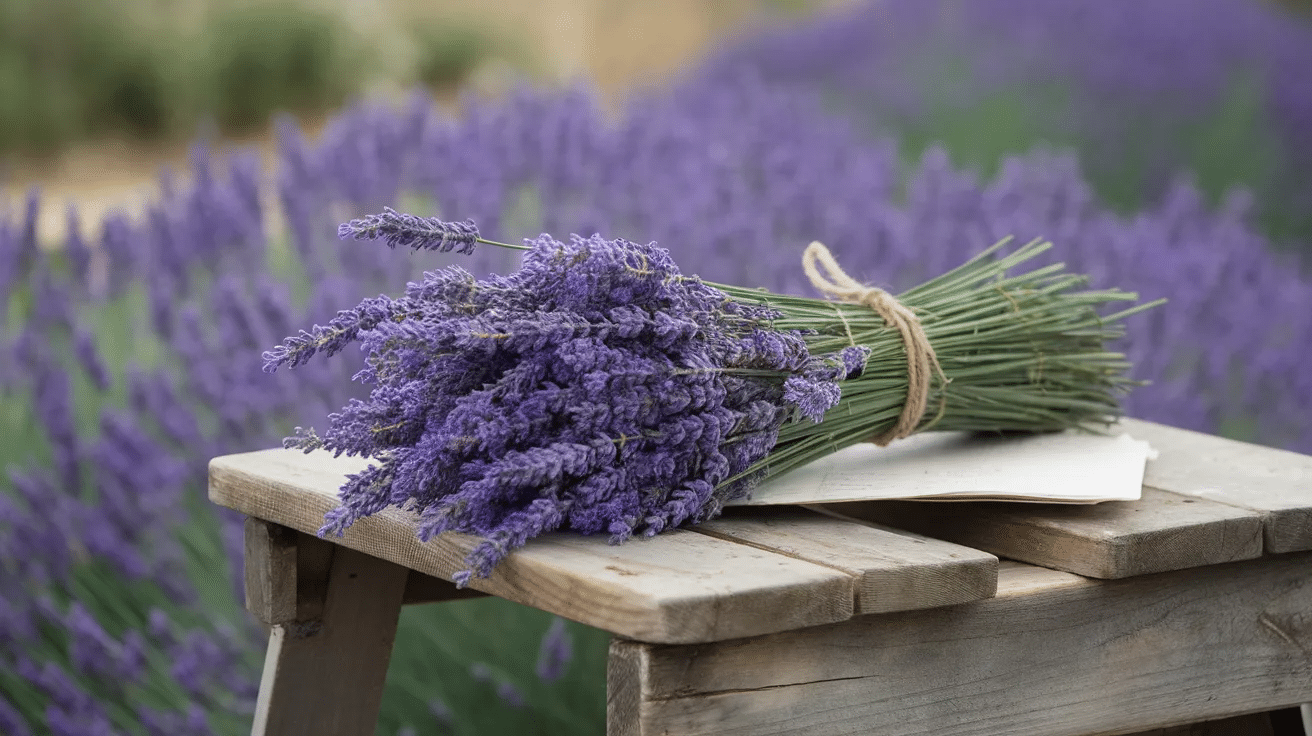
Lavender is a favorite plant for many gardeners. It smells nice, looks pretty, and is easy to care for. People often add it to flower beds, borders, or porch pots.
But one common question is still out there: Does lavender keep growing each year, or do you have to plant it again? Knowing how long a plant lives helps with planning a garden.
It can save time, money, and effort. This blog looks at what kind of plant lavender is and what that means for its care.
Before digging deeper, let’s understand the basics of what makes a plant come back or not.
What Does “Perennial” Mean?
Before getting into the details, it’s good to know what the word “perennial” means. A perennial plant is one that grows back year after year. It doesn’t need to be replanted each season.
The top of the plant might die in winter, but the roots stay alive underground. In spring, new growth comes from those roots.
The opposite of perennial is annual. Annuals live for only one season. They grow, bloom, and die in one year. There are also biennials, which take two years to complete their life cycle.
Knowing which type your plant is can help you plan your garden better.
So, Is Lavender a Perennial Plant?
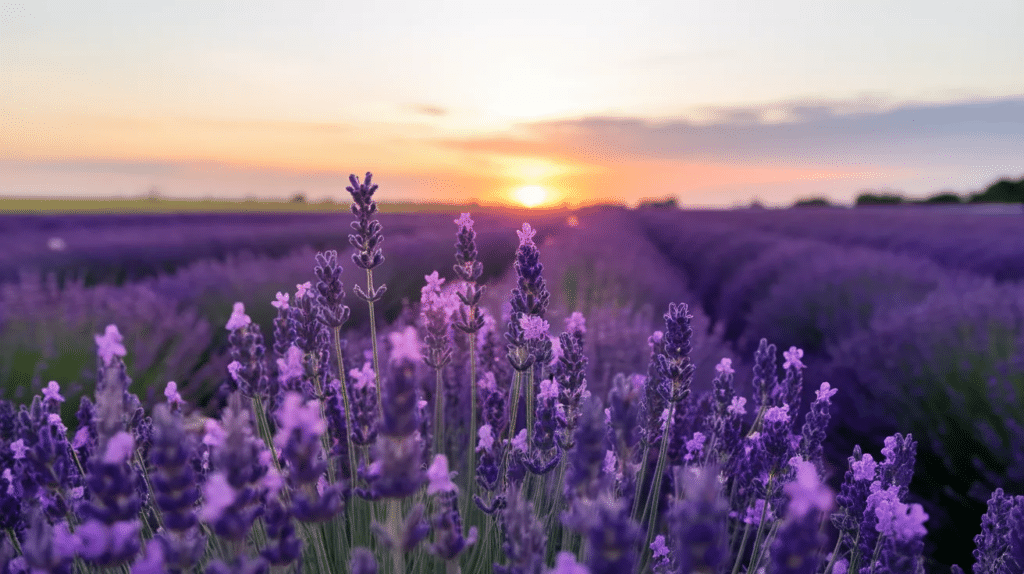
Yes, lavender is a perennial plant. But there is one important thing to note: it depends on your climate.
In warmer areas, lavender acts like a true perennial and grows back each year. In colder climates, it may not survive the winter without proper care.
So while it is a perennial by nature, its survival depends on how cold the winter gets and how the plant is protected.
Which Lavender Types are Perennial?
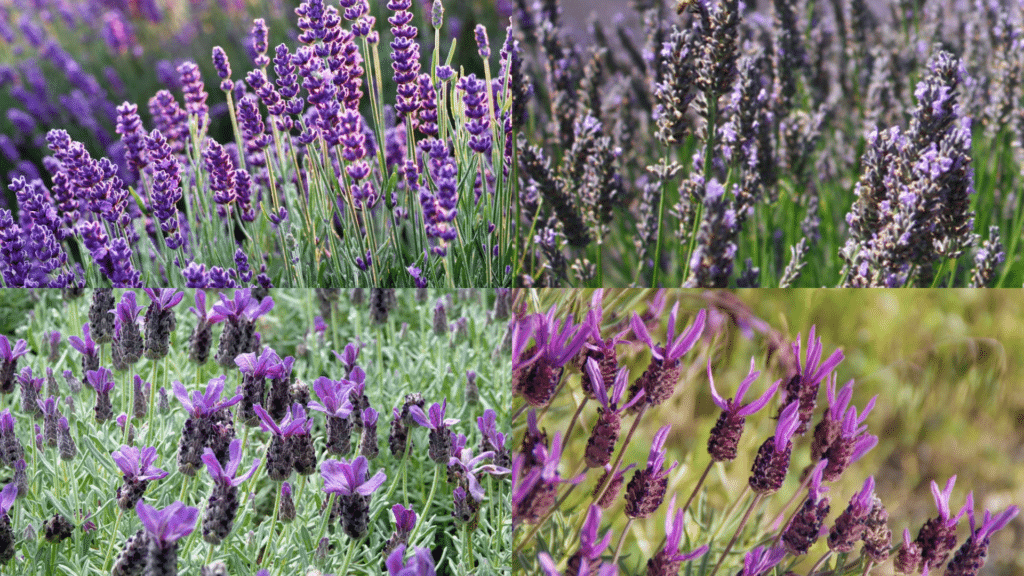
There are many kinds of lavender, but not all are equally strong. Below is a table showing the most common types of lavender perennial plants and how they grow in different zones:
| Lavender Type | Botanical Name | Best Growing Zones | Cold Tolerance | Notes |
|---|---|---|---|---|
| English Lavender | Lavandula angustifolia | Zones 5–9 | Very cold-hardy | Best for cold areas; ‘Hidcote’ and ‘Munstead’ are top picks |
| French Lavender | Lavandula dentata | Zones 8–11 | Low cold tolerance | Needs mild winters; may act like an annual in colder zones |
| Spanish Lavender | Lavandula stoechas | Zones 7–10 | Sensitive to frost | Known for “rabbit ear” blooms; best in warm areas |
| Lavandin (Hybrid) | Lavandula x intermedia | Zones 5–9 | Moderate cold tolerance | A cross of English and Portuguese lavender; long-living in the right spot |
How Long Do Lavender Plants Live?
Lavender plants can live many years if cared for properly. English lavender, the hardiest type, may last up to 10–15 years.
Other types, such as French or Spanish lavender, usually live 5–7 years, especially in warmer zones. Cold winters, too much water, or poor soil can shorten their life.
To help your lavender live longer, plant it in full sun, use well-draining soil, and trim it each year.
Keeping the plant healthy and in the right spot makes a big difference. With the right care, your lavender perennial can be a long-lasting part of your garden.
Does Lavender Come Back Every Year?
Yes, in the right conditions, lavender comes back every year. The plant may look dead in winter, but that’s normal. The top might dry up, but the roots stay alive.
When spring comes, new growth will start again. If the plant doesn’t return, it could be due to too much cold or wet roots that rotted.
To help lavender come back:
- Plant it in well-drained soil
- Don’t water it too much in winter
- Trim it back in late summer or fall
- Protect it with mulch in colder zones
Which USDA Zones Support Lavender as a Perennial?
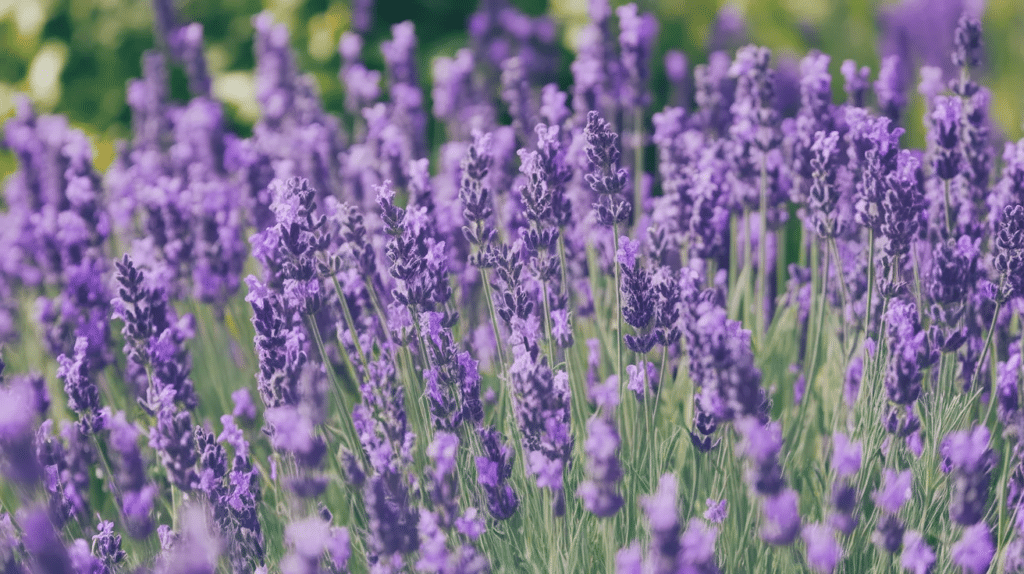
Lavender can act as a perennial in many parts of the U.S., depending on the type and the zone. The table below shows how different lavender types perform in each USDA hardiness zone:
| USDA Zone | Best Lavender Type | Perennial Growth | Tips |
|---|---|---|---|
| Zones 5–6 | English lavender | Yes – strong perennial | Choose hardy types like ‘Hidcote’; add winter mulch |
| Zones 7–8 | Most lavender types | Yes – most will return each year | Good drainage is key to survival |
| Zones 9–10 | French and Spanish lavender | Yes – thrive in mild winters | Great for long blooms; trim in fall |
| Below Zone 5 | None without protection | No – may not survive outdoors | Use pots and bring them inside during winter |
Can You Grow Lavender Indoors as a Perennial?
Yes, lavender can grow indoors, especially in cold areas where it won’t survive the winter outside. Use a pot with good drainage and place it in a sunny window.
Lavender needs lots of light, at least 6 hours a day. Use a fan or open windows occasionally to provide airflow and prevent mold growth.
Tips for indoor lavender:
- Choose English lavender for indoor growing
- Use sandy, well-draining soil
- Water when the top inch is dry
- Don’t let it sit in water
- Give it sunlight or use a grow light if needed
How to Make Lavender Last Year After Year
To help your lavender perennial grow back strong each season, it’s important to give it the right care. Follow these simple tips to keep your plant healthy and blooming year after year:
- Pick the Right Spot: Lavender needs full sun, at least 6–8 hours each day. Avoid shady areas near trees or buildings.
- Use Well-Draining Soil: Lavender hates soggy roots. Choose sandy or rocky soil. Mix in sand or gravel if your soil holds too much water.
- Water Lightly: Once established, water every 1–2 weeks. Don’t overwater, especially in cooler months.
- Prune Every Year: Trim about one-third of the plant in late summer or fall to prevent it from becoming woody.
- Protect in Winter: In cold zones, mulch around the base. Move potted lavender to a garage or porch during freezing weather.
Annual vs. Perennial Lavender: Key Differences
| Feature | Annual Lavender | Perennial Lavender |
|---|---|---|
| Life Span | One season | Grows back for many years |
| Needs replanting? | Yes | No, if cared for properly |
| Common in cold zones | Yes | No, unless protected |
| Cost over time | More expensive | More budget-friendly |
Remember: All lavender is perennial by nature, but it may behave like an annual if the winter is too cold or the growing conditions are poor.
Should You Treat Lavender as an Annual or Perennial?
Lavender is naturally a perennial, but how you treat it depends on your climate. In warm or mild climates, it will regrow each year with little trouble.
In colder areas, lavender may not survive winter unless protected. If you live in a place with harsh winters, you might treat lavender as an annual or grow it in a pot you can bring indoors.
The type of lavender also matters; English varieties are more cold-hardy.
With the right care, even in cold zones, lavender can still behave like a perennial and return year after year.
Common Reasons Lavender Doesn’t Come Back
Sometimes, even a lavender perennial does not return. Here are some common reasons:
- Winter was too cold: Some types can’t handle frost or freezing temps.
- Roots stayed too wet: Poor drainage causes root rot.
- Too much trimming: Cutting into the woody base can harm the plant.
- Wrong variety for your zone: Some types are too tender for cold areas.
- Lack of sunlight: Lavender needs sun to thrive and grow strong roots.
Can You Grow or Divide Lavender to Make More Plants?
Yes, you can grow lavender from seeds, but it takes patience. Lavender seeds are slow to sprout and may take several weeks.
It can take a full growing season for the plant to fill out and bloom. If you want faster results, it’s better to use starter plants or grow new lavender from cuttings.
Unlike some other perennials, lavender does not divide well. It grows from a single woody base, and splitting it can harm the plant.
A better way to grow more lavender is by taking cuttings from healthy stems. Place them in water or moist soil.
After a few weeks, they grow roots and can be planted outside. This method is simple, free, and great for adding more lavender perennial plants to your garden.
To Conclude
Lavender can be a lasting part of any garden when cared for the right way. It may not look active in winter, but it often comes back strong in spring.
The key is to give it what it needs: sunlight, space, and a little attention through the seasons.
Even if you live in a cold area, growing lavender in pots or choosing the right variety can help it thrive. It’s not just a pretty plant; it’s also tough when given the chance.
Ready to grow your own lavender perennial? Start simple, plant smart, and enjoy its beauty year after year.