

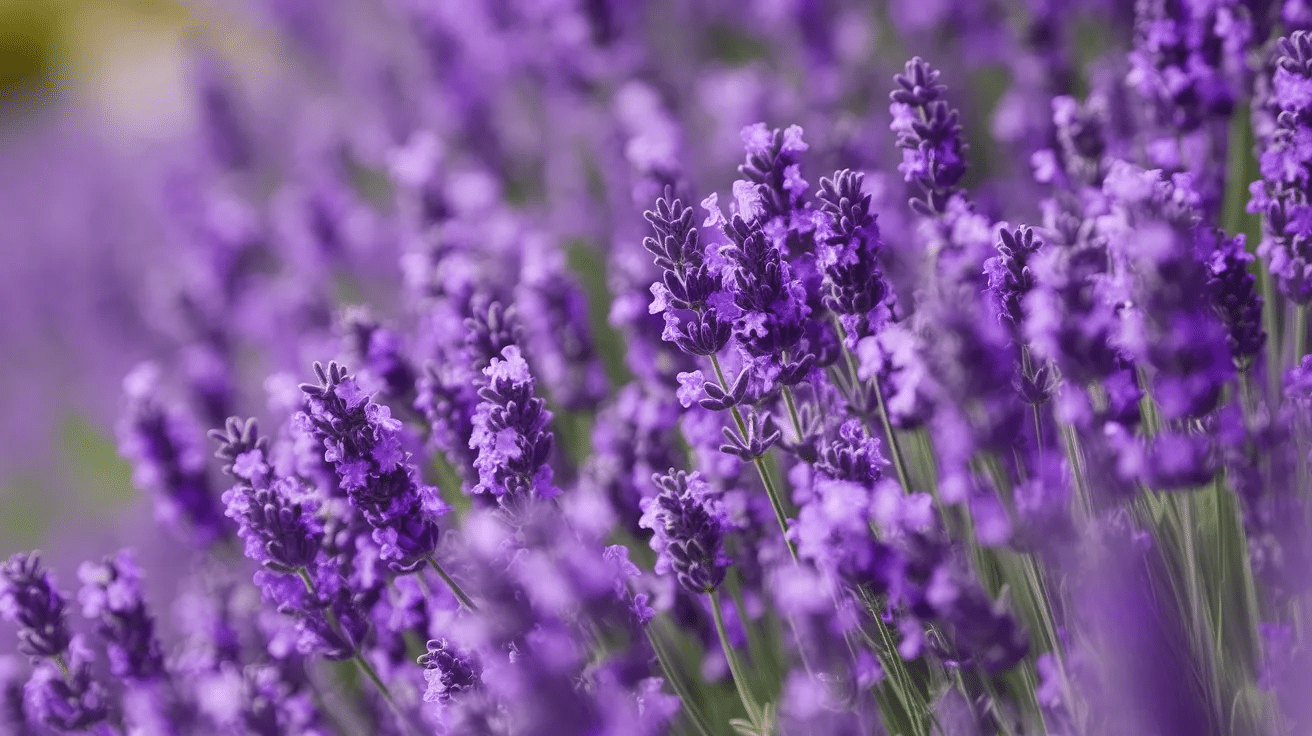
Lavender is one of the most loved plants in gardens around the world. People enjoy its soft purple flowers and calming smell.
It brings beauty and peace to any outdoor space. Many gardeners look forward to the time when lavender starts to bloom.
The sight of blooming lavender is a sign that warmer days are here. But knowing when this happens can be tricky. The bloom time can vary depending on various factors.
Some may wonder why their lavender flowers earlier or later than others.
This blog will help readers better understand when lavender blooms and what to expect each year. It’s a helpful guide for any lavender lover.
Lavender Basics for Gardeners
Lavender is a flowering plant known for its sweet smell and pretty purple blooms. It grows in many parts of the world and is popular in gardens, fields, and even pots.
People grow lavender for its beauty, smell, and many uses. It is used in oils, teas, soaps, and more. Lavender also brings bees and butterflies, which help other plants grow.
Knowing the bloom time helps gardeners better care for their plants. It also helps people plan trips to lavender farms or plant their own garden.
Lavender bloom time tells you when flowers will open, how long they will stay, and when to trim or water the plant.
If you know when lavender blooms, you can also enjoy its scent and look at it just at the right time.
When Does Lavender Bloom?
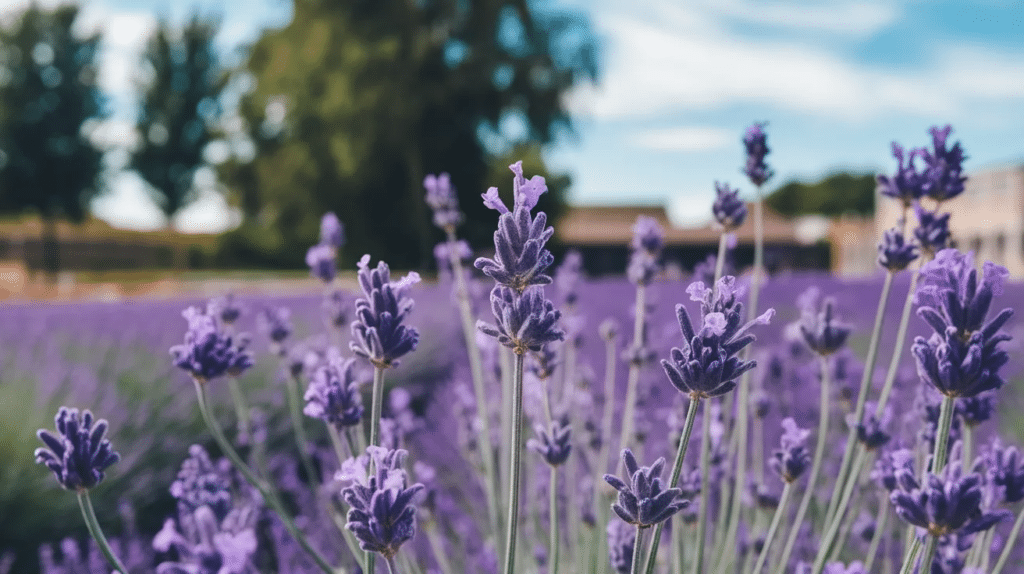
Lavender usually blooms between late spring and early summer. The exact time depends on where you live, the weather, and the type of lavender you grow.
In most places, lavender bloom time starts in May or June and can last until August. Some types even bloom more than once a year.
Let’s look at what affects lavender blooming and how you can spot the signs.
Bloom Time by Lavender Type
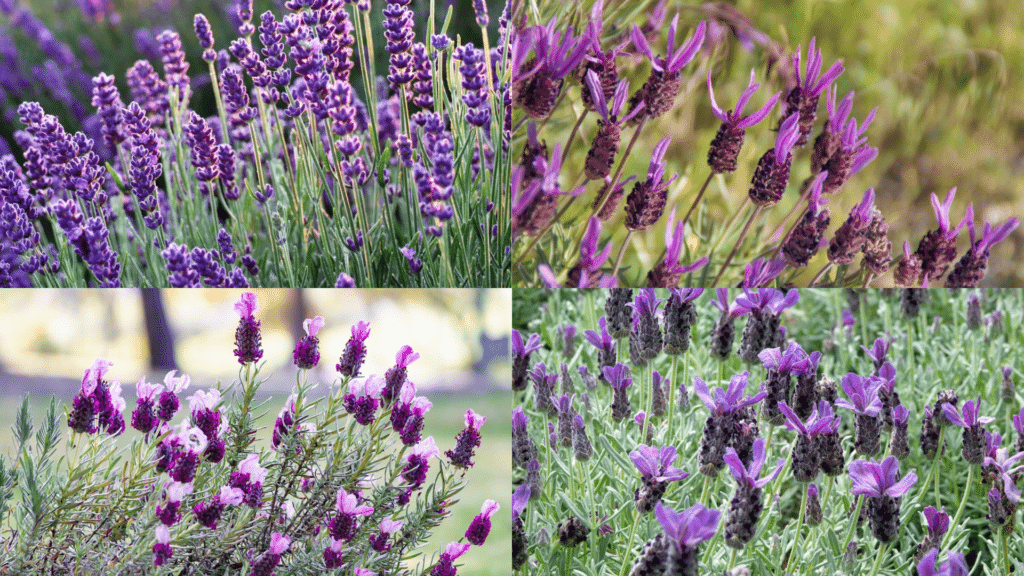
There are many kinds of lavender. Each has its own blooming time. The three most common types are English lavender, French lavender, and Spanish lavender.
English Lavender (Lavandula angustifolia)
- Bloom Time: Mid to late June to early July
- Details: This is the most cold-hardy type. It grows well in cool places and is great for drying. Some kinds bloom again in late summer if trimmed right.
French Lavender (Lavandula dentata)
- Bloom Time: Late spring to early summer, sometimes as early as May
- Details: French lavender likes warm weather. It blooms longer in places with mild winters and early springs. It may flower from May to September.
Spanish Lavender (Lavandula stoechas)
- Bloom Time: Late spring and may bloom again in summer
- Details: This type has small flower heads with “rabbit ears” on top. It grows well in hot, dry areas and has a long bloom period if cared for.
Each of these lavenders has a different lavender bloom time. Knowing your plant type helps you guess when it will flower.
How Different Location Affects Bloom Time
Lavender bloom time can change based on where you live. Warmer places see flowers earlier, while cooler areas bloom later. Here’s a quick look:
| Region/Climate | Bloom Time | Notes |
|---|---|---|
| Northern Areas | Late June to July | Cold winters delay growth. Plants bloom once the weather warms up. |
| Southern Areas | May to June | Warm weather helps lavender bloom earlier and may extend the season. |
| Coastal Regions | May to August | Mild weather allows a longer bloom time, though it may be less intense. |
| Mountain Areas | Late June to mid-July | Cool nights and late springs slow down blooming. |
| Mediterranean Zones | April to June | Ideal climate for early and long blooming seasons. |
First Bloom vs Peak Bloom
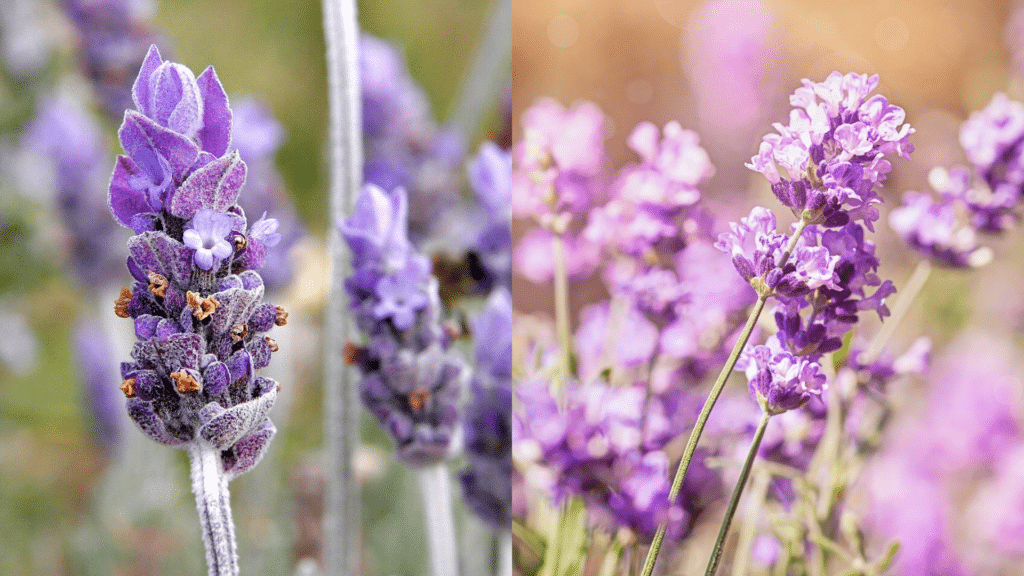
It helps to know the difference between first bloom and peak bloom when watching your lavender grow. Each stage shows how far along your plant is in the blooming season.
First Bloom
- The very first flowers begin to open
- Signals the start of the blooming season
- You’ll notice a few colorful buds, but not a full display
- Good time to check plant health and growth
Peak Bloom
- Most flowers are fully open
- The plant looks full, bright, and colorful
- Ideal for photos, harvesting, and enjoying the strong scent
- Often, the best time to visit lavender fields
General Bloom Timeline
| Bloom Stage | Typical Timeframe | What You’ll See |
|---|---|---|
| First Bloom | Late May to Early June | A few flowers open, early signs of color |
| Peak Bloom | Late June to Mid-July | Full flowers, bright colors, strong scent |
Can Lavender Bloom More Than Once?
Yes, some lavender can bloom twice a year. This is called reblooming.
How It Works:
- First bloom: Late spring or early summer
- Trim after first bloom: Use clean shears to cut off the dead flower heads
- Second bloom: Mid to late summer (August or even September)
Not all lavender types do this. English lavender and some hybrids are more likely to rebloom.
Signs That Lavender Will Bloom Soon
Lavender gives a few early signs before it blooms. Watching these signs can help you know when flowers are on the way.
- New Growth: Green stems start to appear in spring
- Flower Buds: Small bumps form on the tips of the stems
- Tight Clusters: The buds gather and get bigger
- Color Change: You’ll see purple, blue, or pink buds as bloom time nears
Each step shows the plant is getting closer to lavender bloom time.
How Long Does Lavender Bloom Last?
Lavender blooms usually last about 3 to 4 weeks. This can change depending on the type of lavender, the weather, and how well the plant is cared for.
In warm and sunny areas, the blooms may last a little longer. Some types of lavender can bloom twice a year if trimmed after the first flowers fade.
To make blooms last longer, give the plant full sun, well-drained soil, and just enough water.
Cutting off old flowers, called deadheading, also helps. With the right care, lavender bloom time can stretch from late spring into mid or even late summer.
What Affects Lavender Bloom Time?
Several things can change when your lavender blooms:
- Weather: Cold springs slow down bloom time. A late frost can delay flowers. Hot, sunny weather speeds it up.
- Soil: Lavender likes sandy, well-draining soil. If the soil stays too wet, the plant may not bloom or may rot.
- Water: Too much water can hurt the plant. Lavender is drought-tolerant and blooms better in dry soil.
- Pruning: Trimming lavender each year helps it bloom on time. Cut it back after the first bloom and again in fall.
- Fertilizer: Lavender does not need much fertilizer. Too much fertilizer makes the plant grow leaves instead of flowers.
- Sunlight: Lavender needs full sun, at least 6 to 8 hours a day. Less sun means fewer or later blooms.
All of these things can push lavender bloom time forward or backward.
Lavender Blooming by Month (Quick Guide)
| Month | What to Expect |
|---|---|
| March | New growth starts in warm areas |
| April | Buds begin to form in southern zones |
| May | First blooms for French and Spanish types |
| June | Peak bloom begins for English lavender |
| July | Full bloom in many areas |
| August | Second bloom is possible in reblooming types |
| September | Late blooms in warm, mild regions |
Tips to Help Lavender Bloom Better
Lavender is easy to grow, but a few simple steps can make a big difference in how much and how long it blooms. Here’s how to keep your plant healthy and full of flowers:
- Plant in full sun: Lavender needs 6 to 8 hours of sunlight each day
- Use sandy, well-draining soil: Helps prevent root rot and keeps the plant happy
- Avoid overwatering: Too much water can cause fewer blooms or damage roots
- Trim plants each year: Pruning keeps them strong and ready to bloom again
- Don’t over-fertilize: Too much food leads to more leaves, not flowers
- Deadhead spent blooms: Removing old flowers encourages new ones to grow
These easy tips will improve your lavender bloom time and give you brighter, longer-lasting blooms.
Wrapping Up
Lavender is a beautiful plant that many people enjoy growing. Its soft color and sweet smell make any garden feel peaceful.
Knowing the bloom time helps you care for the plant and enjoy its flowers at the right moment.
Most lavender blooms from late spring to early summer, though the exact timing depends on the variety and location.
Watching for signs like new growth and flower buds can help you know when blooms are near.
With the right care, some plants may bloom again later in the year. Want more tips on growing lavender and other garden plants? Subscribe to our blog for simple guides and helpful ideas.