

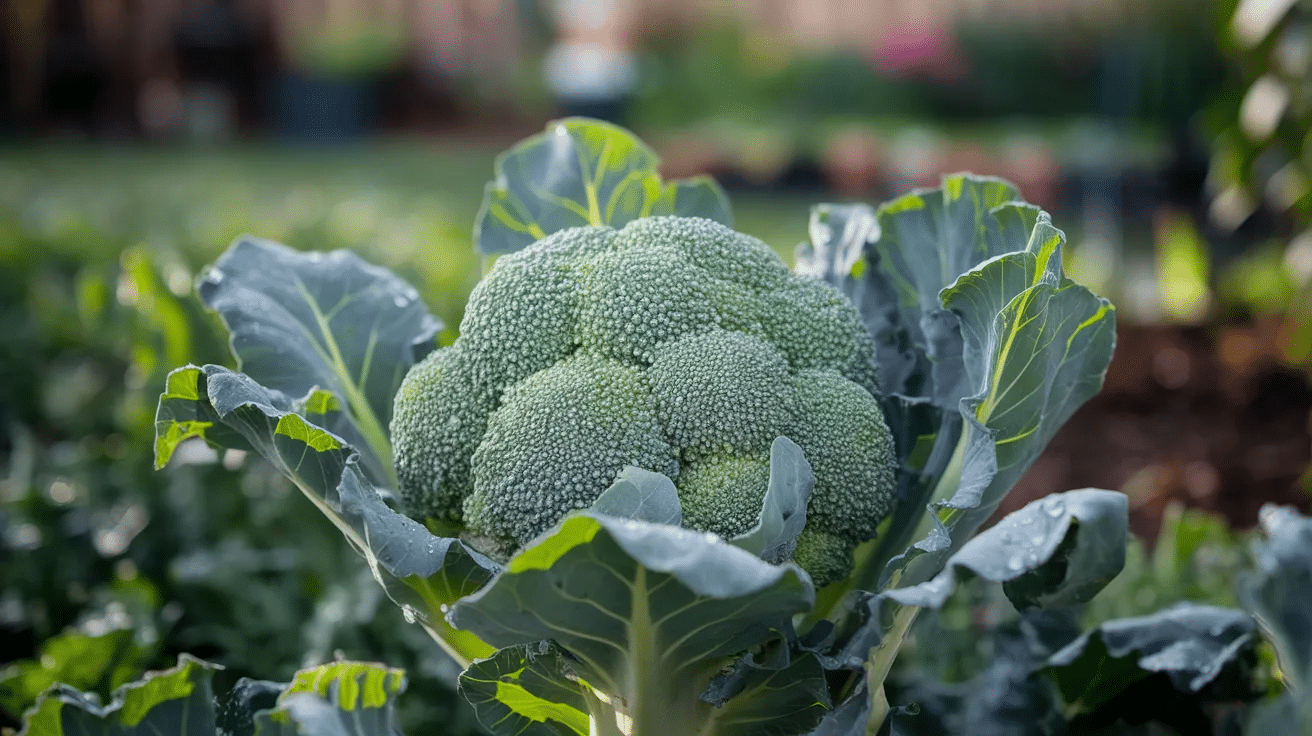
Broccoli is a cool-weather vegetable that many people grow at home. It’s known for its large green heads and healthy benefits.
But one common question comes up: when should it be harvested? Picking it too early or too late can affect how it tastes and grows. Knowing the right time makes a big difference.
The plant gives signs that it’s ready, but they can be easy to miss without the right tips. This blog helps readers learn what to watch for so they can get the best results.
With simple advice and clear steps, harvesting broccoli can become an easy part of the gardening process.
What to Know About Broccoli Growth and Timing
Broccoli doesn’t stay perfect forever. If it’s picked too early, the head may be small and lack flavor. If it’s picked too late, it can turn bitter, tough, and start to flower.
That’s why timing is so important; it affects not only how the broccoli tastes but also how much you get from each plant.
To know when to harvest broccoli, it helps to understand how it grows.
- Broccoli is a cool-season plant. It grows best in spring or fall.
- It forms a large central head that sits at the top of the plant.
- The head is made of tiny flower buds packed tightly together.
- If you wait too long, these buds will start to open into yellow flowers.
Once flowering starts, the plant puts its energy into making seeds, and the head loses flavor and texture.
How Long Does Broccoli Take to Grow?
Most broccoli types take 70 to 100 days from seed to harvest. If you start from a young plant (transplant), it takes around 55 to 85 days.
However, the exact number depends on:
- The variety of broccoli
- Weather and temperature
- Soil quality
- Water and sunlight
Since each garden is different, it’s better to rely on signs from the plant itself rather than the calendar alone.
Signs That Broccoli is Ready to Harvest
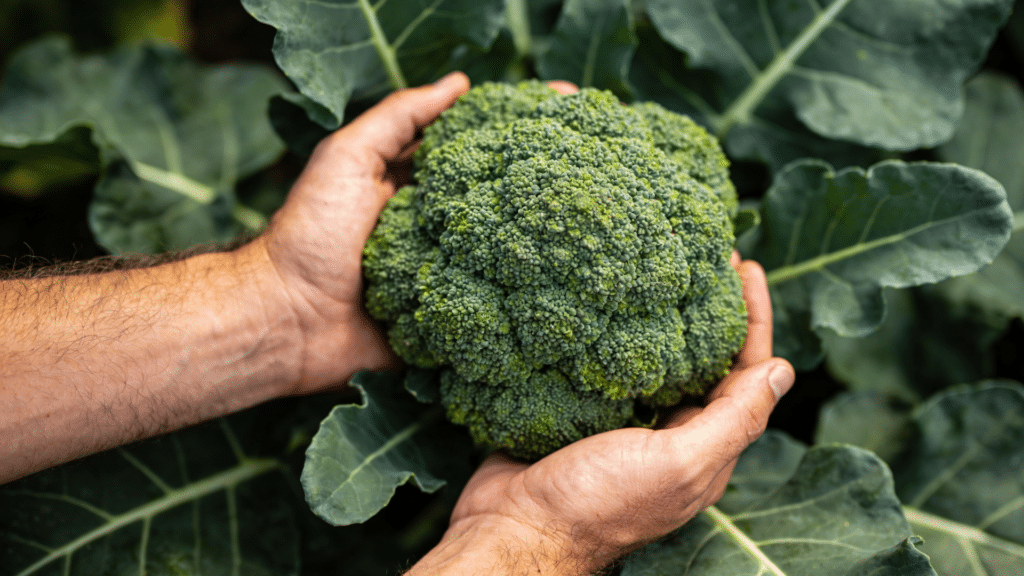
Knowing exactly when to harvest broccoli can make a big difference in taste and texture. Look for these clear signs to pick it at the right time.
The Head Reaches the Right Size
Check the central head of the plant. Most broccoli heads are ready when they measure 4 to 7 inches across, depending on the variety. Some smaller types may mature at 3 inches, while others grow larger. Size matters, but how the head looks is even more important.
Tight, Firm Buds
The head should look tight and compact, with flower buds packed closely together. If the buds begin to swell or spread apart, harvest quickly before they open.
Deep Green Color
A mature head will have a rich, dark green color. Some varieties may show hints of blue or purple, which is fine. Avoid broccoli that looks pale, yellowish, or faded.
No Yellow Flowers
If you see small yellow flowers starting to show, the broccoli is past its peak. It’s still safe to eat, but it may be bitter or woody.
Firm to the Touch
Gently squeeze the head. It should feel dense and solid. A loose or soft head means it’s overripe and has likely lost its best flavor.
Time of Day Matters: For the best flavor and freshness, try to harvest broccoli in the early morning or on a cool day.
When to Plant for the Best Harvest Time
Timing affects when and how well you can harvest broccoli.
| Season | Planting Time | Harvest Window |
|---|---|---|
| Spring | 4–6 weeks before last frost | Late spring to early summer |
| Fall | 10–12 weeks before first frost | Late summer to early fall |
In warmer zones, fall broccoli often tastes sweeter because of cooler nights.
How to Harvest Broccoli Properly
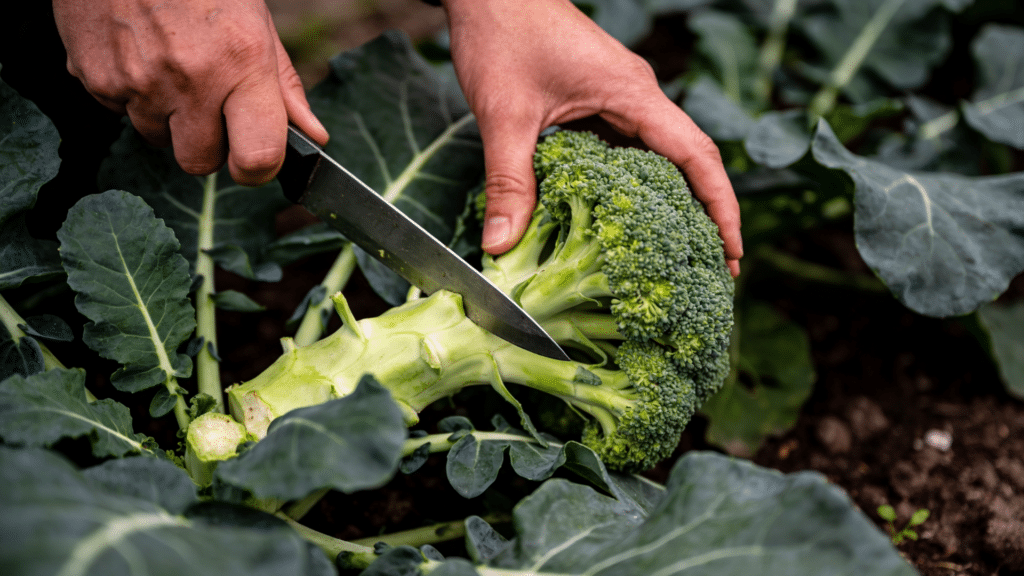
Harvesting broccoli the right way helps protect the plant, encourages more growth, and gives you the best flavor. Follow these simple steps to get the most from your broccoli crop.
Step 1: Use a Sharp Knife or Garden Shears
Start with a clean, sharp knife or a pair of sturdy garden shears. Avoid using your hands to twist or snap the stem.
That can tear the plant and cause damage, which may prevent new shoots from growing. A clean cut also lowers the chance of infection or rot.
Step 2: Cut 5 to 6 Inches Below the Head
Find the main stem and cut it 5 to 6 inches below the broccoli head. Make the cut at a slight angle.
This angled cut helps water slide off the stem rather than sit on top, keeping the plant healthy and reducing the risk of rot. The extra length of the stem also makes it easier to store and cook.
Step 3: Leave the Plant in the Ground
After cutting the main head, do not pull out the entire plant. Most varieties of broccoli will grow side shoots after the first harvest.
These are smaller heads that grow from where the leaves connect to the stem. If you keep watering and caring for the plant, you may get several more harvests over the next few weeks.
Step 4: Check for Pests or Damage
As you harvest, take a moment to inspect the plant. Look under the leaves and around the stem for cabbage worms, aphids, or rot.
Remove any damaged leaves and clean up fallen debris around the base of the plant. Also, check that the soil drains well, since soggy soil can harm the roots and reduce future harvests.
Can You Harvest Broccoli More Than Once?
Yes. While you can only harvest the main central head once, many broccoli plants will send up side shoots after the first harvest.
These smaller heads grow from the base of leaves and side stems. They are usually ready 1 to 3 weeks after the first harvest.
- Keep watering and caring for the plant.
- Cut side shoots the same way as the main head.
- Some gardeners get several small harvests from one plant.
What Does Overripe Broccoli Look Like?
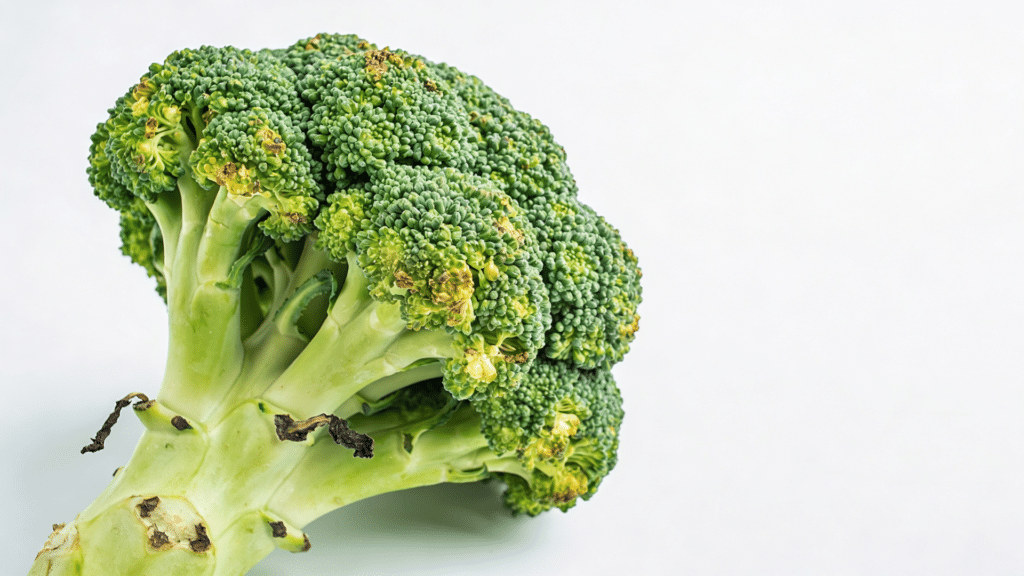
Overripe broccoli shows clear signs that it’s past its best. These changes affect the taste, texture, and quality. Use the table below to spot the most common signs of overripe broccoli, so you know when to avoid harvesting or eating it.
| Sign | What It Means |
|---|---|
| Yellow flowers are starting to bloom | The broccoli head has started to flower and is no longer good for eating. |
| Open, loose heads with spaced buds | The buds are separating, meaning the broccoli is aging and losing tenderness. |
| Soft or mushy areas near the stem | Indicates the plant is breaking down and may be rotting or overripe. |
| Yellowing leaves around the head | The plant is stressed or old, often a sign that it’s past the harvest window. |
If your broccoli shows these signs, it’s best to compost it or feed it to backyard animals like chickens, if you have any, rather than trying to cook or store it.
How to Store Freshly Harvested Broccoli
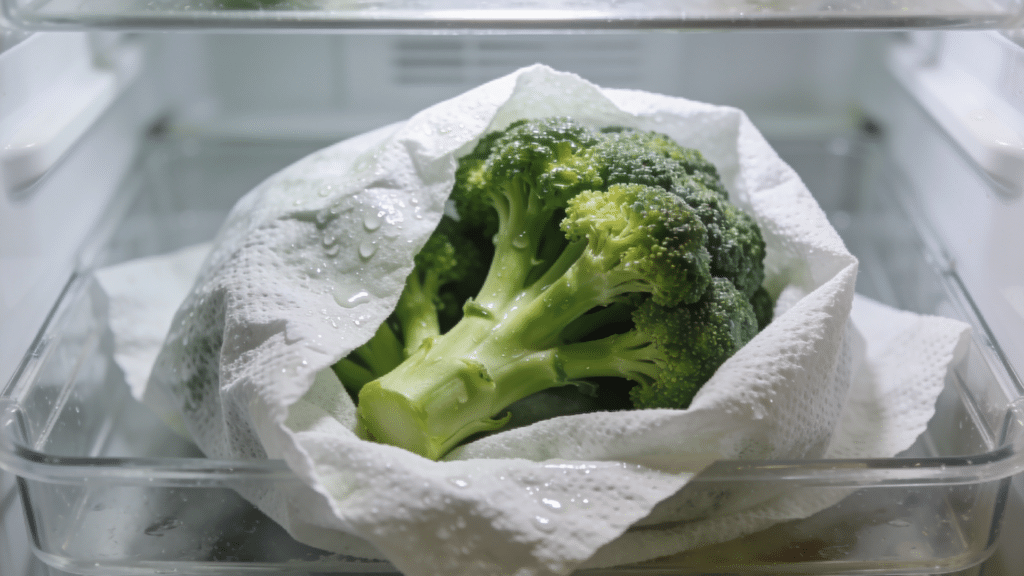
Fresh broccoli doesn’t last long at room temperature. Follow these steps:
- Do not wash right away. Moisture can speed up spoilage.
- Wrap loosely in a damp paper towel.
- Store in the crisper drawer of your fridge.
- Use within 3 to 5 days for the best taste and texture.
For longer storage:
- Blanch the broccoli in boiling water for 2–3 minutes.
- Cool it in ice water.
- Freeze in airtight bags for up to 12 months.
Varieties That are Easier to Harvest
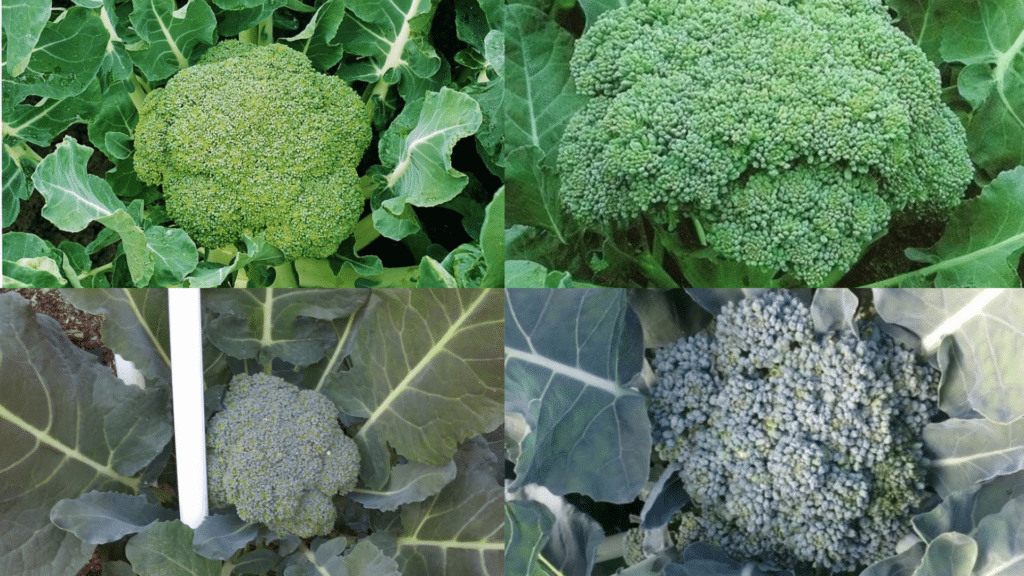
Some broccoli types are easier to grow and harvest than others. These varieties tend to form heads more consistently, mature faster, or produce reliable side shoots. Here’s a list of broccoli varieties that work well for most home gardens:
| Broccoli Variety | Why It’s Easy to Harvest |
|---|---|
| Calabrese | Produces large central heads; good for cooler climates |
| Green Magic | Grows well in warm and cool zones; has good head formation |
| Packman | Fast-growing; matures quickly and evenly |
| Belstar | Reliable in both spring and fall; forms strong side shoots |
| Di Cicco | Open-pollinated; gives lots of small side shoots after harvest |
| Marathon | Cold-tolerant; good for late-season harvests |
| Waltham 29 | Classic heirloom; easy to grow and great for side shoot growth |
Common Mistakes When You Harvest Broccoli
Even experienced gardeners can make simple errors when harvesting broccoli. These mistakes can lead to poor taste, smaller yields, or missed side shoots. Here are the most common ones to watch out for:
- Harvesting Too Late: Waiting until the buds start to flower means you’ll miss the best taste.
- Pulling Up the Whole Plant: You lose out on side shoots if you remove the plant too soon.
- Cutting Too Close to the Head: Leave enough stem to avoid damaging the rest of the plant.
- Not Checking Every Day: Broccoli can mature fast. Once it starts to form a tight head, check daily. A delay of just a few days can lead to flowering.
To Conclude
Harvesting broccoli at the right time makes a big difference. It helps you enjoy better flavor, texture, and more heads from each plant.
Watch for tight green buds, firm heads, and no signs of yellow flowers. Cut with care, leave the plant in the ground, and keep checking for side shoots.
A few simple steps can lead to a great harvest. Don’t wait too long, and don’t rush too early.
With a little practice, you’ll know just when to cut. Keep these tips in mind during your next growing season.
Want more simple garden tips? Bookmark this blog or share it with a fellow gardener today!