

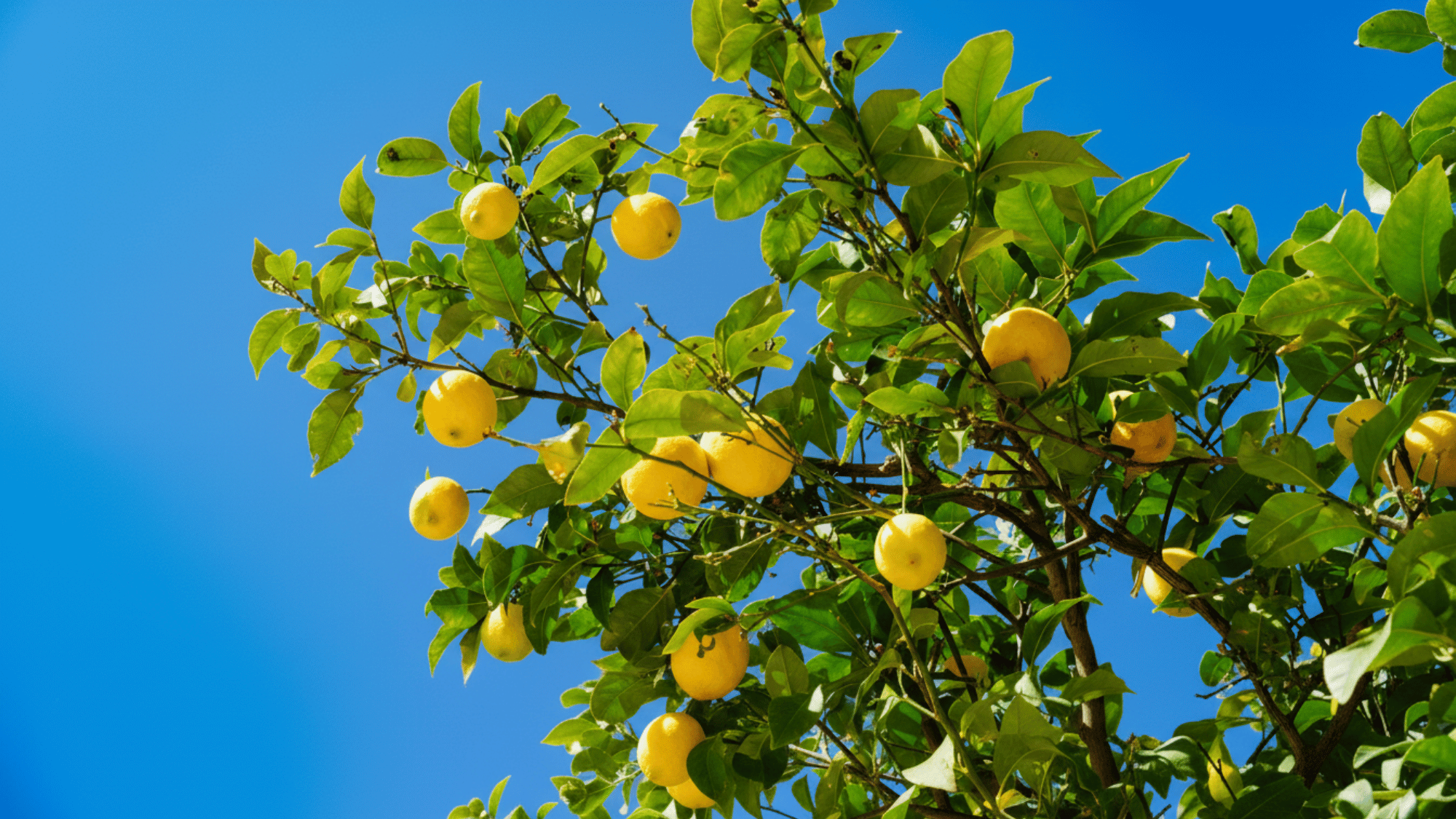
Walk into any grocery store, and there it is: that bright yellow citrus fruit everyone knows. But not all lemons look the same, taste the same, or even smell the same.
Some are sweet enough to bite into like an apple. Others pack such a sour punch they’ll make your eyes water.
From tiny finger-sized varieties to ones as big as grapefruits, lemons come in shapes and sizes that might surprise you. Different countries grow different types, each with its own story and flavor.
So what makes each variety special? And which ones are worth seeking out? Time to find out.
How Many Types of Lemons are There?
Nobody can pin down the exact number. New hybrids pop up, and regional varieties keep the count shifting.
Widely agree on over 30 distinct types of true lemons, though lists vary wildly. Some focus on 12 major commercial players, while others stretch to 34 or more when counting heirloom and niche strains.
The wide commercial varieties? Around 10 to 15 dominate store shelves worldwide. Think Eureka, the seedless supermarket go-to, or Lisbon with its thorny branches and thick skin.
Meyer lemons bring sweetness to the mix, and varieties like Variegata even show off pink flesh inside
Most Common Types of Lemons Found Worldwide
Lemons come in many varieties worldwide, each differing in flavor, acidity, appearance, and culinary use across regions.
1. Eureka Lemon
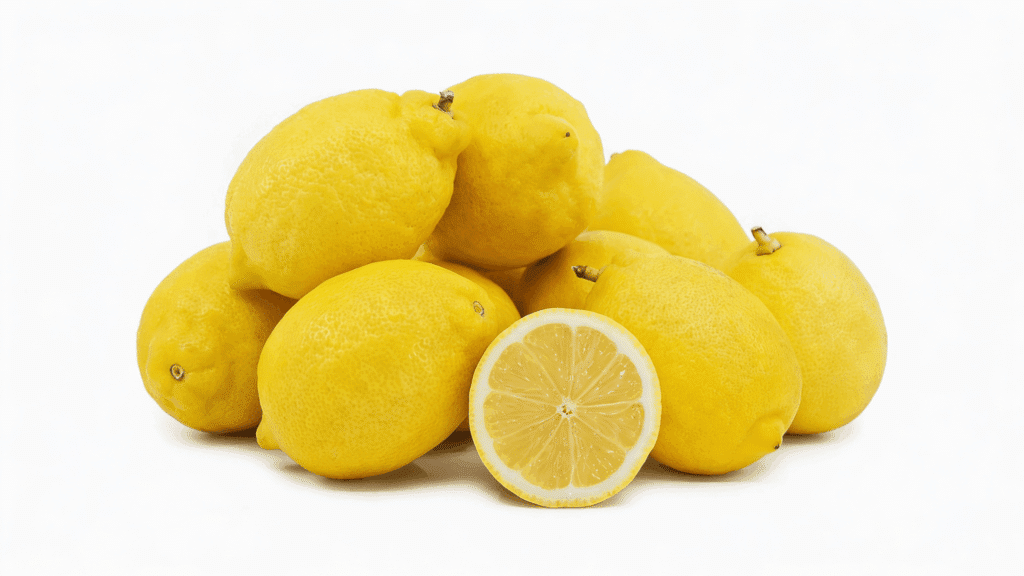
Eureka lemons are one of the most widely grown lemon varieties globally. They have bright yellow skin, a classic tart flavor, and high juice content.
Grown year-round in warm climates, they are commonly found in grocery stores.
Eureka lemons are ideal for everyday cooking, baking, dressings, and beverages due to their consistent acidity and strong citrus aroma.
2. Lisbon Lemon

Lisbon lemons closely resemble Eureka lemons but are slightly more acidic and aromatic.
They have a smooth, thick yellow skin and produce abundant juice. This variety is highly heat-tolerant and commonly grown in commercial orchards.
Lisbon lemons are popular for culinary uses where bold acidity is needed, such as marinades, sauces, and preserving applications.
3. Primofiori (Fino) Lemon
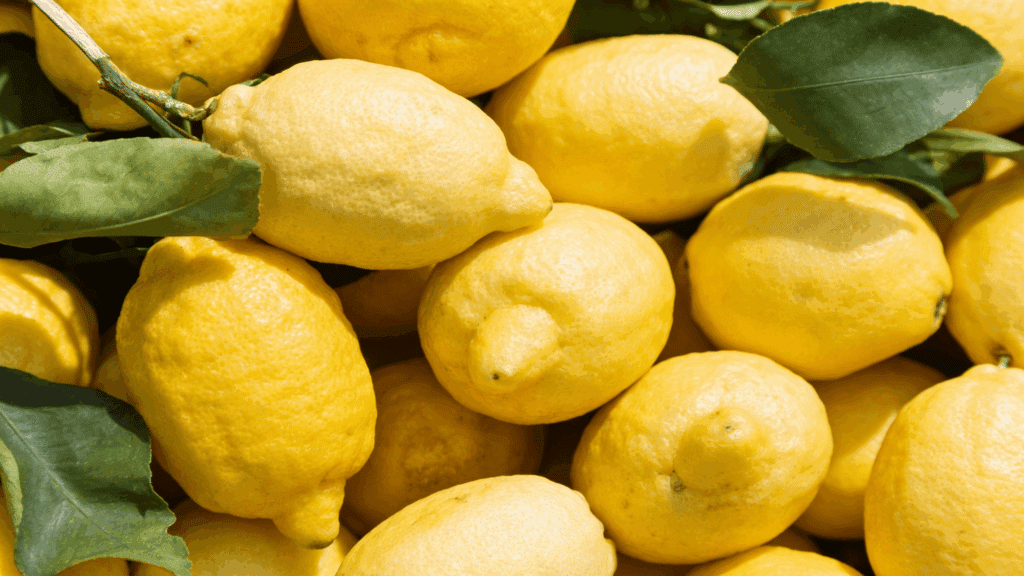
Primofiori lemons, also known as Fino lemons, are an early-season variety mainly grown in Spain. They have a thin peel, high juice yield, and balanced acidity.
Their consistent quality makes them popular in European markets.
Primofiori lemons are widely used in cooking, juicing, and commercial food production due to their reliability and strong citrus flavor.
4. Verna (Berna) Lemon
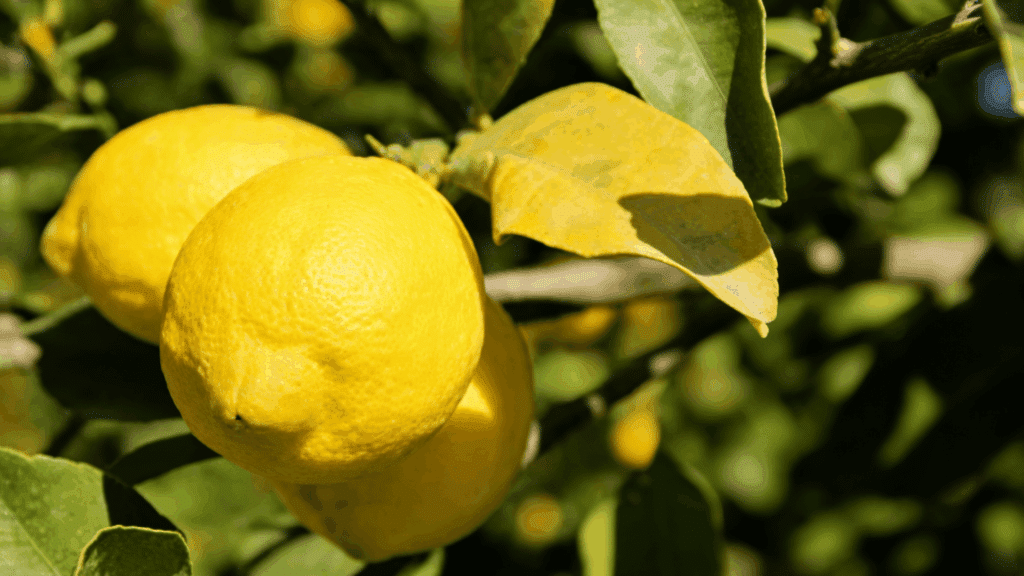
Verna lemons are a late-season Spanish lemon variety known for their large size and thick peel.
They contain plenty of juice with moderate acidity, making them versatile for both cooking and fresh use.
Verna lemons often have seeds and a slightly milder flavor compared to other commercial lemons, which makes them suitable for long-term storage and export.
5. Sorrento (Femminello St. Teresa) Lemon
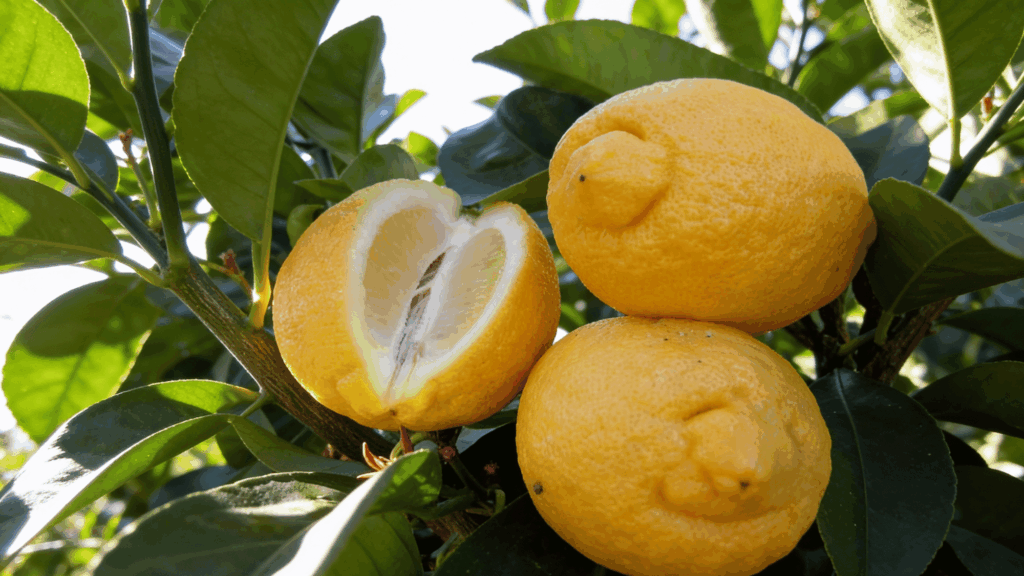
Sorrento lemons originate from Italy and are prized for their intense aroma and high-quality essential oils.
They have a thick, fragrant peel and a bright, tangy juice. This variety is traditionally used in Italian cuisine, especially for desserts, liqueurs, and zest-based recipes.
Their rich fragrance makes them highly valued in the culinary and cosmetic industries.
6. Genova (Genoa) Lemon
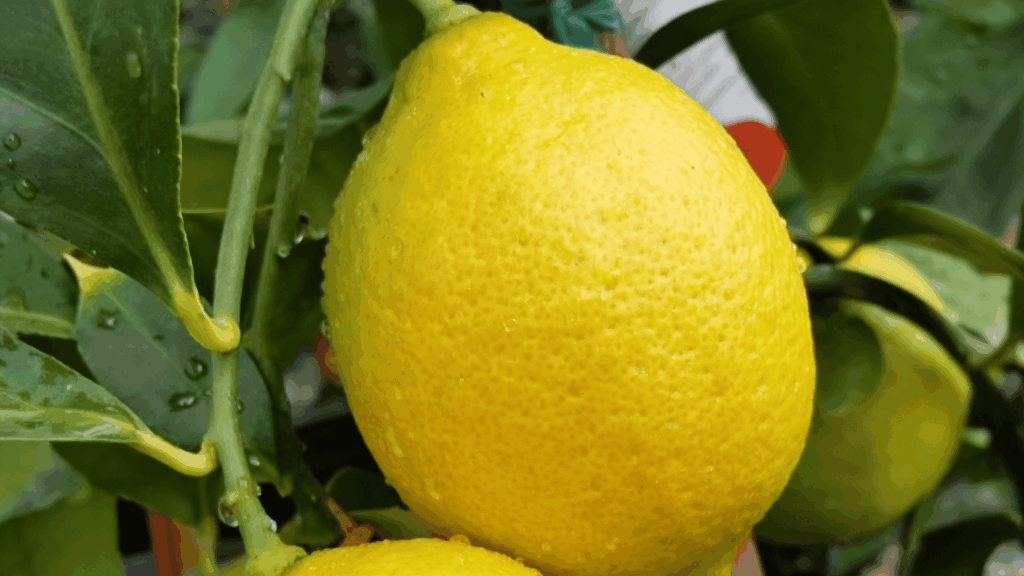
Genova lemons are primarily grown in Mediterranean regions and are known for their elongated shape and smooth yellow skin. They offer a balanced acidity with a pleasant citrus fragrance.
Often used in regional cooking, Genova lemons work well for sauces, seafood dishes, and fresh applications. Their moderate juice content makes them versatile in everyday culinary use.
7. Villafranca Lemon
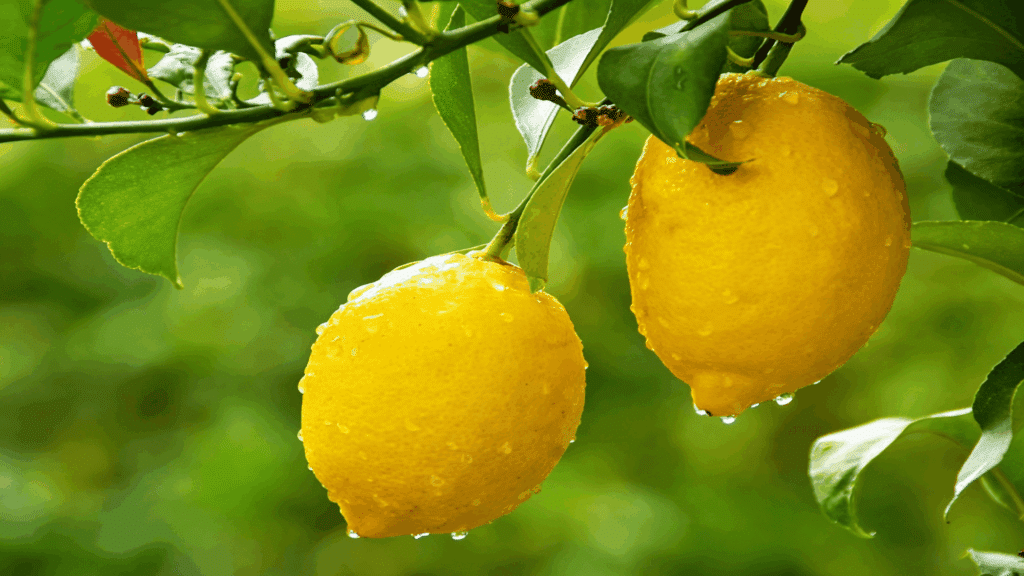
Villafranca lemons are similar in appearance and taste to Eureka lemons but are less commonly grown today.
They produce medium-sized fruits with bright yellow peels and good juice content. This variety is mainly cultivated in limited regions for local consumption.
Villafranca lemons are suitable for general cooking, baking, and juice preparation.
8. Interdonato Lemon

Interdonato lemons are an early-ripening variety originally from Italy and widely grown in Mediterranean climates.
They have a mild acidity, thin peel, and high juice content. Their less sharp flavor makes them ideal for fresh consumption and salads.
Interdonato lemons are often preferred when a softer citrus note is desired in recipes.
9. Bearss Lemon
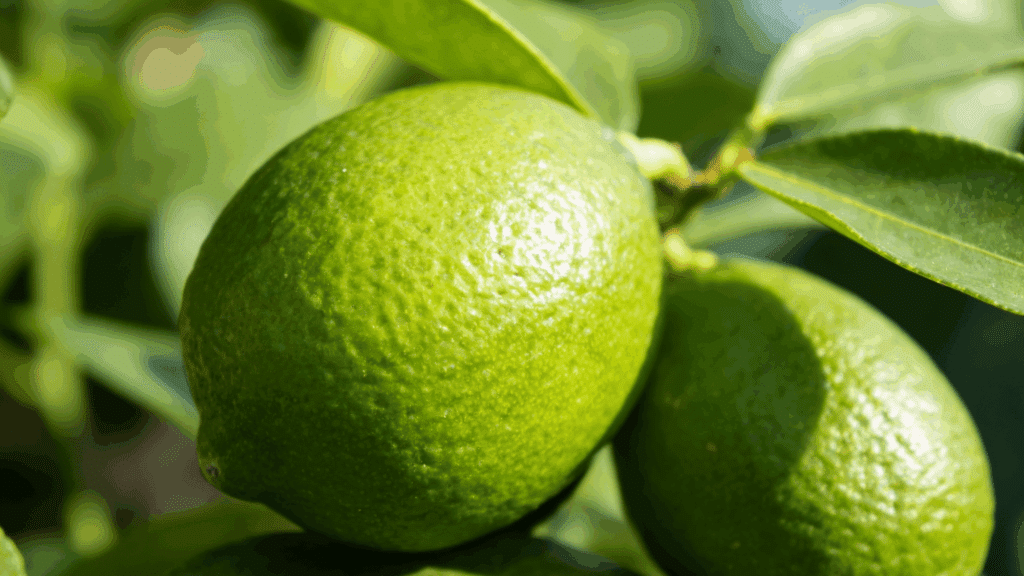
Bearss lemons are commonly mistaken for limes, but they are technically a lemon variety. They have smooth skin, high acidity, and abundant juice.
Popular in commercial cultivation, Bearss lemons are frequently used in beverages and food processing.
Their strong tartness and consistent juice yield make them reliable for professional kitchens and large-scale production.
10. Monachello Lemon
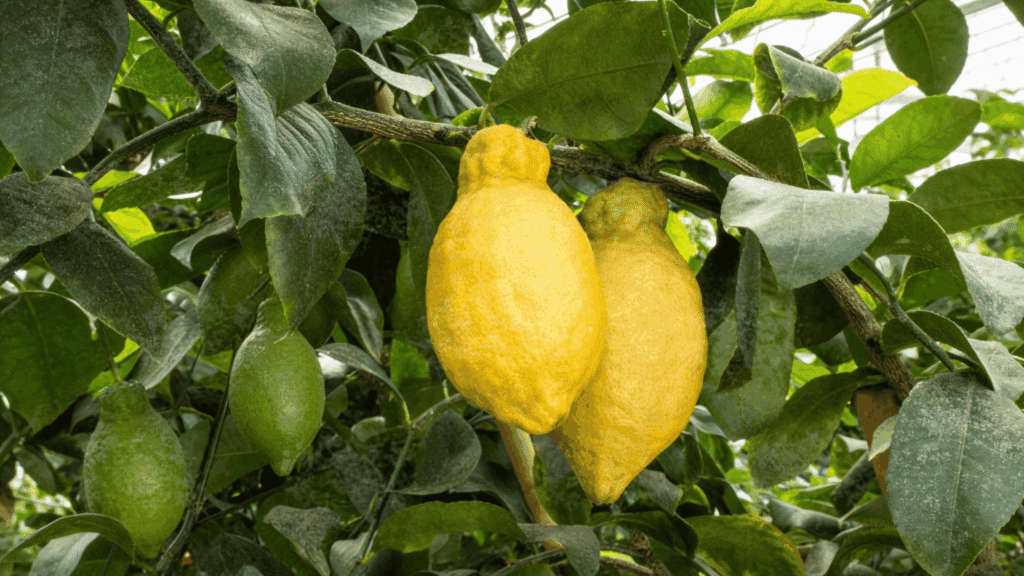
Monachello lemons are an Italian variety known for their resistance to certain plant diseases. They have a medium-thick peel, moderate acidity, and good aroma.
Often grown in southern Italy, they are used for both fresh consumption and cooking. Monachello lemons are valued for their durability and steady production in varied growing conditions.
11. Variegata Lemon
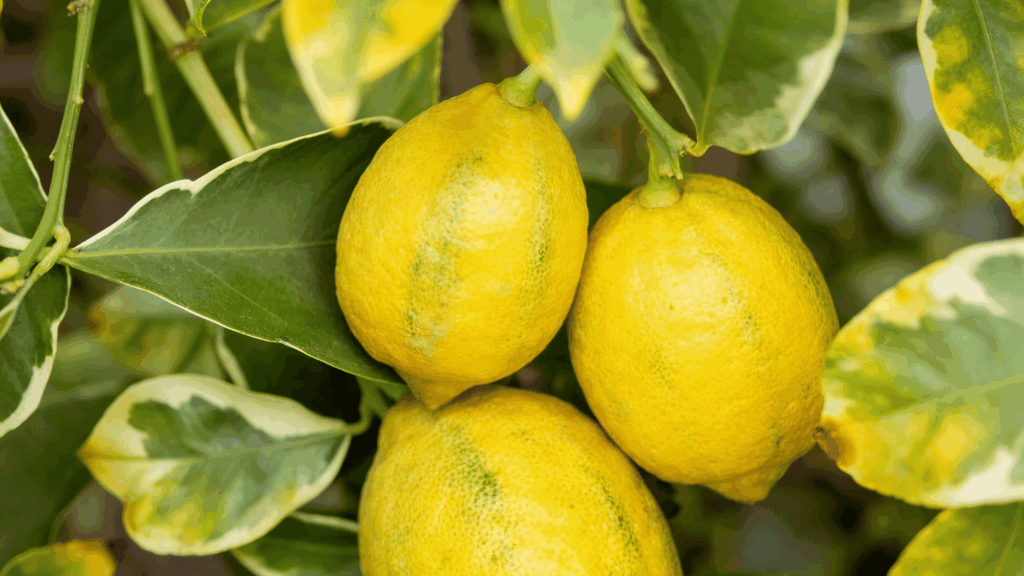
Variegata lemons are easily recognized by their striped green-and-yellow skin and decorative appearance.
Beyond looks, they offer a mild lemon flavor with moderate acidity. Often grown for ornamental purposes, they are also edible and used in specialty cooking.
Variegata lemons add visual appeal to dishes while still delivering a pleasant citrus taste.
Specialty and Less Common Types of Lemons
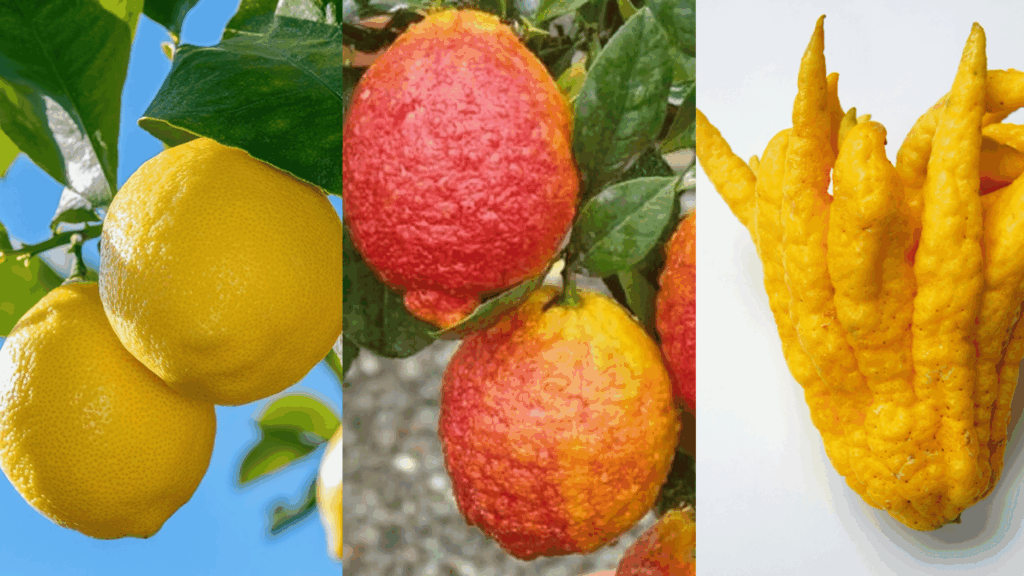
Beyond commercial lemons, these specialty and regional varieties offer unique flavors, appearances, and uses shaped by climate and cultivation traditions.
12. Assam (Kaji Nemu, Gol Nemu): A traditional Indian lemon variety known for its strong aroma and mild acidity. Commonly used in Assamese cuisine, it enhances curries, pickles, and herbal remedies.
13. Avana: Avana lemons are a lesser-known Mediterranean variety valued for balanced acidity and pleasant fragrance. They are mostly grown locally and used in regional cooking and fresh applications.
14. Bagnara: Bagnara lemons originate from southern Italy and are appreciated for their thick peels and aromatic oils. They are commonly used for zest, preserves, and traditional Italian culinary preparations.
15. Bella di Gargano: This Italian lemon variety is prized for its fragrant peel and bright acidity. Often grown in coastal regions, it is used in desserts, liqueurs, and regional dishes.
16. Bonnie Brae: Bonnie Brae lemons are an early American variety with a thin peel and high juice content. They are popular for fresh use but less common commercially today.
17. Cameron Highlands: Grown in Malaysia’s high-altitude Cameron Highlands, this lemon variety adapts to cooler climates. It offers moderate acidity and is mainly used in local cooking and beverages.
18. Canto Live: Canto Live lemons are regionally cultivated and valued for consistent flavor and aroma. They are mostly used in traditional recipes rather than large-scale commercial markets.
19. Carvalhal: Carvalhal lemons are a Portuguese variety known for medium acidity and firm skin. They are commonly used in home cooking, preserves, and regional citrus blends.
20. Chios: Native to the Greek island of Chios, these lemons are aromatic with a balanced flavor. They are traditionally used in sweets, syrups, and Mediterranean cuisine.
21. Citron Volcamera: A hybrid citrus related to lemons and citrons, Volcamera is valued for rootstock use. Its fruit is acidic and mainly used in processed or traditional applications.
22. Dorshian: Dorshian lemons are a rare variety with limited cultivation. They are known for unique flavor characteristics and are typically grown for local consumption or specialty uses.
23. Djerba: Originating from Tunisia’s Djerba region, this lemon variety is aromatic with moderate acidity. It is often used in North African cooking and traditional preserves.
24. Eureka Variegated Pink: A decorative mutation of Eureka lemons, this variety features striped skin and pink flesh. It offers mild acidity and is popular for ornamental and specialty culinary uses.
25. Femminello Comune: A classic Italian lemon variety with high productivity and strong aroma. It is widely used for juice, zest, and traditional Mediterranean recipes throughout the year.
26. Femminello Levanto: This Femminello subtype is valued for consistent fruit quality and fragrance. It is commonly grown in Italy and used in both fresh consumption and culinary preparations.
27. Galego: Often associated with small citrus types, Galego lemons have sharp acidity and a strong aroma. They are frequently used in drinks, sauces, and regional cooking traditions.
28. Ito Wasabi: A rare Japanese lemon variety known for its distinctive aroma and mild acidity. It is mostly used in specialty dishes, condiments, and regional culinary experimentation.
29. Jaffa: Jaffa lemons originate from the Middle East and Mediterranean regions. They are known for thick peels, good juice yield, and traditional culinary and household uses.
30. Java: Java lemons are grown in Southeast Asia and are adapted to tropical climates. They offer strong acidity and are widely used in local cooking and beverages.
31. Kaji Nemu: Kaji Nemu is a culturally significant lemon from Assam with a fragrant peel and mild sourness. It is commonly used in traditional dishes and medicinal practices.
32. Lemonade: Lemonade lemons are a sweet, low-acid variety ideal for fresh eating. Their mild flavor makes them popular for snacking, juices, and home gardens.
33. Lemonime: A hybrid citrus combining lemon and lime traits, Lemonime offers balanced tartness. It is mainly used in beverages and experimental culinary applications.
34. Limone della Costa d’Amalfi: This protected Italian lemon is famous for its intense aroma and thick peel. It is traditionally used in limoncello, desserts, and high-end culinary recipes.
35. Lunario: Also called the Four Seasons lemon, Lunario produces fruit year-round. It has moderate acidity and is commonly grown in home gardens and ornamental settings.
36. Meyer: Meyer lemons are a hybrid with a sweeter flavor and thin skin. They are popular in desserts, baking, and fresh use due to their mild acidity.
37. Monreal: Monreal lemons are a Mediterranean variety known for good juice content and balanced taste. They are used in local cooking and small-scale production.
38. Ponderosa: Ponderosa lemons are very large with thick rinds and strong acidity. Often grown ornamentally, they are also used for juice and zest in limited quantities.
39. Rough: Rough lemons have coarse skin and strong acidity. They are mainly used as rootstock in citrus cultivation rather than for direct consumption.
40. Sfusato Amalfitano: A premium Italian lemon with an elongated shape and intense fragrance. It is highly valued for zest, limoncello, and traditional Amalfi Coast cuisine.
41. Volkameriana: Volkameriana is a lemon-like citrus mainly used as rootstock. Its fruit is acidic and aromatic but rarely consumed fresh.
42. Yen Ben: Yen Ben lemons are a popular Australian variety with high juice yield and strong acidity. They are widely used in commercial food production and fresh markets.
Lemon Varieties vs Other Citrus Fruits
Lemons stand apart from their citrus cousins. Each fruit brings its own flavor, acidity level, and kitchen purpose to the table.
| Citrus Fruit | Key Differences from Lemons |
|---|---|
| Limes | Smaller, greener, more bitter. Higher acidity and aromatic oils. |
| Oranges | Sweeter, lower acid. Eaten fresh rather than used for juice/zest. |
| Grapefruits | Larger, pink/red flesh. Bitter-sweet taste, less acidic than lemons. |
| Mandarins | Smaller, sweeter, easy-peel skin. Almost no acidity compared to lemons. |
| Pomelos | Huge size, thick rind. Mild, sweet flavor with minimal tartness. |
| Kumquats | Tiny, eat whole with peel. Sweet skin, tart flesh—opposite balance. |
| Bergamot | Sour, inedible raw. Grown mainly for aromatic oil, not juice. |
Are All Lemons Grown the Same Way?
Not even close. Lemon trees adapt to where they’re planted, and growers adjust their methods based on climate, soil, and market demands.
Some varieties thrive in Mediterranean warmth, while others handle cooler coastal zones.
Commercial farms might use irrigation systems and chemical fertilizers to boost yield, but organic growers stick to natural compost and pest control.
Tree spacing varies too; dense plantings for smaller operations, wider gaps for mechanical harvesting. Coastal regions deal with salt spray, and inland areas face frost risks. Even pruning techniques differ by variety.
Eureka needs minimal trimming, while Lisbon benefits from aggressive cuts. Growing methods shape flavor, size, and shelf life.
To Conclude
So there it is; lemons aren’t just one-size-fits-all. From the pink-fleshed Variegata to the sweet Meyer, each type tells a different story.
Growing methods change them further, shaping taste and texture based on soil, climate, and care.
Next time you’re shopping, look beyond the standard yellow pile. Try a Meyer for baking or grab a Lisbon for that extra acidic kick.
Different lemons serve different purposes, and knowing which one to reach for can genuinely change your cooking.