

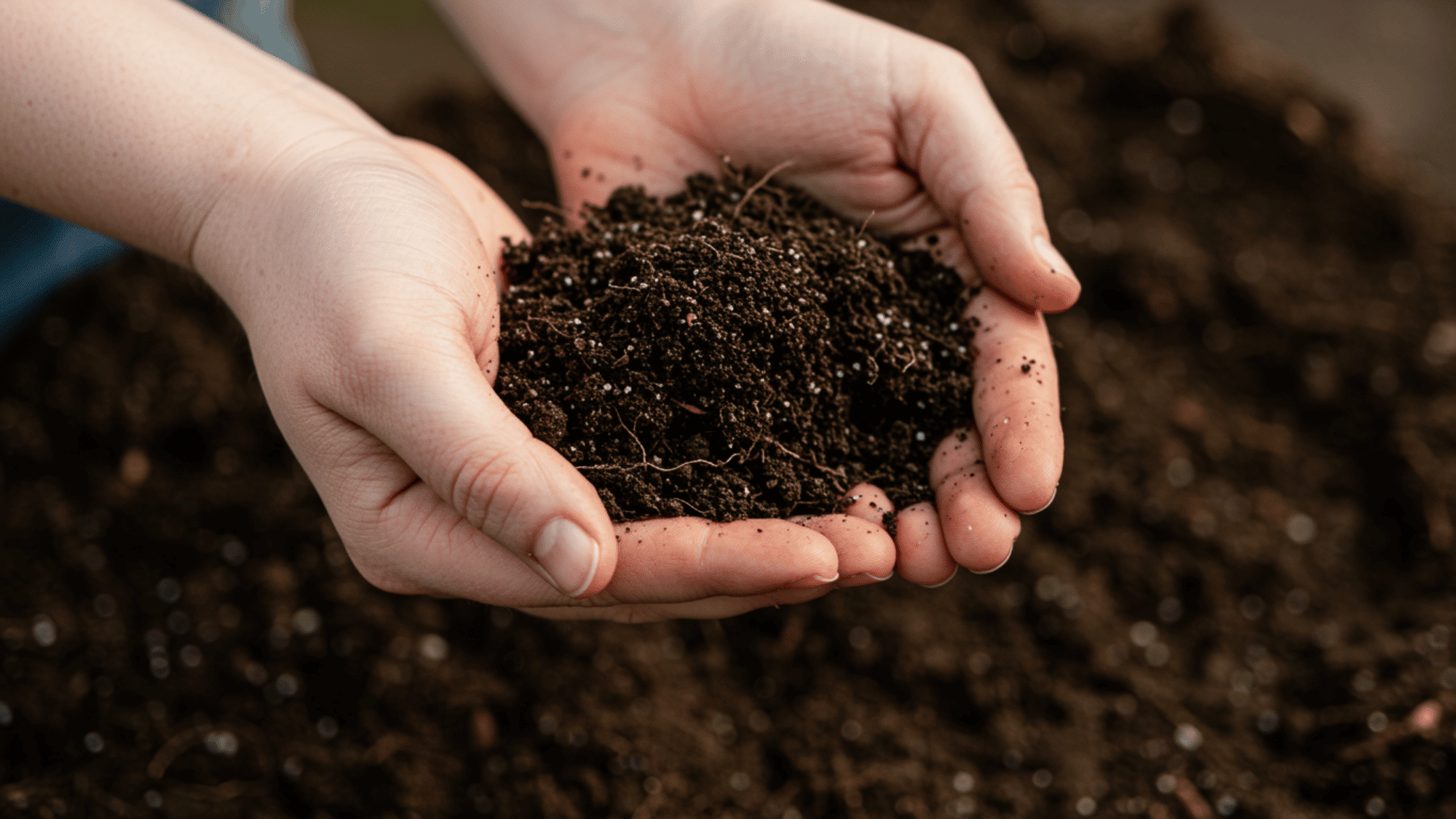
Most gardeners have that half-empty bag of potting soil sitting in the garage or shed. It’s been there for months, maybe even a year or two.
Potting soil doesn’t come with an expiration date stamped on the bag. And tossing out a perfectly good supply seems wasteful. But using degraded soil could mean unhealthy plants and wasted effort.
The truth about potting soil’s shelf life isn’t as straightforward as one might think.
Several factors come into play. This post breaks down everything gardeners need to know about storing and using potting soil.
How Long Does Potting Soil Last?
Potting soil doesn’t have a set expiration date, but its lifespan depends on how it’s stored.
An unopened bag can stay fresh for one to two years when kept in ideal conditions. Once opened, the clock starts ticking faster.
The mix begins breaking down as organic materials decompose. Moisture, temperature, and exposure to air all speed up this process. Some bags last longer than others based on their ingredients.
Stored properly, potting soil remains usable well beyond what most people expect. Poor storage, though, can ruin it in just months
How to Tell If Potting Soil Has Gone Bad
Spotting bad potting soil isn’t difficult once you know what to look for. Several clear indicators reveal when the mix has degraded past the point of being useful for plants.
- Foul or sour smell: Fresh potting soil has an earthy aroma, while spoiled soil smells rotten or like ammonia.
- Visible mold growth: White, green, or fuzzy patches indicate fungal problems that can harm plant roots.
- Clumpy, compacted texture: Good soil feels loose and crumbly, but old soil becomes dense and hard to break apart.
- Insect infestations: Fungus gnats, mites, or other pests living in the bag signal contamination issues.
- Discoloration: Soil that’s turned gray, greenish, or has strange white streaks has likely degraded.
- Water repellency: When soil won’t absorb water and just beads up on the surface, it’s lost its structure.
- Complete breakdown: The mix looks more like dirt or dust than the original fluffy potting soil.
Can You Use Old Potting Soil?
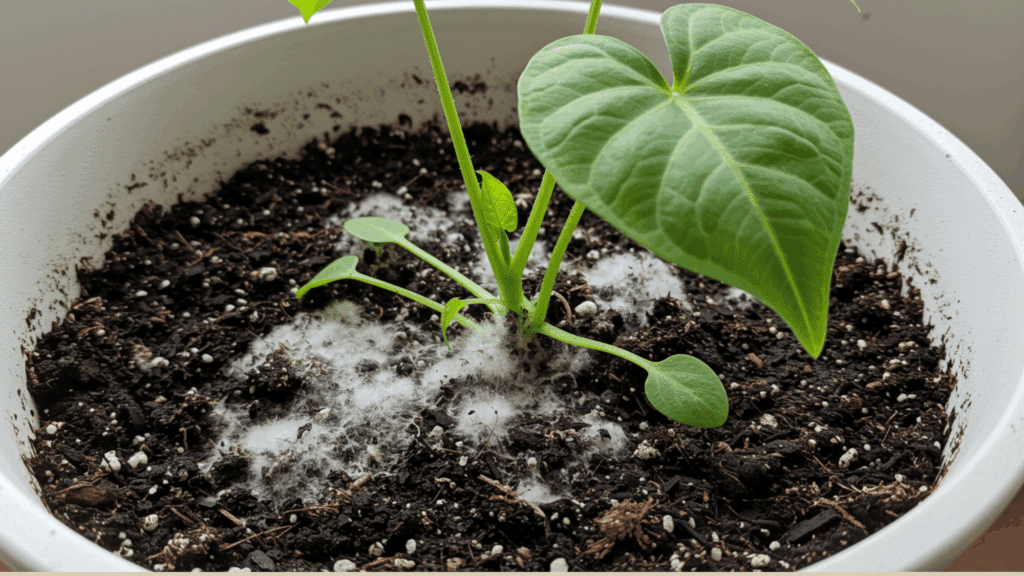
Old potting soil isn’t automatically trash. It can still be used in many cases, but the decision depends on its condition. Soil that simply looks a bit compacted or dry might just need some reviving.
However, soil showing serious signs of degradation poses risks.
Using contaminated or nutrient-depleted mix can stunt plant growth or introduce diseases. The age alone doesn’t determine usability.
Smart gardeners assess each bag individually. Some old soil works fine with amendments added. Other batches belong in the compost pile, not around precious plants.
Can You Revive or Reuse Old Potting Soil?
Old potting soil doesn’t have to meet its end in the trash.
Many gardeners successfully revive aging mixes and get several more seasons of use from them. It’s both budget-friendly and environmentally responsible.
The key is understanding what the soil has lost over time. Nutrients deplete, structure breaks down, and beneficial microbes die off. But these issues can be fixed with the right approach.
Reusing soil takes some effort. It’s not as simple as dumping the old mix into a new pot.
Proper amendments and treatments are necessary to restore its vitality. Done correctly, though, revived soil performs nearly as well as fresh bags straight from the store.
Best Way to Store Potting Soil So It Doesn’t Go Bad
Proper storage significantly extends the lifespan of potting soil. A few simple practices keep the mix fresh and ready to use whenever planting season arrives. Good storage prevents the most common problems.
1. Keep It Sealed
Unopened bags should stay sealed until needed. Once opened, transfer soil to airtight containers or reseal the bag tightly. Limiting air exposure prevents moisture loss and keeps contaminants out of the mix.
2. Store in a Cool, Dry Location
Heat and humidity accelerate decomposition. A garage, shed, or basement with stable temperatures works best. Avoid areas that get extremely hot or experience temperature swings throughout the year.
3. Elevate Off the Ground
Place bags or containers on shelves or pallets. Direct ground contact invites moisture, pests, and mold. Elevation also improves air circulation around the storage area, reducing dampness problems.
4. Avoid Direct Sunlight
UV rays break down organic components in potting soil. Store bags in dark spaces or cover them with tarps. Sunlight also heats containers, creating condensation that promotes mold growth inside.
The Bottom Line
Potting soil doesn’t last forever, but it doesn’t need to be replaced after every season, either.
Knowing the signs of degradation helps gardeners make smart decisions about what’s still usable and what needs replacing.
Proper storage makes all the difference. A little care in how the soil is kept can extend its life by years. And when bags do get old, revival techniques offer a second chance before disposal.
The next time that questionable bag appears, there’s no need to guess. The answer is clear now